REVIEW · LAGOS
Dolphin and Whale Watching in Lagos
Book on Viator →Operated by Lagos Grotto Trips · Bookable on Viator
Wild dolphins love an unpredictable schedule.
This Lagos ocean cruise is built around getting you out on the Atlantic in a RIB Aftermath so you can watch cetaceans in the wild, not from a dock. You start late morning at 11:30am, which helps you keep the rest of the day calm and un-rushed while still chasing sea life off the Algarve coast.
I really like two things about this trip: the small group size (max 18) and the hands-on guidance from an experienced crew that looks for the best places to spot dolphins and other species. Also, the boat ride is described as comfortable, and people tend to remember it as a proper adventure rather than a long, boring sit-and-wait.
One thing to consider: this is wildlife watching, so sightings are never guaranteed. If the dolphins don’t show up where you’re searching, your time on the water can feel short, especially given that the day’s success depends on animals behaving naturally.
In This Review
- Key things to know before you go
- Setting off from Lagos: where the trip starts and what the morning feels like
- The RIB Aftermath boat ride: fast, comfortable, and not for couch potatoes
- How the crew finds cetaceans: what “best spots” really means on the water
- What you might see off Lagos: dolphins, porpoise, and Risso’s
- The 90 minutes on the Atlantic: a simple rhythm with one big unknown
- Comfort and practical tips: how to spot more (and enjoy the ride)
- Small group dynamics: why max 18 matters on a boat
- Who this is best for in Lagos (and who might skip it)
- Weather and wildlife reality: managing expectations for a smooth day
- Should you book the Dolphin and Whale Watching in Lagos?
- FAQ
- Where is the meeting point for the dolphin and whale watching tour?
- What time does the tour start?
- How long is the tour?
- What boat do you ride on?
- Is the tour offered in English?
- What is the group size limit?
- Is this tour suitable for young children?
- What happens if the weather is bad?
Key things to know before you go
- RIB Aftermath ride: A fast, maneuverable rigid inflatable boat, good for getting to the right spots quickly
- Guide-led searching: Crew members work to find where dolphins and other cetaceans are showing activity
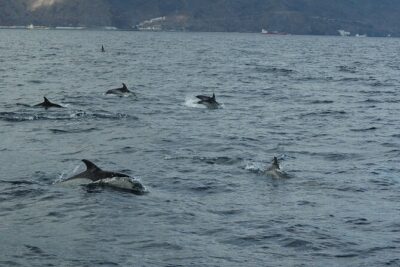
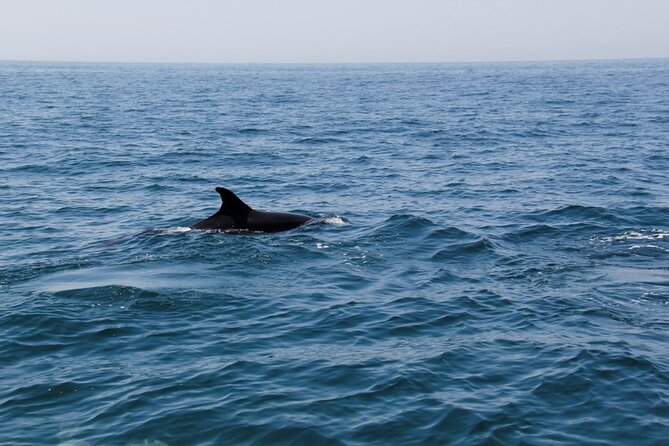
- Cetaceans you can usually spot: Common dolphin, bottlenose dolphin, harbor porpoise, and Risso’s dolphin
- Late morning start at 11:30am: Lets you enjoy a slow start in Lagos before heading out
- Max 18 travelers: Easier to hear the guide and keep things flexible on the water
Setting off from Lagos: where the trip starts and what the morning feels like
The tour meets at Passeio dos Descobrimentos 10, in the center of Lagos. You’ll come back to the same meeting point at the end, so you don’t have to worry about complicated drop-offs. It’s also described as near public transportation, which matters if you’re building this into a day that’s otherwise foot-friendly.
Start time is 11:30am, and that’s a quiet advantage. Early-morning boat tours can feel like you’re still waking up when you should already be looking for dolphins. Here, you can eat, take a stroll, and get your camera ready without rushing. The flip side is that the sea state can change through the day—so you’re still depending on the ocean behaving.
You’ll receive confirmation at booking time, and the tour uses a mobile ticket, which is exactly what you want for a boat day. No paper hunt. No last-minute scramble.
The RIB Aftermath boat ride: fast, comfortable, and not for couch potatoes
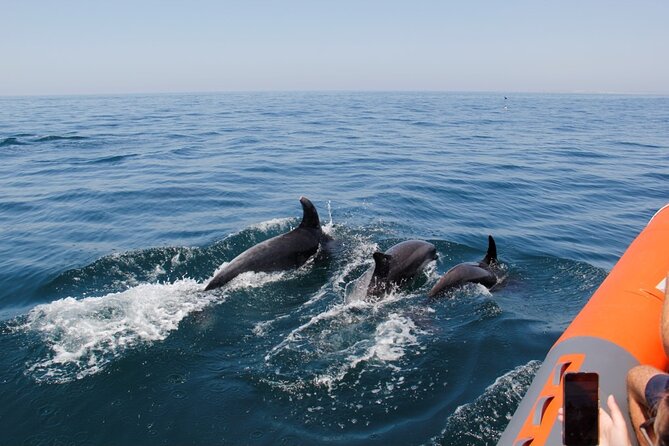
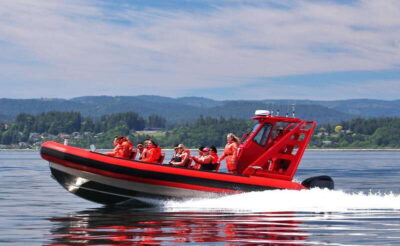
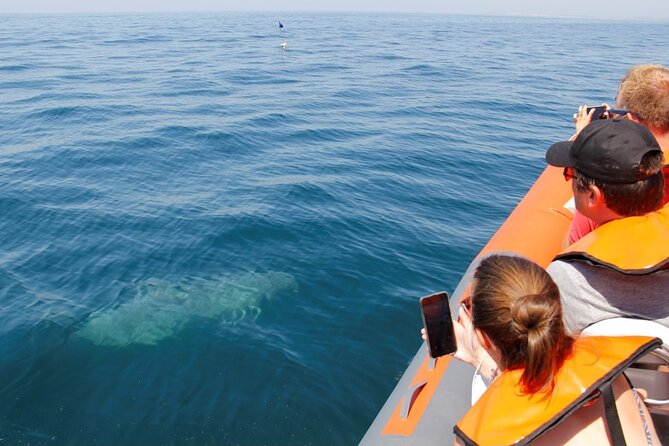
You’ll go out on the vast Atlantic Ocean just outside the Algarve Coast on the RIB Aftermath. This is a rigid inflatable boat style that’s built for speed and quick positioning—useful when dolphins show up and move on fast.
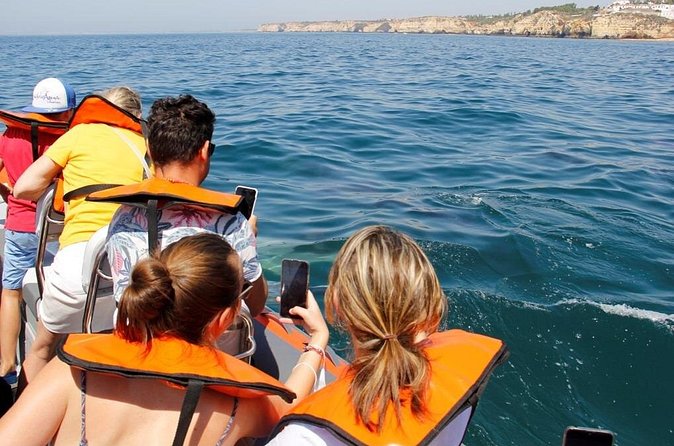
The boat is described as comfortable, but “comfortable” doesn’t mean “still.” In fact, one review called the speedboat ride a little scary, then immediately said the dolphins made it worth it. That’s a fair expectation to carry: hold on, stay balanced, and plan to feel the motion. If you’re the type who gets tense on windy water, dress smart and keep your focus on the horizon.
This trip also asks for a moderate physical fitness level. That doesn’t mean you need to be an athlete. It does mean you should be comfortable standing and moving on a boat, and handling some motion without feeling totally wrecked afterward.
How the crew finds cetaceans: what “best spots” really means on the water
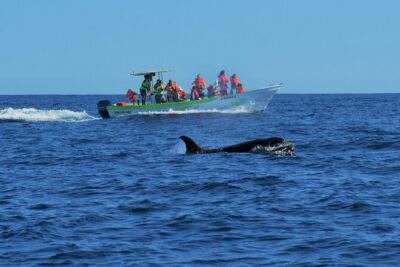
The biggest value here is the idea that you’re not just going out and hoping. The tour is led by experienced guides who know the best spots to see cetaceans in their natural habitat. Practically, that translates to two things you’ll feel in real time:
First, you’ll likely move toward where activity is most likely. If dolphins are surfacing, traveling, or feeding, you don’t want to be stuck far away. Second, the guides can adjust as conditions change—because ocean watching is never static.
One review praised the team for waiting until they saw dolphins, even with time running out. That tells you the guides aren’t treating this like a strict checklist where the moment the clock hits, you’re done. When wildlife appears, the crew tries to make the most of that window.
Just don’t treat it like a guaranteed dolphin slideshow. Another review had a tough day: dolphins didn’t show up right where expected, a short sighting happened, and then the group went elsewhere for a long stretch without more sightings. Wildlife watching is always a gamble. Your best strategy as a passenger is to keep your eyes moving and your expectations flexible.
What you might see off Lagos: dolphins, porpoise, and Risso’s
The tour specifically mentions several cetaceans that can usually be seen in these waters:
- Common dolphin
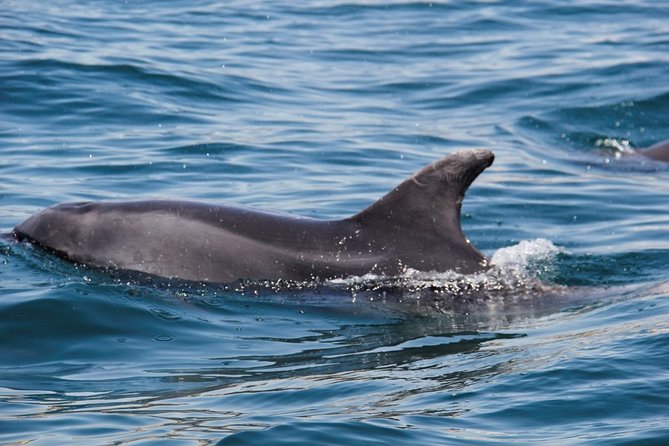
- Bottlenose dolphin
- Harbor porpoise
- Risso’s dolphin
In plain terms, you’re going out looking for animals that can be hard to predict. Dolphins can pop up, surfacing briefly, then vanish. Porpoises can be even more “blink and you miss it,” with shorter sightings.
Here’s a useful mindset I’d bring to this: look everywhere, not just in one direction. One family review made the point that you need to watch all around because you don’t know where they’ll surface from. That’s not just advice for photographers—it’s the core of spotting dolphins fast enough to enjoy them, not just chase after them.
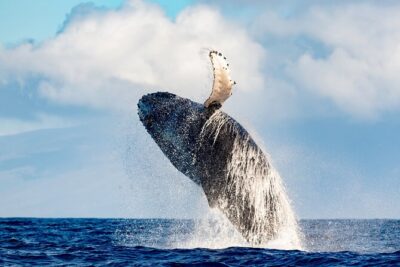
Also, dolphins are known for playfulness and intelligence, and the whole point of this cruise is to see that behavior in the wild. That’s why the guides push for the best spots rather than staying put. When dolphins are active, you’re usually observing more than just a single fin breaking the surface—you’re watching a little pattern unfold in their natural rhythm.
The 90 minutes on the Atlantic: a simple rhythm with one big unknown
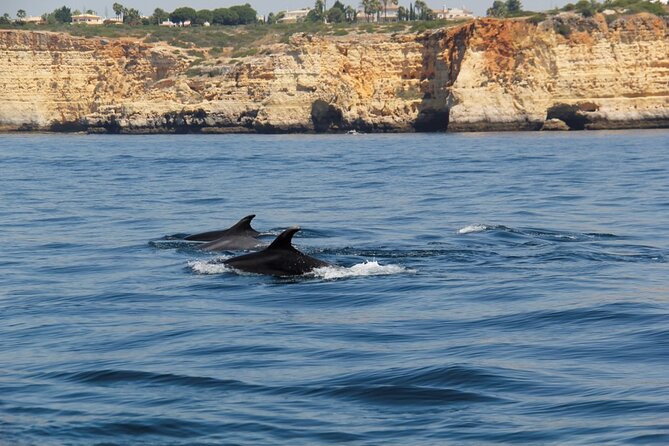
This experience runs about 1 hour 30 minutes. There aren’t multiple land stops or a long route through towns. The “itinerary” is basically a loop around the main action: get offshore, search with the guide, watch what shows up, and return to Lagos.
Here’s what that timing means for you:
- You want to be ready right at departure, because once you’re moving out, you’re already in the search window.
- When dolphins show up, you’ll feel the excitement quickly—because you don’t have hours to wait out a single patch of sea.
- If sightings are slow, the trip can still feel long on the water without a repeat encounter.
That’s the trade-off of a shorter cruise. A longer day increases odds, but this one is designed for energy and focus: get you out fast, keep you engaged, and bring you back in time to enjoy the rest of your day in Lagos.
Comfort and practical tips: how to spot more (and enjoy the ride)
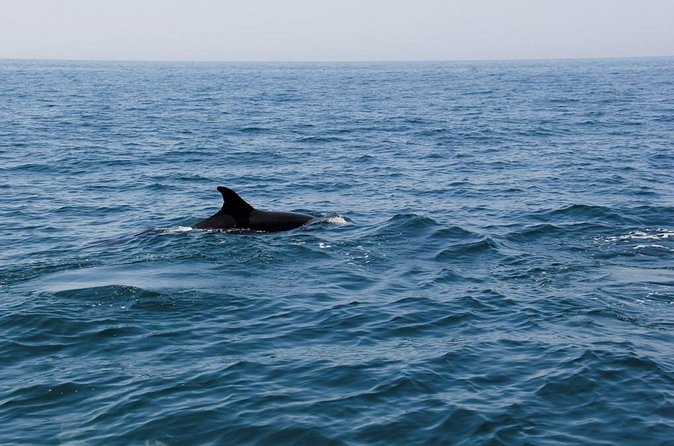
To get the most out of this kind of tour, I’d pack for motion and unpredictability.
Bring:
- A camera or phone you can hold securely (and a way to keep it from becoming a “wave victim”)
- Something wind-resistant (the Atlantic can feel cool fast, even when the shore is warmer)
- Sunglasses if you’re sensitive to glare
- Layers for changing weather on the water
On the boat:
- Keep your gaze moving. Dolphins don’t wait for you to finish reading their existence on social media.
- Be ready to shift your stance. If you spot fin movement, you’ll want a quick, stable position.
- If you’re taking photos, remember that the best shots often happen right when you were sure nothing would happen. Stay alert.
And mentally, go in expecting at least one “oh wow” moment, but don’t gamble your mood on a specific number of dolphins. One review highlighted the challenge of photos because dolphins can show up anywhere. That same unpredictability is what keeps the experience feeling real.
Small group dynamics: why max 18 matters on a boat
A maximum of 18 travelers sounds like a small detail, but it affects your experience a lot on a RIB. Smaller groups tend to:
- Reduce crowding around the best sight lines
- Make it easier for the guide to manage where people stand
- Keep communication clear when the guide is calling out direction changes
This matters even more because you’re watching fast-moving wildlife. You need space to turn, look, and react without feeling like you’re in a human traffic jam.
Who this is best for in Lagos (and who might skip it)
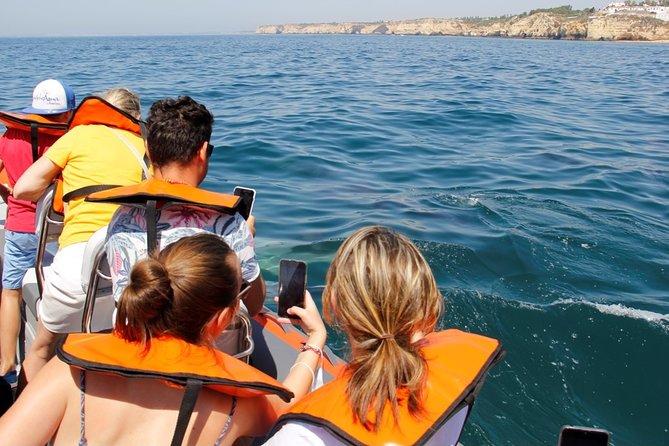
This tour is a great match if you:
- Want a guided wildlife search rather than a self-driven boat day
- Enjoy sea views and can handle boat motion with a good attitude
- Like the idea of seeing cetaceans like common dolphins, bottlenose dolphins, or porpoises in their natural habitat
It may not be the best fit if you:
- Have very young children. It’s not recommended for children under 4 years old
- Don’t feel comfortable with moderate physical activity and movement on a boat
For families, it’s promising. One review described it as a super moment en famille and praised the overall boat experience. Still, with little kids, you’ll want to make sure everyone can manage the motion and wind without a meltdown.
Weather and wildlife reality: managing expectations for a smooth day
This experience requires good weather. If it’s canceled due to poor weather, you’ll be offered a different date or a full refund. That’s important because ocean conditions can directly affect safety and whether the operator feels it’s worth going out.
Then there’s the other kind of reality: wildlife timing. Dolphins and porpoises follow their own schedule. If they aren’t in the viewing area, the guide may reposition to search elsewhere. That can be disappointing on a tough day—as one review described—especially when a short encounter happens and then you spend much of the remainder without more sightings.
To keep the day satisfying even if the ocean plays hard to get:
- Accept that you’re paying for guided chance, not a guaranteed outcome
- Stay flexible about direction changes (the guide’s job is to react)
- Focus on the experience of being out there watching the Atlantic, not just counting animals
Should you book the Dolphin and Whale Watching in Lagos?
I’d book this if you want an energetic, guide-led Atlantic cruise with a solid chance to see multiple types of cetaceans and you’re comfortable with wildlife unpredictability. The best parts—small group size, an experienced crew that tries to find dolphins efficiently, and the overall “this is happening now” feel of a RIB—are exactly what make this tour memorable when the sea life cooperates.
I’d think twice if you’re going with very specific expectations, like needing a long guaranteed sighting time. On a day when dolphins are sparse in the first search area, the experience can feel short and frustrating. It’s still a legit tour, but it’s not a theme park.
If you go in with the right mindset—watch broadly, expect movement, and treat sightings as a lucky bonus—you’re in the right place.
FAQ
Where is the meeting point for the dolphin and whale watching tour?
The tour meets at Passeio dos Descobrimentos 10, 8600-315 Lagos, Portugal.
What time does the tour start?
The start time is 11:30am.
How long is the tour?
The duration is approximately 1 hour 30 minutes.
What boat do you ride on?
You ride on a rigid inflatable boat (RIB) called Aftermath.
Is the tour offered in English?
Yes, the tour is offered in English.
What is the group size limit?
There is a maximum of 18 travelers.
Is this tour suitable for young children?
It is not recommended for children under 4 years old.
What happens if the weather is bad?
If the tour is canceled due to poor weather, you’ll be offered a different date or a full refund.