REVIEW · TROMSO
Whale Watching RIB Boat Tour in Skjervoy from Tromso
Book on Viator →Operated by Green Gold of Norway AS · Bookable on Viator
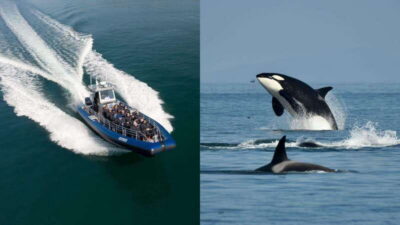
Orcas can feel shockingly close here. This full-day RIB trip from Tromsø to Skjervøy is built around fast water, early mornings, and a small group (max 24) with chances at orcas and humpbacks. You’ll meet a red bus pickup at 5:20am and head out with a crew that keeps the experience moving, with guides such as Andy and Øystein earning plenty of praise.
I especially love the warm flotation suits setup. You’re not just told to be cold-ready—you get the gear (warm suits, boots, mittens) so you can focus on the water instead of fighting hypothermia, and the crew clearly works with respect for the whales’ space.
One real drawback: this is a very cold, very early day. Expect windchill, spray, and a schedule that can feel rushed at the edges when the plan depends on daylight and timing the boat-and-bus rhythm.
In This Review
- Quick hits from the Skjervøy whale watch
- Orca country starts with a strict 5:20am red-bus pickup
- The 4-hour drive to Skjervøy: why timing is everything
- Warm flotation suits and quick prep in Skjervøy
- The RIB ride: adrenaline, spray, and a real whale-search rhythm
- Orcas, humpbacks, and what those sightings look like
- Lunch and breaks: sandwiches plus the reality of a tight schedule
- What to wear: layers aren’t optional, and socks are a big deal
- Price and value: what $365.81 buys you (and what it doesn’t)
- Who should book this Skjervøy RIB tour
- Should you book this whale watch from Tromsø to Skjervøy?
- FAQ
- How long is the whale watching tour from Tromsø to Skjervøy?
- What time does the tour pickup start?
- Where do I meet in Tromsø?
- How many people are on the tour?
- Is the tour offered in English?
- What’s included for food and drinks?
- Is cold-weather gear provided?
- Is the tour suitable for children?
- What happens if the weather is poor?
- What’s the cancellation policy?
Quick hits from the Skjervøy whale watch
- Small group feel (max 24), so you’re not lost in a crowd when the boat lines up for sightings
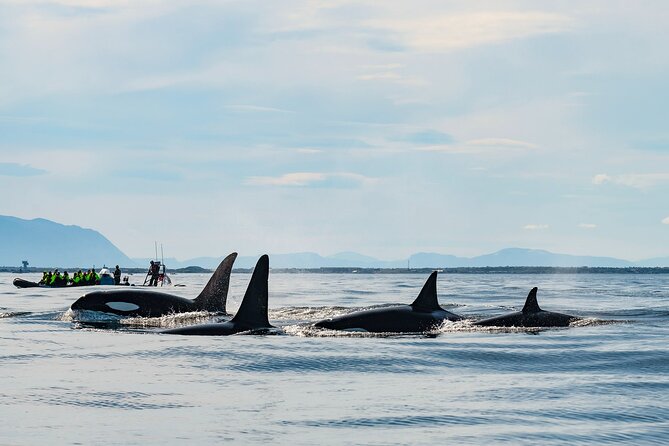
- Orcas and humpbacks are the main targets, with some days including feeding behavior (like herring)
- High-speed RIB thrills plus a long, bumpy, Arctic-wind reality check
- Warm flotation suits, boots, and mittens are included, helping you actually stay out on deck
- Guide-led spotting can be clearer if you position yourself where you can hear and see best
- Start time is strict because there’s limited winter daylight and a long round trip
Orca country starts with a strict 5:20am red-bus pickup
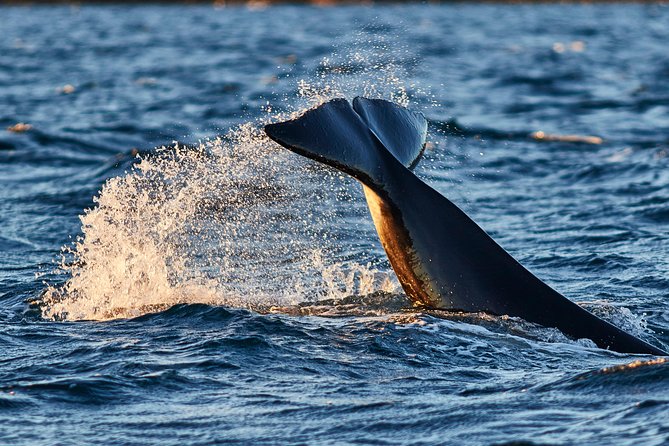
The day begins early: pickup is listed for 05:20am at Samuel Arnesens gate 5 (with activity start time noted as 5:30am). The bus you want is the red one standing behind the Magic Ice Bar Tromsø building (ground floor). This matters because the whole schedule is built around being on the water with the best conditions—especially in winter when daylight is short.
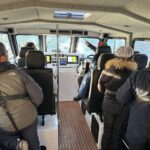
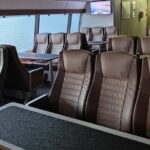
Once you’re on board, you’ll settle in for a long drive from Tromsø to Skjervøy. In practical terms, this tour is less about a quick boat ride out and back, and more about a managed expedition: transportation, gear, RIB time, and then a return that still has to meet ferry timing. If you hate early alarms, this is your warning label.
The good news? The small group size and the included gear make that early start feel purposeful instead of chaotic. You’re not paying for a vague promise—you’re paying for a full system that gets you to whale habitat and gives you a real chance to watch behavior up close.
You can also read our reviews of more tours and experiences in Tromso.
The 4-hour drive to Skjervøy: why timing is everything
You’ll spend roughly four hours driving each direction (one-way is described as about 4 hours), with the total day running about 12 hours. That’s a lot of hours for one whale session, but it also explains why this tour can feel so intense: you’re going far enough that whales become a realistic possibility, not a casual hope.
This distance also explains the pace. The tour is designed to maximize time on the water, and that means minimal slack for delays. Even road or transit hold-ups can push the whole day, because your RIB spotting window is tied to weather and daylight. One thing I’d treat as non-negotiable: show up early, find the red bus fast, and get your layers sorted before you’re asked to suit up.
If you’re thinking, I’ll just relax on the drive, keep one eye on your “day plan brain.” You may be doing a quick gear change later, and cold-water tours punish small mistakes—like wearing the wrong socks or forgetting an extra layer for the return ride.
Warm flotation suits and quick prep in Skjervøy
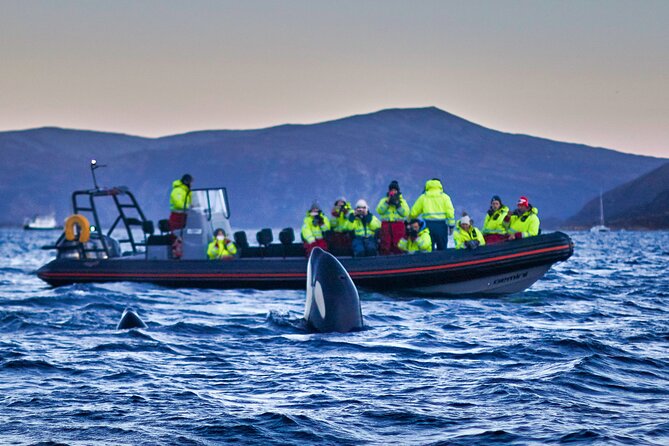
When you arrive at Skjervøy, you’ll get warm flotation suits, boots, and mittens. That’s a big deal in Arctic whale watching because your main enemy isn’t just cold air—it’s windchill while you’re moving fast and getting splashed on a RIB. With the right gear provided, you can keep your attention on the whales instead of adjusting your clothing every five minutes.
This is also where I’d be a little picky about fit. Some people have reported that not everyone had attire that fit perfectly, and that can affect visibility and comfort when you’re watching from a speeding boat in winter gear. My practical advice: before you step on, check your mittens, confirm your boots aren’t slipping, and make sure your layers don’t bunch up where they’ll restrict movement.
Pacing is part of the deal here. You may feel like the operator “hurries you through” setup and then moves you quickly back to the bus afterward. That can be frustrating if you want long introductions or lots of slow explanations. The tradeoff is more time on the water when whale sightings happen.
The RIB ride: adrenaline, spray, and a real whale-search rhythm
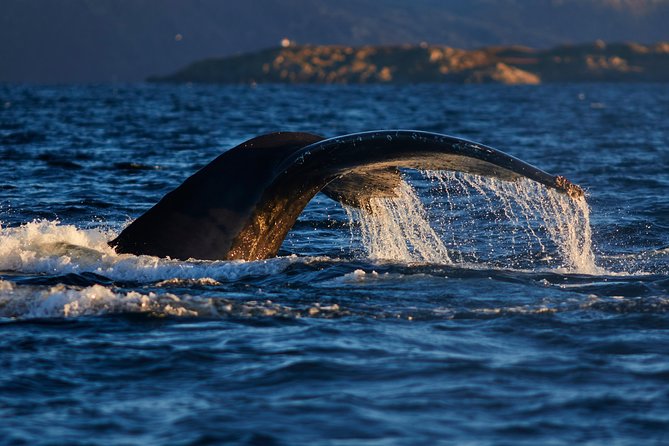
The heart of the experience is the RIB-boat whale watching excursion from Skjervøy. Expect speed, wind, and open-water exposure. Even with provided gear, several experiences mention that it’s extremely cold and that you will get wet—wind and splashes find gaps. The boat itself is part of the fun: it feels like an adventure, and the adrenaline can make the whale time feel even more electric.
The guiding style you experience can depend on where you stand or sit. Some people felt the whale activity was more focused on one side of the boat, and that the whale spotting information may be clearer closer to the front. If you want the best chance of catching every clue, aim for a spot that gives you a clean view and easy hearing for the guide’s cues.
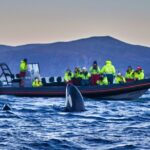
How close is close? Based on what people have described, the boat can get very near to orcas and humpbacks, including moments with pods feeding at the surface. The key is that sightings are never guaranteed—your best “strategy” is to be ready, be warm enough to stay alert, and accept that the crew will reposition fast when whales show up.
And yes, there can be interruptions. One account included a pause when a person lost glasses, which shows how carefully the day can shift from minute to minute. That’s not a sign of poor operation—it’s what happens when the environment is unforgiving and everyone is bundled up for visibility.
Orcas, humpbacks, and what those sightings look like
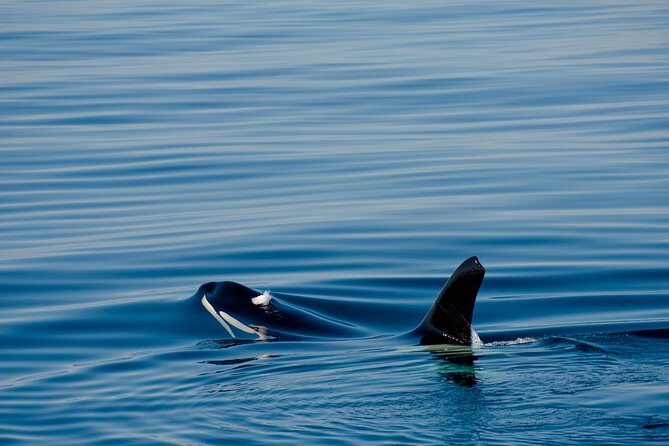
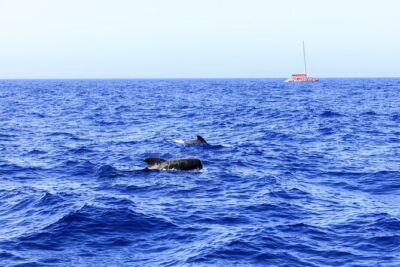
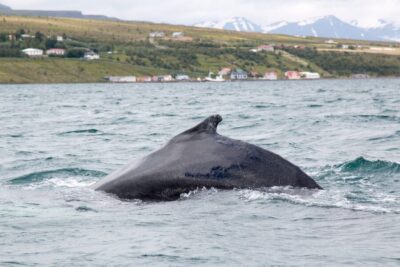
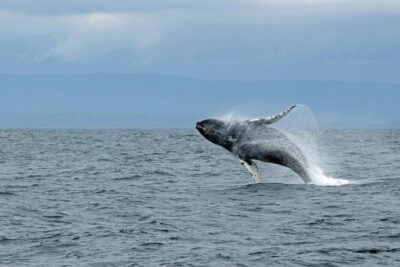
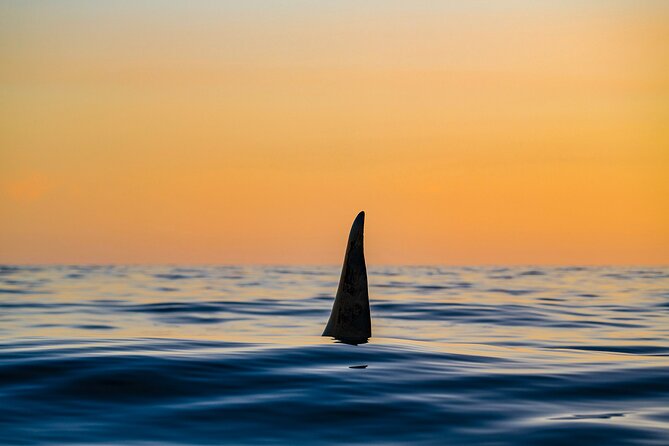
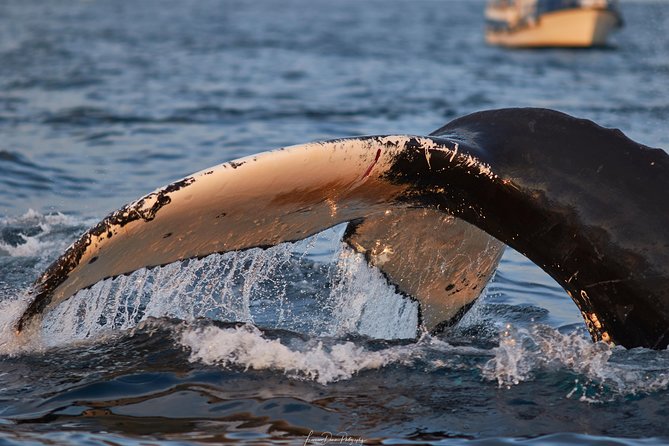
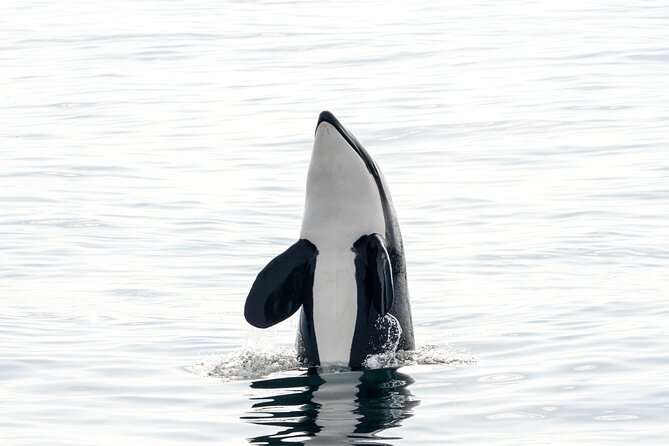
Orcas and humpback whales are the headline targets, and many people come away feeling that the sightings were a standout part of their Arctic trip. Several accounts highlight multiple orca pods and sightings of humpbacks at the surface, sometimes with behavior that looked like feeding or resting rather than just a quick pass.
Some days bring extras. Fin whales and minke whales were mentioned by people who did this trip, which suggests the crew is scanning widely when conditions allow. There were also sightings that included orcas feeding on herring, and even seagulls showing up at the action. That’s the kind of “you’re watching a food chain” moment that makes whale watching in Northern Norway so addictive.
The crew’s respect for whales shows up in how sightings are handled. People commonly praised the way the guides steered for good viewing without acting like the ocean is a theme park. From a viewer’s perspective, that approach also helps: you get time to watch behavior instead of just chasing a brief surfacing.
Bottom line: your chance improves when you treat this like an expedition day. Dress for cold exposure, trust the crew’s timing, and be patient when the boat turns or changes position fast.


Lunch and breaks: sandwiches plus the reality of a tight schedule
You’ll be offered sandwiches, tea, and coffee, plus snacks during the day. That’s part of what makes long tours in winter survivable: you’re moving, you’re cold, and you need calories without stopping for a restaurant detour.
The “boxed lunch” style here can be more practical than romantic. People mention that you might be given food to go and that the whole process can feel quick—especially at the transition back to the bus. In an ideal world, you’d want a long sit-down meal. In this world, you’re trading that for time on the water and for meeting ferry timing back to Tromsø.
One practical note: a few accounts mention limited chances to warm up after the boat. If you’re someone who runs cold in your hands and face, plan to rely on your layers and gear rather than expecting a comfy indoor break the moment you return.
What to wear: layers aren’t optional, and socks are a big deal
This is not a light jacket day. Even with the included flotation suit and mittens, the windchill on a fast RIB can be brutal. People repeatedly stress layering, and a strong theme is that the face and extremities take the hit first.
Here’s the practical packing mindset I’d use:
- Bring many warm layers, not just one bulky coat
- Protect fingers and toes with warm liners and proper insulation (mittens alone may not be enough for some people)
- Use waterproof socks for extreme cold, and consider glove liners to improve warmth
- Expect splashes, so think backup clothing for the bus ride home
If you want one “do this” tip that comes up again and again: make sure your gloves and mittens truly work with your layers. In winter gear, a small gap between insulation and skin can turn a fun hour into a painful one.
Also consider eyewear. Some people recommend goggles (or at least eye protection) because wind and spray happen. Even if it’s not explicitly guaranteed, preparing for visibility challenges is smart in Arctic conditions.
Price and value: what $365.81 buys you (and what it doesn’t)
At $365.81 per person, this tour isn’t cheap. But the value story is pretty clear: you’re paying for round-trip transportation between Tromsø and Skjervøy, a dedicated whale watching excursion by RIB, an English-speaking guide/skipper, and cold-weather gear (warm flotation suits, boots, mittens), along with sandwiches and drinks.
What you don’t get at that price is a relaxed, slow-paced day. The schedule is strict, the start time is early, and the boat time is tied to visibility and weather. If you want a leisurely itinerary with long breaks, you may feel the “get moving” style more than you like.
Also, nature is nature. Even on strong days, the whales aren’t in a controlled theater. The best you can do is maximize comfort so you can stay focused. When people say the trip is worth it, it’s because they saw orcas (often more than once) and/or humpbacks up close, with guides guiding the search responsibly.
Who should book this Skjervøy RIB tour
This one fits best if you:
- Want a high-energy RIB whale watching experience rather than a calm cruise
- Can handle a moderate physical fitness level and a long day with early pickup
- Are comfortable with cold exposure and possible wet conditions
- Really care about whale spotting and can commit to the timing
It’s not recommended for kids under 10 years, and there’s a minimum height requirement of 140 cm. Service animals are allowed, and the meeting point is described as near public transportation, which helps logistics once you’re in Tromsø.
If you’re traveling solo and want maximum warmth from staff and slower pacing, you might find the day less personal than you’d like. Some accounts mention staff who were friendly and competent, but not always the most talkative during transitions. Still, the on-water job gets done—especially when the whales show up.
Should you book this whale watch from Tromsø to Skjervøy?
If your dream is orcas and humpbacks in Northern Norway, and you can handle the cold, I’d say this is a very solid choice. The tour’s biggest strength is the full package: small group size, included cold gear, RIB spotting time, and guidance focused on finding whales—not just getting you onto a boat.
I’d think twice if you:
- Hate very early mornings
- Get miserable when you get wet and windy
- Want lots of warm-up time and a slow, chatty pace
For the right traveler, this is one of those days you’ll remember long after the cold fades: a speed boat, whale behavior at close range, and guides who keep you positioned when the ocean delivers.
FAQ
How long is the whale watching tour from Tromsø to Skjervøy?
The tour runs about 12 hours (approx.).
What time does the tour pickup start?
Pickup is listed for 05:20am, with a start time of 5:30am.
Where do I meet in Tromsø?
You meet at Samuel Arnesens gate 5, 9008 Tromsø. The red bus is behind the Magic Ice Bar Tromsø building (ground floor).
How many people are on the tour?
The maximum group size is 24 travelers.
Is the tour offered in English?
Yes, the tour is offered in English.
What’s included for food and drinks?
The tour includes sandwiches, tea, and coffee, plus snacks.
Is cold-weather gear provided?
Yes. You’ll receive warm flotation suits, boots, and mittens.
Is the tour suitable for children?
It’s not recommended for children under 10 years old, and there is a minimum height requirement of 140 cm.
What happens if the weather is poor?
This excursion requires good weather. If it’s canceled due to poor weather, you’ll be offered a different date or a full refund.
What’s the cancellation policy?
You can cancel for a full refund up to 24 hours in advance of the experience start time. If you cancel less than 24 hours before, the amount paid will not be refunded.