REVIEW · WASHINGTON
Guaranteed Whale Watch Tour from Anacortes
Book on Viator →Operated by Island Adventures · Bookable on Viator
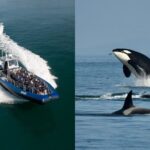
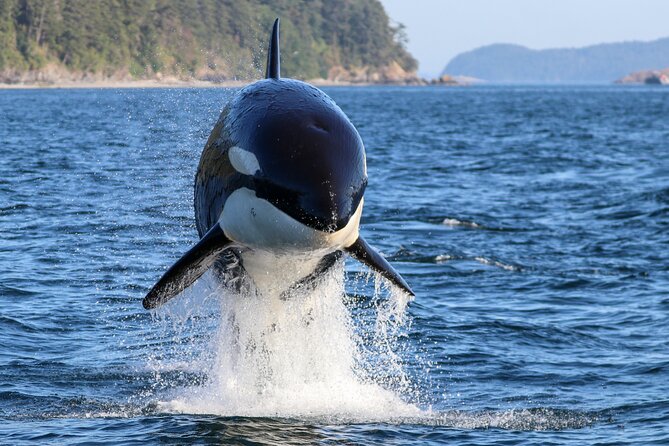
Orcas put on a show in the Salish Sea. This guaranteed-style whale watching trip runs out of Anacortes without a ferry and heads into some of the best water on the planet for orcas and other whales.
I like the easy logistics first: you start at 712 Seafarers Way, board the Island Explorer 5, and spend about 3 hours 30 minutes cruising and scanning. A second favorite is the boat setup—there are three viewing levels plus indoor and outdoor space, so you can stay comfortable while still keeping your eyes on the water.
The main thing to consider is that it’s still the wild. Even with an aggressive search, you can get a day with fewer whale sightings or whales that don’t surface long enough to really sink in—so bring patience and basic tools like binoculars.
In This Review
- Key things to know before you go
- Anacortes makes whale watching feel effortless
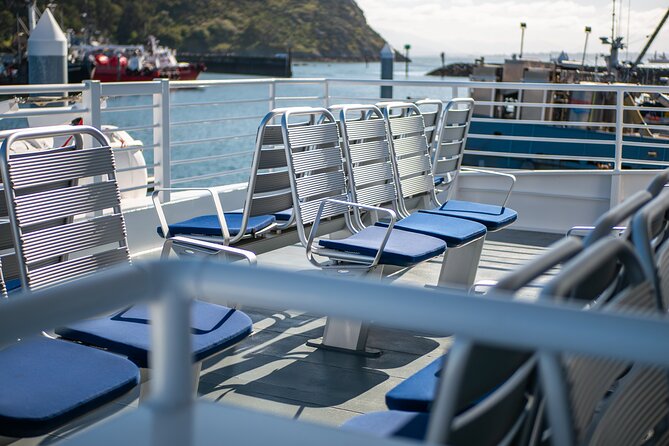
- Island Explorer 5: three levels, stable ride, real viewing space
- What you might see: orcas first, then the rest of the marine menu
- How the 3.5-hour run actually works in real time
- Naturalists on board: explanations you can use while you watch
- Price and value: $119 for a wildlife-focused day
- Booking and timing: how to plan without getting stressed
- Tips that improve your odds of having a great day
- Who this tour fits best
- Should you book this guaranteed-style whale watch?
- FAQ
- Where does the tour start?
- How long is the whale watch tour?
- How much does it cost?
- What’s the maximum group size?
- What wildlife and whale species are possible?
- Is there free cancellation?
Key things to know before you go
- Anacortes base, no ferry: A simple starting point that’s about a 90-mile drive from downtown Seattle.
- Island Explorer 5 comfort for spotting: A 98-ft catamaran with indoor/outdoor viewing on three levels.
- A real search in the water: The average tour covers about 60 miles while the crew looks for whales and other wildlife.
- Year-round orcas and multiple whale species: Bigg’s killer whales are the headline, with humpbacks, minke, and gray whales also possible.
- More than whales: Expect a chance to see seals, sea lions, porpoise, bald eagles, and seabirds.
- Your best viewing tool is you: Be on time, get your bearings early, and bring binoculars.
Anacortes makes whale watching feel effortless
Anacortes is one of those Washington towns that turns a long day into a doable day. You’re not dealing with ferry schedules. Instead, you’re starting from 712 Seafarers Way and heading out from a region known for calm, whale-friendly viewing near the San Juan Islands.
I also appreciate the sheer “ready-to-watch” vibe. This tour is designed around spotting marine life, not just getting you on a boat. From the moment you board, you’re oriented toward scanning the water, and the vessel is built to keep sightlines clear. That matters because whale watching is half timing, half attention.
One more practical point: this is run by Island Adventures, which has been operating whale tours from Anacortes since 1996. That longevity doesn’t guarantee whales, but it does signal that they’ve learned how to run a boat efficiently in this part of the Salish Sea—and how to keep a wildlife day organized.
You can also read our reviews of more tours and experiences in Washington.
Island Explorer 5: three levels, stable ride, real viewing space
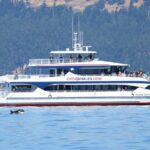
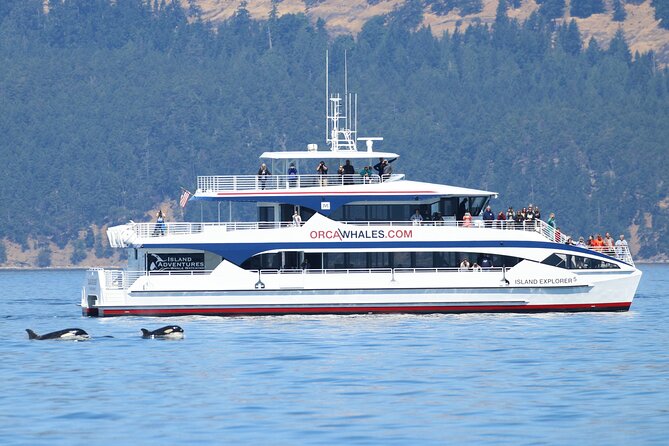
The Island Explorer 5 is a 98-ft catamaran, and the stability is a big deal on a wildlife tour. When you’re trying to read the ocean—pacing, surfacing, blow direction, and the way pods move—your own comfort helps you focus.
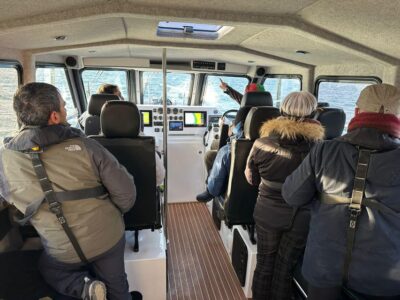
On board, the structure is built for viewing:
- Three viewing levels let you spread out instead of everyone crowding one spot.
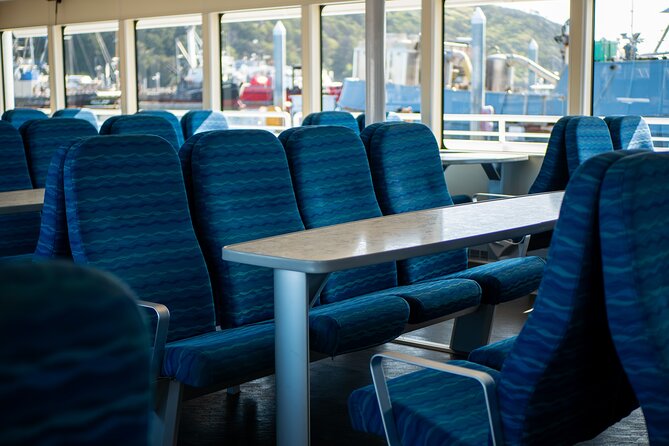
- There’s indoor viewing and outdoor viewing, so you can choose what feels right when the wind changes.
- The boat stays organized, which helps if you’re the type who wants to settle in and not play musical chairs all trip.
From the feedback people leave, the “find your spot early” habit really pays off. The best advice is to board on time and settle inside before you wander. That way, you’re not stuck later when animals appear and you’re still relocating.
If you’re thinking of bringing binoculars, this is one of those tours where it makes sense. You may see activity farther out than your naked-eye range, and quick scanning with binoculars can turn a vague moment into a clear one.
What you might see: orcas first, then the rest of the marine menu
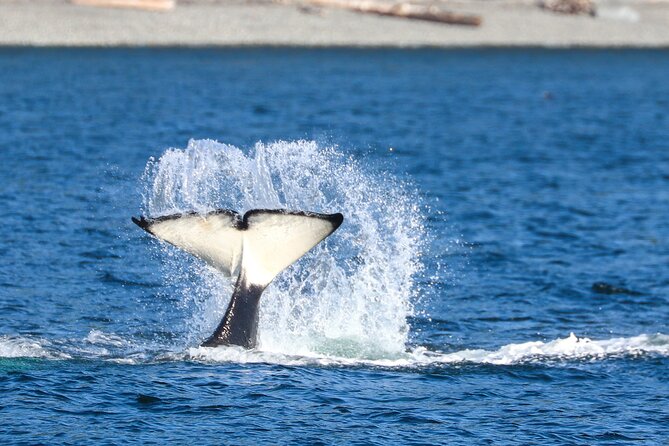
Bigg’s killer whales (often called orcas) are the reason most people book. The Salish Sea is a strong place for them, and the tour’s pitch is aimed directly at consistent orca viewing. That includes a real chance to see the way pods surface, glide, and coordinate movement—those moments that feel almost too calm for something this powerful.
Other whales can show up too:
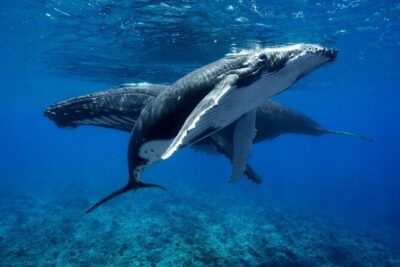
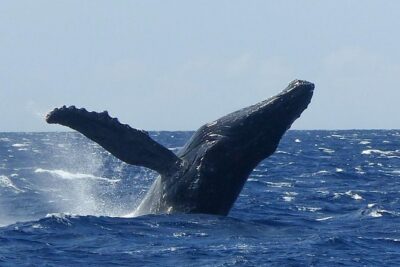
- Humpback whales
- Minke whales
- Gray whales
The tour notes also point out that different species move in and out day to day, which is why “guaranteed” still has to be treated like “operator effort meets real ocean timing.” You’re not just watching; you’re searching.
There’s also a helpful seasonal clue for October: the tour says you have potential to see up to three species then—Bigg’s killer whales, humpback whales, and minke whales. That doesn’t promise all three, but it’s a good planning anchor if you’re traveling in that month.
And whales aren’t the only target. You can also spot:
- Harbor seals and sea lions
- Dall’s and harbor porpoise
- Bald eagles and other seabirds
This is why the best days feel rich even if the whales don’t park next to the boat for long. The ecosystem is working constantly, so your attention stays rewarded.
How the 3.5-hour run actually works in real time
This trip runs about 3 hours 30 minutes. The operator describes an average route covering around 60 miles, which tells you two things: you’ll have real time on the water, and you’re not just doing a short loop near the dock.
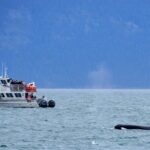
In practice, whale watching like this is a moving search. The boat travels through scenic areas while the naturalist guides and crew look for signs—surfacing patterns, spouts, and movement on the water. When whales are found, the goal is to give you workable viewing time from the best part of the boat.
Because the tour is built for scanning from multiple decks, you’re not stuck with one view. If one level is crowded or the angle isn’t great, you can shift while still keeping eyes on the water. Just remember the earlier advice: start out settled so you’re not moving around during the first real sighting window.
Also keep in mind the experience maximum: the tour caps at 150 travelers. That’s big enough for a lively day, but still small enough that the boat layout and viewing levels can function as intended.
Naturalists on board: explanations you can use while you watch
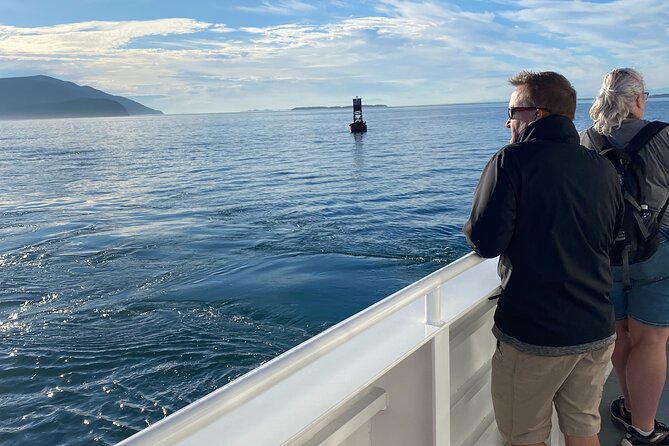
The biggest value on this trip isn’t only the wildlife—it’s the way you learn while you watch. The naturalist guides are trained to point out what you’re seeing and connect it to how marine life fits into the wider ecosystem.
In the feedback, one theme keeps showing up: the crew works hard to find whales and does a strong job explaining what you’re seeing when they do. That matters because it turns the moment from a random splash into something you can interpret.
For example, when orcas are spotted, the guides focus on pods and behaviors—how whales move, what they’re doing, and how they interact with the ecosystem. When you understand the basic behavior, you’re less likely to miss details. You also get a better sense of why the boat keeps traveling: the point isn’t just to be on the water, it’s to locate animals and then help you watch them effectively.
Price and value: $119 for a wildlife-focused day
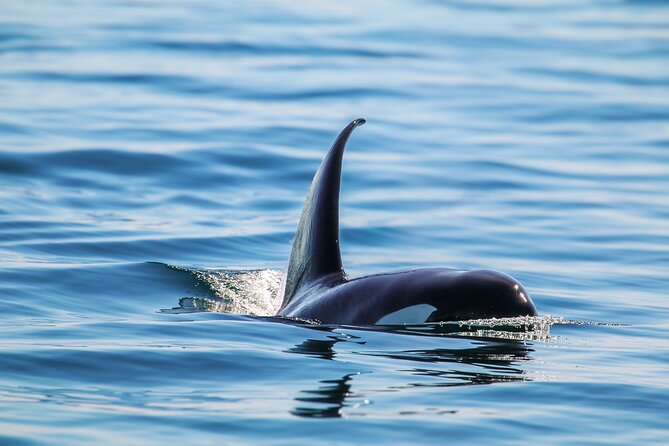
At $119 per person, you’re paying for a dedicated wildlife search, a specialized boat experience, and trained naturalist guidance. In other words, this isn’t a casual harbor cruise price.
Where the value gets clearer is in what’s included:
- You get a full 3.5-hour outing on the Island Explorer 5.
- You’re not just passively riding; you’re actively searching across an area (average 60 miles).
- There are indoor and outdoor viewing options plus three levels, which is a big deal if weather shifts.
- The tour covers more than whales, so your odds of seeing something interesting don’t rest entirely on one animal.
One more value angle: this tour is capped at 150 travelers and sold in advance (it’s often booked about 34 days ahead on average). That usually indicates decent demand, which can help the operator run a smooth day—less chaos, more focus on the search.
If whale watching is a priority for your Northwest trip, I think this price is reasonable because you’re getting a day designed around wildlife viewing, not a one-off excursion.
Booking and timing: how to plan without getting stressed
You’ll receive confirmation within 48 hours of booking, subject to availability. Since this activity can depend on weather, it’s smart to plan with some flexibility.
Weather is also part of the reason you might see trip changes. The operator says this experience requires good weather. If cancellation happens due to poor conditions, you’ll be offered a different date or a full refund. That reduces the risk of getting stuck with an unworkable day.
On timing, there’s no promise of a perfect season. One common misconception is that there’s a single best month where whales always show. The operator’s position is basically the opposite: whale watching in the wild means daily variation, and there isn’t one guaranteed sweet spot.
Still, you can choose your month with strategy. If you’re traveling in October, you have that extra clue about potential species variety (Bigg’s killer whales, humpback whales, and minke whales). If you’re flexible, you’re also more likely to catch conditions that are good for spotting.
Tips that improve your odds of having a great day
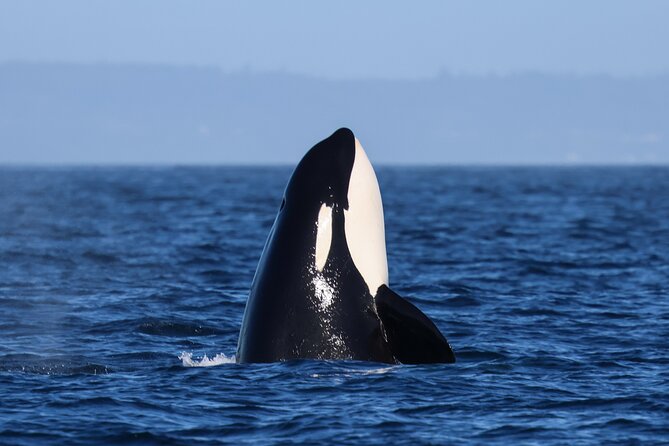
You don’t control where whales surface, but you can control how ready you are when they show.
Here’s what I’d do based on practical on-board advice:
- Arrive early and be on time. There’s a simple reason: once the boat is moving and whales are active, you want to be in a viewing position, not still wandering around.
- Settle inside first if you need it. If you step around constantly early on, you can lose your place when you actually need your eyes pointed out.
- Bring binoculars. This is the easiest upgrade you can make. Even if you have a great viewing deck, marine life can be farther out than expected.
- Check the whale report if it’s available on their site. That helps you see the kind of activity they’re currently seeing, which can help you decide what to expect that day.
Also, be aware of physical requirements: guests are required to board the vessel under their own power. Service animals are allowed, and most travelers can participate, so if you’re traveling with mobility considerations, it’s worth planning your boarding steps ahead of time.
Who this tour fits best
This is a great pick if you:
- Want a structured, wildlife-first day with naturalist guidance
- Care most about orcas and secondarily about other whales and marine life
- Appreciate a stable catamaran with multiple places to watch
- Like the idea of an active search across about 60 miles rather than a short, static sightseeing cruise
It’s also a good match if you’re traveling with mixed interests. Not everyone needs the exact same animal for the day to feel successful, because seals, porpoise, seabirds, and eagles can all add up to a rewarding outing.
Should you book this guaranteed-style whale watch?
If you want a serious chance at Bigg’s killer whales without extra ferry logistics, I think this is a smart booking. The combination of a dedicated vessel (Island Explorer 5), multiple viewing levels, and naturalist-led spotting makes this feel like a true wildlife day.
The only reason I’d hesitate is if you’re the type who needs certainty. The ocean can be unpredictable. Even with a high success rate the operator says they have, a whale-watching trip can still end with fewer moments than you hoped—especially if animals don’t surface long or close.
If you can handle that reality and you’re prepared with binoculars and good timing, you’re set up for a memorable Salish Sea experience.
FAQ
Where does the tour start?
The meeting point is 712 Seafarers Way, Anacortes, WA 98221, USA. The tour ends back at the meeting point.
How long is the whale watch tour?
The duration is approximately 3 hours 30 minutes.
How much does it cost?
The price is $119.00 per person.
What’s the maximum group size?
This tour/activity has a maximum of 150 travelers.
What wildlife and whale species are possible?
The tour highlights Bigg’s killer whales (orcas), humpback whales, minke whales, and gray whales. You may also see harbor seals, sea lions, Dall’s and harbor porpoise, bald eagles, and many types of sea birds.
Is there free cancellation?
Yes. You can cancel up to 24 hours in advance for a full refund. If you cancel less than 24 hours before the start time, the amount you paid will not be refunded.