REVIEW · TROMSO
Tromsø: Orca and Whale Watching comfort heated boat Trip
Book on GetYourGuide →Operated by Skua Nature Group · Bookable on GetYourGuide
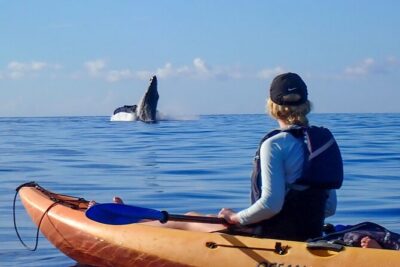
Tromsø’s whale country feels close on a heated boat. You’ll ride out to Skjervøy on a covered, heated vessel built for real Arctic comfort, then hunt for orcas and whales with photo-focused guidance from the crew (including English/Italian support and tips that help you aim faster). The best part is that this feels designed for getting usable shots, not just taking pictures from far away.
The one thing to plan around is the long day. With about 4 hours each way by bus and a 3-hour whale-watching window in Skjervøy, you’ll want weather-wise clothing in your camera bag and patience for wildlife timing.
In This Review
- Key things to know before you go
- Why this orca safari works (especially for photographers)
- The full day plan from Tromsø to Skjervøy (and where time really goes)
- The heated boat setup: comfort, stability, and shooting from the deck
- Who’s actually running the search: captain, guide, and how they help you see more
- Wildlife you’re aiming for in the Barents Sea
- Comfort details that make the long day easier
- Price and value: what you’re really paying for
- Practical tips to help you get better shots
- Should you book the Tromsø Orca and Whale Watching heated boat trip?
- FAQ
- FAQ
- How long is the trip?
- Where do I start in Tromsø?
- How do I find the departure point in Skjervøy?
- What language is the tour guide available in?
- What animals are you hoping to see?
- Is the boat heated?
- What should I bring for wildlife photography?
- Is this tour suitable for children or pregnant women?
Key things to know before you go
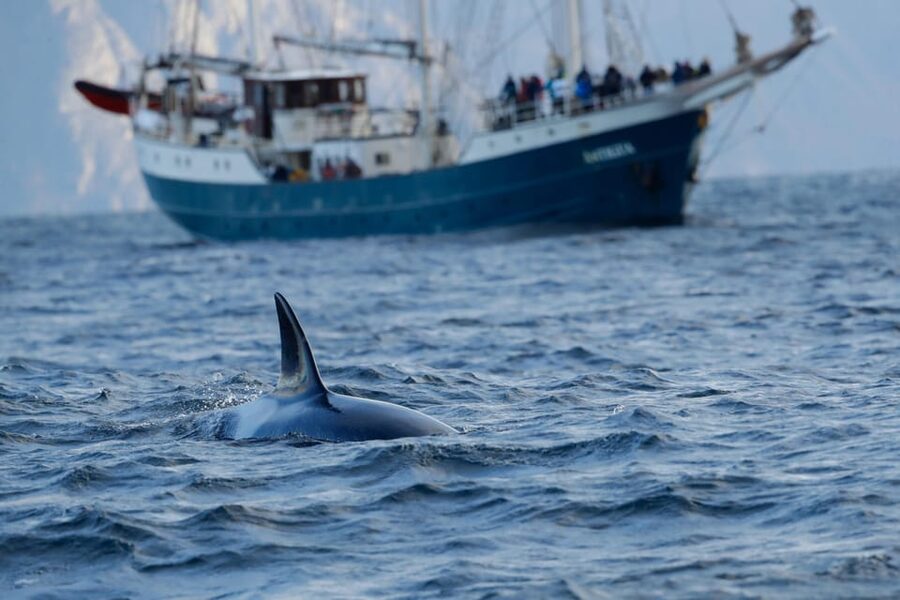
- Heated, covered boat with an outdoor terrace so you can shoot without frostbite planning
- Small group of 12 for a calmer search and less crowding on the viewing deck
- Wildlife guide + captain team that talks behavior and helps you position for sightings
- Photography support including direction guidance when whales surface
- Underwater camera setup for a closer look at life below the surface
- Hot drinks onboard so you can stay in the moment longer
Why this orca safari works (especially for photographers)
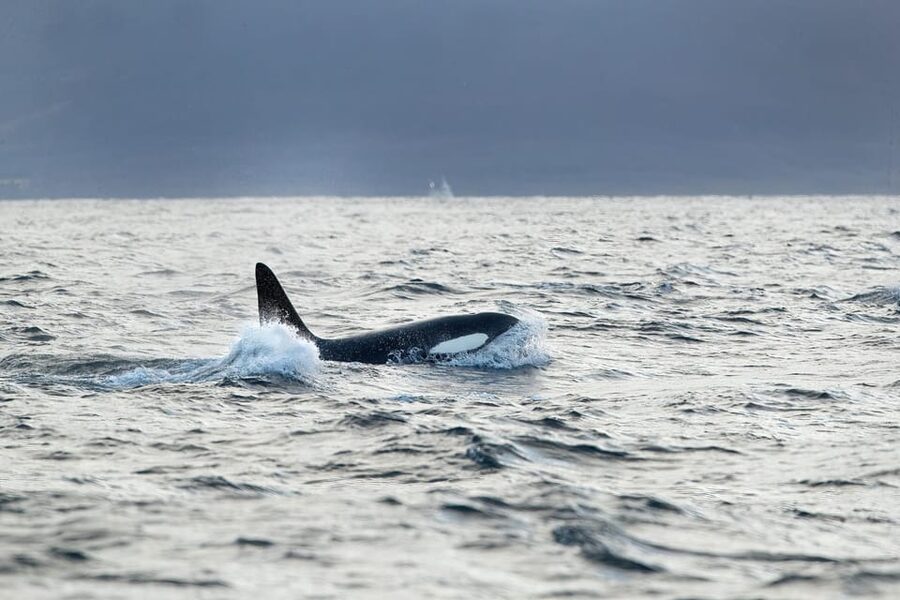
This is a Tromsø whale-watching day trip built around two things: comfort and control. The boat is covered and heated, with far better stability than the bouncier speed-boat style you might see elsewhere in the Arctic. Translation: when waves pick up (as they often do), you still have a stable platform to watch, film, and photograph.
The other smart move is the focus on photography. You’re not just pointed toward water and told good luck. The crew offers practical camera advice and real-time help—like where animals are moving and how to angle your shots when they come up. If you’ve ever missed the moment because you were fiddling with settings, this kind of guidance matters.
You’ll also spend a chunk of the day with a nature guide who explains what you’re seeing: behavior, habitat, and what to watch for as the search continues. That turns random sightings into a story you can actually understand—why the animals are where they are, and what their surface activity might mean.
One more detail I like: this boat is designed for more than just surface spotting. It includes ways to look into what’s going on underwater, and you can even listen for calls while you’re out there. It makes the whole experience feel more complete, even when the weather keeps moving the goalposts.
You can also read our reviews of more tours and experiences in Tromso.
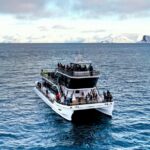
The full day plan from Tromsø to Skjervøy (and where time really goes)
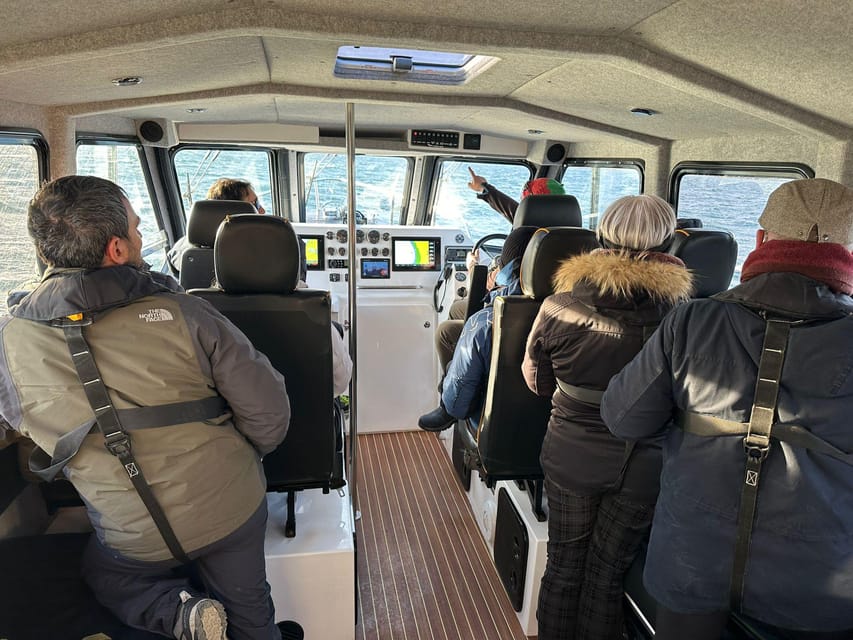
The itinerary is long by design: it’s about reaching the whale and orca waters quickly, then maximizing time on the water.
You start at Samuel Arnesens gate 5 in Tromsø. The meeting point is the RED bus (Arctic Route) leaving from the bus platforms at the Bus Terminal Prostneset. You’re looking for the banner that indicates the Whale Route Skjervøy. The bus includes Wi‑Fi, charging points, and a toilet onboard, which is handy when you’re working on Arctic daylight schedules.
Then comes the heavy part: the outbound transfer takes about 4 hours. During this time, you’ll be moving through Northern Norway by air-conditioned bus. This isn’t wasted time. It gets you from the Tromsø area to Skjervøy without turning your day into a stressful logistics puzzle, and it gives you time to review your camera gear, charge batteries, and decide what settings you’re likely to use.
Once you arrive in Skjervøy, the whale-watching block is about 3 hours. This is the core experience time. Your boat departs from the pier area—there’s also a specific meeting instruction here: in Skjervøy, the Arctic route bus has two stops, and you should get off at the second stop near Maritim Hotel and Skjervøy Kystrutekai. You’ll then find the Skua Hub departure point at the pier.
After the boat window, you go again: about 4 hours back to Tromsø, returning to the same starting meeting point at Samuel Arnesens gate 5. The long ride means you should treat the day like an all-day outing, not a quick half-day shortcut.
The heated boat setup: comfort, stability, and shooting from the deck
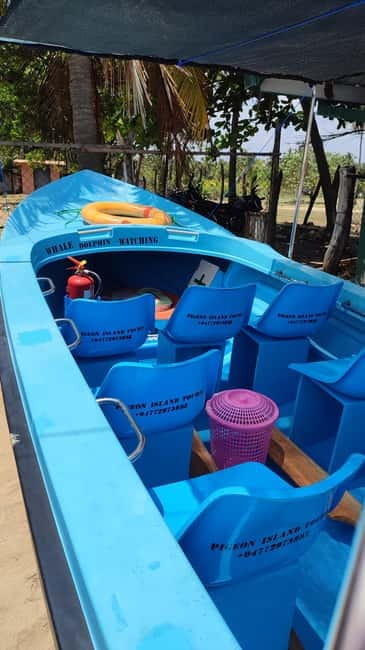
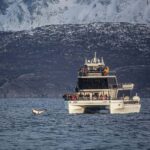
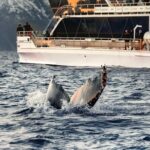
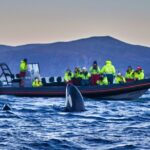
The boat is the heart of why this trip feels different from many Arctic RIB-style whale hunts. It’s covered and heated, with an outdoor terrace for viewing and photography. That matters because cold kills attention. If your fingers are numb, you’ll miss the easy, “just-right” shots when a blow or tail splash happens.
Stability is another big deal. The operator specifically calls out that this vessel offers superior stability compared with traditional RIBs. In practice, that means the horizon stays steadier in your frame and it’s easier to track animals as they move through the water. If you’ve ever tried to pan while the boat throws you around, you know how quickly that ruins a good moment.
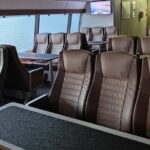
Inside the boat, you can relax in the warm heated cabin when you need a break. There’s also a toilet onboard, which makes longer time on the water more realistic—especially when you’re out for a full search period.
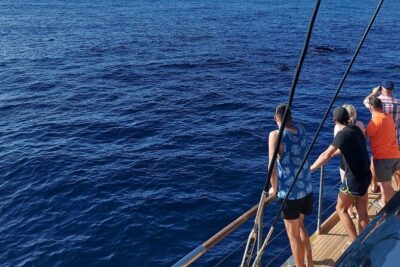
For photography, the key advantage is access. With a spacious outdoor terrace and “unobstructed” views from the deck, you’re not trapped behind glass or limited to a tiny window spot. You can step outside to shoot when action starts, then warm up again when things slow down.
And yes, there’s a practical “Arctic photography” reminder: bring your camera and extra batteries. Cold reduces battery life fast, and nothing is more annoying than having good whale timing with a dead battery.
Who’s actually running the search: captain, guide, and how they help you see more
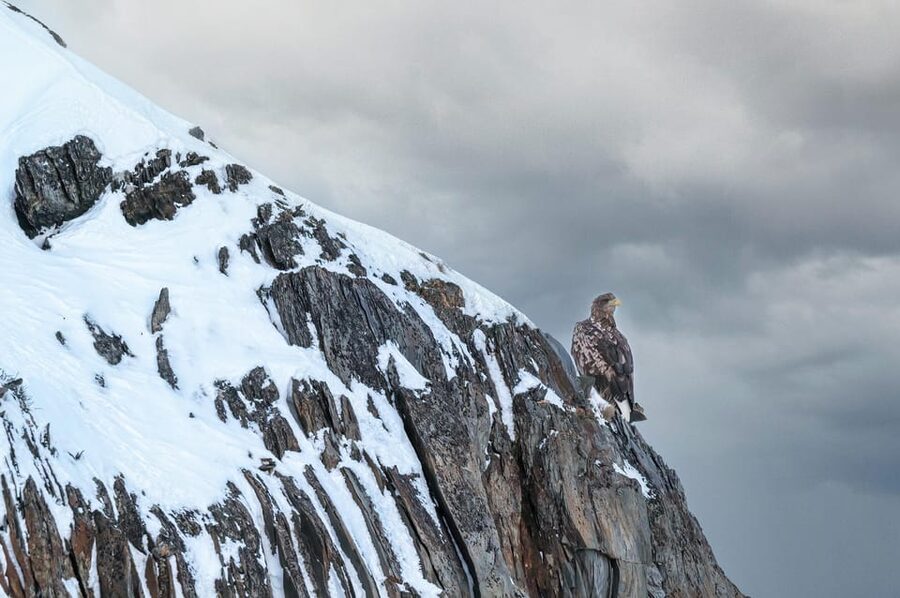
This trip pairs a seasoned captain with an environmental tour guide. You’ll hear wildlife behavior explanations, and you’ll also get help spotting and positioning as the search changes.
From what I’ve seen in the feedback for this kind of trip, the best moments usually come when the crew is reading the water and adjusting the plan fast. Here, you’re set up to benefit from that. The guide’s role isn’t just talking; it’s helping you understand what to look for and where to point your camera.
Names that come up in the experience include Philippe (guide) and Captain Jacob. That personal touch matters in small-group whale watching: you can tell when the crew genuinely cares, and you tend to get clearer instructions when something appears.
One more thing that stands out: the guidance includes ideas like the direction of whales and adjustments to where the boat looks next, especially when conditions aren’t perfect. Wildlife watching isn’t a vending machine. The value here is that the team actively works the situation instead of treating every sighting as luck.
Wildlife you’re aiming for in the Barents Sea
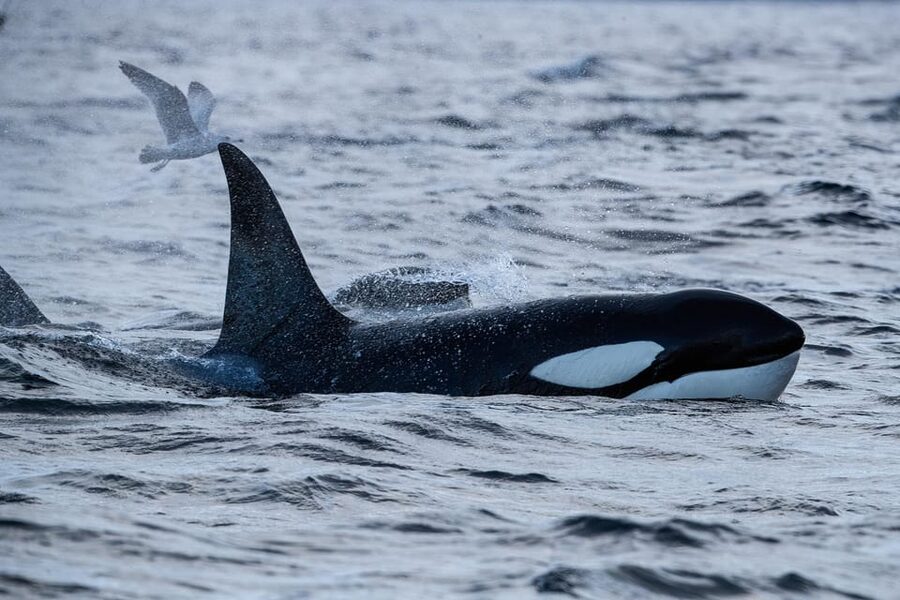
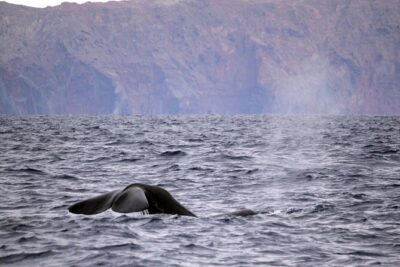
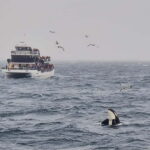
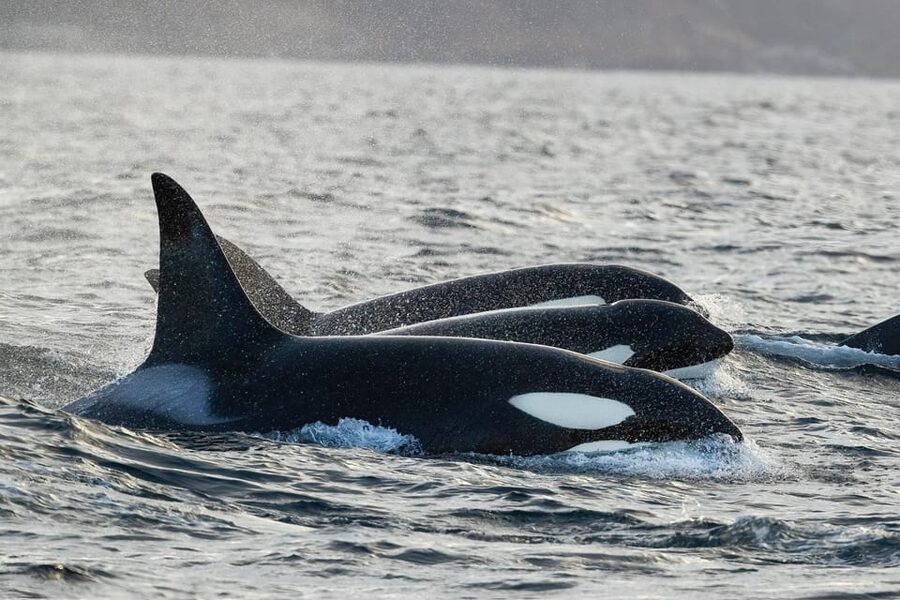
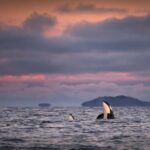
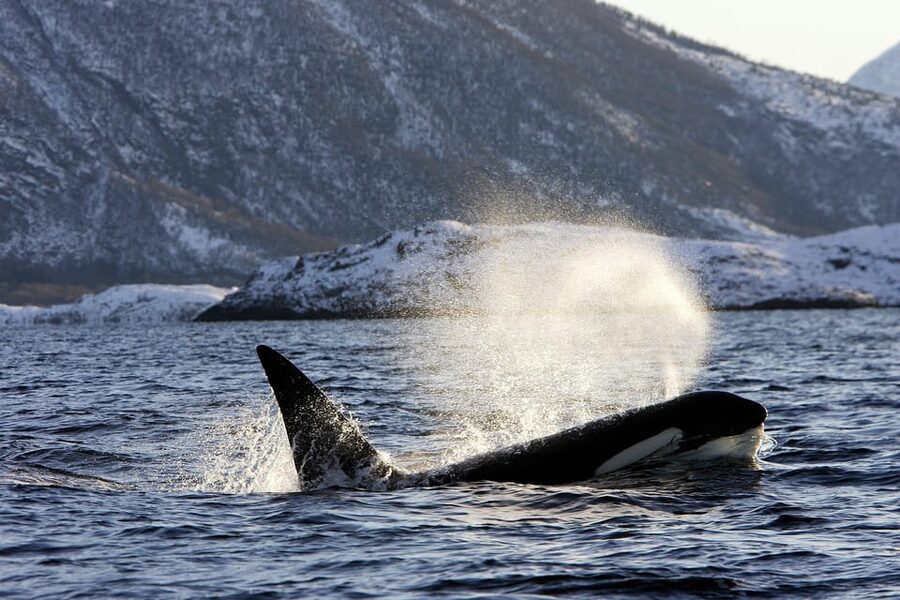
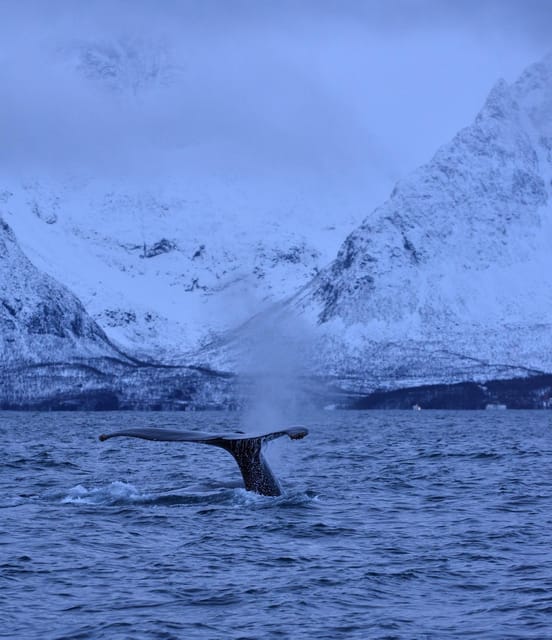
This safari is explicitly designed for orcas and multiple whale species. You’ll have the chance to see:
- Orcas
- Humpback whales
- Minke whales
- Fin whales
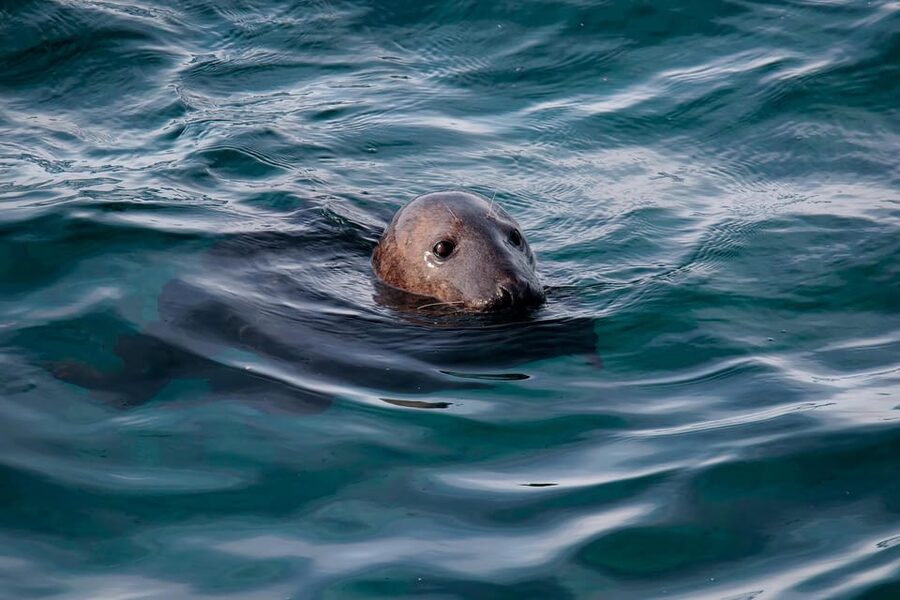
Seeing different species isn’t just variety for variety’s sake. Different whales can show different surface behaviors, which changes what you’ll want to photograph: fast bursts, long surface stays, or repeated surfacing patterns. When the guide explains behavior, you’re more likely to capture the kind of moment you’re actually trying to get.
Also, the underwater setup helps remind you that you’re not only watching “flashes on top.” The crew’s underwater camera perspective gives you a rare look into what’s happening beneath the waves, which makes your day feel richer even if you don’t get perfect clarity in every shot.
And keep expectations grounded: whale sightings are always weather-dependent and movement-dependent. The tour is built to maximize your odds, not guarantee an animal every minute. Still, the combination of heated comfort, expert scanning, and active search changes the odds in a real way.
Comfort details that make the long day easier
This is a 12-hour day. You’ll feel it, especially if you’re used to short city trips. The “comfort engineering” is what makes the schedule doable.
On the bus:
- air-conditioned ride with Wi‑Fi
- USB and charging points
- toilet onboard
- English-speaking drivers
On the boat:
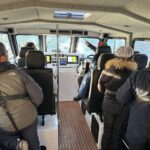
- covered and heated seating/viewing
- outdoor terrace for photos and scanning
- toilet onboard
- hot drinks
These are the kinds of details that don’t sound exciting until you’re halfway through a cold-water search. Hot drinks are a small comfort boost, but they also keep you outside longer when the light and animal activity finally line up.
The small-group format matters too. With up to 12 participants, you’re less likely to feel like you’re squeezed into a single viewing lane. It also makes it easier for the guide to adjust instructions without losing people in a crowd.
Finally, there are a few who should consider skipping this trip. It’s not suitable for children under 6 and not suitable for pregnant women. If either applies, it’s worth looking at options with different boat types or schedules.
Price and value: what you’re really paying for
At $373 per person, this isn’t a bargain-basement wildlife outing. The value isn’t just the word “whale watching.” It’s the package: long-distance transfers, a small group, a heated covered boat, trained guiding, hot drinks, and photography help.
Here’s how I’d judge the value:
- You’re paying for comfort that supports better viewing time. Being warm isn’t luxury; it keeps you attentive and ready.
- You’re paying for expert help that improves your odds of getting useful shots. Camera tips and guidance for where to aim are directly tied to results.
- You’re paying for time efficiency. The bus transfers are built into the plan so you don’t spend your day figuring out how to get there.
If your priority is only “see a whale,” there are often cheaper ways to do it. But if you care about orcas, serious viewing, and photography you can actually use later, this is priced in the lane of “worth it when you get the moments.”
Practical tips to help you get better shots
You’ll have the best chance of coming home happy if you treat this as a camera outing with wildlife unpredictability.
Bring:
- your camera and extra batteries
- a plan for keeping gear dry in Arctic spray
Use the crew’s tips:
- when the guide suggests where to look, switch to tracking mode fast
- when whales surface, anticipate the timing—don’t stay too slow on setup
Also, plan for comfort:
- use the warm cabin when action slows
- then go back outside for surface moments when you see the crew shift attention
Even when weather isn’t perfect, the boat design and guidance help you keep moving with the hunt. That’s the difference between leaving disappointed and leaving with shots you’ll actually remember.
Should you book the Tromsø Orca and Whale Watching heated boat trip?
Book it if you want:
- heated comfort in Arctic conditions
- a small group with real instruction
- photography help that goes beyond general “take pictures”
- a serious attempt at orcas and multiple whale species from Skjervøy
Skip it (or at least think hard) if:
- you need a short day. This is a full 12-hour commitment with long bus transfers.
- you don’t want to deal with wildlife unpredictability. The crew works hard, but sightings depend on the animals and conditions.
If your idea of a great day in Northern Norway is warm hands, a steady viewing platform, and a guide who helps you understand what you’re seeing, this is a strong choice.
FAQ
FAQ
How long is the trip?
The total duration is 12 hours.
Where do I start in Tromsø?
You meet at Samuel Arnesens gate 5, where the RED bus (Arctic Route) departs from Bus Terminal Prostneset (Bus Platforms).
How do I find the departure point in Skjervøy?
In Skjervøy, the Arctic route bus makes two stops. Get off at the second stop near Maritim Hotel and Skjervøy Kystrutekai, then walk to the Skua Hub departure point at the pier.
What language is the tour guide available in?
The live tour guide is available in English and Italian.
What animals are you hoping to see?
The trip offers the opportunity to see orcas, humpback whales, minke whales, and fin whales.
Is the boat heated?
Yes. The boat is covered and heated, and there’s also a cabin area where you can stay warm.
What should I bring for wildlife photography?
Bring your camera and extra batteries for photography.
Is this tour suitable for children or pregnant women?
It’s not suitable for children under 6 years and not suitable for pregnant women.