REVIEW · TENERIFE
Costa Adeje | Cetacean sighting in Tenerife South
Book on Viator →Operated by Atlantic Eco Experience · Bookable on Viator
A quiet boat trip can change how you see the sea. This eco cetacean tour in Costa Adeje pairs a small group with a biologist guide and a hydrophone so you can not just spot whales and dolphins, but hear their communication too.
What I like most is the small group size (max ten) and the way the biologist on board, including David, keeps things human-sized and interactive instead of lecturing at you from afar. The other big win is how seriously the crew behaves around wildlife, including switching off the boat’s engines during sightings to reduce disturbance.
One consideration: this is a marine trip, so it depends on good weather and sea conditions. If you’re sensitive to motion, plan ahead for seasickness.
In This Review
- Key highlights worth circling
- Papacho 2 in Costa Adeje: the small-group setup that matters
- Finding cetaceans near Tenerife South without chasing
- The hydrophone moment: when whalesong stops being a theory
- Conservation in action: engines off, distance respected
- How the 2.5 hours feel on the water
- Price and value: is $71.35 worth it?
- Who should book this eco cetacean outing
- Practical tips so your sea day goes smoothly
- Should you book Atlantic Eco Experience in Tenerife South?
- FAQ
- What animals can I realistically expect to see?
- How long is the Costa Adeje cetacean sighting tour?
- How big is the group?
- Which language is the tour offered in?
- Where do I meet for the tour?
- What is the hydrophone used for?
- Do they turn off the boat’s engines during sightings?
- Do I get a mobile ticket?
- Is cancellation free if plans change?
- What happens if the tour is canceled due to weather?
Key highlights worth circling
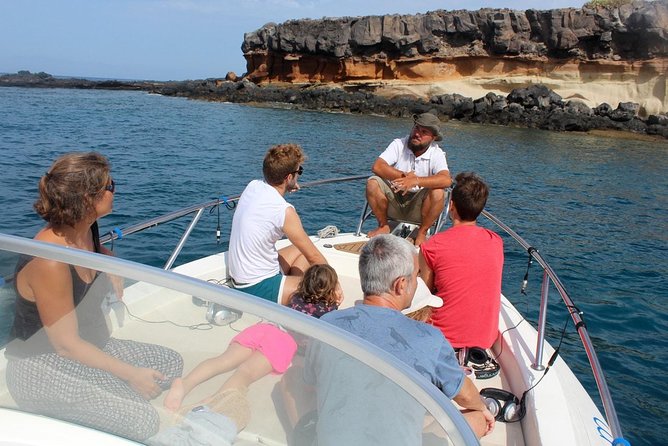
- Max 10 passengers on a boat called Papacho 2, which makes it easier to find wildlife and stay oriented
- Biologist-led watching with conservation talk that explains what you’re seeing
- Hydrophone use so you can listen to whalesong-style sounds in real time
- Engines switched off during sightings to avoid messing with animals’ natural behavior
- Cetaceans plus turtles and seabirds, not just one target species
- Quiet, respectful approach (no chasing, no crowding)
Papacho 2 in Costa Adeje: the small-group setup that matters
You meet at Av. de Colón, 4, 38660 Costa Adeje (this activity returns to the same spot). The whole trip is designed for a max of ten passengers, and that size difference shows immediately once you’re on board.
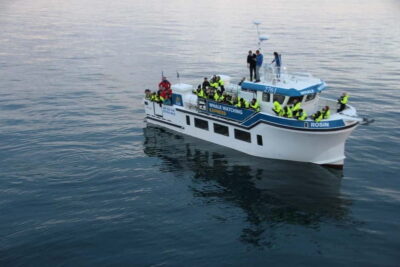
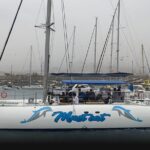
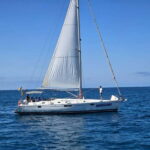
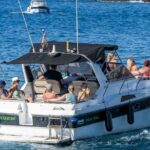
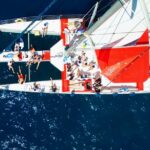
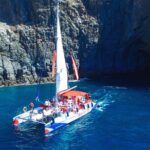
The boat is Papacho 2, and the format is simple: you head out at the agreed time, then your on-board biologist explains what you might encounter and why it matters for conservation. If you’ve ever been stuck craning your neck on a large whale-watching boat, this will feel more like you’re part of the hunt for information, not trapped in a crowd.
Also, the tour is offered in English, and you’ll get a mobile ticket. If you’re planning around your day, note that the experience is typically booked about 17 days in advance, so earlier planning can help.
You can also read our reviews of more tours and experiences in Tenerife.
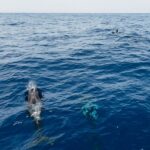
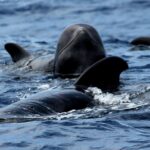
Finding cetaceans near Tenerife South without chasing
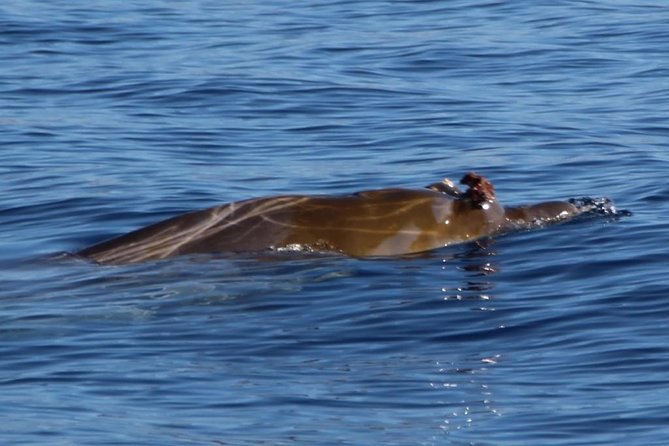
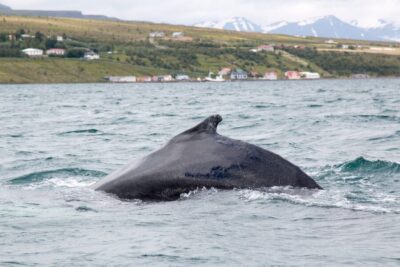
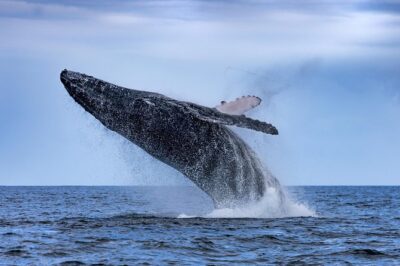
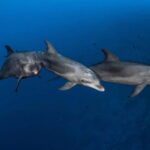
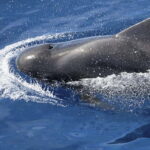
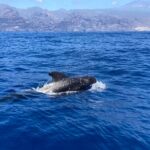
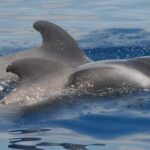
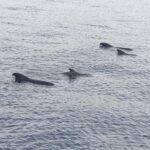
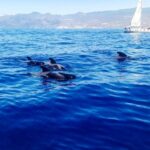
On the water, the crew’s job is to look for marine life along Tenerife’s coast while keeping distance and space for the animals. The plan isn’t about forcing an encounter. It’s about approaching different groups of cetaceans, sea turtles, and seabirds while respecting natural behavior.
That respectful approach shows up in how they use time. Instead of sprinting from sight to sight, you can expect periods of quiet scanning and waiting, letting animals come to you when they choose to surface or travel close enough.
You’ll also hear explanations about what you’re seeing and how the local environment ties into marine life. Tenerife is known for strong ocean conditions around volcanic terrain, and the guide focuses on the practical side of conservation: what affects marine animals and how responsible viewing helps.
The hydrophone moment: when whalesong stops being a theory
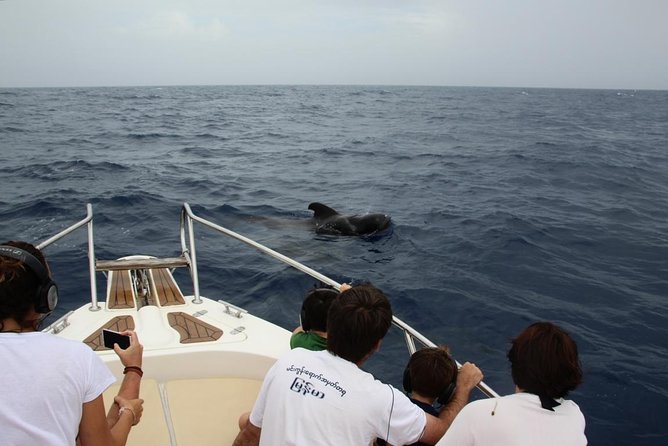
The star feature here is the hydrophone, launched during the sighting. This is the part that turns whale watching from visual only into something you can actually experience.
You listen to sounds the animals use to communicate or to hunt, and it changes your whole sense of what’s happening in the water. Even if you only catch a brief set of calls, it’s still a powerful reminder that whales and dolphins aren’t silent background characters—they’re living in a world of sound.
A couple of practical notes. The tour runs about 2 hours 30 minutes total, so there’s enough time for a real listening moment without dragging on endlessly. And since the engines are turned off during sightings, the audio is more likely to feel clear and focused.
Conservation in action: engines off, distance respected
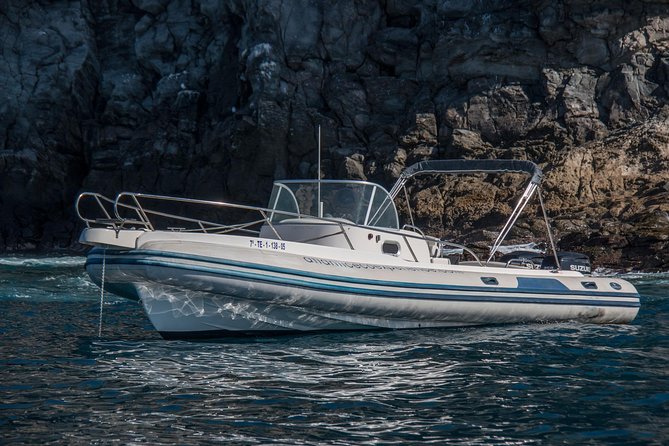
This isn’t eco-fluff. The crew follows specific behaviors that reduce disruption. During cetacean sightings, the boat’s engines are switched off so you’re not adding noise or vibration while animals are actively interacting.
That means you’re more likely to notice the animals’ own rhythm—surfacing, traveling, and then moving on. It also means the crew has to be patient. You’re not paying for a guarantee that whales will come close on command; you’re paying for a team that tries to disturb animals as little as possible while still giving you a good chance to observe.
A few details from how people describe the experience make the conservation angle feel real: the crew treats wildlife space seriously, sometimes leaving an area if other boats are already there. It’s also a “learn-and-then-look” style of outing, with conservation keys and biology explanations tied directly to what’s visible at that moment.
How the 2.5 hours feel on the water
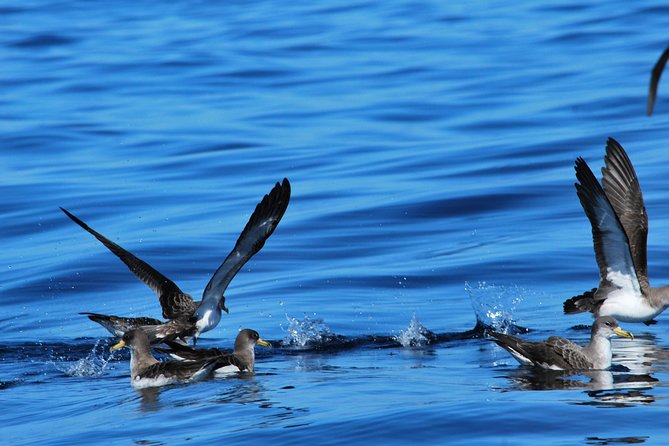
The tour runs about 2 hours 30 minutes. You gather at the start, go out on Papacho 2 with your guide and captain, and then spend the main chunk scanning for cetaceans while listening with the hydrophone when they find the right area.
Because the group is small, it’s easier to keep your eyes up and stay engaged. People of very different ages have been comfortable on this format, and the guide’s job is to translate animal behavior into plain language you can follow while you watch.
Expect a lot of sunlight. Tenerife South can be bright even when you’re out on the water, and you’re on deck for multiple stretches. It’s a good idea to dress like you’re going to the beach, not like you’re just catching a boat ride.
Also, you get the kind of basic comforts that matter on a half-day outing. There’s mention of loo facilities below deck, and you may be offered a cold drink toward the end.
Price and value: is $71.35 worth it?
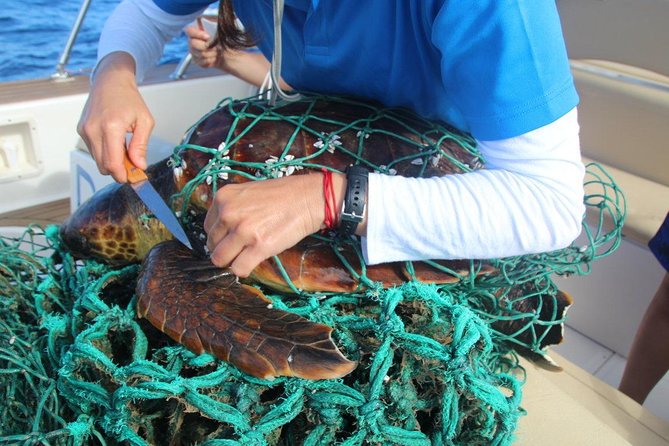
At $71.35 per person for around 2.5 hours, this sits in the “you’re paying for quality and care” category. If you compare it to huge whale-watching boats, the biggest cost shift is the group size.
With a max of ten people, you get more attention while you’re watching and asking questions. You also get guided biology plus a hydrophone, which is not standard on all whale tours. When you add in the behavior-focused conservation approach (including engines off during sightings), it starts to feel like a solid value rather than a budget gamble.
There’s also value in how the team records and identifies animals during the trip. Some descriptions include professional photos and sharing them afterward (for free via WhatsApp in one account). That’s not the main reason to go, but it can be a nice bonus if you like keeping memories that look more like field documentation than tourist snapshots.
Who should book this eco cetacean outing
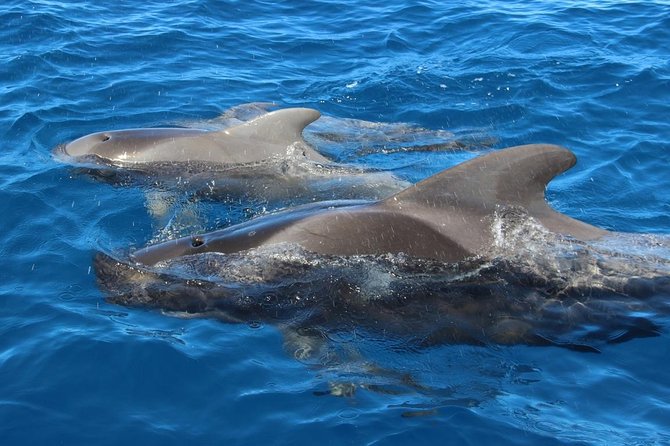
I’d point this tour toward people who want a calmer experience and care about how animals are treated. It’s a strong fit if you like learning while you look, and you don’t need a party atmosphere on the water.
It also works well for families, since the guide style is built around keeping attention on the biology and behavior you can see. It’s not a long lecture; it’s tied to the moments the boat finds marine life.
If your ideal day is chasing wildlife for guaranteed closeness, you might find this approach different. The crew doesn’t chase. But the trade-off is that when animals do come close, it feels natural, not forced, and you get the hydrophone layer to make it unforgettable.
Practical tips so your sea day goes smoothly
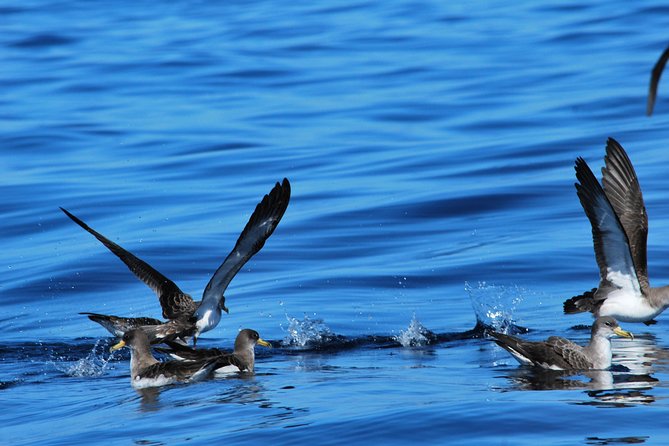
Here are the things that make the biggest day-to-day difference:
- Bring strong sun protection: hat, sunglasses, and sunscreen. Reviews mention the sun stays intense even on the water.
- Take water (and you’ll likely have a cold drink on board, but don’t rely on it).
- If you get motion sickness, plan ahead. One account is blunt about taking tablets before you go.
- Wear clothes that handle sea spray. You’re close to the water, and you might get splashed even if you’re not right at the edge.
- Bring patience. The best moments come when the crew stops interfering and lets animals do their own thing.
If you have reduced mobility concerns, reach out ahead of time. Access can depend on the type of reduced mobility and sea conditions, and the company recommends contacting them for details.
Should you book Atlantic Eco Experience in Tenerife South?
Yes, if you want a small, conservation-minded cetacean trip with real biology talk and the hydrophone. The combination of a max-ten boat, engines off during sightings, and listening to whale communication is exactly the kind of “more than just viewing” experience that makes whale watching feel respectful and meaningful.
Skip it only if you hate uncertainty. This outing requires good weather, and wildlife behavior is never fully predictable. But if you can handle that reality, this is the sort of tour that helps you understand what you’re seeing—and hear it—without turning the ocean into a spectacle.
FAQ
What animals can I realistically expect to see?
The tour focuses on cetaceans and also mentions the possibility of sea turtles and seabirds during the trip.
How long is the Costa Adeje cetacean sighting tour?
The duration is about 2 hours 30 minutes.
How big is the group?
The experience has a maximum of ten travelers.
Which language is the tour offered in?
It’s offered in English.
Where do I meet for the tour?
You start at Av. de Colón, 4, 38660 Costa Adeje, Santa Cruz de Tenerife, Spain, and the tour ends back at the same meeting point.
What is the hydrophone used for?
The crew launches a hydrophone during the sighting so you can listen to sounds the animals use to communicate or hunt.
Do they turn off the boat’s engines during sightings?
Yes. During the sighting, the crew switches off the boat’s engines to avoid disturbing the animals.
Do I get a mobile ticket?
Yes, the tour offers a mobile ticket.
Is cancellation free if plans change?
Yes. You can cancel for a full refund if you cancel up to 24 hours in advance. If you cancel less than 24 hours before, you won’t be refunded.
What happens if the tour is canceled due to weather?
This activity requires good weather. If it’s canceled because of poor weather, you’ll be offered a different date or a full refund.