REVIEW · CABO SAN LUCAS
Cabo San Lucas: Whale Watching Experience on Catamaran
Book on GetYourGuide →Operated by Baja Discover · Bookable on GetYourGuide
Baja whales on a catamaran beat sitting still. I like the Pacific Ocean sailing plan and the chance to spot big migrants like gray, humpback, and blue whales as they head through the Cabo area. I also like that the crew uses hydrophones so you’re not just looking, you’re listening to whale song in real time. One thing to consider: whale sightings are never guaranteed, and the time on the water may feel like a “big chunk” of your day once pickup and riding are included.
You’ll also cruise past the Cabo landmarks people come for, including Lover’s Beach, the Arch (El Arco), and Land’s End. The vibe is laid-back, with a catamaran that’s built for getting out on the water and not treating the trip like a museum tour.
In This Review
- What really makes this trip worth your time
- Key highlights you should care about
- Price and what you actually get for $101
- Entering the migration zone: sailing out to the Pacific
- Hydrophones and whale song: why the audio part matters
- Cabo’s signature landmarks from the water: Lover’s Beach, El Arco, Land’s End
- Food, bar, and comfort on a short catamaran run
- What to bring (and what to wear) for real results
- Pickup timing: punctuality is usually great, and you should still verify
- Who this tour fits best (and who might want a different plan)
- Should you book? My take on the decision
- FAQ
- FAQ
- What animals might I see on the whale watching catamaran?
- How long is the tour?
- Where is the tour departure and where can I get picked up?
- What happens while you’re out on the Pacific?
- Do you get help hearing whale songs?
- Which Cabo landmarks do you cruise by?
- Is food included?
- Is there a bar onboard?
- What languages is the live guide?
- Is the tour wheelchair accessible?
- What should I bring?
- Do I need to confirm my pickup?
What really makes this trip worth your time
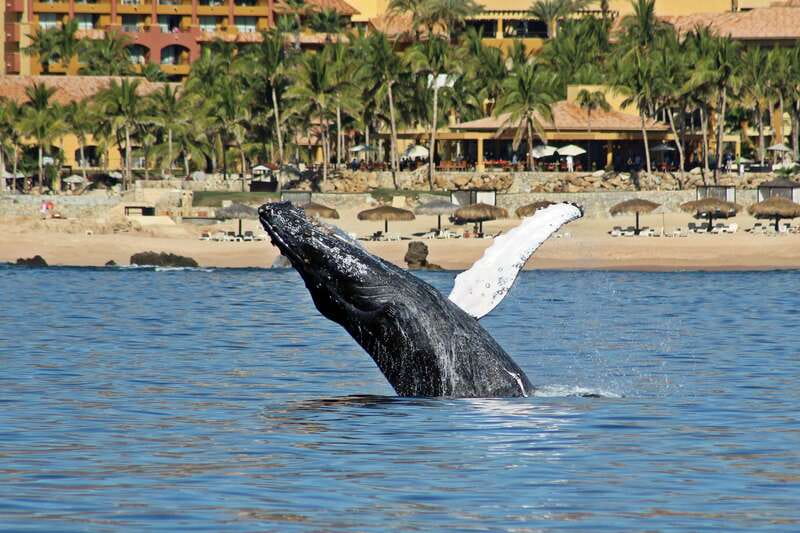
This is a 2-hour whale-watching experience built around seasonal migration. It runs from December through the end of March, which is exactly when these whales pass the Los Cabos area and put on their best show for sound and sightings.
That said, I’d pay close attention to pickup timing and communication. One verified booking praised how punctual and friendly the team was, while another had a serious problem with being left waiting. If you’re the kind of person who hates uncertainty, confirm your details ahead of time.
Key highlights you should care about
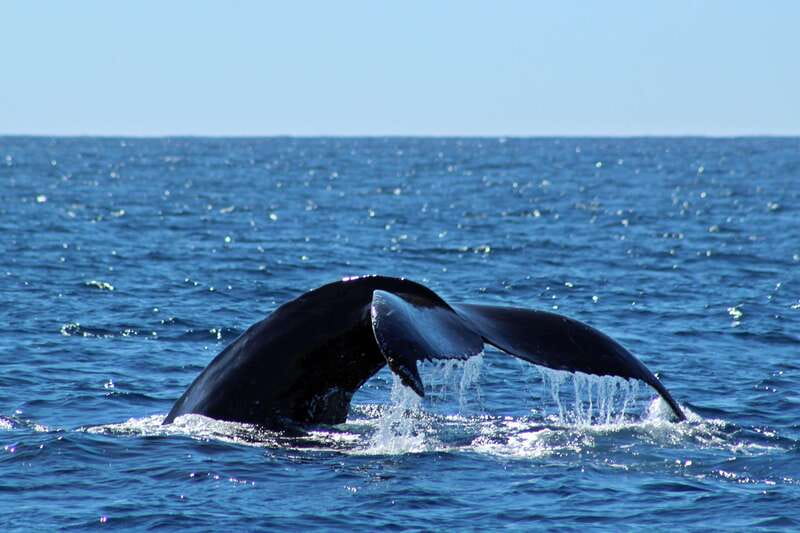
- Seasonal migration (Dec–Mar) means the whales are actually in the region
- Hydrophones help you hear whale calls, not just watch for spouts
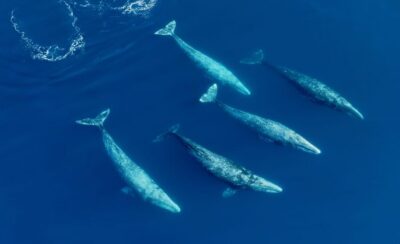
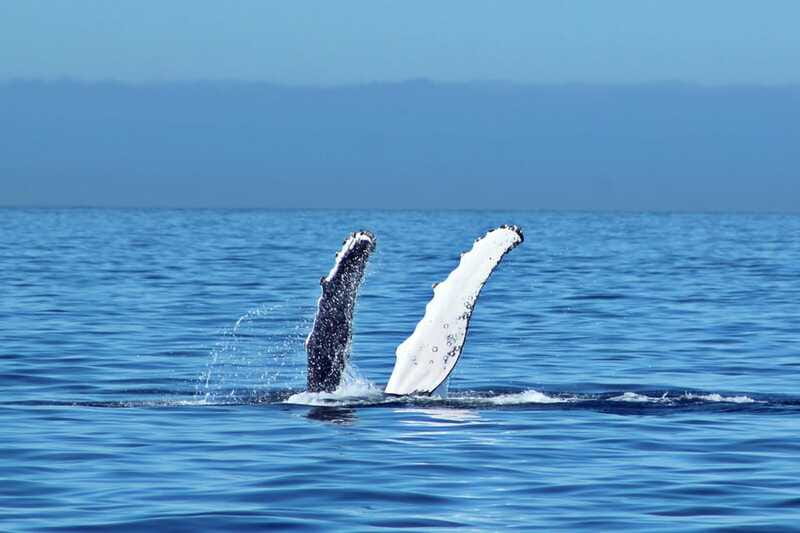
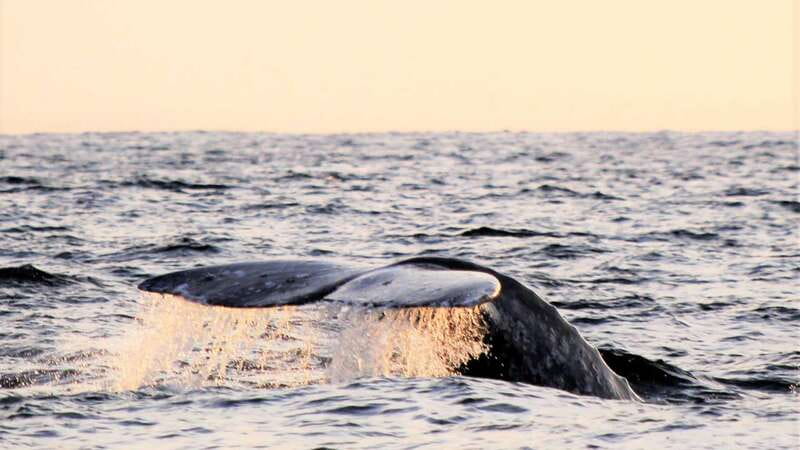
- Multiple species possible: gray, humpback, and/or blue whales
- Cabo photo stops: Lover’s Beach, El Arco, and Land’s End from the water
- Hotel pickup/drop-off keeps you from worrying about transport
- Light meal + open national bar adds comfort for a short outing
You can also read our reviews of more tours and experiences in Cabo San Lucas.
Price and what you actually get for $101
At $101 per person, you’re paying for more than a boat ride. The package includes hotel pickup and drop-off, a catamaran cruise, a captain and crew, and a light meal (breakfast or lunch depending on your departure time). There’s also an open national bar, which can make a short tour feel less rushed and more like an experience.
What I like about this value setup is that it reduces the “extra costs” headache. No rental car. No taxi planning. No waiting around for dinner afterward. For many people, that alone makes the price feel fair.
One caution: the tour duration is listed as 2 hours, but the day-of schedule can include transport time plus time on the water. If you’re trying to stack this with other plans in Cabo, I’d treat the tour as a near-half-day commitment and confirm your exact schedule when you confirm your pickup.
Entering the migration zone: sailing out to the Pacific
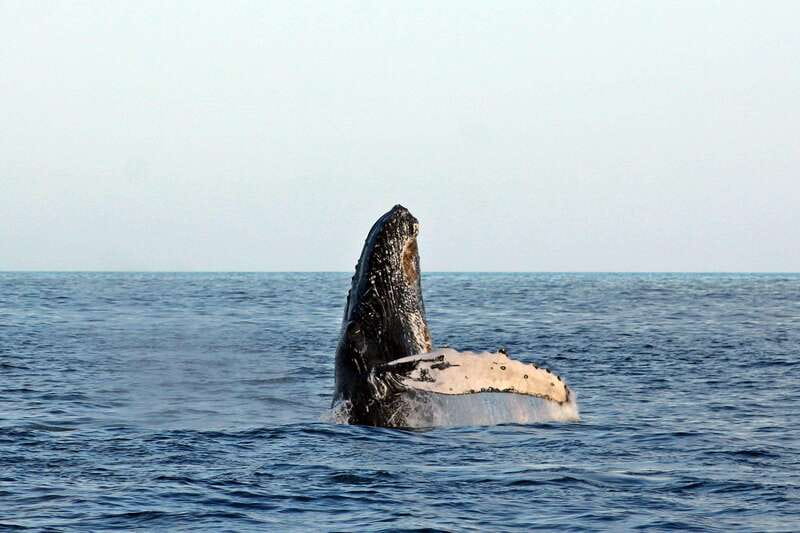
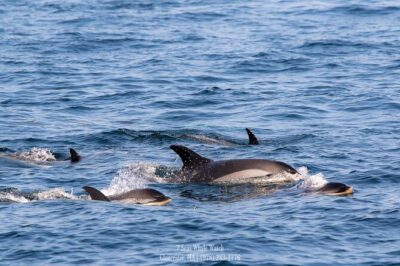
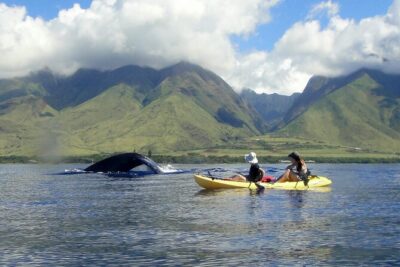
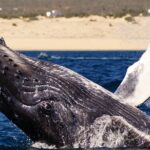
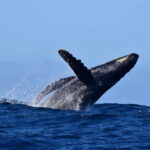
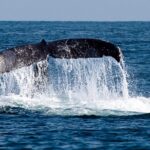
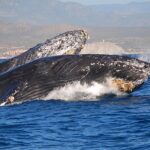
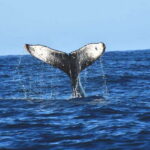
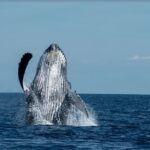
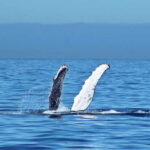
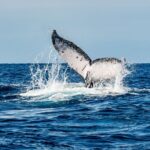
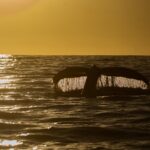
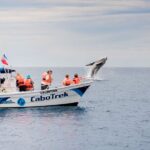
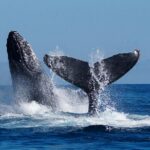
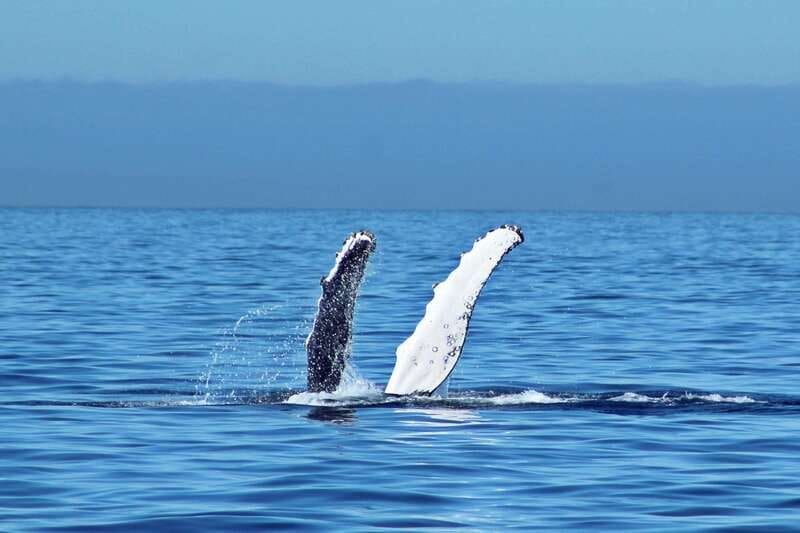
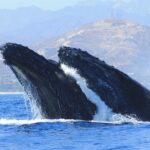
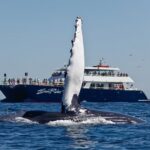
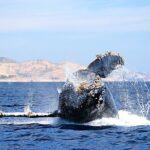
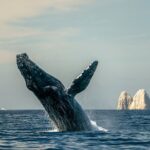
The heart of the trip is simple: you sail out to the Pacific Ocean to observe the whales as they migrate through the warmer waters around Los Cabos. During the December to March season, the local waters can be a place where mothers and calves show up, and where different species may be present during their journey.
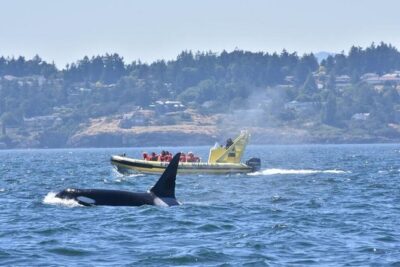
The crew also helps you connect what you’re seeing to what it means. They identify species and describe behaviors, which is useful because whales don’t always surface on your schedule. When you understand what you’re looking for—mothers with calves, for example—it’s easier to stay patient and still feel like you’re getting something.
And yes, you’re likely to spot whale activity near the coast and around Cabo’s marine route. You’ll also pass landmark formations as you go, so the cruise has a “two-track” payoff: wildlife first, scenery second.
Hydrophones and whale song: why the audio part matters
Most whale trips give you a chance to look up and hope. This one adds something practical: hydrophones so you can listen to whale song while you watch.
That detail can change your whole experience. Even if a whale stays just out of view for a few minutes, you’re still getting information. You may hear calls, patterns, and vocalizations that help you understand where the whales are in relation to the boat.
I also like the crew’s approach to interpretation. When they point out different species and behaviors, the hydrophones stop being a gimmick and start feeling like an educational tool built into the cruise.
Bring your patience, but don’t bring only hope. The audio layer gives you a reason to keep watching.
Cabo’s signature landmarks from the water: Lover’s Beach, El Arco, Land’s End
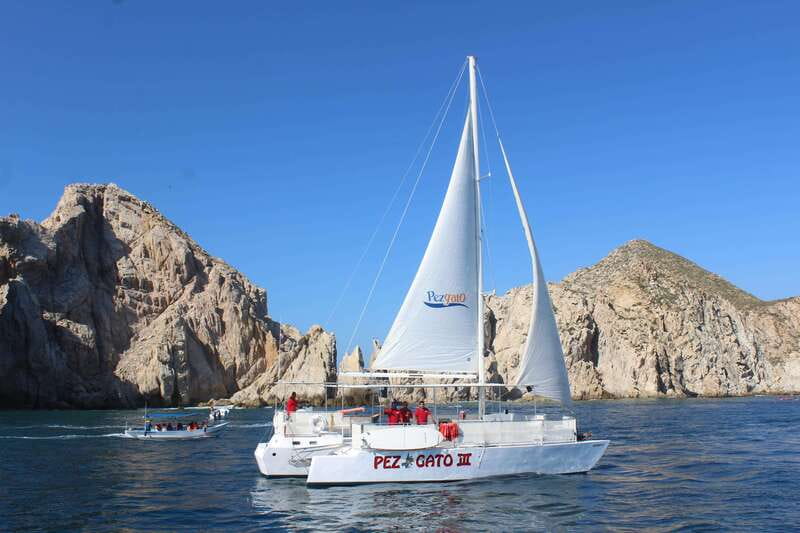
While the whales are the main event, the itinerary also gives you a solid run of Cabo’s most recognizable sights. You cruise by Lover’s Beach, the Arch (El Arco), and Land’s End—all from the water.
Why that matters: from shore, these places can look like postcard angles. From the sea, you see how the coastline bends, how the rock formations sit against the water, and why these landmarks are so famous. It’s a different kind of perspective, and it’s worth the cruise even on days when whale activity is quieter.
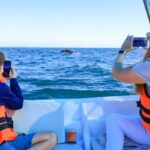
If you plan to photograph, think of this as two photo sessions. One is for wildlife (timed for brief surfacing). The other is for wide shots of the coastline and rock shapes as you pass.


Food, bar, and comfort on a short catamaran run

This trip is short enough that comfort matters. You’re not dressing for a week on the ocean, but you are moving through wind, sun, and sea spray.
The tour includes a light meal, and the menu depends on your departure time:
- AM: egg burrito with beans and cheese or ham and cheese, plus veggie option if requested, and hand fruit
- PM: mini baguettes with ham and turkey, plus veggie option and potato chips
There’s also an open national bar included. Whether you drink or not, I like that it removes a decision you’d otherwise make mid-tour. You can focus on the whales and the views without wondering where you’ll get refreshments.
Clothing note: you should bring a jacket, especially in December through March, when cooler wind on the water can sneak up on you. Comfortable clothes matter more than fashion. You want to move easily and handle sudden changes in weather and sun.
What to bring (and what to wear) for real results

For this experience, you’ll get better outcomes with a small, smart packing list:
- Camera (plus whatever you need to keep it protected on a boat)
- Jacket (recommended Dec–Mar)
- Comfortable clothes
A practical tip: expect sea wind and brightness. Your camera settings may need quick adjustment depending on glare. If you’re using a phone, keep it secured and plan for quick shots rather than long fiddling.
Also, keep in mind the boat day can involve waiting for whale behavior to line up. You’ll appreciate being comfortable in the moments between sightings.
Pickup timing: punctuality is usually great, and you should still verify
Here’s the balanced part. One verified booking described the team as kind, good attention, and punctual. That’s exactly what you want for a boat tour.
But another verified booking had a breakdown: the person said they were left waiting at the hotel and couldn’t reach anyone, and the provider listed on their ticket did not match what they were expecting. The important takeaway for you isn’t to panic—it’s to take pickup seriously because whale tours run on schedule.
Your best move:
- Wait in the hotel lobby about 10 minutes before your scheduled pickup time.
- Know that drivers wait no longer than 5 minutes after the scheduled pickup time.
- Call the operator 48 hours before to confirm.
If you do those three things, you dramatically lower the odds of a frustrating start to your day.
Who this tour fits best (and who might want a different plan)
This is a good match if you want:
- Whale watching in Cabo during the Dec–Mar season
- A catamaran format that includes Cabo landmarks from the water
- A guided experience in English or Spanish with some species and behavior context
- A short, efficient outing that includes pickup, a light meal, and a drink option
It’s not suitable for wheelchair users, based on the activity’s accessibility note. If mobility is a concern, you’ll need to choose a different option that specifically supports your needs.
Also, if you’re extremely sensitive to cold wind, bring that jacket even if the afternoon sun looks warm back on land.
Should you book? My take on the decision
Book this if you’re traveling during December through March and you want a focused whale experience that includes real added value: hydrophones, a guided explanation of species/behaviors, and the payoff of seeing El Arco, Lover’s Beach, and Land’s End from the sea.
I’d especially recommend it to anyone who gets restless on wildlife tours. The audio component gives you something to engage with even when you’re waiting for whales to surface, and the landmark cruising keeps the scenery moving.
Skip it or pick a backup plan if you’re the type who struggles with schedule risk. The trip depends on pickup timing and time on the water, and the record includes at least one serious pickup communication issue.
FAQ
FAQ
What animals might I see on the whale watching catamaran?
The experience describes possible sightings of gray, humpback, and/or blue whales as they migrate through the waters around Los Cabos.
How long is the tour?
The duration is listed as 2 hours. You’ll want to check available starting times to match your day.
Where is the tour departure and where can I get picked up?
You can choose pickup from Cabo San Lucas or San José del Cabo, and drop-off is available at both locations.
What happens while you’re out on the Pacific?
You cruise out to observe the annual migration of whales and look for mother-and-calf activity in the area.
Do you get help hearing whale songs?
Yes. The tour mentions using hydrophones to help you listen to whales’ beautiful song.
Which Cabo landmarks do you cruise by?
The trip includes cruising by Lover’s Beach, the Arch (El Arco), and Land’s End.
Is food included?
Yes. You’ll get a light breakfast or light lunch depending on your tour time.
Is there a bar onboard?
The package includes an open national bar. The activity rules also list alcohol as not allowed, so confirm the exact expectations with Baja Discover before you go.
What languages is the live guide?
The live tour guide is listed as available in English and Spanish.
Is the tour wheelchair accessible?
No. The experience is listed as not suitable for wheelchair users.
What should I bring?
Bring a camera, a jacket, and comfortable clothes.
Do I need to confirm my pickup?
Yes. You’re advised to call 48 hours before to confirm.