REVIEW · CABO SAN LUCAS
ZODIAC Whale Watch Tour | Cabo San Lucas | Biologist | FREE Pics
Book on Viator →Operated by Whale Watch Cabo · Bookable on Viator
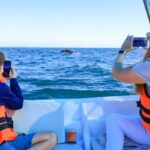
Cabo whales, with the right kind of focus. This small-group zodiac whale watch in Cabo San Lucas is built for close, respectful viewing, and the onboard marine biologist helps you understand what you’re seeing as you head out toward El Arco.
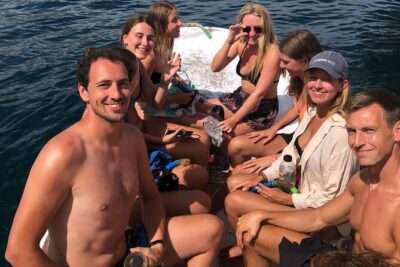
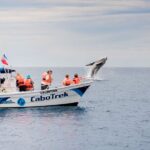
Two things I really like: first, the crew keeps the experience intimate. With a maximum of 10 on the boat, you’re not stuck behind a wall of phones or forced to shout over other tour groups. Second, you get actual whale time. The guides work hard to put you where whales are showing themselves, rather than just doing a quick drive-by.
One possible drawback: there’s no restroom on board, and the tour depends on decent weather. If you’re prone to motion sickness, you’ll want to dress smart and plan for a bumpy ride on any choppy day.
In This Review
- Key highlights to know before you go
- How the Cabo zodiac setup changes the whole experience
- Price and value: what $109 buys you (and why it can be worth it)
- Meeting point and timing: arriving calm beats arriving stressed
- The pre-whale cruise: El Arco, Lovers Beach, and Pelican Rock
- El Arco de Cabo San Lucas: sea-arch views and photo time
- Playa de los Amantes: Lovers Beach on the water
- Pelican Rock: where wildlife often shows up
- The whale search: respectful distance plus real pursuit
- Humpback whales and what else you can spot in Cabo
- The marine biologist onboard: why it makes the sightings stick
- Hydrophone and whale singing: emotional, but not guaranteed
- Photos included: the smartest way to watch and still get the memories
- Bring less stress to the boat: what’s not included
- Zodiac whale watching for families, couples, and first-timers
- Book it or skip it: my decision guide for Cabo whale time
- FAQ
- How long is the Zodiac Whale Watch Tour in Cabo San Lucas?
- How many people are on the tour boat?
- Are photos included in the price?
- Do you have a whale sightings guarantee or a free return if no whales are seen?
- What animals might you see besides humpback whales?
- Is there bottled water, WiFi, or a restroom on board?
- What are the age and weight limits?
- If the tour is canceled due to weather, what happens?
Key highlights to know before you go
- Maximum 10 people on a zodiac for a more personal experience
- Marine biologist guides onboard who explain humpback behavior and local species
- Hydrophone for humpback song when conditions allow
- Free photos included, so you can enjoy the moment instead of filming the whole time
- Whale sightings guarantee, plus a free second tour if you don’t see whales from Dec 15 to Apr 15
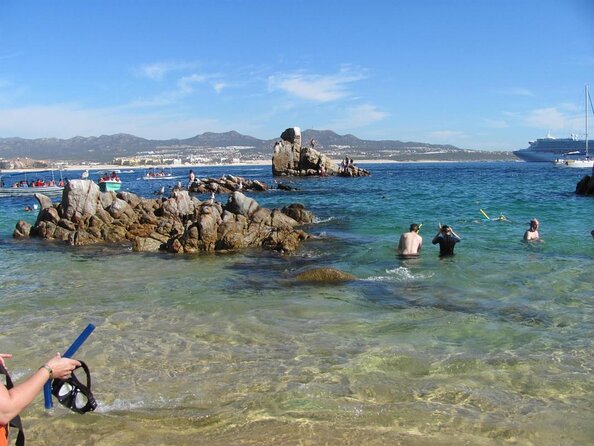
- Stops around El Arco, Lovers Beach, and Pelican Rock before the whale search
How the Cabo zodiac setup changes the whole experience
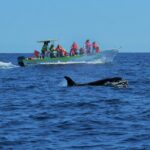
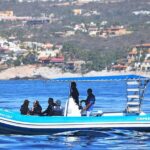
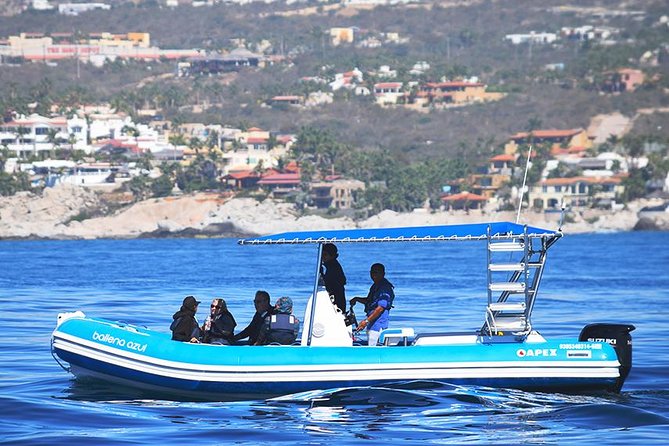
This tour is about getting you closer to the action without crowding the animals. A zodiac is smaller and more maneuverable than the big boats, which matters in Cabo’s busy waters where you’re often sharing space with other operators.
What I like is the practical balance: you get to move quickly when whales surface, but the crew’s main goal stays the same—watch, don’t pressure. In the better outings, the captain and guide steer you away from the densest boat traffic, so you can actually look and listen instead of playing ocean dodgeball with other groups.
Another detail I appreciate is the onboard education. You’re not just handed a sighting checklist. People like Oscar and Josephine (marine biologist guides) explain what humpbacks are doing—breaching, tail activity, mother-and-calf behavior—while you’re watching it happen. That turns the trip from pretty to meaningful.
You can also read our reviews of more tours and experiences in Cabo San Lucas.
Price and value: what $109 buys you (and why it can be worth it)
At $109 per person for about 2 hours 30 minutes, the price is competitive for Cabo whale watching—especially because a few value items are baked in.
Here’s the value math in plain terms:
- You’re paying for a small-group boat (max 10), not a cattle-car ride.
- You’re paying for an onboard marine biologist guide, not just a captain who points.
- You’re paying for high-quality photos included. Your guide takes pictures during the tour and provides them for free, so you don’t have to choose between whale watching and recording.
No, photos can’t replace the real thing. But they can save you from the classic problem: the whale surfaces, you fumble for the camera, and afterward you’re stuck with blurry water. The free photo set means you can watch with your eyes first.
One more value factor: they advertise a whale sightings guarantee and (for Dec 15 to Apr 15) a free second tour if you don’t see whales. Guarantees don’t create whales out of thin air—but they do signal confidence, and that confidence helps when you’re planning your Cabo schedule.
Meeting point and timing: arriving calm beats arriving stressed
You’ll meet at Whale Watch CaboPlaza Bonita, Blvd. Paseo de la Marina 17, Centro, Marina, 23450 Cabo San Lucas, B.C.S., Mexico. The activity ends back at this same location.
A few practical tips based on what people report:
- Have your mobile ticket ready. You’ll get confirmation at booking.
- If you’re on a cruise, plan extra time. One review noted a 20–25 minute walk from the port area to the office, plus time to tender. If you’re even slightly late, you’ll lose your buffer.
And because this is an ocean trip: it’s not “one size fits all.” The tour expects good weather. If conditions are poor, you should expect a reschedule or refund option, not a stubborn push into rough seas.
The pre-whale cruise: El Arco, Lovers Beach, and Pelican Rock
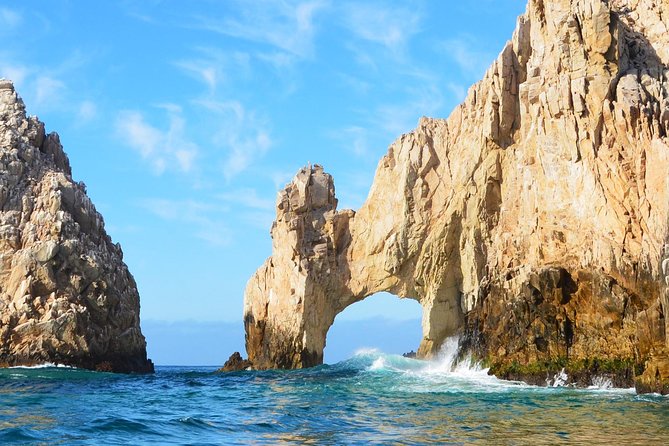
This tour has a nice rhythm. Before the whale search, you get a scenic warm-up around Cabo’s most iconic spots.
El Arco de Cabo San Lucas: sea-arch views and photo time
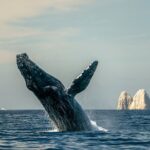
First stop is El Arco (the famous sea arch). The point here is simple: you get a close-up view of one of Cabo’s signature landmarks from the water, plus time for pictures.
A zodiac approach is great for this because you can get into a better angle faster than larger boats. The tradeoff is that you’ll want to hold steady—movement is part of the experience.
Playa de los Amantes: Lovers Beach on the water
Next you’ll head to Playa de los Amantes (Lovers Beach). On the water, it feels different than seeing it from a road or viewpoint. It’s a quick, scenic moment that helps break up the trip before you shift attention from scenery to wildlife.
If the water is calm, this section can feel like a breath before the whale search. If it’s choppy, it’s still worth it, but you’ll want to focus on comfort.
Pelican Rock: where wildlife often shows up
Then comes Pelican Rock. Even if you don’t see every seabird in the book, it’s a reminder that this area is alive all day—not just when whales are around.
In past outings, people have mentioned seeing pelicans and sea lions, and the crew keeps an eye out for wildlife beyond whales. That adds a little bonus energy to the early part of the trip, even before the main event.
The whale search: respectful distance plus real pursuit
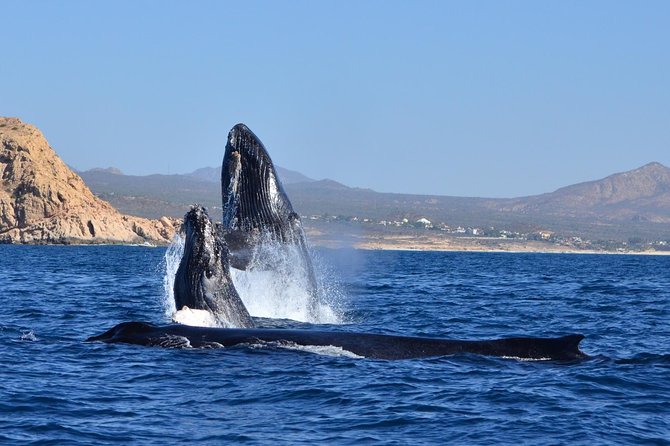
Once you clear the bay and pass key landmarks, the captain and guide search for whales. What matters here is how they do the searching.
A recurring theme from people who’ve gone is that they try to find whales while staying respectful of other boats. On some trips, the boat ends up far from the crowd, and that can make a big difference in your viewing experience. Less congestion often means less engine noise and fewer frantic boat maneuvers.
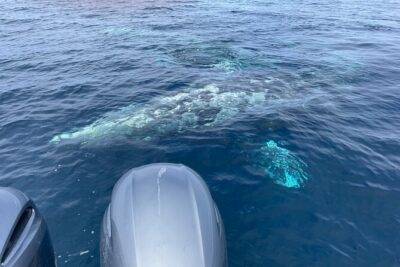
You’ll also notice that the crew follows a pattern: when whales surface, they set up for observation rather than rushing past. In some excellent outings, whales approach in ways that feel almost unreal—like coming close enough for a side touch or a dramatic blow right beside the boat. That’s not something you should expect every time, but it shows why “responsive captains” matter.
Also, the crew’s responsible approach isn’t just a marketing line. People mention practices like maintaining a respectful distance and adjusting the boat’s behavior to avoid stress on the animals. If you care about eco-friendly viewing, this is the part you’ll feel in the water.
Humpback whales and what else you can spot in Cabo
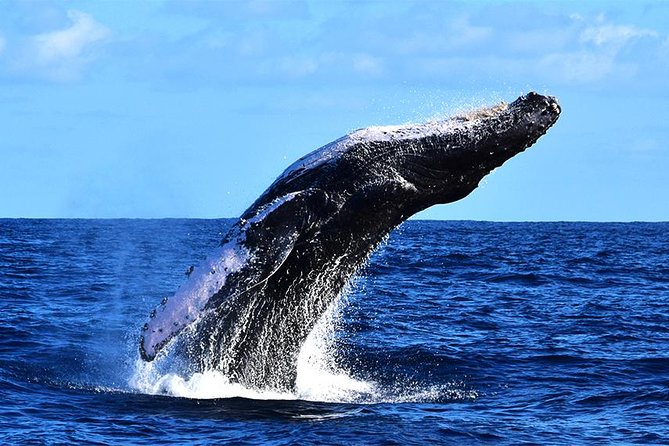
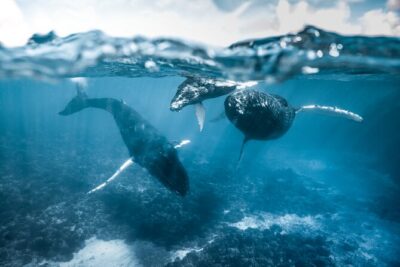
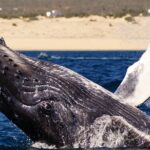
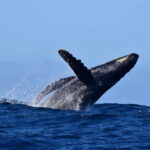
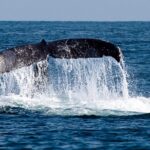
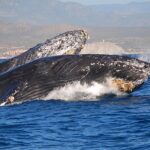
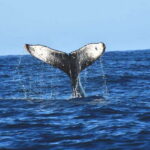
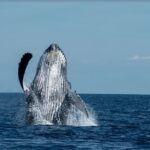
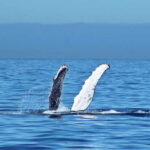
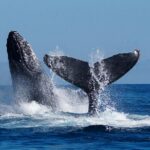
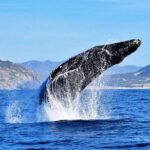
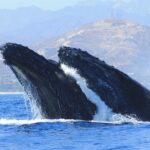
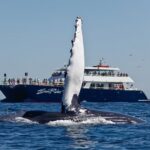
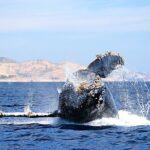
The headliner is humpback whales, and the tour is designed around them. Expect to see humpbacks doing their signature routines:
- Breaching (jumping out of the water)
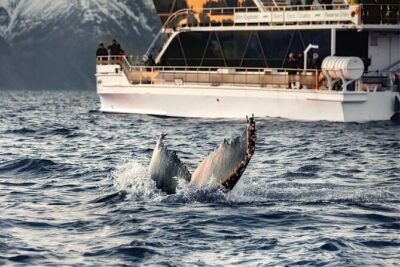
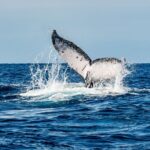
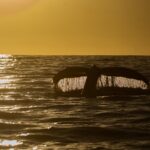
- Tail activity (flukes showing on the surface)
- Surface time that can stretch longer than you expect once you hit a good pair or small pod
When conditions are right, you can also hear them. The tour includes a hydrophone to catch humpback singing. There’s no guarantee the whales are vocal that day, but having the hydrophone means you’re not totally dependent on luck.
Beyond humpbacks, the tour can also include:
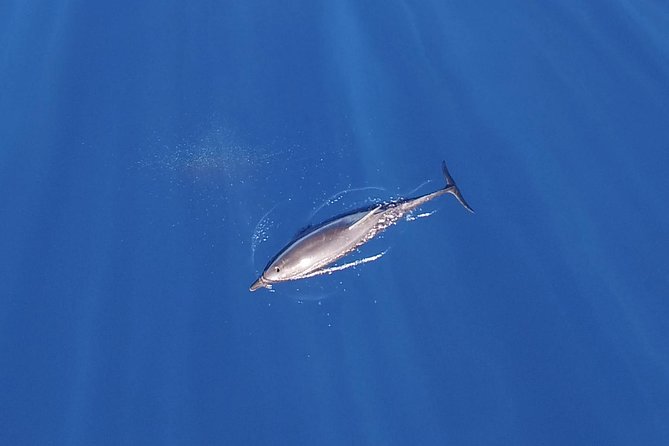
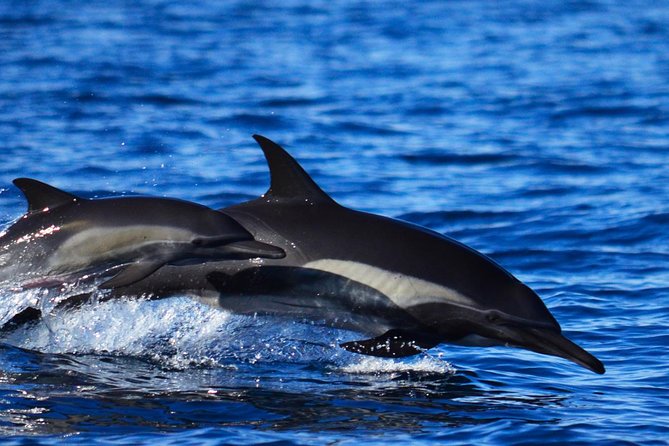
- Common dolphins
- Bottlenose dolphins
- Olive Ridley sea turtles
- Mobula rays
And in real-world outings, people have also reported extra wildlife like sea lions and plenty of pelicans. The overall message: even on a whale-focused day, the broader marine ecosystem often shows up.
The marine biologist onboard: why it makes the sightings stick
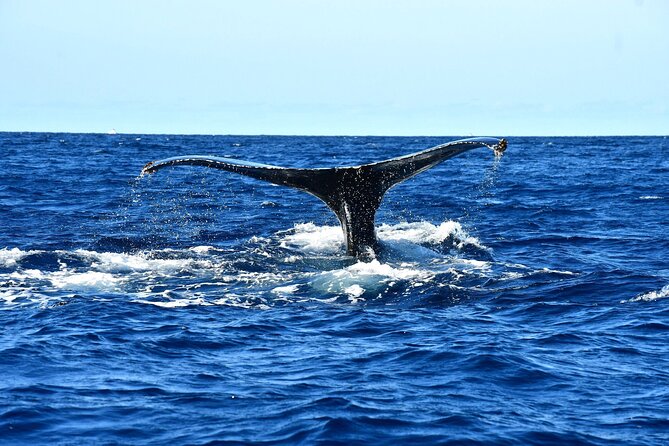
This is not a “just look up” tour. You’re with a marine biologist guide throughout. Different guides lead different departures, and names mentioned include Oscar, Josephine, Victoria, Dominique, Payo, Rui, and Giselle.
What you gain from that kind of guide is the ability to connect whale behavior to meaning. They explain things like:
- how humpbacks use sounds and timing to communicate
- what certain surface behaviors often indicate
- how to read a pod’s movement so you understand why the captain changes position
I also like that they answer questions as they go. If you’re the type who asks what the tail slap means or why one animal keeps surfacing, you’ll have a much better day here than on generic tours.
Hydrophone and whale singing: emotional, but not guaranteed
The hydrophone is one of those “small detail, big payoff” inclusions. When humpbacks sing, it’s not just interesting—it’s oddly moving. One review mentioned feeling it emotionally once they started playing whale calls through the mic.
Still, be realistic: whales don’t always sing on demand. The tour says hydrophone use is conditions permitting, and some trips may have whales that are active without vocalizing.
So my advice is: don’t treat hydrophone time like the main prize. Treat it like a bonus. Your main prize is still the animals themselves—and you’ll usually get plenty of that when conditions are good.
Photos included: the smartest way to watch and still get the memories
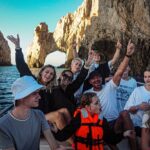
Here’s the simplest win on this tour: free photos are included. Your guide takes pictures during the outing and provides them for free.
That changes your behavior in a good way. You don’t have to spend the whole trip glued to your screen. When you’re not constantly filming, you can track the whale’s rhythm: where it surfaces, where it goes under, and how it returns.
You’ll still want your phone for video if that’s your style. But the free photo set covers the most important still shots—the ones where the whale is clearly visible, not just a blur of spray.
If you’ve ever missed the perfect breach because your camera was still focusing, this is exactly the kind of inclusion that saves you.
Bring less stress to the boat: what’s not included
A few essentials aren’t part of the onboard setup:
- No restroom on board
- No WiFi on board
- Bottled water isn’t included
- They do not provide single-use plastic bottles for sustainability
So plan like a smart local:
- Use the restroom before you leave the meeting point.
- Bring a refillable water bottle if you tend to get thirsty.
- Dress for sun and wind. Cabo can go from bright to breezy fast once you’re out on the water.
- If you get motion sick, pack your usual remedy. The zodiac ride is part of the experience, but it can feel active in choppy conditions.
Zodiac whale watching for families, couples, and first-timers
This tour fits a wide range of people because it’s not a marathon and it’s designed for manageable group sizes.
Who it suits well:
- Families with kids age 8+
- Couples who want a quieter experience and not a crowded boat scene
- First-time whale watchers who want education without a lecture-only vibe
- Anyone who cares about responsible viewing and wants guidance on safe distances
Weight limit is listed at 300 lbs, and the tour notes that most travelers can participate. If you’re close to that limit or concerned about comfort, it’s worth checking your needs with the provider before you go.
Book it or skip it: my decision guide for Cabo whale time
I’d book this tour if:
- you want small-group whale watching in Cabo (max 10)
- you care about having a marine biologist explaining what you’re seeing
- you like the idea of free photos so you can watch with your eyes
- you’re planning a short Cabo trip and want your time on the water to count
I’d think twice if:
- you strongly need a restroom on board
- you’re very sensitive to choppy water and can’t handle zodiac-style motion
- your travel dates fall in a window where weather is unreliable and you’d be unhappy with a reschedule
One more practical note: if you’re visiting between Dec 15 and Apr 15, the tour’s free second tour offer if you don’t see whales adds extra peace of mind. It doesn’t remove the reality of wildlife viewing, but it does reduce the risk of feeling like your money evaporated when whales stayed hidden.
FAQ
How long is the Zodiac Whale Watch Tour in Cabo San Lucas?
It runs about 2 hours 30 minutes.
How many people are on the tour boat?
The tour has a maximum of 10 travelers, which keeps it a small-group experience.
Are photos included in the price?
Yes. Your guide takes photos during the tour, and you receive them for free.
Do you have a whale sightings guarantee or a free return if no whales are seen?
The tour advertises a whale sightings guarantee. Also, if you don’t see whales, there is a free second tour offered from Dec 15 to Apr 15.
What animals might you see besides humpback whales?
The tour highlights humpback whales, plus it mentions common dolphins, bottlenose dolphins, olive ridley sea turtles, and mobula rays.
Is there bottled water, WiFi, or a restroom on board?
No. Bottled water is not included, and they do not provide WiFi or a restroom on board.
What are the age and weight limits?
The minimum age is 8 years old, and there is a weight limit of 300 lbs.
If the tour is canceled due to weather, what happens?
If it’s canceled due to poor weather, you’ll be offered a different date or a full refund.