REVIEW · CABO SAN LUCAS
Small-Group Whale Watching Zodiac Boat Cruise in Cabo San Lucas
Book on Viator →Operated by Cabo Expeditions · Bookable on Viator
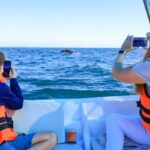
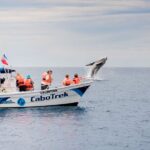
Whales in a fast zodiac is the point. This is a small boat cruise out of Cabo San Lucas that pairs wildlife searching with an onboard marine biologist, plus a quick photo stop at El Arco. I like that you’re not stuck on a big, slow vessel—you can cover more water and improve your odds.
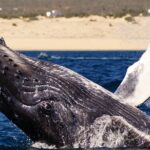
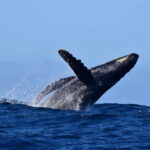
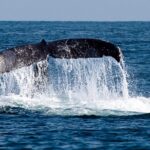
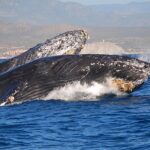
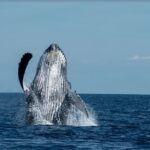
I also love the action quality when sightings really turn on: in the past, captains and guides have helped people see humpbacks breaching, mom-and-calf pairs, and even dolphins close to the boat. One drawback to consider: you should confirm the real group size and how seating works, because at least one experience reported more people on board than expected, which can mean blocked views and less comfy conditions.
In This Review
- Key things that make this whale cruise stand out
- Why Cabo whale watching on a zodiac is a smart choice
- Meeting at CaboMarina and what to expect before departure
- El Arco stop: the Land’s End photo moment
- Heading out for whales: what the marine biologist actually does
- What you might see: humpbacks, dolphins, and the thrill factor
- Small-group size: the difference between great and just okay
- Notable guides and captains (names that came up)
- Price and value: $85 plus the dock fee
- Who this cruise is best for (and who should rethink it)
- Should you book this Cabo whale watch?
- FAQ
- What species can I expect to see on this Cabo whale watching cruise?
- How long is the Small-Group Whale Watching Zodiac Boat Cruise in Cabo San Lucas?
- Is the tour offered in English?
- Where do I meet for the cruise?
- Is hotel pickup or drop-off included?
- What’s included in the price?
- What extra fee should I plan for?
- How big is the group?
- Can I upgrade to a private boat?
- What’s the cancellation policy?
- What happens if weather is poor?
Key things that make this whale cruise stand out
- Fast zodiac = more search time: you can move quickly between where whales surface
- Marine biologist talks (onboard): you learn what you’re seeing and why the area matters
- A short El Arco photo stop: classic Cabo Land’s End views before you go hunting for whales
- Respectful distance is a big theme: many highlights focus on staying safe around whales, including calves
- Small-group feel (when it’s sized correctly): better viewing and easier photo angles
Why Cabo whale watching on a zodiac is a smart choice
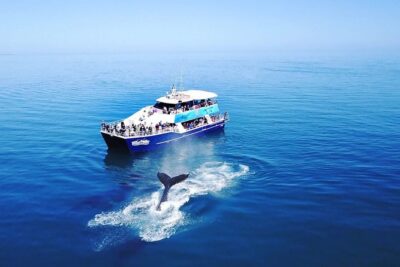
Cabo San Lucas is one of those places where whales show up close enough to feel real, not like distant specks. This cruise is built for that moment. You’re on a small, speedy zodiac-style boat, and that matters because whale watching is part timing, part navigation, part patience. When whales surface, you want to be in the right place at the right time—and speed helps.
I also like that the trip leans educational instead of only “spot and scream.” A marine biologist joins you on board to explain the local geology (including how the Baja Peninsula was shaped) and the Sea of Cortes wildlife. Even if you’re just moderately into marine life, having someone on the boat translate behavior into something you can actually recognize makes the sightings feel more satisfying.
If you want a predictable, big-boat cruise with lots of narration and a leisurely pace, this isn’t that. It’s more hands-on and a bit more physical. If conditions turn rough, the ride can feel bumpy because you’re moving fast over open water.
You can also read our reviews of more tours and experiences in Cabo San Lucas.
Meeting at CaboMarina and what to expect before departure
You meet at La Terminal de CaboMarina in Cabo San Lucas, specifically Puerto 0 in front of Breathless Hotel, in El Medano. The big practical thing: this tour is set up to end back at the meeting point, and hotel pickup/drop-off is not included.
So plan your day like you’re taking a morning or midday activity that starts at the marina. If you’re staying near the hotel zone, getting there should be straightforward since the meeting area is near public transportation.
The cruise duration is about 2 hours 30 minutes on the water. The operator provides a mobile ticket, and the tour is offered in English. Also keep in mind: children must be accompanied by an adult, and the tour has a limited headcount (more on that in the group-size section).
If you care about photo angles and comfort, arrive early enough to settle in—on a zodiac, where you sit can change how good your view is when the boat turns fast.
El Arco stop: the Land’s End photo moment
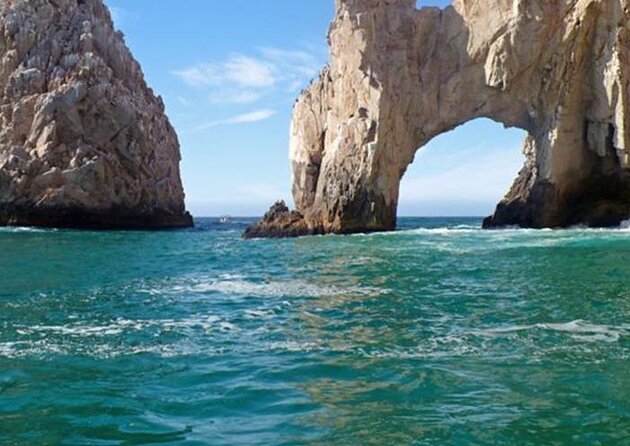
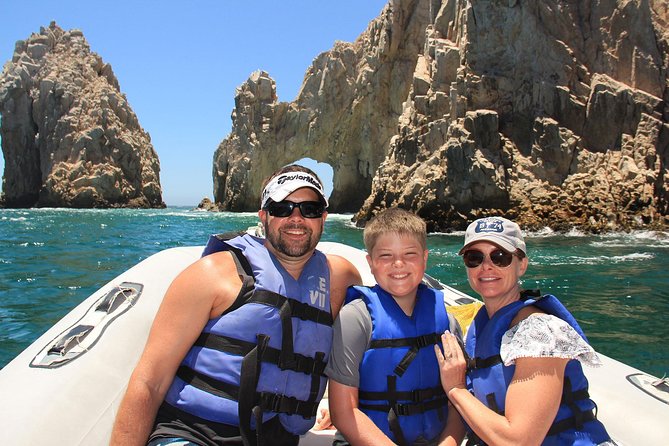
Before the whale search turns into the main event, you get a quick stop by boat at El Arco de Cabo San Lucas, also known locally as Land’s End. This granite formation rises dramatically and it’s one of Cabo’s most recognizable symbols—three stories above the area where the Pacific Ocean meets the Sea of Cortes.
The stop is short (about 10 minutes). That’s not a long sightseeing window, but it’s enough to grab a few good photos and orient yourself visually. I like that because it gives the trip a “where we are” feeling right away. Once you’re out on the water, Cabo can look like a blur of coastline and open ocean unless you mentally anchor where Land’s End sits.
Practical tip: take your photos early. When everyone gets excited later, people sometimes rush their pictures and miss the cleanest views.
Heading out for whales: what the marine biologist actually does
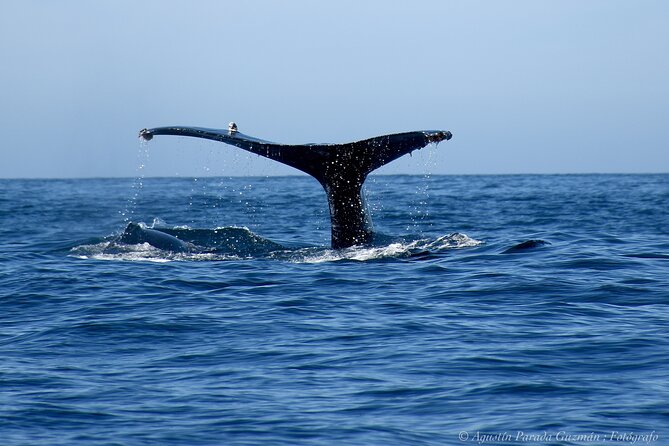
Once you board, your captain guides the ride and points you toward where whales may be surfacing—sometimes on the Sea of Cortes side, sometimes toward the Pacific side depending on conditions and sightings.
The onboard marine biologist’s role is not just name-drops. The focus is on the “why” of the area: how Baja geography affects life in the water, what the Sea of Cortes is like, and how different species behave. You’ll also have time to ask questions while you’re cruising.
This is where the experience can feel more than a checklist. In past trips, guides have been praised for knowing what to look for and for spotting whales in ways that turned a slow start into real action. People have described moments where the captain seemed to understand whale patterns and position the boat so sightings weren’t just random luck.
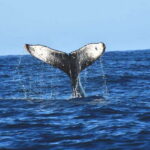
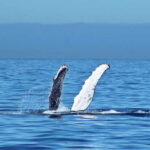
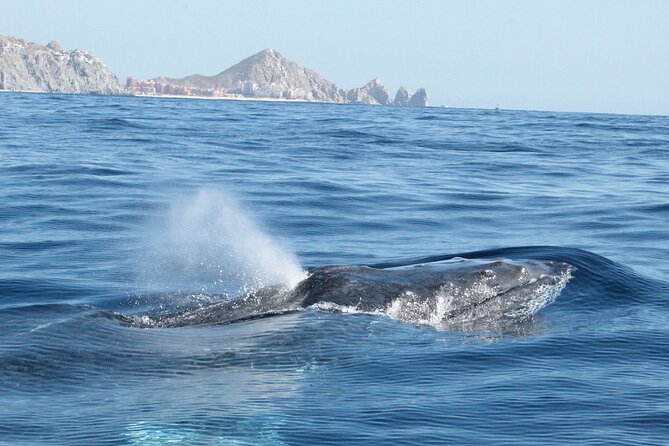
Species you might spot include humpbacks, gray whales, sperm whales, orcas, and dolphins. Blue whales are also mentioned as something that can appear in some seasons, though exact sightings depend on timing and conditions.
What you might see: humpbacks, dolphins, and the thrill factor
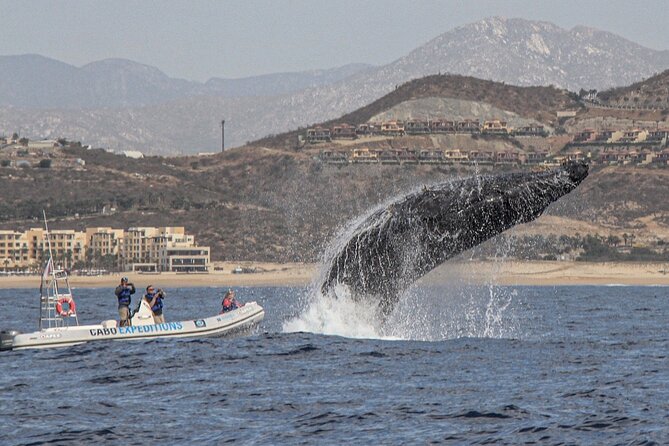
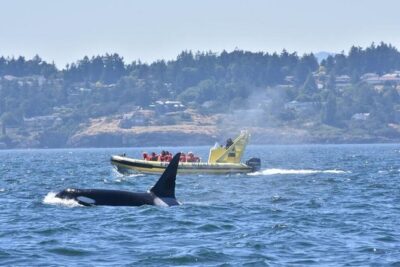
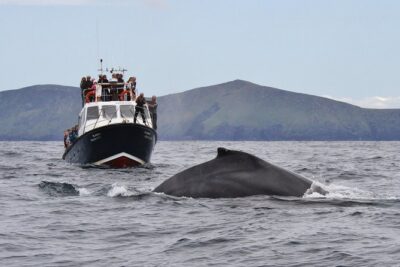
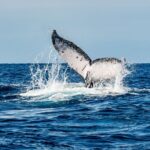
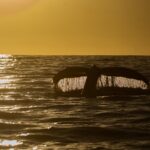
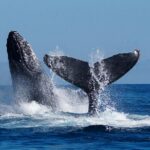
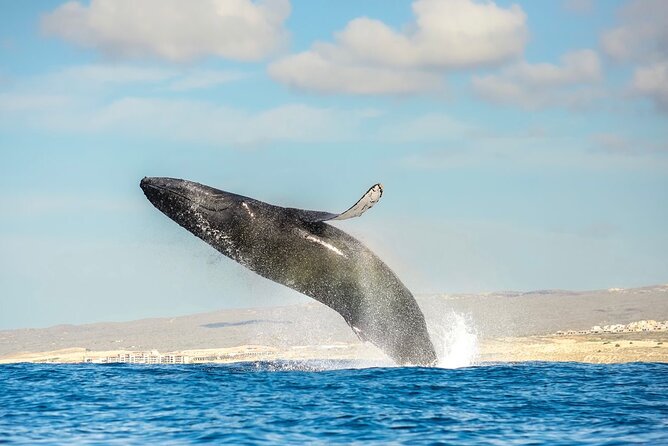
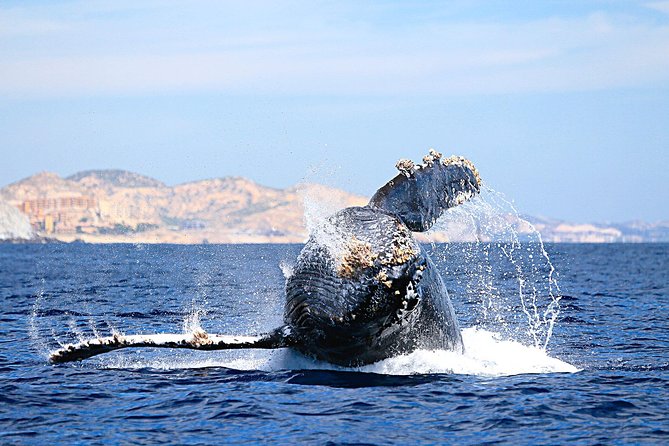
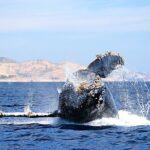
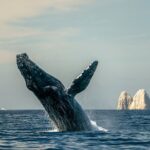
This cruise sells whale watching, but the best part is the variety. In the provided experiences, humpbacks show up again and again—often with dramatic surface behavior like breaches. People have also reported seeing calves with mothers, which tends to feel like the most memorable kind of wildlife encounter because it adds an extra layer of meaning beyond a single animal surfacing.
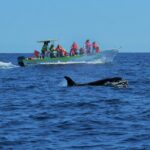
Dolphins are another frequent highlight. When they show up, they often make the trip feel like it’s alive even before the whales are in view. There have also been reports of orca sightings, though that’s not something you should promise yourself on any whale watch.
One pattern I’d plan around: you might see whales, but the number and timing can vary. Some cruises run hot; others are more “spot and wait.” Even when the water is active, photo quality depends on whether you’re lined up for the surfacing moments.
If you’re late in the season for migration, it can still be worth going. One account described successful sightings even after migration had started, so you’re not automatically out of luck just because you’re not going at the peak of the calendar.
Small-group size: the difference between great and just okay
This is where the details matter most.
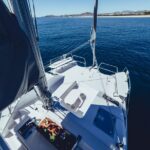
The tour is positioned as small-group. You’ll see references to a limit such as 15 people, and operator capacity guidance notes seats plus crew. However, at least one firsthand report described a boat that felt overcrowded and suggested the count on board didn’t match what was promised. That’s the key drawback to keep in mind.
Why does this matter? On a zodiac, the viewing angles are tight. If too many people stand in the wrong spots, your line of sight gets blocked. That can also reduce your ability to take clear photos at the exact moment whales breach or surface.
There’s another factor: conditions. Some reports mention rough water and a bouncy ride when speeding. The operator’s own safety guidance in responses also notes that guests with back problems or pregnant women are not allowed, which tells you this trip can be physically demanding when the ocean is active.
If you want the best experience:
- Choose your travel day for calmer water if you can.
- Bring a hat and hold it tight—there’s specific mention in accounts that you should hang on to your seat and hat.
- If you’re sensitive to motion or have physical limitations, take the operator’s restrictions seriously.
Notable guides and captains (names that came up)
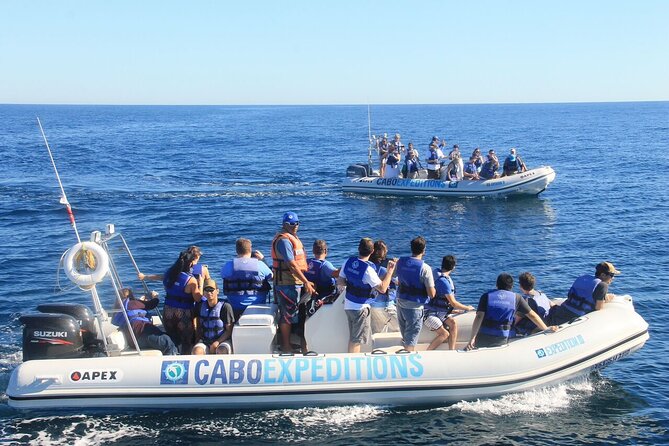
Guide quality can make or break a wildlife tour, and the names that surfaced repeatedly are a good clue that the crew often knows what they’re doing.
In different trips, people highlighted Katherine and captain Baltazar, praising kindness and the captain’s whale-finding strategy. Other accounts credited Oscar and Rodrigo for being fun and knowledgeable, and Fernando and Julio for tracking whales even when it was later in the season.
Jose also came up a lot—praised for experience, for timing the action right (people described whales breaching when the captain called it out), and for maintaining respectful distance, especially with mom-and-calf situations. Romel appeared in praise too, alongside Jose, for working hard to ensure whale sightings.
And then there’s Jaime, noted as a great captain with a recommended experience for observing whales.
You can’t guarantee which team you’ll get, but when you see multiple positive experiences tied to specific people, it’s a sign you’re not rolling the dice blindly.
Price and value: $85 plus the dock fee
The base price is $85 per person, and bottled water plus a professional guide are included. Not included: a $5 dock and protected areas fee per person. So budget closer to $90 total per person, depending on how your booking breaks out fees.
Is it good value? I think it can be, because you’re paying for three things that are hard to get in one trip:
- a zodiac designed for active searching
- a marine biologist onboard for context
- a small group experience (when the headcount stays within the promise)
If you were comparing against a big-boat excursion, the zodiac format usually improves your odds of seeing whales closer and more often, assuming the boat size stays reasonable.
There’s also a private upgrade option for just you and your family/friends. If you’re traveling with multiple people who want extra flexibility, privacy, and better photo control, that’s where the value can jump. For couples who just want the best chance of sightings and don’t need exclusivity, the standard small-group option is often the sweet spot.
Who this cruise is best for (and who should rethink it)
This tour fits best if you want:
- a hands-on whale hunt (not a sightseeing-only cruise)
- a marine biologist explanation while you’re on the water
- a zodiac ride that can chase whale activity in both the Sea of Cortes and Pacific side depending on where sightings are happening
It’s also a strong pick for photographers who want something other than a distant shoreline view. Several accounts pointed out how close whales can be when the captain positions well.
I’d rethink it if:
- you’re expecting guaranteed smooth sailing in all conditions, because some experiences described a rough, bouncy ride
- you have back issues or are pregnant, since the operator’s guidance indicates restrictions during potentially rough outings
- you’re extremely sensitive to crowds and standing-room photo problems, because one report flagged a mismatch in onboard count
Should you book this Cabo whale watch?
If you’re aiming for real whale sightings, this is an easy yes—especially if you’re comfortable with a small, fast boat and you’re okay with the ocean controlling the ride. The best versions of this experience center on close-up humpback action, dolphin sightings, and guides who understand whale behavior, with Jose showing up as a standout name in multiple accounts.
If your top priority is comfort and you hate the idea of blocked views, do a quick sanity check when booking: confirm the actual group size for your departure and ask how seating and capacity are handled. And plan for variable ocean conditions—bring the mindset that this is wildlife-first, not comfort-first.
FAQ
What species can I expect to see on this Cabo whale watching cruise?
The tour notes you may see humpback whales, gray whales, sperm whales, orcas, and dolphins. Blue whales are also mentioned as possible in certain seasons.
How long is the Small-Group Whale Watching Zodiac Boat Cruise in Cabo San Lucas?
The duration is approximately 2 hours 30 minutes.
Is the tour offered in English?
Yes, the tour is offered in English.
Where do I meet for the cruise?
You start at La Terminal de CaboMarina de Cabo San Lucas, Puerto 0, in front of Breathless Hotel (El Medano area).
Is hotel pickup or drop-off included?
No. Hotel pickup and drop-off is not included, and the activity ends back at the meeting point.
What’s included in the price?
Included features are bottled water and a professional guide.
What extra fee should I plan for?
There is a dock and protected areas fee of $5.00 per person that is not included in the base price.
How big is the group?
The tour is described as a small-group experience with a maximum that’s mentioned as up to 15 people in the highlights, and it’s also listed with a maximum of 13 travelers. It’s smart to confirm the exact cap for your date.
Can I upgrade to a private boat?
Yes, there is an option to upgrade to a private boat tour for just you and your family and friends.
What’s the cancellation policy?
You can cancel for free up to 24 hours in advance for a full refund. If you cancel less than 24 hours before the start time, there is no refund.
What happens if weather is poor?
This experience requires good weather. If it’s canceled due to poor weather, you’ll be offered a different date or a full refund.