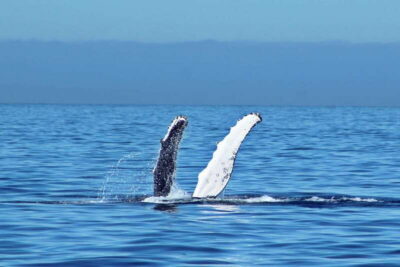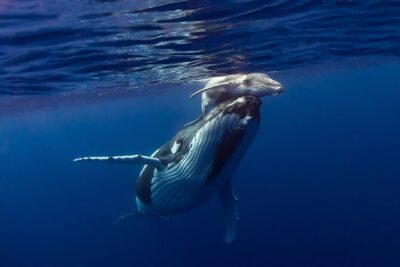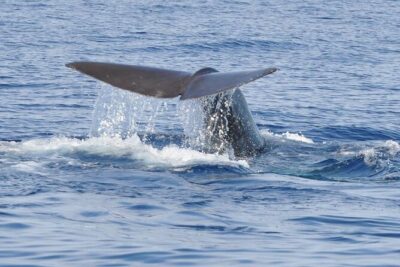
Whales off Mauritius can be surprisingly close. This late-morning speed-boat trip takes you west coast, where the crew uses a hydrophone in the water to locate whales and then keeps a respectful distance for great views and photos.
I particularly like two things: the hydrophone tracking method (plus listening for blows) and the small group size capped at 8, so you’re not packed in like sardines. It’s also built around real marine-life viewing, with live commentary on board.
The main consideration is that this is weather-dependent and sightings are not guaranteed, even with a 60% chance to see whales. If seas look rough, expect spray and choppier boat time.
In This Review
- Key highlights to know before you go
- Why West Mauritius is the right place for whales
- The 10:00 am meeting point and timing that actually matter
- Speed-boat + hydrophone: how the crew finds whales
- What “safe distance” looks like in the real world
- Species season guide: sperm whales vs humpbacks
- Beyond whales: sea life, dolphins, and the on-board commentary
- What’s included (and what’s oddly unclear)
- Weather reality: the bumpy boat and what to bring
- Price and value: is $69.79 worth it?
- Who should book this whale watch from Mauritius
- Should you book Dolswim’s Mauritius whale watching?
- FAQ
- What time does the whale watching tour start?
- How long is the experience?
- Where do I meet for the tour?
- Is seeing whales guaranteed?
- What types of whales can you see?
- What’s included in the tour price?
- What happens if the weather is bad?
Key highlights to know before you go
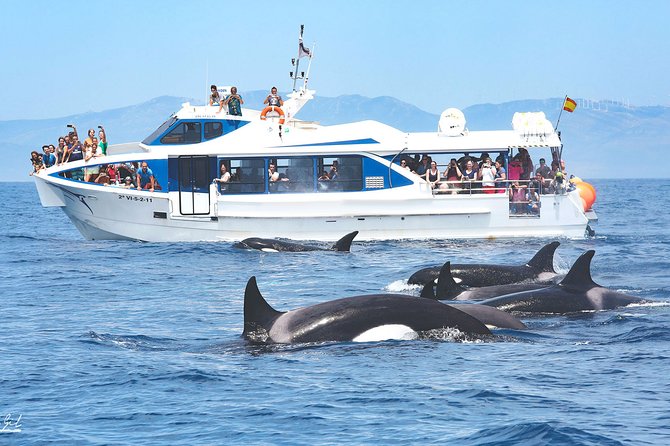
- Hydrophone searching on the west coast to try to localize where the whales are
- Smaller group (max 8) for a calmer, easier viewing experience
- Sperm whales year-round; humpbacks June to October depending on the season
- Respect rules and minimum approach distance so the animals aren’t disturbed
- Soft drinks and bottled water included, plus live commentary on sea life
Why West Mauritius is the right place for whales
Mauritius sits in a good position for whale watching, especially off the west coast near Grande Riviere Noire. The tour is designed for that exact reason: your boat heads out in search of whales where the crew believes they’ll be active.
Here’s the practical part. Sperm whales are possible all year, while humpback whales are seasonal from June to October. That matters because it changes what you hope to see based on when you’re visiting. If you’re traveling outside the humpback season, you’re still in the running for sperm whales.
This trip also does something I appreciate: it manages expectations upfront. You’re not promised a whale sighting. Instead, you’re given a stated 60% chance. That’s refreshingly honest. In a business where “maybe” can get dressed up as “certain,” this one keeps it real.
You can also read our reviews of more tours and experiences in Mauritius.
The 10:00 am meeting point and timing that actually matter
You meet at La Jetée Road, Grande Riviere Noire, Mauritius, with a start time of 10:00 am. The outing runs about 2 hours 30 minutes, and the tour ends back at the meeting point at around 1:00 pm.
A couple of timing tips for your day:
- Since there’s no hotel pickup or drop-off, plan your transport to arrive early and unhurried.
- Because the tour can be canceled for weather, it’s smart to keep some flexibility in your schedule around that 10:00 am window.
Also, you’ll be using a mobile ticket. Bring your phone with enough battery (and ideally offline access), because you don’t want to be hunting for signal right at the dock.
Speed-boat + hydrophone: how the crew finds whales
This is the core of the experience: a speed boat plus the crew’s hydrophone method. A hydrophone is a listening device used to detect underwater sounds, and the guide uses it to help locate whales. Once they’re in the right general area, whale blows can also help confirm where to look.
When it works, you get that best kind of whale watching. You’re not just scanning from a distance. You’re moving with purpose—then, once whales are found, you slow down and follow approach rules.
The operational detail that I think makes a difference is the crew’s focus on locating first, then viewing. That’s why the trip is built as a short, active search in open water rather than a long, aimless drift. Reviews also point out that guides like Clovis and Yobis, and Julian and Fletcher, emphasize safety, explanation, and respectful tracking—so you’re not left guessing what’s happening under the water.
What “safe distance” looks like in the real world
This tour’s whale-watching rules are not just a feel-good line. The goal is to keep from disturbing the whales while still getting close enough for photos.
In practice, that means:
- The crew watches approach limits and keeps a minimum distance
- They position the boat carefully once whales are spotted
- They avoid the kind of behavior that can stress whales
One recurring theme in the feedback is that this operator leans into ethical viewing rather than thrill behavior. Some other companies (in general) may push people toward swimming-type interactions with whales. Here, the emphasis is on staying with the whales without causing undue stress—and getting you the best views while doing it.
For you as a photographer (even a casual one), this approach helps more than you’d think. Stress and chaotic crowding usually means shorter sightings and worse photo conditions. A steady, calm boat around a whale group tends to produce better moments.
Species season guide: sperm whales vs humpbacks
You’ll see what you can see, based on timing.
- Sperm whales: can be observed year-round
- Humpback whales: seasonal, typically between June and October
That’s important if you’re planning a trip with a specific whale in mind. If you’re traveling outside the humpback season, don’t treat “humpback” as a default assumption. Treat sperm whales as the reliable target, because the operator states they’re possible year-round.
Either way, you’ll learn about the whales and the surrounding sea life once the boat is on site. The tour is built as a guided viewing, not a silent ride where you hope the boat driver can name the animals.
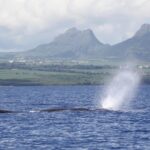
Beyond whales: sea life, dolphins, and the on-board commentary
Even when whales aren’t found quickly, the tour still aims to be educational. You get live commentary on board, and the crew shares information about Mauritius sea life. That’s a big value-add because it turns the experience into more than just a “spot it or not” moment.
And if you’re lucky, you might get extras. There are mentions of dolphins appearing near the shore during the return leg. That’s not something you should plan around, but it fits the broader idea of this as a marine-life outing rather than a single-species mission.
If whales do show up, the commentary plus the hydrophone tracking makes it easier to understand what you’re seeing—especially when you spot a blow and then watch how the crew positions the boat.
What’s included (and what’s oddly unclear)
The included basics are straightforward:
- bottled water
- soft drinks
- live commentary on board
But there’s one detail to double-check. The highlights section says a light lunch and beverages will be served. Meanwhile, the “Not Included” list specifically says Lunch. That conflict is worth addressing before you go.
So here’s my practical advice:
- When you book, confirm whether any lunch is actually part of the package for your date.
- If in doubt, plan to eat before or after the tour rather than counting on a meal.
You shouldn’t have to do mental math while standing on a dock in salt spray. Quick confirmation now avoids a dry sandwich later.
Weather reality: the bumpy boat and what to bring
This tour requires good weather. If conditions aren’t right, you’ll be offered another date or a full refund. That’s good protection.
Still, even with “good weather,” a speed boat ride can mean:
- spray
- wind
- potentially choppier water
One review notes people getting soaked and freezing due to rough winds, and that no one had mentioned bringing something to stay dry. So don’t repeat that mistake.
Pack like you expect some wet weather:
- Bring a poncho or waterproof outer layer
- Have a dry change of clothes ready if you can
- Bring your camera, but keep it protected from spray
Also, do yourself a favor and show up early. If you arrive flustered, you lose the chance to focus on the fun part: the search and the sightings.
Price and value: is $69.79 worth it?
At $69.79 per person, this whale watching tour is priced like an active, specialized experience. Here’s what you’re paying for, beyond the boat ride:
- a small group (max 8)
- hydrophone-based searching
- live on-board interpretation
- bottled water and soft drinks
- a stated 60% chance of spotting whales
The “value” really depends on how you handle uncertainty. If you need a guaranteed whale photo, any whale tour is the wrong category. But if you’re okay with the search and you want a solid shot—especially for sperm whales year-round—the price feels reasonable for what’s included.
The other value question is logistics. There’s no hotel pickup/drop-off, so your own transport cost and time matter. If you’re staying close to the meeting point area, you’ll likely feel like you got a better deal. If you’re far away, factor in how you’ll reach La Jetée Road.
And remember the lunch ambiguity. If lunch is not included on your exact booking, the price is still workable, but you shouldn’t assume you’ll be fully fed during the outing.
Who should book this whale watch from Mauritius
This one fits best if you:
- want an ethical, distance-respecting approach to whales
- enjoy guided wildlife viewing with clear explanations
- like a smaller group format (max 8)
- are visiting during a time when humpbacks are possible if that’s your target (June to October)
It’s also listed as suitable for most travelers, with the key rule that children must be accompanied by an adult.
It’s not the best match if you:
- hate boats or rougher water conditions
- need a sure thing (no whale guarantee, even with the stated chance)
- are counting on lunch being included without confirming
Should you book Dolswim’s Mauritius whale watching?
I’d book this if your goal is a well-run whale hunt off Mauritius, with a crew that focuses on finding whales first and then staying within approach rules. The hydrophone method and the small group size add real value.
I’d hesitate only if you can’t handle uncertainty or you know you’ll struggle with wind and spray. In that case, look for a more comfortable day plan and keep the whale trip as an optional add-on if conditions look favorable.
If you do book, do one thing that improves your odds of a smooth experience: confirm whether there’s actually lunch on your date, and bring gear for wet, windy boat time.
FAQ
What time does the whale watching tour start?
The tour starts at 10:00 am.
How long is the experience?
It’s about 2 hours 30 minutes (approx.), and it ends back at the meeting point at around 1:00 pm.
Where do I meet for the tour?
You meet at La Jetée Road, Grande Riviere Noire, Mauritius.
Is seeing whales guaranteed?
No. The operator states a 60% chance of seeing whales, and sightings can’t be guaranteed.
What types of whales can you see?
Sperm whales can be seen year-round. Humpback whales are seasonal, typically between June and October.
What’s included in the tour price?
Included items are bottled water, soft drinks, and live commentary on board.
What happens if the weather is bad?
The experience requires good weather. If it’s canceled due to poor weather, you’ll be offered a different date or a full refund. You can also cancel up to 24 hours in advance for a full refund.