REVIEW · BYRON BAY
Premier Whale Watching Byron Bay
Book on Viator →Operated by Out Of The Blue Adventures · Bookable on Viator
Whales off Byron Bay are real and close. This small-boat cruise takes you into Cape Byron Marine Park with a marine biologist onboard, so you’re not just scanning the water. You’ll learn how humpbacks behave, why they breach, and what whale song sounds like when the team uses an underwater hydrophone.
I really like two things here. First, the live guiding is front-and-center, with crews sharing whale behavior in plain language (people even call out guides like Hazel, Emily, and skipper-led crews for being clear and passionate). Second, the tour is built for comfort in real coastal weather, with lifejackets, waterproof ponchos, and a spray jacket setup so you can stay on the lookout instead of huddling.
One thing to consider: this is not a simple sit-at-the-marina-from-Byron experience. You meet in Ballina (the boat departs from Ballina’s Lance Ferris Wharf), so you’ll want a plan for getting there if you’re starting in Byron Bay.
In This Review
- Key things that make this whale watching tour work
- Why humpback whales around Cape Byron are such a big deal
- Marine biologist commentary: what you’ll actually learn on board
- Getting to the boat: Ballina’s Lance Ferris Wharf is the key
- The gear and the boat ride: comfort matters when the sea has ideas
- How the crew finds whales: flexible route, focused searching
- What to expect in the water: breaches, blows, and calves
- Whale song with the hydrophone: hearing what you came for
- Dolphins and extra wildlife: the welcome bonus
- Price and value: what $92.52 buys you (and why it can be worth it)
- Who this tour suits best
- Before you go: the few decisions that make the day better
- Should you book Premier Whale Watching Byron Bay?
- FAQ
- Where do I meet for the tour?
- Is the tour actually starting in Byron Bay?
- How long does the whale watching experience take?
- What’s included on board?
- Do I get a spray jacket?
- Can I get photos from the trip?
- What are my chances of seeing whales?
- What happens if the weather is poor?
Key things that make this whale watching tour work
- Marine biologist guidance while you’re watching, not a lecture at the dock
- Hydrophone whale-song moments so you can hear what you’re seeing
- Small group size (max 20) for better whale-spotting focus
- Weather-ready gear like lifejackets, waterproof ponchos, and a spray jacket
- Free professional photos uploaded digitally, so you don’t need to nail every shot
Why humpback whales around Cape Byron are such a big deal
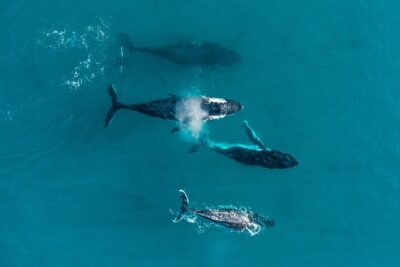
If you only know humpbacks from documentaries, this will recalibrate your brain fast. Along the NSW coast between Ballina and Cape Byron, these whales migrate through the same stretch in winter months (June–November). That’s why this area is so popular: it’s where the whales pass through—and where you’re aiming your time.
What makes the tour genuinely interesting is that it’s designed around whale behavior, not a fixed script. The crew goes where the whales are likely to be, so your odds don’t rely entirely on luck at one single location. On top of that, they’re watching for humpbacks doing their signature behaviors: breaching and surfacing to blow and reset their breathing rhythm.
You can also read our reviews of more tours and experiences in Byron Bay.
Marine biologist commentary: what you’ll actually learn on board
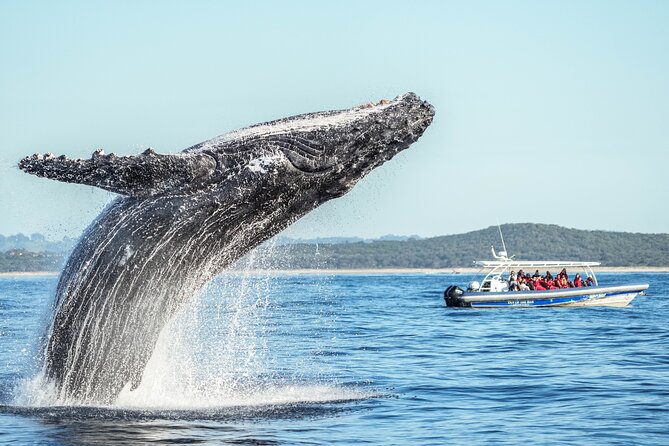
The biggest win with this tour is that the science isn’t hidden behind a speaker. A qualified marine biologist guide is on board with live commentary, focused on what humpbacks are doing and what that can mean.
Here’s the kind of stuff that tends to click for first-timers:
- Breaching is not random theater. You’ll hear context on what whales may be doing as they move and communicate.
- The timing of surfacing matters. If you spot a blow, you learn why the next view might happen soon—or might take time.
- How whale singing works. Using an underwater hydrophone lets you pick up whale vocalizations in a way you simply can’t do from the shore.
Even better, this tour can also add extra wildlife texture without distracting from whales. During the cruise, you might see other marine and bird life, and there can be resident dolphin pods in the mix. That matters because it keeps the experience lively even if the whales aren’t right at the surface the whole time.
I also like that the guiding style seems built for real people, not jargon. Names that come up in this experience include marine biologists like Hazel and Emily, and they’re the kind of guides who talk in a way that helps you keep your eyes on the water.
Getting to the boat: Ballina’s Lance Ferris Wharf is the key
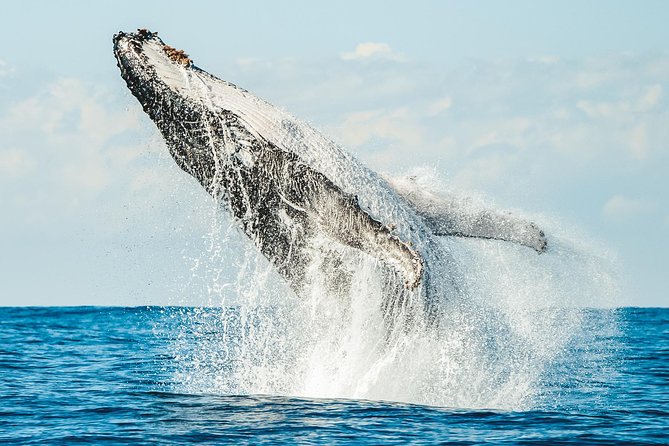
Here’s the practical detail that can make or break your morning: the boat does not start from inside Byron Bay harbor. Your meeting point is at Ballina’s Lance Ferris Wharf, directly in front of the Wharf Bar & Restaurant at 12–24 Fawcett St, Ballina.
That’s why the tour is marketed for Byron Bay, but the on-the-water part is run from Ballina. If you’re staying in Byron Bay, plan on getting yourself (and your group) to Ballina ahead of check-in. Transfers from Byron Bay to the wharf aren’t included, so if you don’t already have transport, build that into your schedule.
You’ll also want to arrive 30 minutes before departure. That’s not just for paperwork. It gives you time to settle in, get your gear sorted, and be ready before you head out into the Cape Byron Marine Park zone.
The gear and the boat ride: comfort matters when the sea has ideas
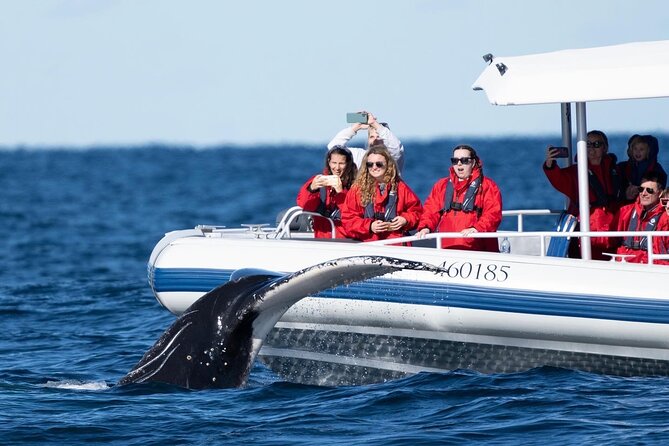
This isn’t a tiny glassy-lake cruise. The coast can get choppy, and this is why the outfitting here is more than a checklist.
You’ll be provided with:
- Life jackets
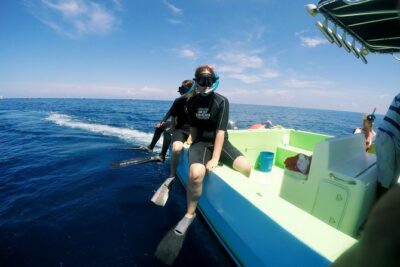
- A waterproof poncho
- Spray jacket protection (built for the elements)
I like these details because they directly affect your attention span. When you’re warm enough and dry enough, you can keep scanning instead of drifting into complaint mode. And since whale watching is all about spotting motion and timing, that focus helps.
Also note the tour runs with a small group (maximum 20 travellers). Smaller groups usually feel calmer on deck and can mean you’re not constantly bumping elbows while craning your neck.
In short: bring your seasickness strategy if you’re sensitive. Some people end up dealing with rougher water conditions, and it’s easier to manage before you’re already committed to the ride.
How the crew finds whales: flexible route, focused searching
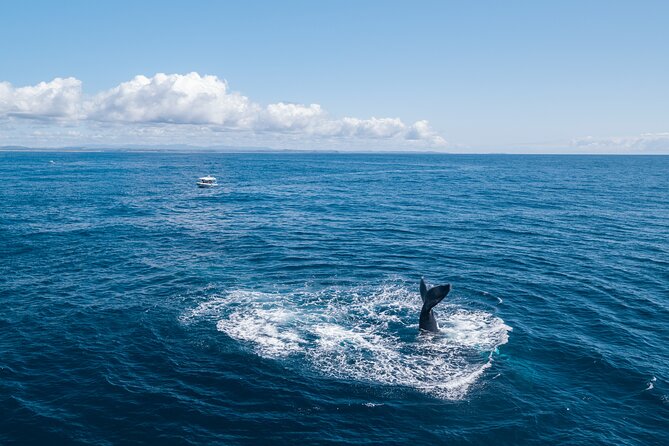
Unlike tours that treat whale spotting as a lottery at one spot, this experience is set up to adjust based on whale movement. Humpbacks are seen along the coast between Ballina and Cape Byron, and where you go depends on where the whales are at that time.
In plain terms, that means:
- you head toward areas the whales are known to pass through during migration,
- you spend time watching and tracking,
- and if the whales aren’t cooperating where you first aim, the crew works to maximize your chances.
A lot of the best moments people talk about are “quick first sightings” and “lots of whales.” That’s exactly what flexible searching is meant to support—spending time in the right places instead of hoping the first spot stays active for the entire trip.
And there’s also a whale guarantee: if you don’t see a whale, the operator offers either a return for a free trip. That’s a meaningful detail, because it signals the experience is managed with a results mindset—not just a time-on-water mindset.
What to expect in the water: breaches, blows, and calves
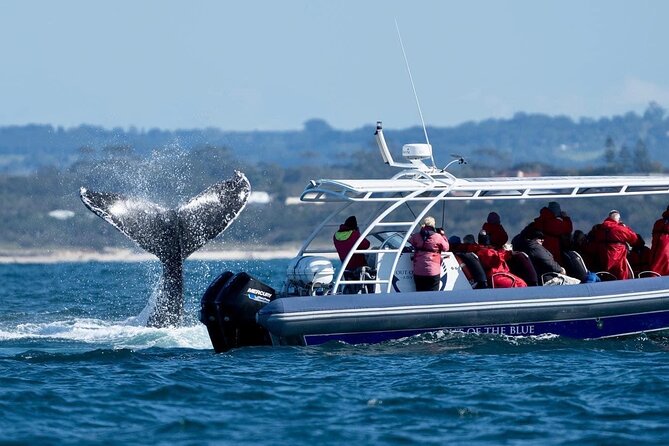
When humpbacks show up well, it’s not subtle. You’re looking for:
- blows on the surface,
- body movement and surfacing patterns,
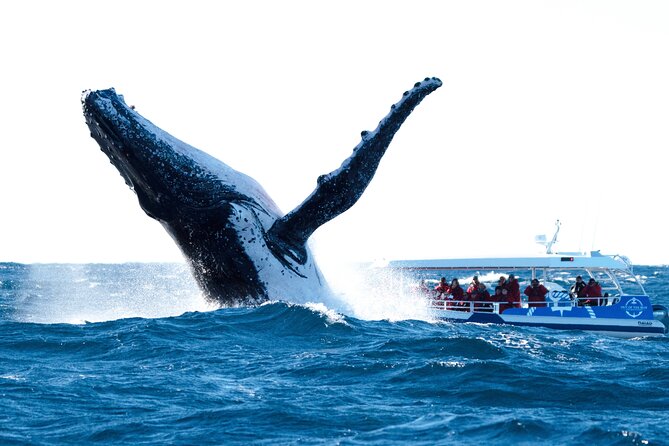
- and sometimes breaching that can look almost unreal.
This is the kind of wildlife viewing where the first sighting changes the whole mood. Once people start calling out blows and comparing what they’re seeing, the entire boat becomes a coordinated search team.
You may also get special encounters like calves with mothers. If you’re lucky, you’ll see the mother-calf dynamic—pairs can stay close enough that your attention gets rewarded with repeated glimpses as they surface on their pattern.
Just remember: whales aren’t predictable like bus arrivals. Even if you’ve got a great crew and great conditions, whales spend time below the surface. The key is how long the tour is and how effectively the crew keeps repositioning and scanning. This one is built for a solid time window (about 2.5 hours total, with a chunk of that actively spent out on the water).
Whale song with the hydrophone: hearing what you came for
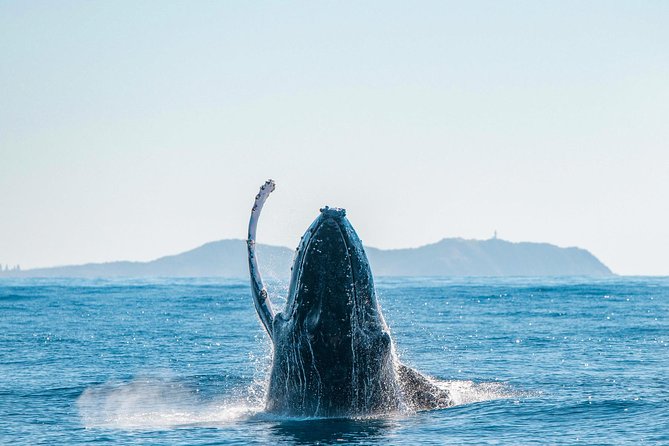
One of the most distinctive aspects is the underwater hydrophone used during the cruise. Whale watching from a boat is visual first—but the hydrophone adds a second layer: sound.
Humpback singing is a huge part of why these whales are famous. When you hear vocalizations while you’re also watching surfacing and movement, your brain links the two and the behavior makes more sense. It’s the closest you can get to understanding the whales as living, communicating animals while you’re still seeing them in the open ocean.
If you’re the type who likes to leave with more than just photos, this part is the value booster. It turns the trip into a learning experience without making it feel like a classroom.
Dolphins and extra wildlife: the welcome bonus
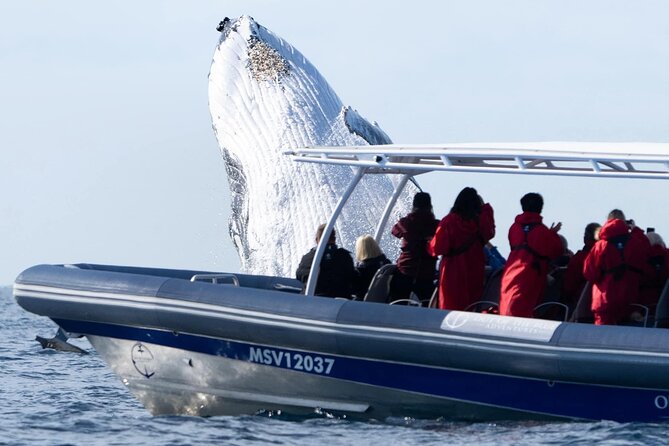
Even with a humpback focus, you’re not guaranteed whales every second. This is where extra wildlife spotting helps keep things engaging.
The experience includes the possibility of seeing:
- resident pods of dolphins
- other marine and bird life along the way
Dolphins can also be useful as an energy signal; their movement often indicates active water and nearby food, which can correlate with why bigger animals might also be in the area. It’s not a rule, but it’s one reason the spotting calls can feel constant.
If the sea conditions are tough, dolphins and bird life can also provide satisfying sightings without you having to wait for the whales to pop up on schedule.
Price and value: what $92.52 buys you (and why it can be worth it)
At $92.52 per person, this isn’t the cheapest thing to do in the Byron–Ballina region. But the value is strong if you care about the details that make whale watching actually feel like whale watching.
Here’s what you’re paying for, in real-world terms:
- A qualified marine biologist guide with live commentary
- Guaranteed focus on whale sightings, including a whale guarantee or return option
- Comfort gear (life jackets, waterproof ponchos, spray jacket protection)
- Hydrophone whale-song experience
- Free professional digital photos uploaded after the tour
The “small boat, max 20” factor also matters. It’s part of the quality of the experience because it supports easier spotting and a more personal feel. And the photos reduce the pressure on you to capture perfect images on a moving deck.
If you’re traveling with family, a young adult group, or anyone who likes hands-on learning, this price tends to pencil out better than generic cruises where you’re just paying for time on the water.
Who this tour suits best
This is a great fit if:
- You want humpback whale viewing in the Byron region but you’re okay meeting in Ballina
- You enjoy learning while you watch (not just staring out a window)
- You want a small group setting rather than a crowd
It’s also likely a good choice in winter migration season (June–November), since humpbacks are passing through then.
It’s not recommended for children under 5, and children must be accompanied by an adult. If you’re bringing kids who hate cold or wind, the poncho and spray jacket help—but you’ll still want to dress for coastal weather.
Before you go: the few decisions that make the day better
A couple of choices set you up for a smoother cruise:
- If you’re staying in Byron Bay, plan your transport to Ballina’s wharf in advance since transfers aren’t included.
- Dress for spray and wind even if the morning looks calm on shore.
- If you know you get motion sick, handle it early. Choppy water can happen on the coast.
Also, since this is a marine environment experience and whales are wild animals, go in expecting variability. A good crew and smart searching can maximize odds, but nature still runs the show.
Should you book Premier Whale Watching Byron Bay?
Yes, you should book this tour if you want a whale watching outing that’s built around real information and a results mindset—not just a boat ride. The hydrophone add-on, the marine biologist onboard, the small-group setup, and the comfort gear are exactly the combination that turns a few sightings into a full memorable experience.
I’d think twice only if Ballina logistics (getting there from Byron) will be a headache for you, or if you’re very sensitive to motion and weather. If you can solve transport and dress for the elements, this one is a strong pick for humpback season in the Byron–Cape Byron area.
FAQ
Where do I meet for the tour?
Meet at Lance Ferris Wharf directly in front of the Wharf Bar & Restaurant, 12–24 Fawcett St, Ballina.
Is the tour actually starting in Byron Bay?
Even though it’s tied to the Byron Bay area, the boat departs from Ballina’s Lance Ferris Wharf.
How long does the whale watching experience take?
The duration is approximately 2 hours 30 minutes.
What’s included on board?
You get live commentary, a qualified marine biologist guide, life jackets, a waterproof poncho, and free professional photos uploaded to social media.
Do I get a spray jacket?
The tour includes use of a spray jacket to help protect against the elements.
Can I get photos from the trip?
Yes. Free professional digital photos are provided as a memento, uploaded to social media.
What are my chances of seeing whales?
Humpbacks are seen along the coast in the region, and the crew goes to where whales are likely to be based on conditions. There’s also a whale guarantee or a free return trip.
What happens if the weather is poor?
The experience requires good weather. If it’s canceled due to poor weather, you’ll be offered a different date or a full refund.