REVIEW · OAHU
1.5 Hour Waikiki Whale Watching with E Sea Diver (Shuttle Option)
Book on Viator →Operated by E SEA DIVER · Bookable on Viator
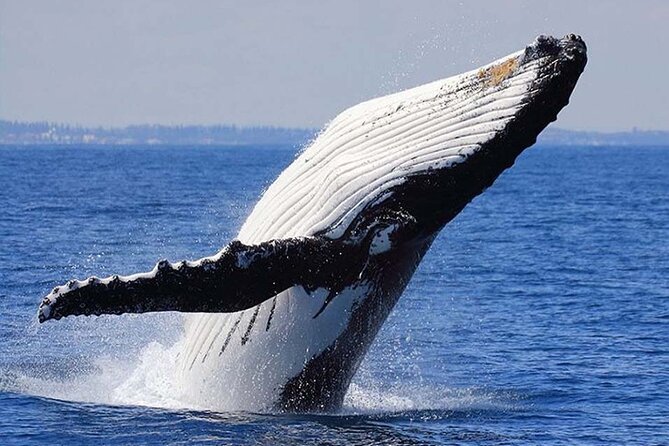
One sentence, short and simple: whale season is a gamble. That’s also why this 1.5-hour E Sea Diver cruise is so fun—your guide hunts the best viewing spots near Honolulu, and the boat experience keeps the momentum going even when whales play hard to get.
I like two things most. First, you get a real nature outing without eating your whole day: about 90 minutes to 2 hours on the water, with basics handled onboard (restrooms, water, juice, light snacks, and binoculars). Second, the crew energy matters here; I love the way the captain and staff call out sightings fast and keep things lively, with names like Captain Chad and Isaiah showing up in standout accounts.
The main drawback to plan for: whale sightings aren’t guaranteed, and if you don’t spot whales, the return option comes with limits (including revisit fees and some “no refund” rules depending on timing/terms).
In This Review
- Key Things That Make This Whale Cruise Work
- Pier E to Open Ocean: Your Waikiki-Area Launch Point
- What to expect from the boat
- Whale Season Timing: Why November to April Changes Everything
- Even in whale season, expect unpredictability
- The 1.5-Hour Cruise: What the Time Budget Buys You
- What you might see besides whales
- What’s Included Onboard: Snacks, Restrooms, Binoculars
- Why binoculars change the experience
- Restrooms reduce stress
- Spotting with the Crew: Captain Chad and Isaiah’s On-Boat Style
- What “active spotting” looks like in real life
- One fair caution on communication
- The Whale Guarantee Reality: What Happens If You Don’t See Whales
- The key rule: you generally won’t get a cash refund for missed sightings
- Off-season planning note
- Group Size and the Feel of the Cruise (Up to 120)
- Who This Cruise Is Best For (And Who Might Want a Different Option)
- You might want a different choice if…
- Price and Value: Why $29 Can Make Sense in Waikiki
- The Bottom Line: Should You Book This Whale Watching Cruise?
- FAQ
- How long is the E Sea Diver whale watching cruise?
- Where does the tour depart from?
- What’s the price per person?
- What’s included in the ticket?
- What happens if there are no whales?
- Is there free cancellation?
Key Things That Make This Whale Cruise Work
- Pier E location: easy to start from Honolulu’s Ala Moana area, with a clear meeting point at E Sea Diver Pier E.
- Short time, big payoff: a tight cruise window that fits people doing beaches, hikes, and dinner reservations.
- Crew-led spotting: the captain and guides actively look for whales and help you track what you’re seeing.
- Onboard comfort basics: restrooms, water/juice, and light snacks plus binoculars to improve your odds.
- Winter-season focus: this is built around the humpback season (typically November to April), so timing matters.
- A plan if whales don’t show: the operator offers another go during whale season, often via a return option.
Pier E to Open Ocean: Your Waikiki-Area Launch Point
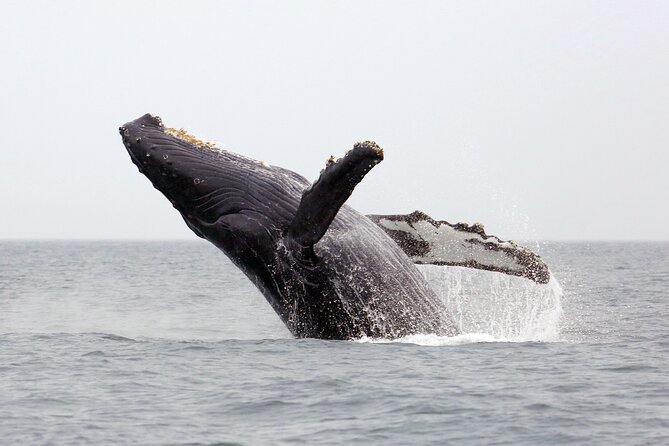
This cruise has a very “get going fast” setup. You’ll meet at E Sea Diver Pier E, 1025 Ala Moana Blvd, and the activity ends back at that same spot. If you’re staying in or near Waikiki, that’s a plus because you’re not spending hours crossing the island to start a short outing.
There’s also a shuttle option described as pickup from select hotels. If you want that convenience, it’s worth confirming what counts as “select” for your address when you book, since the tour notes transportation details separately.
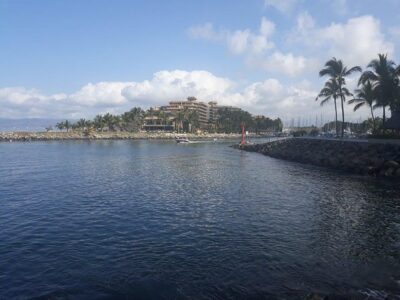
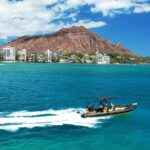
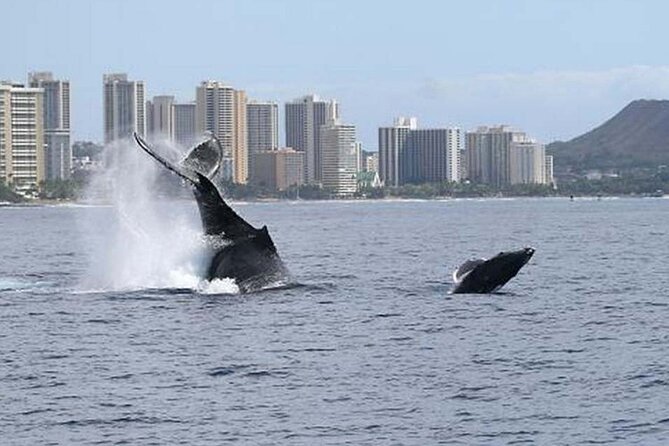
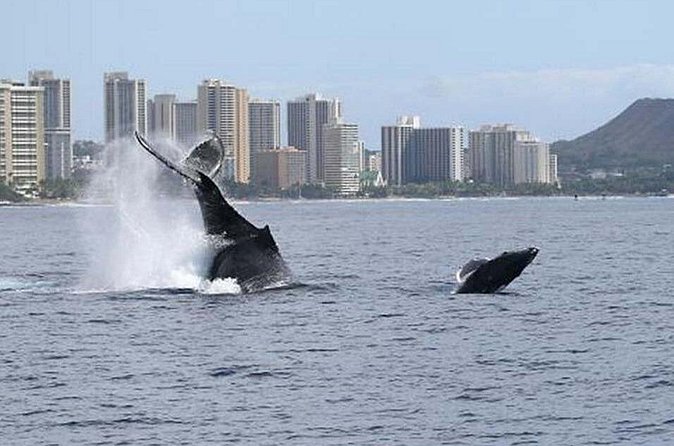
Once you’re on the boat, you’re not stuck below deck. People talk about the view from the balcony or the front area, and you’ll likely get familiar Honolulu scenery along with the ocean wildlife hunt—things like the Diamond Head view from the water came up in accounts too.
You can also read our reviews of more tours and experiences in Oahu.
What to expect from the boat
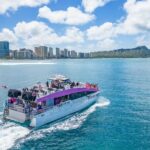
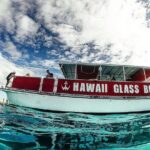
The boat is described as a multi-deck catamaran. That matters because you can move around for sightlines and fresh air, and you’re not trapped in a single viewing corner for the whole outing. Also, this isn’t a “stare at screens” tour: you’re out on rolling water, so bring a mind-set for waves and holding on when the deck gets lively.
Whale Season Timing: Why November to April Changes Everything
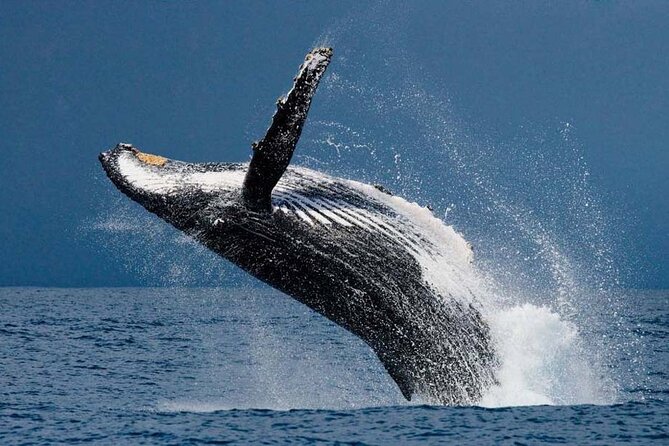
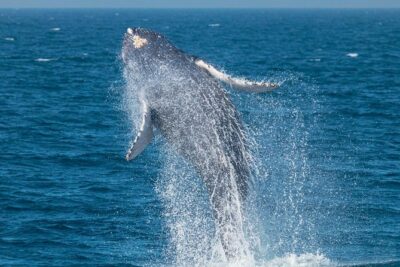
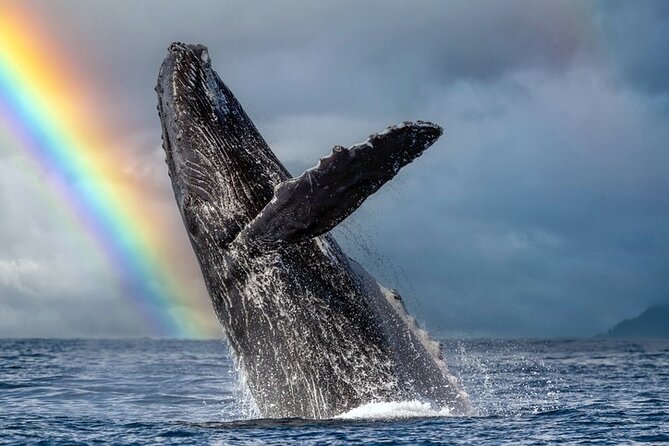
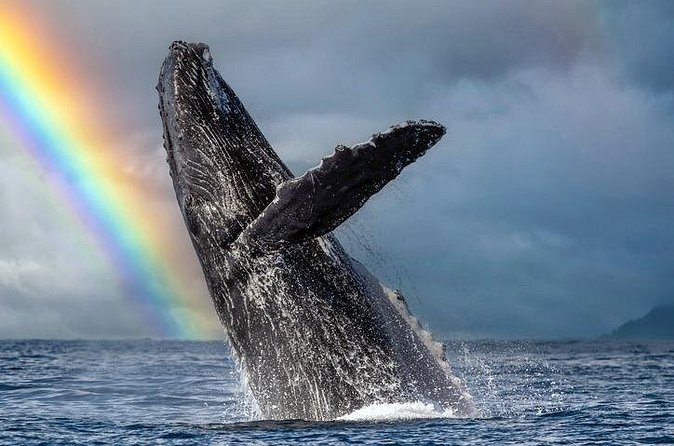
This experience is positioned around the humpback whale season. One message from the operator clearly points to whale season typically being November to April, when humpbacks migrate through Hawaiian waters. That’s a huge part of the value equation: you’re paying for the chance to see whales, and the tour is built for the months when those chances are realistic.
In plain terms: if you go outside the peak window, you should expect a different reality. In one case, a customer was told they booked what the operator calls a snorkeling tour rather than a whale tour during off-season conditions. The lesson for your planning is simple—match your dates to the season if you truly want humpbacks.
Even in whale season, expect unpredictability
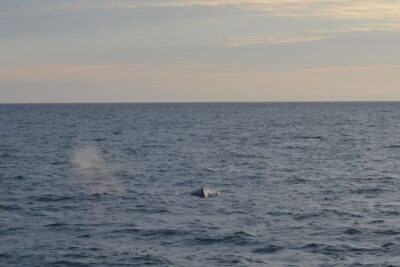
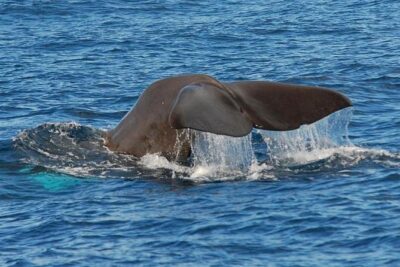
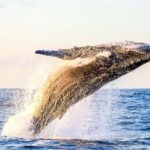
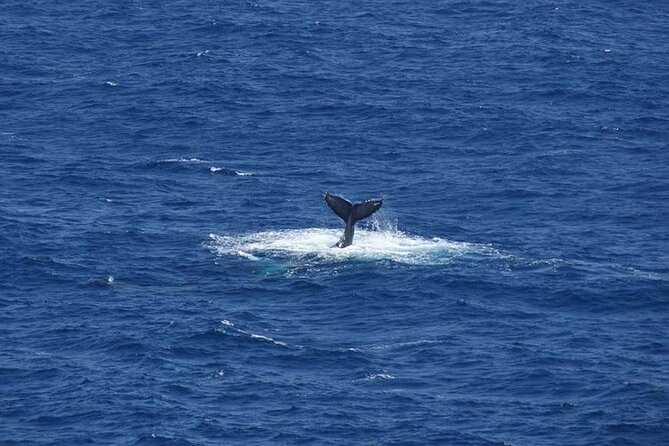
Humpbacks can be spread out. You might see a mother and calf, you might see whales only at a distance, or you might come away with dolphins and turtles instead. That’s why the short duration can be such good value: you’re not locking yourself into a full-day “nothing but whales” promise.
The 1.5-Hour Cruise: What the Time Budget Buys You
The duration is listed as about 1 hour 30 minutes to 2 hours. That time window is why this cruise suits a lot of Honolulu itineraries. If your schedule is tight, you’re still getting real ocean time—plus the chance for humpbacks—without losing your entire morning to transit and wait time.
This is also a practical tour length for wildlife watching. A too-long cruise can feel repetitive if nothing is happening. Here, if the crew finds activity, it’s likely you’ll catch it within the ride window—and if it doesn’t happen, you’re back in town quickly enough to pivot.

What you might see besides whales
Even when humpbacks are quiet, the boat can turn into a broader marine life outing. Multiple accounts mention dolphins (including spinner dolphins), sea turtles, and other ocean activity. One very upbeat trip result was “dolphins galore,” even when whales didn’t make an appearance.
That’s not a guarantee, but it’s a strong pattern: the cruise isn’t dead if whales don’t show up at your exact moment.
What’s Included Onboard: Snacks, Restrooms, Binoculars
This tour isn’t just “get on a boat and hope.” The listed inclusions are solid for a short cruise:
- Bathrooms onboard
- Water, juice, and light snacks
- Binoculars for spotting
On hot days, having cold drinks and something small to eat helps a lot. There’s also mention of granola bars and lemonade in accounts, which matches the general idea of simple onboard snacks rather than a full meal service.
Why binoculars change the experience
If you’ve ever watched whales from shore, you know how easy it is to miss the details. With binoculars, you’re more likely to identify a blow/spout, track a surfacing pattern, and notice behavior you’d otherwise overlook. That makes the whale-spotting component feel more “hands-on” instead of purely luck-driven.
Restrooms reduce stress
A bathroom onboard sounds basic, but it changes comfort during a 90-minute ride—especially if you have kids or you’re watching hydration in the heat.
Spotting with the Crew: Captain Chad and Isaiah’s On-Boat Style
The crew experience is one of the clearest winners in feedback. People highlight that staff are friendly, fun, and attentive, and that they take active steps to look for whales. The operator also appears to emphasize education, not just searching.
Names that came up repeatedly include:
- Captain Chad
- Isaiah (including a call-and-response style moment described as a chicken call used to get attention)
- Other crew mentioned in accounts, like Marlee, Rylee, Clint, and Kelsea
What “active spotting” looks like in real life
You’re not just cruising in a straight line. The setup is built for locating whales, then calling out sightings quickly. Several accounts describe crew doing their best to help passengers spot whales and even follow whales for a while when they’re visible.
It also sounds like the crew uses humor and interaction. That matters because it keeps the trip from feeling like a tense waiting game. Even people who didn’t see many whales often still rated the experience highly because the vibe stayed positive.
One fair caution on communication
Not every account was perfect. A couple of lower ratings mention limited communication or a feeling that the crew wasn’t very engaged. If you’re the type of person who wants lots of whale facts the whole time, I’d suggest showing up expecting a fun mix—some tours lean more toward comedy and callouts than constant narration.
The Whale Guarantee Reality: What Happens If You Don’t See Whales
This is the part you should read with your wallet in mind. Whale sightings are wild-animal sightings, so you need a backup plan.
The tour details include a revisit option with a $7 per person fee. But the feedback also includes accounts where people were offered a return free pass or another go at no extra cost. Those two details don’t contradict so much as they suggest terms may vary by season, schedule, or the specific booking you made.
The key rule: you generally won’t get a cash refund for missed sightings
One message from the operator states refunds aren’t offered when whales aren’t seen under certain introductory rate time frames. Another exchange emphasizes that whales aren’t guaranteed and policies govern what happens next.
So here’s how I’d plan: if whales are the sole reason you’re going, don’t book this as your only whale option on your island calendar. Instead, treat it as your “first attempt,” then keep flexibility to use the return option (if it fits your dates).
Off-season planning note
If you’re traveling outside November to April, expect a lower likelihood of humpbacks, and it’s possible the operator won’t run true whale tours in the same way. If you’re unsure, ask before you go so you aren’t paying expecting something the operator can’t deliver for those dates.
Group Size and the Feel of the Cruise (Up to 120)
The maximum listed size is 120 travelers. That gives you a rough idea of how crowded it might feel at peak times.
On a multi-deck catamaran, that’s usually manageable because you can spread out across levels. Still, if you want quieter sightlines and less crowding on the railing, you’ll likely have a better time by going early in the boarding flow and claiming a spot that matches your preferred viewing angle.
Who This Cruise Is Best For (And Who Might Want a Different Option)
This whale watching cruise fits best when you want:
- A short nature outing from Honolulu
- A crew-led experience with humor and active searching
- A value price point relative to longer full-day tours
It’s especially good for families and mixed groups, since onboard basics like restrooms and light snacks make the ride easier. Accounts also mention accessibility for people with mobility needs, so if that’s part of your planning, this is worth considering.
You might want a different choice if…
If humpbacks are your one non-negotiable goal and you only have a single morning available, think twice. Whale behavior and location are unpredictable. This tour can turn into a dolphin and turtle outing (still fun), but it won’t let you control what you see.
Also, if you’re the type who needs constant narration, you might prefer a more structured whale-focused tour with stronger live commentary throughout. This one seems to blend entertainment, education, and whale searching.
Price and Value: Why $29 Can Make Sense in Waikiki
At $29 per person, this cruise isn’t priced like a premium, all-day whale expedition. That’s a big part of the appeal: you’re paying for a short, local outing with enough onboard support to make the time worthwhile even if sightings are brief.
The value hinges on two things:
- Timing (are you in November–April?)
- Your willingness to accept wildlife variability
If you’re traveling during whale season and you’re flexible enough to enjoy the ocean ride, the included binoculars, snacks, and restrooms make the cost feel more reasonable. And if the return option works with your schedule, the “cost per chance” improves.
The Bottom Line: Should You Book This Whale Watching Cruise?
I’d book this if you want a straightforward, short whale watching attempt from the Honolulu area, and you’re traveling during the humpback season window (roughly Nov–Apr). The best case includes humpbacks (even a calf), plus dolphins and turtles, and a crew that turns whale searching into something you actually look forward to.
I’d think twice if your plan depends on whales as an absolute guarantee, or if you only have one tight morning and no flexibility afterward. That’s not a flaw in the tour—it’s how wildlife works—but it can matter to your peace of mind.
If you go in with the right expectations—great crew, decent odds in season, and a plan for the possibility of no whales—you’ll probably feel like the time was well spent.
FAQ
How long is the E Sea Diver whale watching cruise?
It runs about 1 hour 30 minutes to 2 hours.
Where does the tour depart from?
The meeting point is E Sea Diver Pier E, 1025 Ala Moana Blvd, Honolulu, HI 96814, USA. The tour ends back at the meeting point.
What’s the price per person?
The price is $29.00 per person.
What’s included in the ticket?
Bathrooms, water/juice, light snacks, and binoculars are included.
What happens if there are no whales?
Whales are not guaranteed. The tour includes a return option during whale watching season (a revisit fee is listed), but refunds aren’t given for missed sightings under the intro rate terms.
Is there free cancellation?
Yes. You can cancel up to 24 hours in advance for a full refund. If you cancel less than 24 hours before, it isn’t refunded.