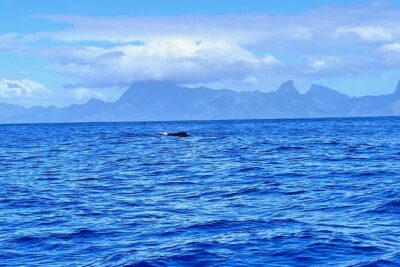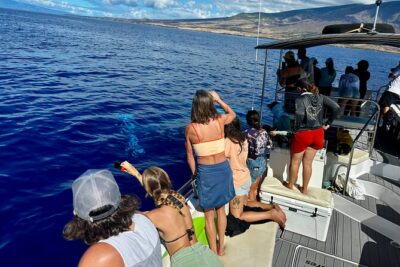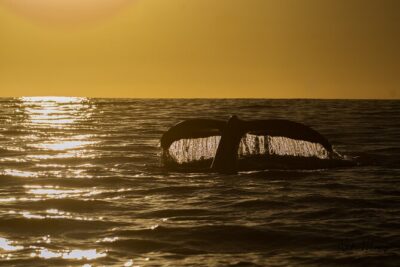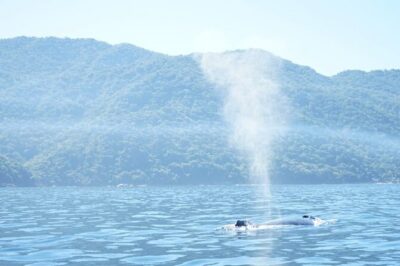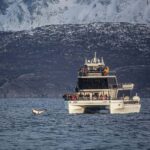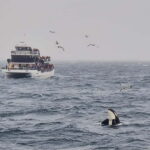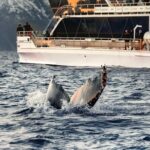
Tromsø delivers big Arctic wildlife energy. This cruise pairs a fjord safari with real-time whale viewing from a heated catamaran, plus onboard commentary as herring pull in predators. I like that the trip is built around comfort: MS Alba has both indoor lounge space and outdoor decks, so you can watch without turning into an ice cube.
My other favorite part is the specific whale target. In winter, herring gather in big shoals, and that’s what brings whales into the “feeding grounds” area for a long viewing window. One consideration: winter days are short, and if conditions cause a delay, you can lose whale time; plus the boat is smaller than some big tour vessels, so cold, visibility, and crowding can be factors for some people.
In This Review
- Key things to know before you go
- Tromsø whale watching from Vervet Harbour under the bridge
- MS Alba on the water: heated comfort, decks, and real viewing
- The fjord cruise: scenery, photo time, and what you’ll actually do
- Stop at the whale feeding grounds: why herring matter
- What you get onboard: coffee, WiFi, and the meals reality
- Price and value: is $220.16 a fair deal?
- Practical tips that make or break winter whale watching
- Getting to the meeting point (and not losing time)
- Who should book this cruise, and who should think twice
- Should you book the Responsible Whale Watching Cruise on MS Alba?
- FAQ
- How long is the Tromsø whale watching cruise on MS Alba?
- What time does the tour start?
- Where do I meet, and where does the tour end?
- Is breakfast or lunch included?
- What’s included on the boat?
- What should I bring for cold weather and seasickness?
- What’s the cancellation policy and what happens if weather is poor?
Key things to know before you go
- Heated indoor lounge + outdoor viewing decks so you can switch as the weather changes
- Whale feeding grounds timing centered on when herring pull in orcas and humpbacks
- A fjord cruise under the Tromsø Bridge area starting from Vervet Harbour
- Bring layers and plan for cold; even with blankets, you may still run chilly
- Motion sickness is possible once you reach open water, so pack your own tablets if you’re sensitive
Tromsø whale watching from Vervet Harbour under the bridge
This tour starts at Vervet Harbour, right below the Tromsø Bridge. That location matters because it sets the tone fast: you’re already in Arctic scenery before the engine even really gets going. You meet the crew and board MS Alba, a modern high-speed catamaran built for passenger comfort in cold weather, with both heated indoor space and outdoor decks for viewing.
You start with a quick welcome and safety briefing, then you choose how you want to ride. I like that this isn’t a one-size-fits-all experience. If you want to photograph and keep your hands warm, you can stay inside when conditions look harsh. If you want the best angles and a more direct view of surface activity, you’ll head out on deck.
Two practical notes for your day:
- Your tour begins at 8:30 am, and it’s a 7 to 8 hour outing total, so treat it like a full morning through late afternoon plan.
- It’s offered in English, and the onboard team provides live commentary, which helps you understand what you’re seeing instead of just hoping for the best.
You can also read our reviews of more tours and experiences in Tromso.
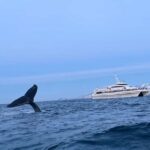
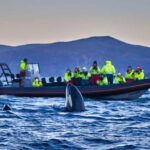
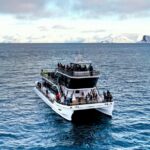
MS Alba on the water: heated comfort, decks, and real viewing
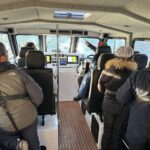
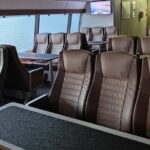
MS Alba is set up like a winter-friendly viewing platform. You’ve got heated indoor lounges and outdoor viewing decks, plus a restroom onboard, WiFi, and live commentary. The concept is simple: when it’s bitter outside, you’ll warm up inside between whale sightings, and when the action starts near the surface, you’ll head out for a clearer look.
Here’s the reality check from past experiences: a smaller catamaran can be a mixed bag. On one side, it can feel more “hands-on” and quick-moving through the fjords. On the other, if everyone is facing one direction for whale spotting, you might feel tight for space, and floors can get slick in icy conditions. If you’re traveling with mobility concerns or you hate the idea of stepping around in cold, consider how you handle uneven, slick surfaces.
Also, while windows and indoor viewing can work, visibility may not be perfect for everyone depending on where you’re seated and how the boat is positioned. If your priority is crisp views, plan to use both options: inside for comfort, outside for the sightings.
If you’re traveling with kids: life vests for kids are mandatory, so they’ll be provided and you’ll want everyone dressed for warmth anyway.
The fjord cruise: scenery, photo time, and what you’ll actually do
After you leave Tromsø behind, you cruise through the fjords surrounding the city. Expect towering peaks, fishing villages, and stretches of Arctic seascape. This is not just “transport between places.” It’s a real part of the experience, especially in winter when the light can look surreal even when it’s cold.
You’ll typically spend time enjoying the scenery and taking photos while your guide explains what’s going on in the local ecosystem. That context helps because you’ll soon be watching whales in a specific feeding pattern, not just randomly hoping for spouts.
Timeline-wise, you’ll be out for hours before the whale feeding window. That means you should plan entertainment and comfort. Bring a book, download offline content, and keep layers on standby. The boat can feel calm at first, then the ride can get more noticeable once you head into open water.
Stop at the whale feeding grounds: why herring matter
The big moment is the whale “safari” portion at the whale feeding grounds. This is where winter ecology turns into a live show.
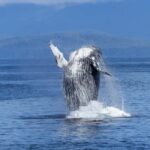
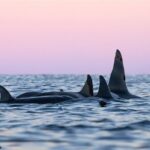
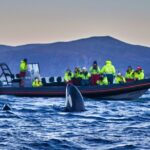
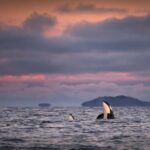
Here’s what to know: herring form massive shoals in winter, and that attracts predators. In this area, your best odds include orcas and humpback whales. When the whales are active, you might see diving, tail-slapping, and even breaching.
This viewing window lasts 2 hours 30 minutes, which is a long enough stretch that you’re not stuck watching only for five minutes and then heading home. It’s also long enough that you can adjust your strategy: if you’re inside and the action seems close to the surface, move to deck. If the weather spikes, warm up again and come back out when conditions look stable.
On board, you’ll be served hot drinks and biscuits, and your guides talk you through whale behavior and why the Arctic waters matter. That’s more useful than it sounds. If you understand what a tail-slap or surfacing pattern might mean, you’ll get more out of every sighting instead of just counting spouts.
One note for expectations: wildlife isn’t guaranteed. That said, the cruise is specifically organized around a season when food is abundant, and that’s why the odds are worth your time.
What you get onboard: coffee, WiFi, and the meals reality
The included onboard extras are solid for a long winter day:
- Coffee and/or tea
- Hot drinks and biscuits during the whale viewing period
- Restroom on board
- WiFi on board
- Indoor heated lounge and outdoor viewing decks
- Life vests for kids (mandatory)
- Professional guide and crew with live commentary
But here’s what you must plan: meals are not provided. There’s no breakfast, lunch, or dinner included. So pack snacks or a meal you can eat during breaks. If you don’t, you’ll spend the whole ride thinking about food instead of whales, and that’s a real tragedy in the Arctic.
Also, warm clothing is on you. The tour provides heated space and some blankets, but that doesn’t replace proper winter layering. A lot of people underestimate how long they’ll stay outside at the rail or deck in wind.
My practical advice: dress like you’ll be standing still in the cold for a while, because you will. Warm gloves, a hat that covers ears, and layers you can remove in the lounge help you keep energy for the sightings.
Price and value: is $220.16 a fair deal?
At $220.16 per person (with English service, onboard snacks, and the fjord-to-whale structure), the question isn’t whether you’re paying for a boat ride. You are paying for the chance to see orcas and humpbacks in winter, plus the time on the water and the comfort systems that make it survivable.
What you’re getting for the money:
- A full 7–8 hour outing with 2.5 hours focused on the whale feeding grounds
- Heated indoor space and outdoor decks for viewing
- Live commentary that helps you understand what you’re seeing
- A small-ish group size: maximum 90 travelers, which tends to be more manageable than some mass departures
What can reduce value on a specific day:
- Short winter daylight and cold conditions can turn “delays” into a real hit to whale time. If technical issues or refueling stops happen, you may lose time on the fjords or at the feeding grounds.
- If you’re sensitive to crowding or you want the biggest, clearest window views, a smaller catamaran may not feel ideal.
So who’s this best for? If you’re flexible, dressed right, and you care most about wildlife odds and being out there in the right season, the price can feel reasonable. If you want maximum comfort and extra space above all else, it’s worth comparing vessels and thinking hard about your priorities.
Practical tips that make or break winter whale watching
This is where small choices pay off big time.
1) Layer aggressively
You’ll likely spend time both indoors and outside. Start with a base layer, add insulating layers, then seal it up with a windproof outer layer. Gloves and a hat matter more than people think.
2) Bring motion sickness tablets if you’re sensitive
Seasickness can happen, especially as you reach open water. The tour doesn’t provide medication. If you know you react, bring your own.
3) Plan your viewing strategy
Don’t treat the window as your main plan. Use indoor space as your warm-up zone, and then move to deck when activity is likely. If you’re camera-ready, keep your gear accessible so you don’t waste sightings fiddling with pockets and zippers.
4) Treat the ground like it’s icy
If you’re stepping between deck areas and you’re wearing slick soles, be careful. The boat can face currents and waves, and conditions can make surfaces slippery.
5) Pack food
Because meals aren’t included, your best “value move” is bringing snacks or a packed meal. Even if you’ll be served tea/coffee and biscuits, you’ll still want more substantial calories for a long day.
Getting to the meeting point (and not losing time)
You meet at Arctic Whale Tours – TromsøSkansegata 7, 9008 Tromsø, Norway. The tour starts at 8:30 am and ends back at the meeting point.
One easy way to avoid stress: get there a bit early and locate the right side under the bridge area. The check-in office can be described as being inside a hotel, but the actual departure spot is outside under the bridge, on the right.
Since this is a winter morning start, arriving early also gives you time to gear up, find a good place to warm up, and settle your plans before boarding.
Who should book this cruise, and who should think twice
This cruise makes a lot of sense for:
- People who want a winter wildlife-focused day, not just scenery
- Travelers who like the idea of switching between heated indoor comfort and outdoor decks for sightings
- Families with kids who are comfortable following instructions and wearing provided life vests
You might think twice if:
- You’re extremely sensitive to cold and hate any outdoor time at all
- You want the biggest, roomiest viewing platform possible for maximum personal space and uninterrupted sight lines
- You’re very prone to seasickness and you don’t want to take steps to manage it (meds, hydration, stable viewing spots)
There’s no shame in either choice. It’s just about matching the boat and schedule to your comfort needs.
Should you book the Responsible Whale Watching Cruise on MS Alba?
If your top goal is the chance to see orcas and humpbacks in a real winter feeding environment, this is a strong option. The combination of 2.5 hours at the whale grounds, onboard warmth, and live guidance is exactly what you want when the day is long and the weather does not care about your plans.
Book it if you’re willing to dress for Arctic cold, bring snacks, and accept that whale time depends on conditions. Consider alternatives if you strongly prioritize extra space, perfect indoor viewing, or you dislike small-boat feel. Either way, go in prepared: this kind of trip rewards people who plan for the cold and stay flexible when the sea decides to change the day.
FAQ
How long is the Tromsø whale watching cruise on MS Alba?
The tour runs about 7 to 8 hours total, with the whale feeding grounds viewing lasting 2 hours 30 minutes.
What time does the tour start?
The start time is 8:30 am.
Where do I meet, and where does the tour end?
Meet at Arctic Whale Tours – TromsøSkansegata 7, 9008 Tromsø, Norway. The activity ends back at the same meeting point.
Is breakfast or lunch included?
No. Meals are not provided (no breakfast, lunch, or dinner). You can bring food, and you’ll have coffee/tea plus hot drinks and biscuits onboard.
What’s included on the boat?
Included items and services are coffee/tea, restroom, WiFi, professional guide and crew, indoor heated lounge, outdoor viewing decks, live commentary, and life vests for kids.
What should I bring for cold weather and seasickness?
Bring warm clothing and layers suitable for Arctic conditions. If you’re prone to seasickness, bring your own motion sickness tablets, since seasickness medication is not included.
What’s the cancellation policy and what happens if weather is poor?
You can cancel for a full refund up to 24 hours before the experience starts. The experience requires good weather; if it’s canceled due to poor weather, you’ll be offered a different date or a full refund.