REVIEW · REYKJAVIK
Whale Watching in Reykjavik by Speedboat
Book on GetYourGuide →Operated by Whale Safari · Bookable on GetYourGuide
That first burst of speed changes everything. On a small RIB whale-watching trip, you trade slow sightseeing for close-up wildlife chances right off Reykjavik. I especially like the shock-seat comfort in a fast boat, and you’ll like the bigger search area compared with classic cruises. One drawback to plan for: it’s an energetic ride, and it’s not a fit if you have a sensitive back or pregnancy concerns.
You meet in Reykjavik’s Old Harbour and head out quickly, so you spend more time scanning the water than waiting around. I also like the simple on-water rhythm: spot wildlife, make short stops near the harbor sights on the way back, and keep the whole thing to about 2 hours.
Before you book, consider that you’re going for wildlife and conditions can matter. If the sea is too rough, tours can be delayed or rescheduled, and in rare cases you may come back with dolphins but no whales. The good news is that they build in a safety net: if you don’t spot marine life, the captain offers a complimentary ticket for another ride before you leave.
In This Review
- Key points to know before you go
- RIB Speedboat Whale Watching: What You Really Get for the Money
- Where It Starts: Old Harbour Meeting Point and What to Expect on Arrival
- The First Leg Out: Safety Gear, Open Water, and the City Vanishing Behind You
- On-Water Wildlife Search: Whales, Dolphins, and Seabirds Up Close
- Puffins in May–August: How the Breeding-Season Stop Works
- The Return Trip: Sun Voyager and Harpa from the Sea
- Comfort and Motion: Shock Seats, Quick Zips, and Who This Boat Is For
- Price and Value: Why $200 Can Make Sense (and When It Might Not)
- Timing Tips That Improve Your Odds of a Great Day
- Who Should Book This Speedboat Whale Watching?
- Should You Book Whale Watching in Reykjavik by Speedboat?
- FAQ
- How long is the whale watching tour?
- Where do I meet the tour?
- What kind of boat is used?
- What wildlife might I see?
- Are warm overalls provided?
- Is food and drinks included?
- Is the tour suitable for children?
- Is it recommended if I have back problems or I’m pregnant?
Key points to know before you go
- Small-group RIB (up to 12) means quicker attention and less time tied up in a big-boat routine
- Shock-seat comfort helps on a fast, open-water ride
- A larger search area improves your odds of finding whales, dolphins, and seabirds
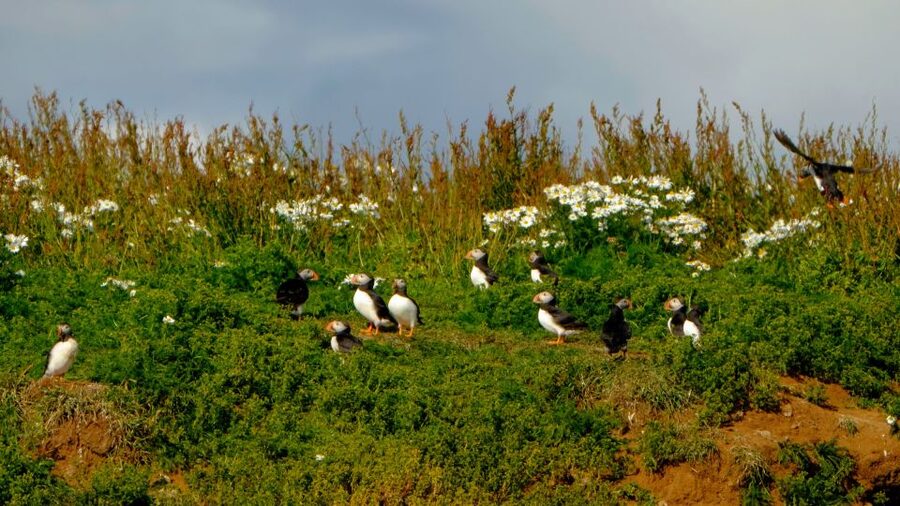
- Puffins in the breeding season (May–August) includes a short stop early in the tour
- Harbor sightings from the sea add value beyond the wildlife hunt (Sun Voyager and Harpa)
- Close encounters are the goal, and the low ride style keeps you nearer to the action than higher cruisers
RIB Speedboat Whale Watching: What You Really Get for the Money
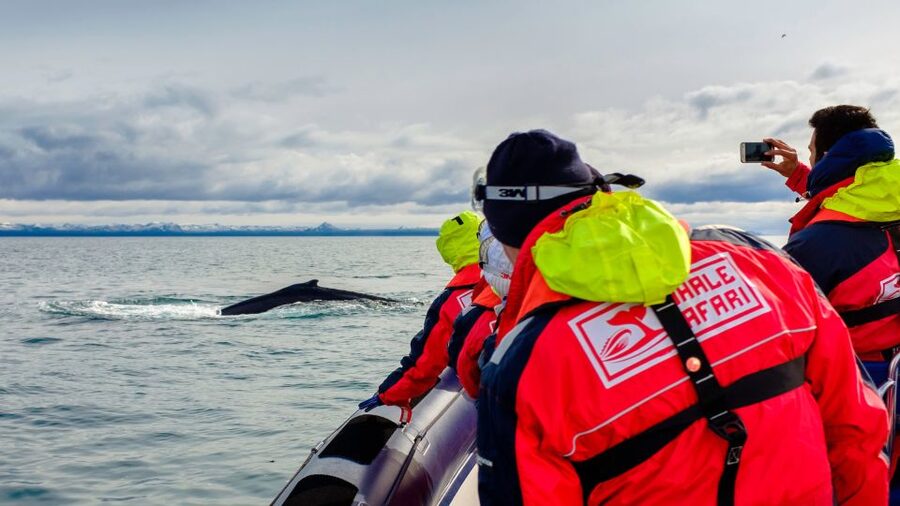
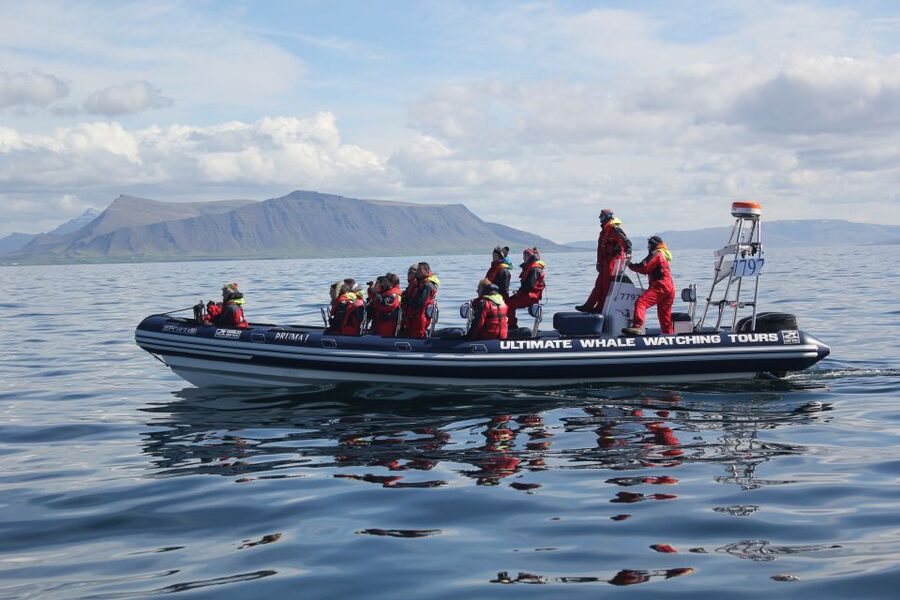
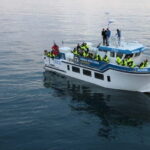
This is not whale watching in the slow-lane. The whole pitch is speed plus control: a rigid inflatable boat that can move fast enough to cover more water, yet still keep you in the thick of the action when wildlife shows up.
That matters because whale watching is partly science and partly luck. When you can move to the next likely patch quickly, you give your guide a better shot at turning “we’ll try” into “we found them.” And since the boat rides lower in the water than higher cruisers, you tend to get better sightlines and a more immediate feel for what’s happening on the surface.
You’re also paying for a short, focused window. Two hours can sound brief, but it works here because you’re not stuck in transit. You leave from Reykjavik Old Harbour, hunt for wildlife, then return while the city shoreline still looks great from the sea.
You can also read our reviews of more tours and experiences in Reykjavik.
Where It Starts: Old Harbour Meeting Point and What to Expect on Arrival
The meeting point is Reykjavik Old Harbour, Ægisgarður 5, 101 Reykjavik. Plan to arrive 30 minutes before your scheduled departure. This isn’t just a “be early” suggestion. In practice, you want time for check-in, a quick orientation, and to get set up before the boat engines start.
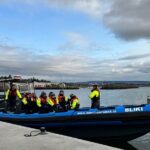
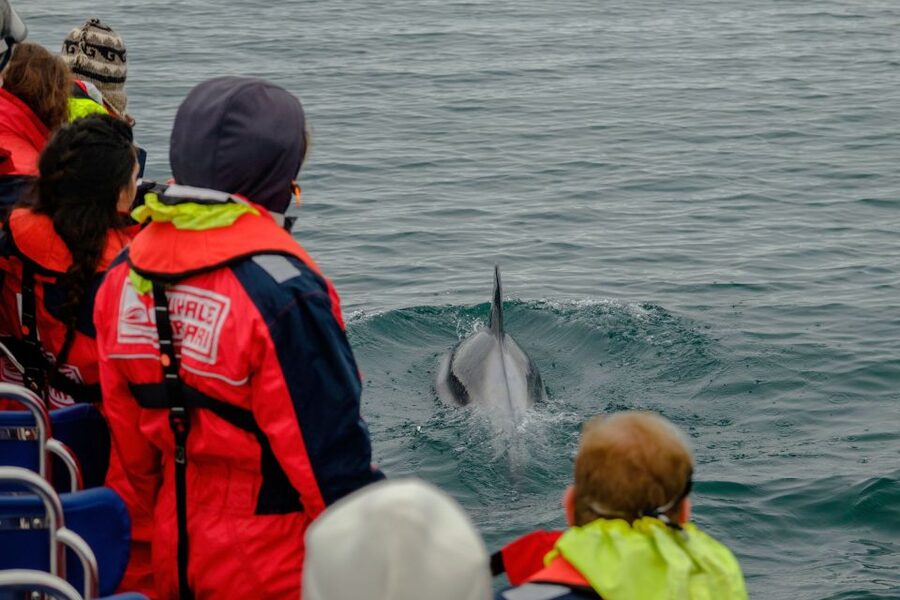
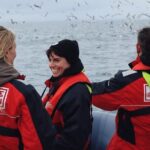
You’ll get a safety briefing and then provided warm overalls plus all necessary safety equipment. The boat is open and the North Atlantic can feel sharp even on a decent day, so the warm gear is part of the real value here—not a gimmick.
Come with closed-toe shoes. You cannot bring luggage or large bags, so travel light. If you’re wearing your warmest layers already, you’ll enjoy the ride more because you won’t spend the tour fiddling with what goes where.
The First Leg Out: Safety Gear, Open Water, and the City Vanishing Behind You
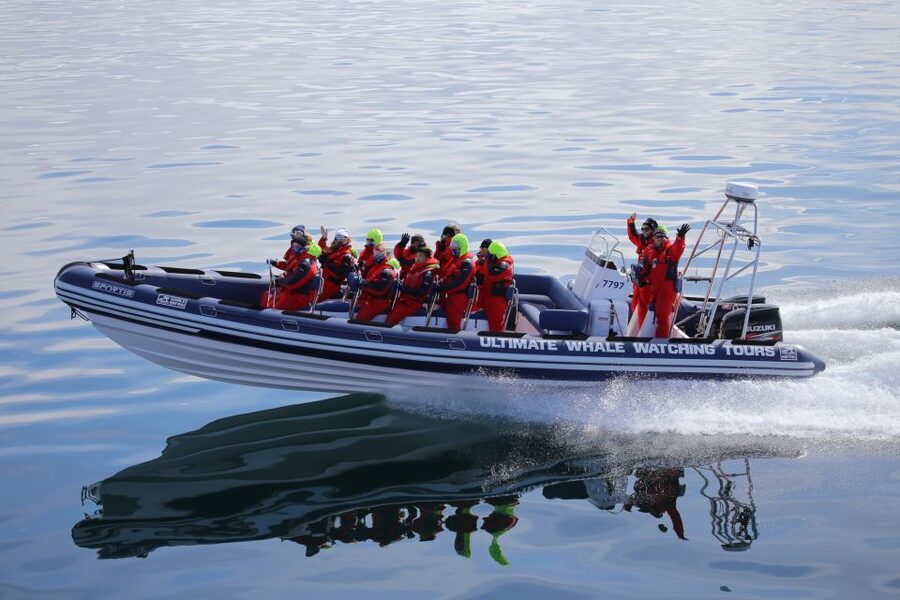
Once you hop aboard, it’s a quick transition from harbor calm to open-water scanning. You’ll feel the engine thrust almost immediately, which is the point: the captain can zip you out and start searching.
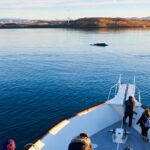
After the short initial run, the wildlife hunt begins around the islands near Reykjavik Old Harbour. This is one of the neat parts of this tour: you don’t start miles away and then lose the context. You start close, you see the shoreline from the water, and the guide can keep adjusting the route as conditions change.
Keep your eyes wide. Guides look for surface activity, feeding patterns, and movement that signals bigger animals. When dolphins show up, it often turns into a moving show: they may follow, arc away, then reappear as the boat changes direction. One reason this format gets such strong feedback is that the boat’s speed makes the “chase” feel real without turning it into chaos.
On-Water Wildlife Search: Whales, Dolphins, and Seabirds Up Close
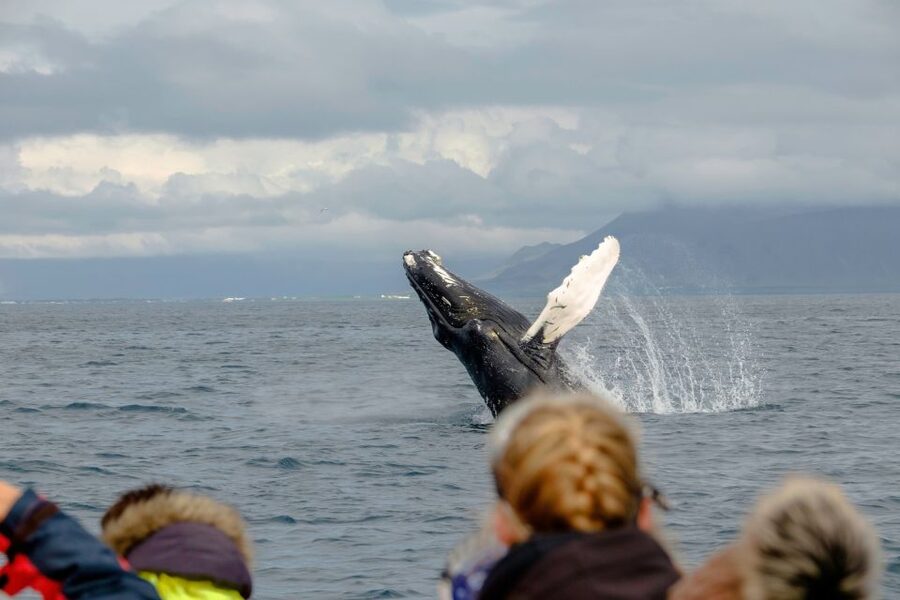
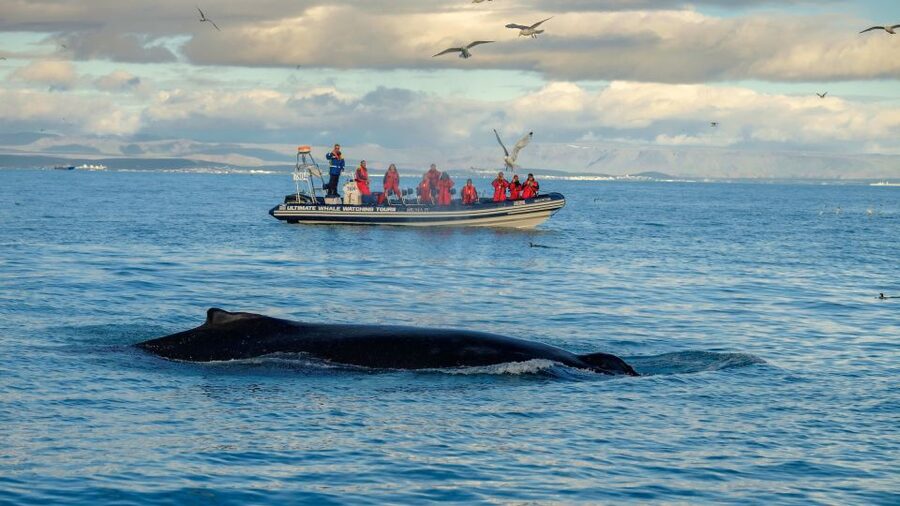
The core goal is whales, dolphins, and seabirds. The boat’s ability to cover a large search area is what gives that goal a fighting chance. Instead of waiting around in a single spot, you’re actively working the water.
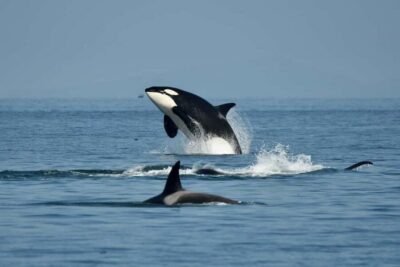
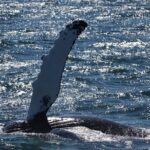
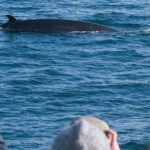
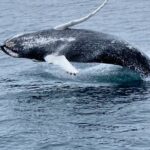
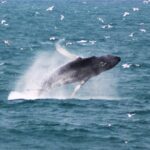
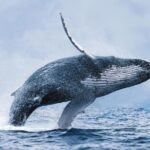
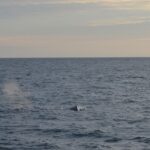
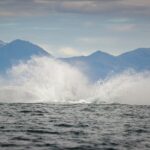
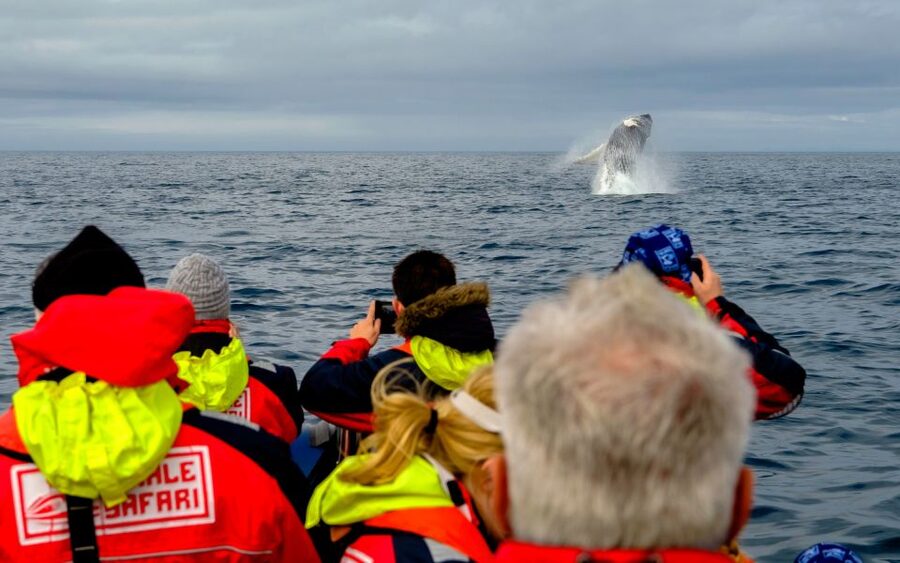
When things come together, the experience feels intensely physical. The boat is close enough that when a whale surfaces, you don’t just watch from far away—you feel like you’re on the same ocean stage. Several accounts highlight minke whales, and there are also mentions of larger sightings such as a humpback breaching. Dolphins can be just as memorable, with multiple reports of dolphins playing and jumping around near the boat.
You’re not guaranteed a whale. No tour is. But what you can control is your attitude: if you show up ready to watch the water, the ride itself becomes part of the reward. Even when whales are quiet, dolphins and seabirds can still make the trip feel alive.
Puffins in May–August: How the Breeding-Season Stop Works
From early May to the end of August, puffins are part of the plan. The tour includes a short stop by the puffins’ breeding grounds early in the experience, which is smart timing. You get to aim for the animals when the chances are best, instead of treating puffins as an afterthought.
Important reality check: puffins aren’t always guaranteed on any given day. But in season, you’re explicitly working toward that target. If you’re doing Reykjavik wildlife only once, this is a strong option in summer because it gives you a shot at both big marine life and the small, busy seabirds.
Also, even if puffins aren’t the star of your day, that stop breaks up the open-water tempo. You’ll get a different kind of observing—more stillness, more scanning, and less of the fast “go-go-go” feeling.
The Return Trip: Sun Voyager and Harpa from the Sea
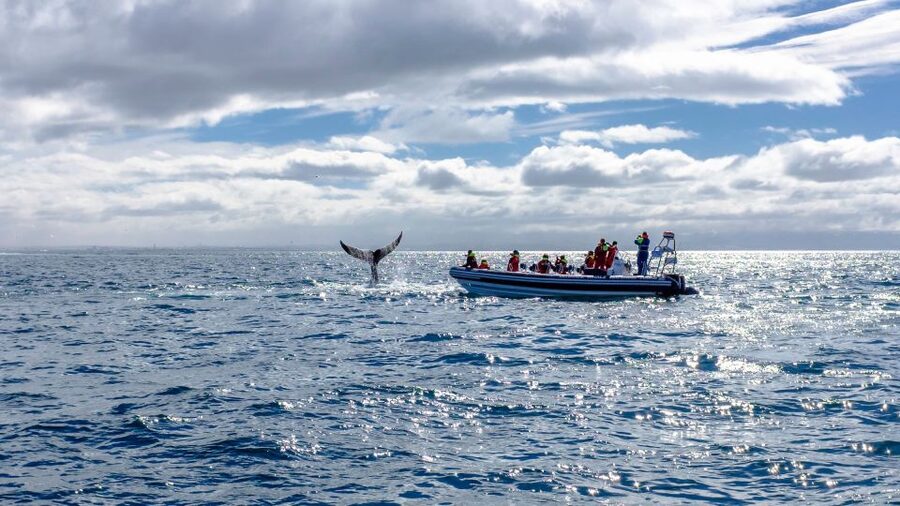
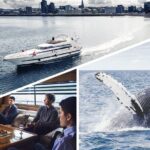
You’re not just heading back to “end the tour.” The return includes cruising along Reykjavik’s shoreline and spotting landmarks from the water, including Sun Voyager and Harpa Concert Hall.
This adds real value because it’s a second kind of sight experience: whales are unpredictable, but the architecture and coastline are steady. Even if your wildlife sightings are modest, you still come back with a visual souvenir of Reykjavik’s harbor-side identity.
A favorite detail from the boat style: the ride can include a playful turn in the harbor. It’s not the main point of the tour, but it matches the tone of the operation—professional, but not stiff. Names that come up with tour guides include Elsa, who is described as educational and passionate about conservation, and Raoul, who led at least one trip noted for friendly guidance. (You might not meet the same person, of course, but it’s a good sign that guides bring energy and context.)
Comfort and Motion: Shock Seats, Quick Zips, and Who This Boat Is For
This is one of the clearest “fit” conversations for the RIB experience.
The boats have new high-quality suspension seats, often called shock seats. That’s a big deal for comfort because you’re moving fast over waves. In plain terms: they’re trying to make the ride safer and easier on your body, not just thrilling for marketing.
But it’s still a fast, open-water boat. If you have a history of back problems, it’s not recommended. Pregnant women also shouldn’t book. And if you’re traveling with kids, it’s suitable for children over 10 years and over 145 cm tall. Plan for the fact that this is not a gentle family cruise.
If you do book, bring the right stance: hold on during turns, keep your footing, and dress for sea chill. Closed-toe shoes help, and warm overalls do the heavy lifting for weather.
Price and Value: Why $200 Can Make Sense (and When It Might Not)
At about $200 per person for a 2-hour tour, this isn’t a budget activity. The key question is: are you buying “whale watching” or “a whale-watching-style ride”?
You’re paying for:
- a small-group setup (up to 12)
- a fast RIB that can cover more water
- professional guidance plus equipment and warm gear
- extra value during the return with views of major shoreline landmarks
So if your priority is maximum chances to see whales and dolphins close up, the price starts to feel more rational. If you’re the kind of traveler who wants a relaxed scenic cruise with minimal motion, this may feel pricey for the intensity.
There’s also a practical value backstop. If you don’t spot any marine life, the captain provides a complimentary ticket for another ride before you leave. That doesn’t erase bad luck, but it reduces the sting if wildlife doesn’t show.
Timing Tips That Improve Your Odds of a Great Day
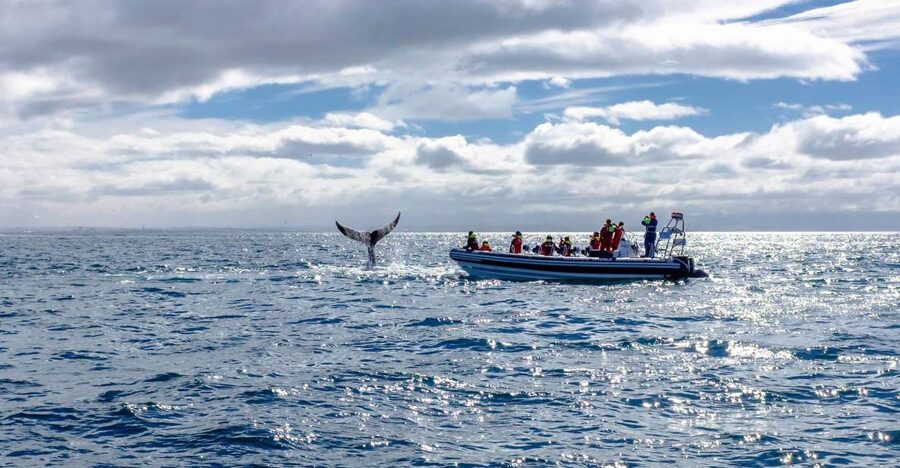
You’ll choose from several start times. Since it’s an open-water experience, you want the day you book to fit your body and your schedule: arrive early, accept that the sea can change fast, and treat the tour as weather-dependent rather than guaranteed.
If you’re sensitive to motion, pick a start time when you’re rested. If you’re a photographer, dress with layers that you can adjust quickly. The tour includes warm overalls, but you still want a system for wind, spray, and sudden chill on the open water.
Also: travel with minimal baggage. No large bags or luggage is allowed, so you’ll feel better from the jump if your daypack stays simple.
Who Should Book This Speedboat Whale Watching?
This tour is ideal if you:
- want close wildlife viewing rather than distant spotting
- enjoy faster, more active outings
- like the idea of pairing marine life with quick Reykjavik landmark views
- are traveling in a small group vibe (not a huge crowd)
I’d skip it if you:
- have back problems or you’re advised against this kind of movement
- are pregnant
- need an easy, slow-moving cruise
- are traveling with kids under 10 or under 145 cm
Should You Book Whale Watching in Reykjavik by Speedboat?
If your trip to Iceland is short and you want one high-energy wildlife shot from Reykjavik, I think this is a very sensible choice. The combination of a fast RIB, shock-seat comfort, and a guide who’s built for spotting makes it a strong “best chance for payoff” format.
Book it if you’re comfortable with motion and open-water weather, and you’re ready for the reality that wildlife is never a sure thing. If whales aren’t cooperative, you can still end up with dolphins and seabirds, and the shoreline stops give you something worthwhile even on a quieter animal day.
If you want a calm boat with zero motion and you’re sensitive to rough water, look for a slower option instead. But if you want to feel like you’re in the hunt, this is one of the more direct ways to do it from Reykjavik.
FAQ
How long is the whale watching tour?
The duration is about 2 hours.
Where do I meet the tour?
You meet at Reykjavik Old Harbour, Ægisgarður 5, 101 Reykjavik.
What kind of boat is used?
It’s a rigid inflatable boat (a RIB) designed for speed and to cover a larger search area.
What wildlife might I see?
The tour looks for whales, dolphins, and seabirds, and puffins are possible in the season from early May to the end of August.
Are warm overalls provided?
Yes. Warm overalls and all necessary safety equipment are included.
Is food and drinks included?
No. Food and drinks are not included.
Is the tour suitable for children?
It’s suitable for children over age 10 and over 145 cm tall.
Is it recommended if I have back problems or I’m pregnant?
It’s not recommended for people with a history of back problems and not recommended for pregnant women.