REVIEW · PUERTO VALLARTA
Whale Watching Experience
Book on Viator →Operated by Vallarta Adventures · Bookable on Viator
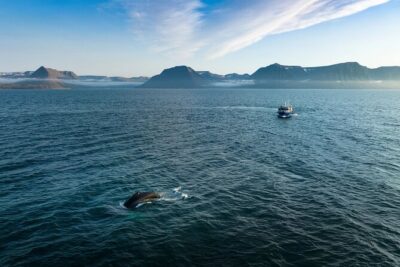
Winter brings whales close to Puerto Vallarta. This speedboat tour is built for quick trips out to where humpbacks are hanging around in Banderas Bay, and the hydrophones let you hear their underwater calls while a marine mammal expert explains what you’re seeing. The trade-off is simple: this boat has no toilets and little to no shade, so plan accordingly.
I also like how this runs as a compact outing (up to 30 people) starting at Vallarta Adventures at Terminal Marítima, with guides such as Chai, Enrique, and Lilu helping you understand behavior, dive timing, and what to expect. It’s a great mix of action on the water and real interpretation, with a conservation fee thrown in to support humpbacks.
In This Review
- Key Things to Know Before You Go
- Speedboat Whale Time in Puerto Vallarta: What You’re Really Buying
- The winter humpback story you’ll hear on the water
- Price, Fees, and How to Judge Value Without Guesswork
- Getting There: Where You Meet and What the Timing Means
- How the 3-hour slot usually works on the water
- The Boat Reality Check: Speed, Comfort, and Small-Group Control
- Drones are a no-go
- Spotting Humpbacks in Banderas Bay: What Each Stage Feels Like
- The opening education: why humpbacks are here
- The key moment: seeing from the water
- What to Pack (So the Wind Doesn’t Steal Your Joy)
- Who This Tour Fits Best (and Who Might Be Happier Elsewhere)
- Conservation Fee: Why It Matters Beyond the Receipt
- Should You Book This Whale Watching Tour?
- FAQ
- How long is the whale watching tour?
- What does the tour cost?
- Is the tour offered in English?
- What’s included in the price?
- What extra fees should I expect?
- Is hotel pickup included?
- How many people are on the tour maximum?
- Is there a bathroom or shaded area on board?
- Are drones allowed during the tour?
- What if the weather is bad?
Key Things to Know Before You Go
- Speedboat rides out fast to improve your odds of finding whales sooner.
- Hydrophones on board mean you can listen to whale communication, not just watch for movement.
- Marine mammal experts lead the spotting and help manage what you expect to see during the session.
- Small group size (max 30) keeps the experience more controlled when whales move.
- Winter humpback migration is the big reason humpbacks show up here around Banderas Bay.
- No restroom and limited shade on the boat, so use the bathroom before you board and dress for sun and wind.
Speedboat Whale Time in Puerto Vallarta: What You’re Really Buying
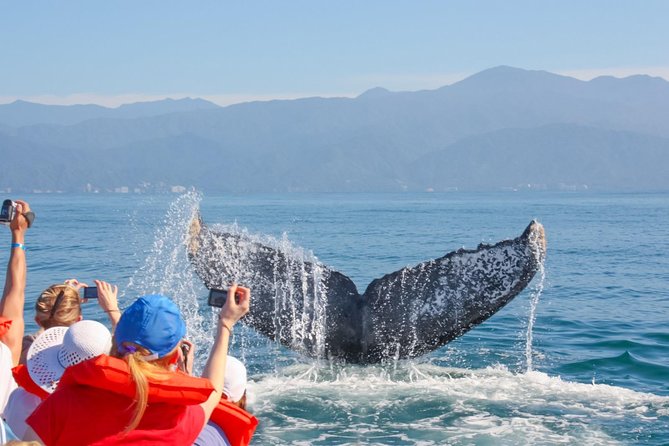
You’re paying for a tight, active window on the water during the humpback season, with two tools that make the experience feel more complete than just sightseeing: fast transport and audio.
First, the speedboat matters. In real whale watching, the whales don’t sit still. They travel, surface, and move on. A quicker boat approach helps you get to active areas sooner, and it can also make it easier to reposition when the animals change location.
Second, hydrophones turn visuals into a fuller sensory experience. When you’re out on open water, you can’t always guess what the whales are doing underwater. Hearing whale calls helps you connect the behavior you’re seeing with what’s happening below the surface.
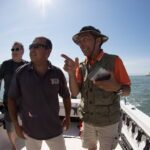
Add in a marine mammal expert, and the tour becomes more than a search-and-hope mission. Guides such as Chai and Enrique are known for explaining whale behavior and setting expectations about timing and activity levels, so you aren’t left wondering why the action is moment-by-moment.
You can also read our reviews of more tours and experiences in Puerto Vallarta.
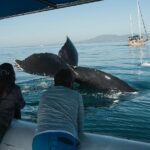


The winter humpback story you’ll hear on the water
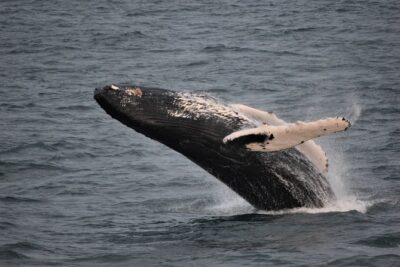
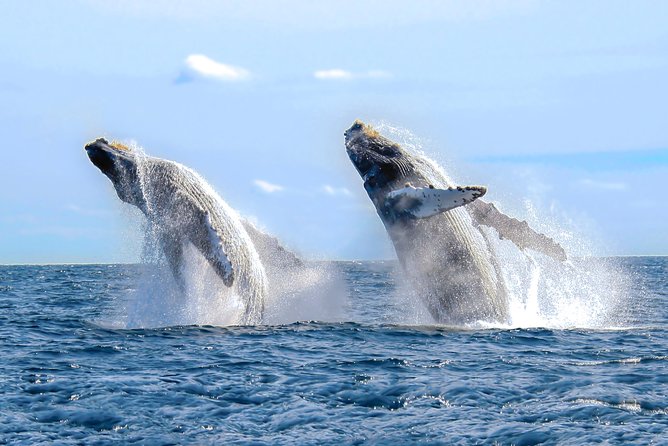
This tour is timed around a seasonal biological event. Each winter, humpbacks migrate from colder feeding grounds to the sheltered coasts of Banderas Bay for breeding and raising calves. That’s why, in the colder months, your chances are best for seeing adults with babies and frequent surfacing.
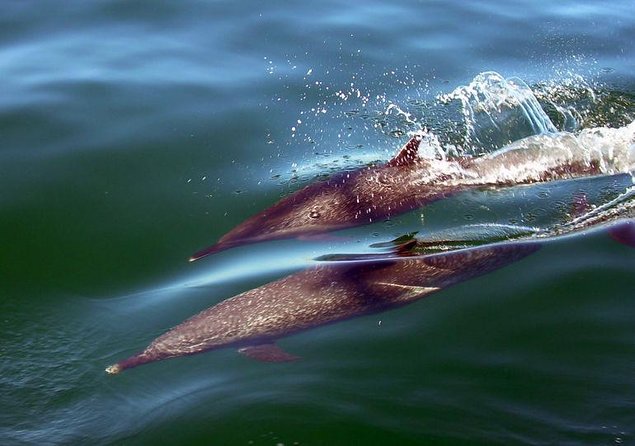
You may also spot other marine life depending on what’s in the area at the time—people often report dolphin pods alongside humpbacks—but humpbacks are the center of the show.
Price, Fees, and How to Judge Value Without Guesswork
The base price is $89.00 per person for an approximately 3-hour outing. That’s the ticket cost for the boat time and the on-board whale program.
Plan on extra costs too:
- Admission Fee: MX$40.00 per person
- Conservation Fee: an additional $25 pesos per person collected at check-in
On paper, the totals add up fast. In real value terms, here’s what you’re getting for that money:
- A dedicated speedboat experience rather than a long day of wandering
- Hydrophones (a feature that many basic boat trips don’t include)
- A marine mammal expert who helps you interpret behavior
- A light snack and purified water
- A tour that actively ties into humpback conservation
If you’re going to spend money on whale watching in Puerto Vallarta, I think the hydrophones plus expert interpretation are the two pieces that justify the spend—especially if you want more than just spotting distant spouts.
Getting There: Where You Meet and What the Timing Means
This activity starts at Vallarta Adventures | Terminal Marítima at Puerto Mágico, Heroica Escuela Naval, Blvd. Francisco Medina Ascencio 30-G1, Zona Hotelera Nte., 48333 Puerto Vallarta, Jal., Mexico. It ends back at the same meeting point.
There’s no hotel pickup or drop-off included, so you’ll need to get yourself to the terminal.
How the 3-hour slot usually works on the water
The duration is listed as about three hours. In practice, whale watching timing can stretch or tighten based on whale movement and how quickly the boat reaches active areas. What I recommend: treat it as a morning block. If your day is tightly packed after the tour, keep buffer time.
Also, bring a layer. One reason people rate this tour so highly is the excitement of seeing whales—one reason they get grumpy later is wind. Even when the city feels warm, sea breeze can turn chilly once you’re out on the water.

The Boat Reality Check: Speed, Comfort, and Small-Group Control
Let’s talk about the on-board trade-offs, because they matter.
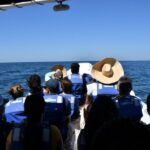
This tour is run from a boat that does not offer toilets or shaded areas. That’s not a small detail. If you’re sensitive to sun and wind, you’ll want to dress with coverage in mind (more on what to wear below).
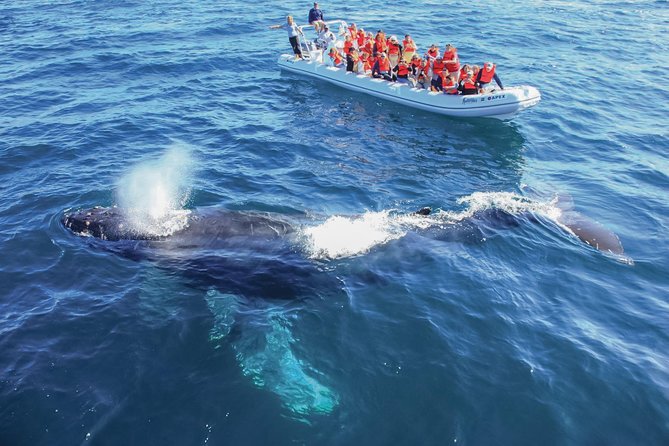
The upside is that you’re on a smaller scale operation. The tour caps at 30 travelers, and many outings feel intimate compared to big-boat tours. That size matters when whales surface unpredictably. Smaller groups tend to be easier to manage around active areas, which helps keep the overall experience smooth.
Drones are a no-go
Due to federal regulations aimed at protecting the flight path of endemic birds, drones are prohibited on this tour. If you planned to bring one for photos, you’ll need to leave it behind.
Spotting Humpbacks in Banderas Bay: What Each Stage Feels Like
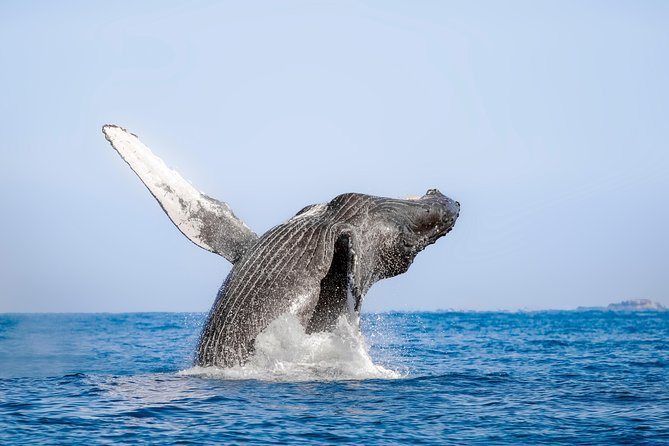
Even though the tour is short, it has a clear flow: education, movement, and then the best part—time on the water watching whales respond to the season.
The opening education: why humpbacks are here
You’ll be briefed about the seasonal migration and why Banderas Bay becomes a nursery. This is where guides help connect the dots: humpbacks aren’t just passing through. In winter, they’re in the sheltered area to breed and raise calves, which is exactly why whale watching in that season can feel so productive.
This kind of context also helps you interpret what you see later. For example, if a calf is present, your guide can explain what behaviors mean and why you might notice different activity patterns than you’d expect from adult whales alone.
The key moment: seeing from the water
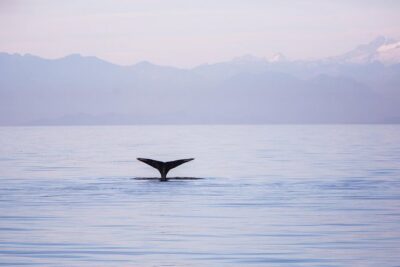
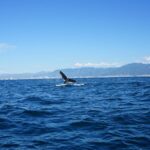
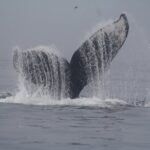
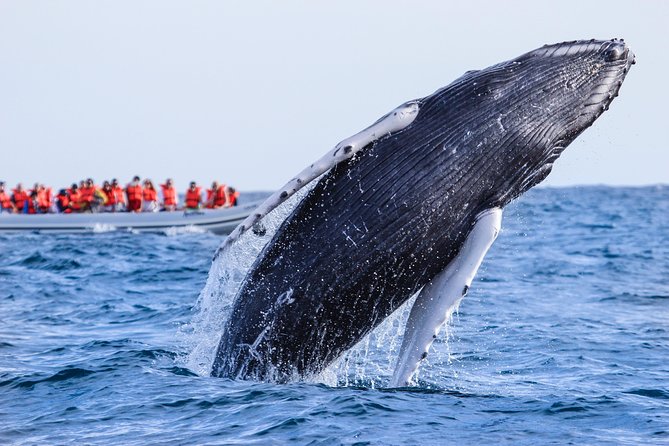
Once the boat positions near active whales, your experience becomes about watching surfacing, tracking movement patterns, and using the hydrophones.
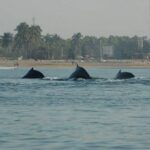
People often describe multiple sightings—separate groups of whales—during the same outing. The speedboat format is designed to improve your chances here. Instead of waiting in one place for a long time, the crew can move to new areas if activity shifts.
What you might hear through hydrophones
Hydrophones are the highlight for many people because they add a second channel of information. When whales are calling or communicating underwater, the audio makes the whole trip feel more vivid and less like a silent scavenger hunt.
It’s also one of the reasons the guides’ explanations land so well. Hearing calls while learning what dive timing and behavior patterns mean gives you a better mental map of what’s happening out there.
What to Pack (So the Wind Doesn’t Steal Your Joy)
Here’s the practical side that makes or breaks your comfort.
On the boat, there’s no shade, and the ride can feel breezy. I strongly recommend:
- A fleece or lightweight jacket (especially if you’re visiting in winter)
- Sunscreen and something to protect your face and neck
- Pants if you run cold easily
- Cash for port/admission-related charges (including the MX$40 admission fee)
Also: because there’s no restroom, use the bathroom before you board. This is one of those details that’s easy to miss until you’re already on the water.
Who This Tour Fits Best (and Who Might Be Happier Elsewhere)
This tour is a strong choice if you want:
- A short, active whale outing rather than an all-day excursion
- Hydrophones and interpretation, not just sightseeing
- A smaller group atmosphere with up to 30 people
- The winter chance to see humpback breeding and calf-rearing behavior
It’s also a great match if you’re the type who likes context. Guides such as Chai, Enrique, Lilu, Andrea, Daniel, and others are praised for explaining what whales do and what the timing means, so you can watch with a purpose.
Skip it (or at least think twice) if:
- You need shade or indoor comfort on board
- You strongly dislike windy conditions
- You don’t plan ahead for the lack of toilets
Conservation Fee: Why It Matters Beyond the Receipt
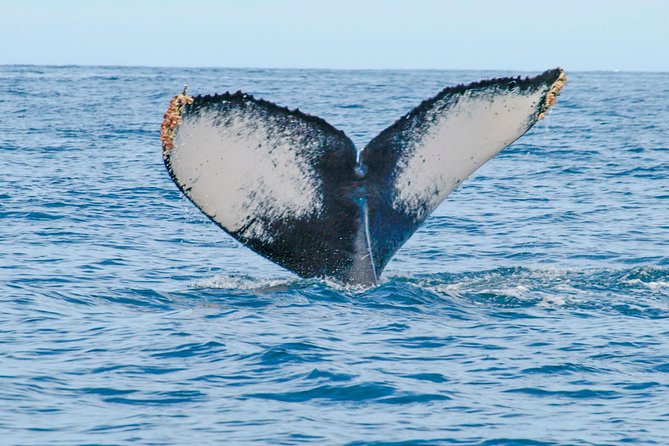
One of the more meaningful parts of this tour is the additional $25 pesos per person conservation fee collected at check-in. The stated purpose is humpback conservation.
That doesn’t magically guarantee whales will be active on your specific trip. But it does mean your outing contributes to protection work tied to these animals. If you’re choosing between whale-watching options, I like tours that clearly attach part of your cost to conservation, not just marketing.
Should You Book This Whale Watching Tour?
Yes, I’d book it if you care about more than spotting a few whales from far away. The combination of a speedboat, hydrophones, and marine mammal expert narration gives you a more rounded experience than classic boat tours that focus only on visual luck.
I’d also book it in winter if your schedule lines up, since humpbacks are in Banderas Bay during the season when they migrate here to breed and raise young.
The main reason to hesitate is comfort. If you’re going to feel miserable in wind with no restroom and little shade, you may not enjoy the ride as much as you should for the price.
If you’re okay planning for that, this is a very solid whale watching option in Puerto Vallarta.
FAQ
How long is the whale watching tour?
The tour runs for approximately 3 hours.
What does the tour cost?
It costs $89.00 per person.
Is the tour offered in English?
Yes. This tour is offered in English.
What’s included in the price?
The tour includes hydrophones, a light snack, and purified water.
What extra fees should I expect?
You should plan for an admission fee of MX$40.00 per person, plus an additional $25 pesos conservation fee collected at check-in.
Is hotel pickup included?
No. Hotel pickup and drop-off are not included.
How many people are on the tour maximum?
The tour has a maximum of 30 travelers.
Is there a bathroom or shaded area on board?
No. This type of boat does not offer toilets or shaded areas on board.
Are drones allowed during the tour?
No. Drones are prohibited in this tour due to federal regulations protecting the flight path of endemic birds.
What if the weather is bad?
The tour requires good weather. If it’s canceled due to poor weather, you’ll be offered a different date or a full refund.