REVIEW · NAHA
Okinawa Whale Watching From Naha
Book on Viator →Operated by マリンハウスシーサー那覇店 · Bookable on Viator
A winter whale trip from Naha can feel like a small miracle. You’re heading offshore to the Kerama Islands, with a guide-led setup that uses sonar and radar to improve the odds and keep the hunt focused. It runs January through late March, so the timing is built for sightings.
I especially like the mix of comfort and know-how: you get a high-speed double-deck yacht (with two toilets), plus hot & cold drinks and raincoat rental. One thing to plan around is that conditions can get windy and bumpy, so pack for cold and consider motion sickness help.
In This Review
- Key highlights you’ll care about
- Winter whale watching out of Naha: what makes this trip work
- Getting to Marine Club Berry Naha and out to the Kerama Islands
- Inside the double-deck yacht: comfort, toilets, and what “high-speed” means
- How the spotting works: sonar, radar, and staying a respectful distance
- The Kerama Islands stop: what you might see when conditions line up
- The guide experience: turning random sightings into real understanding
- Winter comfort checklist: wind, rain, and motion sickness
- Price and value: what $38.22 buys you (and what it doesn’t)
- Who this is best for—and who should skip it
- Should you book Okinawa whale watching from Naha?
- FAQ
- How long is the Okinawa whale watching tour from Naha?
- Where does the tour start and end?
- Is pickup available from hotels?
- What’s included in the ticket price?
- What’s not included?
- What happens if no whales are spotted?
- Can I cancel for free?
Key highlights you’ll care about
- Sonar and radar on board to track whale activity and help you find them faster
- English-speaking guidance that gives you context before you’re staring at the horizon
- Double-deck yacht with two toilets, so your comfort stays higher during the chase
- Hot and cold drinks + raincoat rental, a real winter-friendly touch
- Kerama Islands as the main stop, which sets the stage for big offshore viewing
- Refund and re-trial logic if whales (or dolphins) aren’t spotted within specific windows
Winter whale watching out of Naha: what makes this trip work
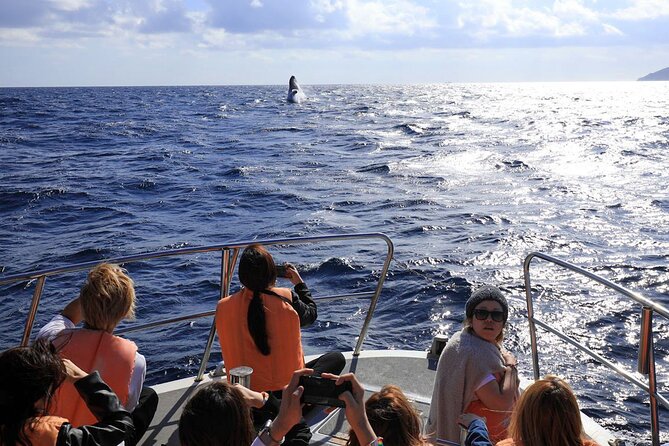
Okinawa’s whale watching season in the wild is basically a winter rhythm. This trip runs from January until the end of March, which matters because you’re not gambling on summer luck—you’re going when the offshore activity is expected. I like that the operator frames the experience as something repeatable, not a one-off dream.
A big promise here is reliability. The team says it’s a legally recognized whale-watching industry and has operated for over 35 years, with BERRY running whale trips since 2005. They also report that they’ve spotted and recorded 99% of whale appearances each year, which is the kind of track record you want for a long winter day at sea.
The real value, though, is what you get while you’re out there. You’re not just pointed at open water and sent on your own—you have a guide who orients you to whale behavior, and you’re using tools (sonar and radar) to locate sightings. That combination is what turns a boat ride into an experience with structure.
You can also read our reviews of more tours and experiences in Naha.
Getting to Marine Club Berry Naha and out to the Kerama Islands
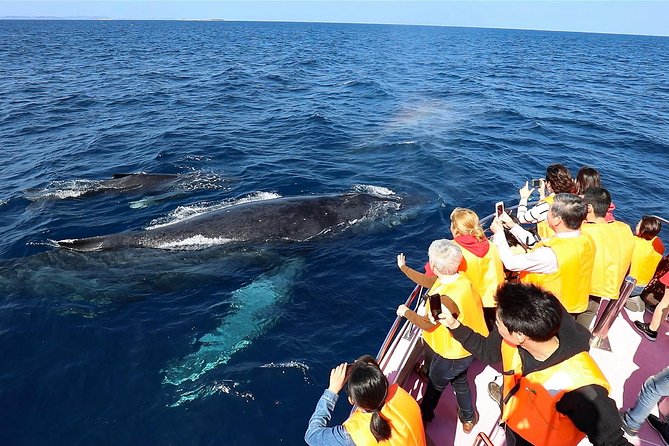
The tour starts and ends at Marine Club Berry, in Naha (2-chōme-3-13 Minatomachi). That’s practical: no confusing transfers once you’re there, and you return back to the same meeting point at the end.
If you want it easy, there’s a free shuttle bus for designated hotels, but you’ll need advance booking. The tour also lists free parking, which is handy if you’re driving around Okinawa. Either way, arriving early helps you settle in before departure—especially if it’s cold and windy out on the harbor.
Once the boat heads out, the itinerary is simple and clear: Stop 1 is the Kerama Islands. That short itinerary design matters. Instead of bouncing around, the trip is built around one main offshore target area, which usually helps with timing when you’re watching for surface blows and breaches.
Inside the double-deck yacht: comfort, toilets, and what “high-speed” means
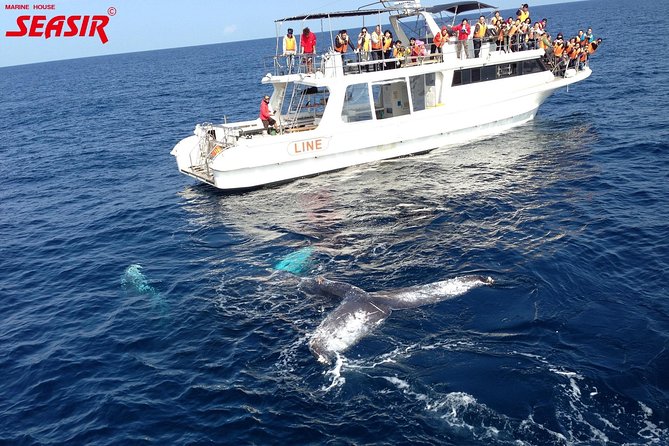
The boat is a large high-speed double-deck yacht, and the two-toilet setup sounds like a small detail until you’re out for hours. In practice, it helps a lot when you want to keep your viewing time focused instead of worrying about bathroom logistics.
You also get winter-friendly comfort support:
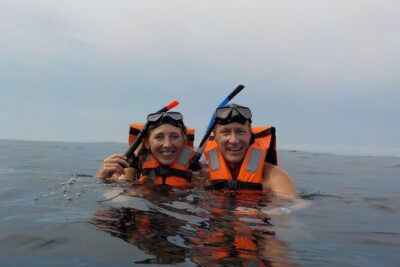
- Life jacket rental
- Hot & cold drinks
- Raincoat rental if you need it
One review note that you’ll want to take seriously: even if the day starts sunny, it can be windy on the boat. The boat’s speed and offshore position are part of why it can be effective for sightings, but they also mean you should dress for wind chill like you mean it.
Seating is another practical point. One person noted that the boat was spacious and not too crowded, but seating could feel a bit tight for the total number of people on board. So if you’re picky about having a great viewing spot, get to the deck early and plan on moving to where you can see best when whales start surfacing.
How the spotting works: sonar, radar, and staying a respectful distance
This tour’s spotting approach is one of its standout features. The naturalist onboard uses sonar and radar, and the operator states that they’ve achieved a 99% success rate in spotting and recording whale appearances each year. Whether that exact number matches every single day, the concept matters: the hunt is managed, not random.
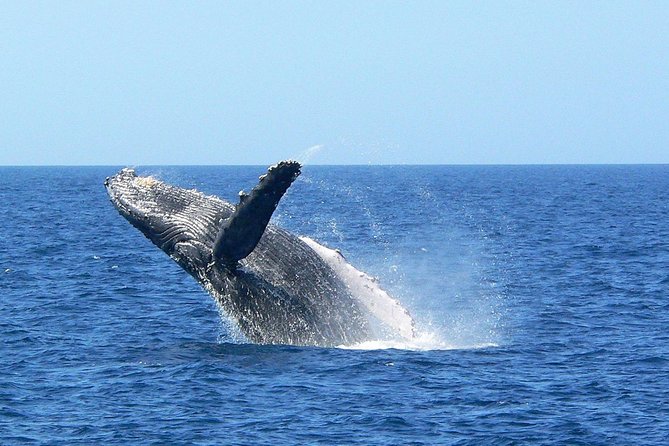
When a whale shows up, you’re typically watching for the pattern, not just a single moment. One review described whales coming up to the surface about every 5–7 minutes, with chances for dramatic surfacing and even breaching. That kind of cadence is exactly what you’re hoping for, because it gives you time to look, film, and enjoy without feeling like you missed everything in one second.
Distance is also handled with ethics and reality. One review specifically mentioned that the boats cannot approach too close unless the whales swim toward the vessel. That rule can feel a little disappointing if you came imagining a near-collision view, but it usually makes the experience more responsible—and in most cases, it doesn’t stop the whales from performing.
The Kerama Islands stop: what you might see when conditions line up
With the trip focusing on Kerama Islands, you’ll be spending your time offshore watching for whales’ surfacing behavior. The experience is framed for winter sightings, and the emotional payoff is clear from the overall feedback: when whales show up, it can feel fast and intense.
You might see:
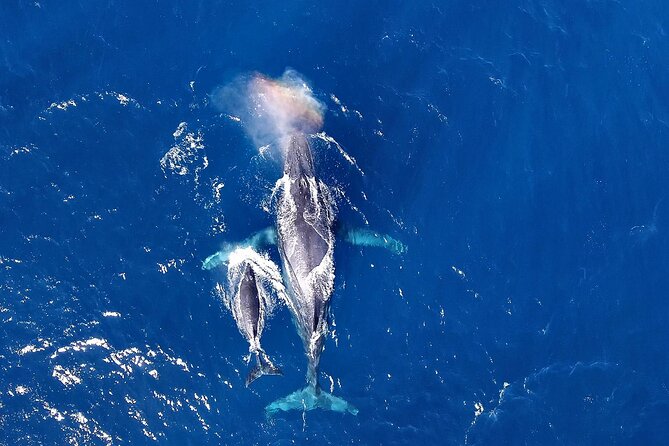
- A whale family situation (including mother and calf, mentioned in feedback)
- Multiple individuals during the same outing (some people reported several whales in one trip)
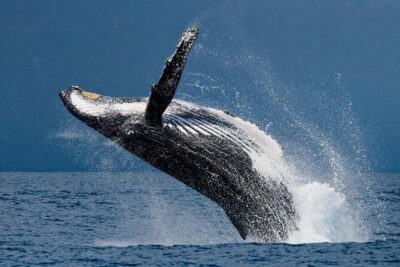
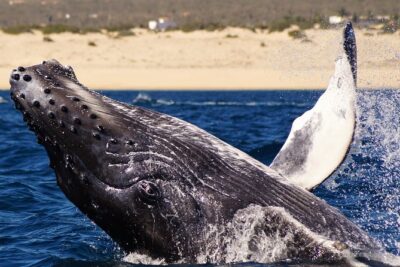
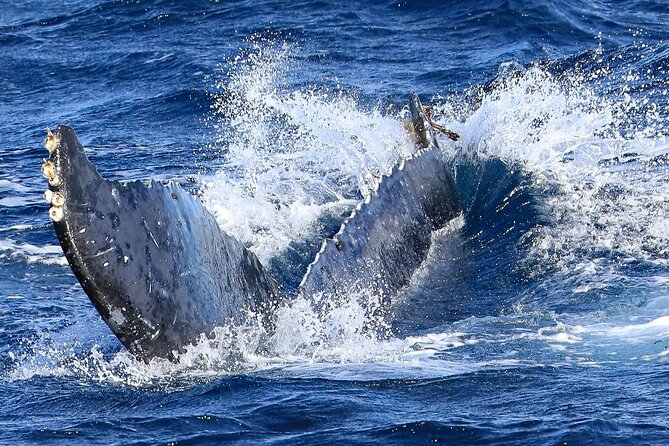
- Breaches and repeated surfacing if conditions are good
The key is that you’re watching animals with a schedule you can’t control. Even with sonar and radar, the ocean doesn’t run on human time. So the best mindset is to treat this as a guided wildlife search where the crew does everything possible to find activity, and you do everything possible to stay warm, alert, and ready.
The guide experience: turning random sightings into real understanding
A whale watching trip becomes memorable when it has meaning. This one includes a veteran English-speaking guide who orients you to whale life, and the vibe is very “listen, then look harder.”
The guide layer also helps with patience. If you know what you’re looking for—blows, surface intervals, behavior—you’re less likely to feel like you’re waiting in boredom. The tour also includes a whale-watching booklet you can download, which is a nice way to connect what you see with what the guide explains.
If you want an extra-strong English experience, keep an eye out for named guides when possible. One piece of feedback called out a guide named Rita, described as having very clear English and a PhD marine biology background. You can’t guarantee who’s on your departure, but it’s a reasonable ask if the company lets you request.
Winter comfort checklist: wind, rain, and motion sickness
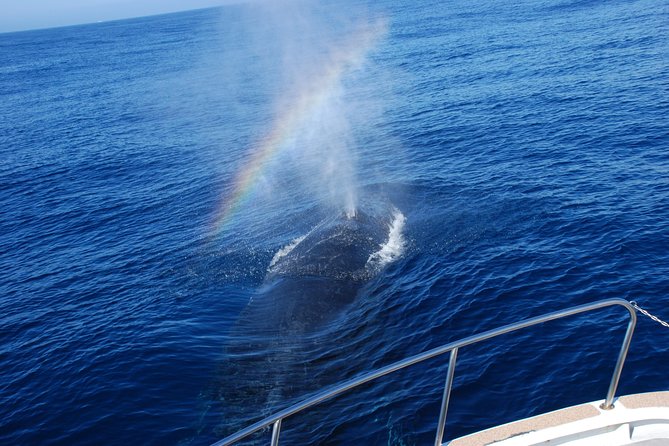
Don’t underestimate how winter can feel when you’re out on the water. Even when the harbor conditions look fine, offshore wind can change everything quickly. The tour includes raincoat rental, but you should still bring your own wind layer and hat if you run cold.
For the most practical packing, I’d focus on:
- A windbreaker (even sunny days can turn gusty)
- Warm layers you can keep on even when you’re excited and moving around
- Something to protect your head and ears
- If you’re prone to it, seasickness medicine
One review mentioned that not everyone gets motion sickness, but some people did. If you’re sensitive, take the preventative approach rather than waiting until you feel sick. It’s the difference between enjoying the whale surfacing window and spending that window gripping the rail.
Price and value: what $38.22 buys you (and what it doesn’t)
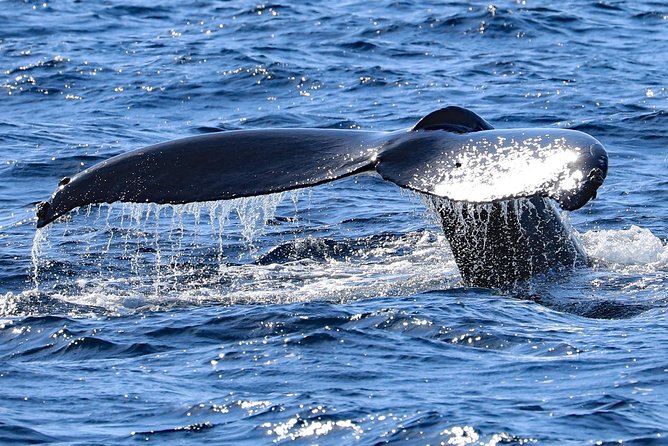
At about $38.22 per person, this is positioned as a value-driven whale trip rather than a luxury cruise. You’re paying for:
- A guided hunt with sonar and radar support
- A high-speed double-deck yacht
- Included life jacket rental
- Hot & cold drinks
- Raincoat rental
- Downloadable photos and a whale-watching booklet
Meals are not included, so plan on budgeting for food on land before or after. If you compare this to the cost of transport, guides, and gear you’d otherwise arrange yourself, it can add up faster than you’d think.
The other value piece is the refund structure. The tour notes a full refund if no whales are spotted from Feb 1 to Mar 31. It also clarifies that there’s no refund if someone on board, including staff, spots a whale, a dolphin, or their blow—so the measurement is strict. For dates outside that window, there’s also a re-trial voucher if no whales or dolphins are spotted between Dec 22 and Jan 31.
Who this is best for—and who should skip it
This trip is described as suitable for most travelers, and it welcomes solo travelers. If you like wildlife with guidance (not just a passive look), it fits well.
You’ll especially enjoy it if you:
- Want winter seasonal whale watching with a crew that tracks sightings
- Prefer a structured experience with a live English guide
- Appreciate practical onboard extras like drinks and rain gear
Skip or reconsider if you fall into the listed health limits. The tour states that people with a history of epileptic seizure or loss of consciousness for unknown reasons, or attacks of hyperventilation syndrome, cannot join. It also says pregnant or possibly pregnant people cannot participate.
For families, the tour requests that you bring a baby carrier if a child can’t stand on their own. With a maximum of 35 travelers, it’s not a massive crowd, but you’ll still be moving around on a boat deck.
Should you book Okinawa whale watching from Naha?
I’d book if your trip dates land in January through late March, you’re okay with chilly wind offshore, and you want a guided search that uses sonar and radar instead of pure luck. The combination of hot drinks, rain protection, and an English guide makes it easier to focus on the animals when sightings start.
I wouldn’t book if you’re not able to handle boat motion or you’re in the listed health categories. And if you’re imagining the boat pulling right alongside whales, adjust your expectations now—this operation keeps a respectful distance unless the whales approach on their own.
If you want a solid winter wildlife outing with real support onboard, this one is a strong candidate.
FAQ
How long is the Okinawa whale watching tour from Naha?
It runs about 4 hours (approx.).
Where does the tour start and end?
It starts at Marine Club Berry Naha in Naha and ends back at the same meeting point.
Is pickup available from hotels?
Yes. A free shuttle bus is available for designated hotels, but advance booking is required.
What’s included in the ticket price?
Included are life jacket rental, hot & cold drinks, raincoat rental if needed, a guide, a downloadable booklet/photos, and free parking.
What’s not included?
Meals are not included.
What happens if no whales are spotted?
A full refund is available if no whales are spotted from Feb 1 to Mar 31. For Dec 22 to Jan 31, you get a re-trial voucher if no whales or dolphins are spotted. Note: no refund is given if someone on board, including staff, spots a whale, dolphin, or their blow.
Can I cancel for free?
Yes. You can cancel up to 24 hours in advance for a full refund, and cancellations due to poor weather can result in a different date or a full refund.