REVIEW · NAHA
Okinawa:Kerama Islands experience Diving/Snorkeling/WhaleWatching
Book on Viator →Operated by JOY CREATE OKINAWA TEA-DA · Bookable on Viator
Clear water, simple start, big sea life.
This Kerama Islands trip turns Naha’s shoreline into an all-day swim plan, mixing intro scuba coaching with snorkeling, aiming for sea turtles in multiple spots. From Jan 12 to Mar 31, it can also include whale watching, depending on sea conditions.
What I especially like is how structured the day feels for beginners—surface practice, clear gear explanations, and a team made up of instructors with first-aid training. I also like the “pick a level” setup: you can snorkel or do scuba and stay on the same boat. One thing to weigh: sea turtles (and whales, if in season) aren’t guaranteed, since sightings depend on weather and what’s out there that day.
In This Review
- Key things that make this Kerama tour work
- Kerama Islands 101: why this route beats a simple beach day
- Starting from Naha: the morning rhythm and what it means for your day
- Your day on the water: what happens on the boat
- Intro scuba without a license: how beginners are set up to succeed
- Snorkeling on the same boat: a smart option for mixed comfort levels
- The islands: where the reef time goes (Zamami, Tokashiki, Kuroshima, Maejima)
- Sea turtles, fish, and the real reason you’ll remember this day
- Whale watching Jan 12 to Mar 31: what’s included and what isn’t
- Gear, photos, and small perks: where the value hides
- Safety and comfort: what to trust, and what to double-check
- Price and value: does $96.67 make sense for what you get?
- Who should book this Kerama Islands day trip
- Should you book it?
- FAQ
- FAQ
- Do I need a scuba license for this Kerama tour?
- Can I join if I can’t swim?
- Which islands might the boat visit?
- Is whale watching included year-round?
- Will we definitely see sea turtles?
- What time does the tour start?
- How long is the tour?
- What equipment is included?
- Is lunch included?
- Are underwater photos included?
- Is motion sickness help available?
Key things that make this Kerama tour work
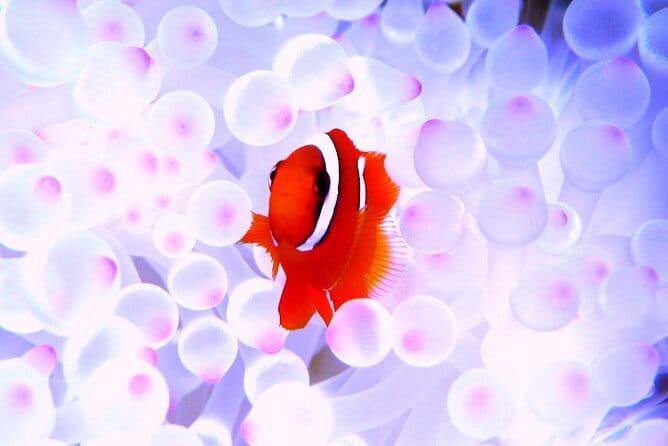
- Beginner-focused coaching: instructors teach step-by-step, including verbal gear explanations and surface practice before you go underwater
- Two to three island spots per day: routes can include Zamami, Tokashiki, Kuroshima, and Maejima depending on conditions
- Flexible water options: snorkel people and scuba people share the same boat day
- Safety-minded gear support: wetsuit or life jacket required, with floating rings provided
- Seasonal whale watching: Jan 12–Mar 31 only, and only if weather allows
- Small perks that add up: tea and water, motion sickness help (reservation), and a few underwater photos included
Kerama Islands 101: why this route beats a simple beach day
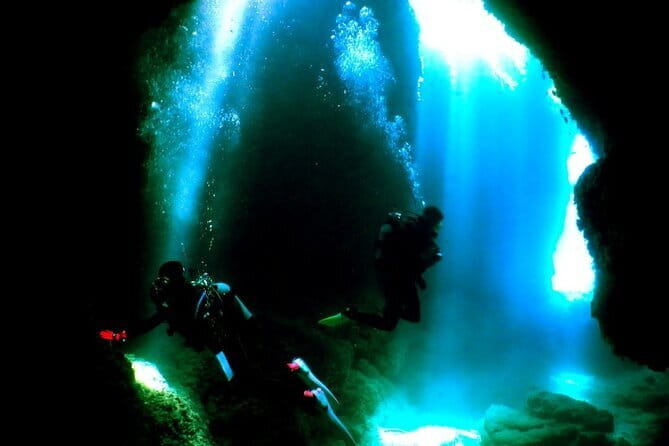
Naha is convenient, but it’s not where you go for the “stop-and-stare at the ocean” feeling. The Kerama Islands, out beyond the main island, are known for clear water and healthy reef—exactly the kind of place where snorkeling is more than just “see a fish or two.”
The big value here is that you’re not doing one stop and hoping for the best. This day trip targets 2–3 carefully selected underwater locations. That matters because reef visibility and wildlife movement change by spot. If one area is quieter, another may feel like a different world.
Also, your day is built around the same ocean theme whether you’re on the surface (snorkeling) or suited up for scuba. That makes it easier for mixed groups—people can choose the level they’re comfortable with without splitting the day.
You can also read our reviews of more tours and experiences in Naha.
Starting from Naha: the morning rhythm and what it means for your day
You meet at Miegusuku Port (三重城港 / Miegusuku Port), near Naha, with a 7:30 am start. The activity returns you back to the same meeting point after the full day.
If you want to avoid extra hassle, there’s pickup within Naha city. Just know pickup is limited—if the shuttle bus is full, you may not get it. That’s a small but real planning detail because early starts are where you either feel relaxed or feel rushed.
The overall trip time is listed at about 7 hours. That’s long enough to feel like a proper ocean day, not just a quick boat ride. And since lunch isn’t listed as a core included item, you’ll want to accept that you’re mainly paying for water time, gear, and guiding—not a full resort-style meal plan.
Your day on the water: what happens on the boat
The tour is capped at a maximum of 15 travelers, which usually means you get more hands-on attention during check-in, gear fitting, and the jump from boat to water.
The crew runs the day like a training operation, not a casual outing. You’ll get time on land, then time again before entering the water, and then another check on the surface. That shows up in the way the experience is described: repeated explanations, not one quick instruction and good luck.
Also, the boat day is designed so you can match your comfort level:
- If you can’t swim or you’re nervous, you can still join the snorkeling option.
- If you’re doing scuba, you’ll be coached on what to do and what to watch for.
One practical note: since this is an ocean day, weather matters. The tour notes that it requires good weather, and if canceled due to poor conditions you’ll be offered a different date or a full refund.
Intro scuba without a license: how beginners are set up to succeed
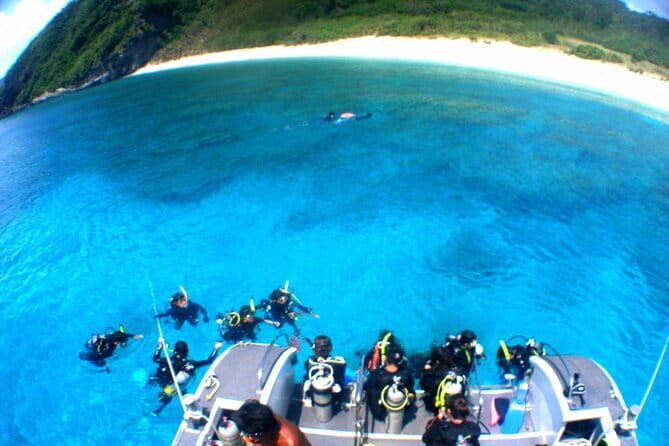
Even if you’ve never done scuba before, this tour is built for that first-timer moment. You don’t need a license in the information provided, and the pitch is clearly aimed at people who want to look underwater without feeling pushed.
The most important part is the teaching flow:
- Equipment explanations so you know what’s on your body and why
- Verbal guidance so you understand the plan, not just the gear
- Surface practice before you go deeper
- Ongoing support once you’re in the water
That’s what reduces the “what do I do now?” panic. And it’s exactly what I’d look for if you want to try scuba as a safe, confidence-building experience.
Comfort details also matter. The tour specifies that for safety you’ll wear a wetsuit or life jacket, and floating rings are provided. That may sound small, but it changes the whole vibe for nervous first-timers. It means the experience is about learning control and breathing—not just “tough it out.”
Finally, staff complete first aid training, and the experience notes that health requirements are checked on the day. If you have any medical history listed in the tour’s eligibility notes—especially lung or neurological conditions—you may be refused participation. If you drink alcohol within the hour, you may also be refused. Think of it as the tour protecting you and the group.
Snorkeling on the same boat: a smart option for mixed comfort levels
This is one of the best practical advantages of the tour design: you can do scuba or snorkeling depending on your comfort, and you can still be on the same boat day.
Snorkeling is not treated as the backup plan. It’s presented as a full option with safety attention and animal-focused guidance. If you’re afraid of deep water, snorkeling is an easier way to enjoy the reef and fish life without committing to scuba.
And if you’re bringing family or friends with different comfort levels, this setup avoids the classic problem of splitting the group and losing time.
The islands: where the reef time goes (Zamami, Tokashiki, Kuroshima, Maejima)
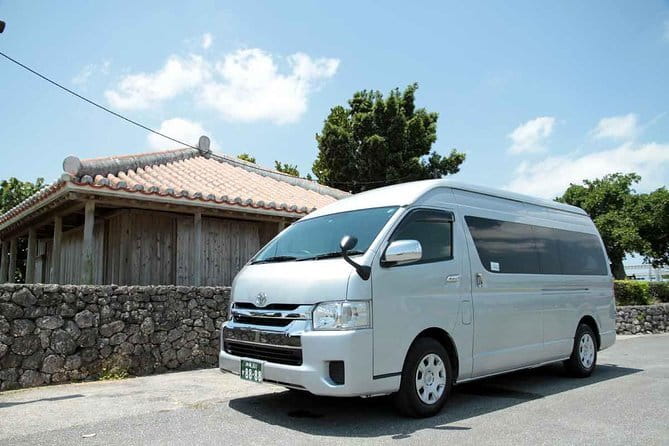
The tour route is flexible, but it does mention specific islands that may be visited: Zamami Island, Tokashiki Island, Kuroshima Island, and Maejima Island. You’ll visit two to three spots per day, and the emphasis is on underwater variety.
Here’s how that helps you, even without knowing the exact order:
- Different islands can mean different water clarity and different reef structures.
- More than one stop gives you a chance to find the portion of the day that clicks for you—some spots are more fishy, others more coral-dense, and wildlife movement can be spot-specific.
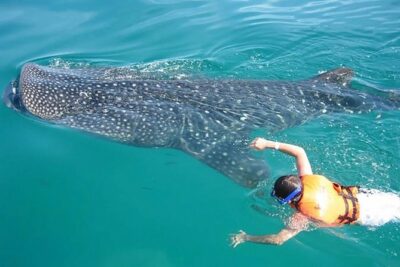
A key expectation to set: sea turtles are the target animal, but the tour explicitly notes you might not be able to spot any sea turtles. That’s normal in wildlife viewing. The practical takeaway is to go for the overall underwater scenery and animal possibilities, not a guaranteed turtle encounter.
Sea turtles, fish, and the real reason you’ll remember this day
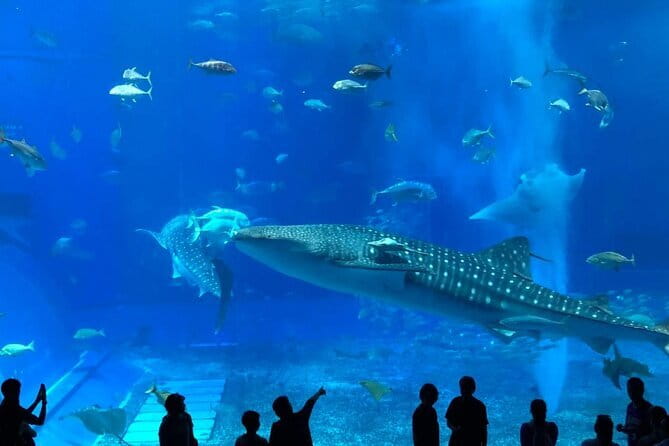
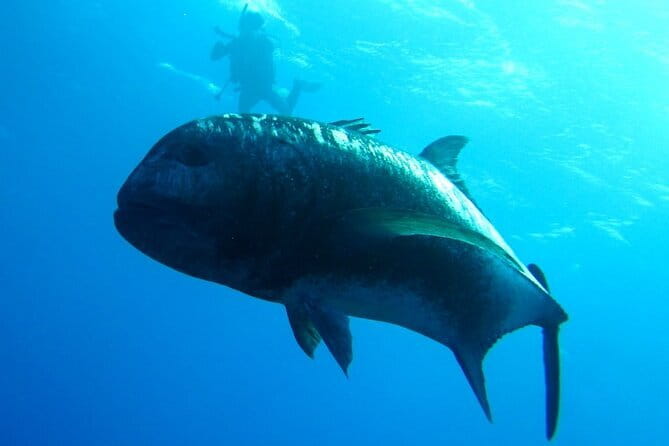
The core theme is wildlife plus reef. The experience is framed around searching for sea turtles across multiple underwater locations. Even if you don’t see turtles, you’re still there for coral and fish life—and the water conditions described (clear enough to see the seabed) are exactly what makes snorkeling and scuba rewarding.
From the experiences described in the feedback, the best moments tend to come from:
- Seeing multiple reef areas in one day (not just one quick look)
- Having animal info explained during the experience
- Feeling safe enough to actually enjoy what’s around you
In particular, one highlighted instructor named Takashi is mentioned as excellent, which fits the overall beginner-friendly approach. When your guide is calm and methodical, you spend less energy worrying and more time noticing fish, coral texture, and motion in the water.
Whale watching Jan 12 to Mar 31: what’s included and what isn’t
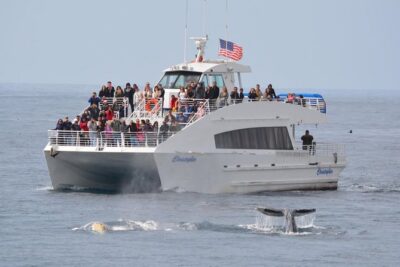
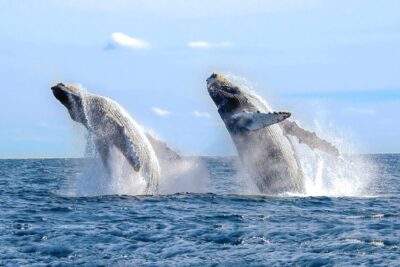
If your trip falls in season—Jan 12 to Mar 31—whale watching is included. That’s a great add-on because it turns a “just reef” day into something that can feel dramatic from the surface.
But you need the honest expectation set: the tour notes that you may not see any whales, and availability depends on weather and sea conditions. That’s not a bait-and-switch. It’s how ocean wildlife viewing works.
If whale watching is your main goal, build in flexibility. If it’s a must-see item, consider booking a date window rather than one fixed day—because the ocean is in charge, not the calendar.
Gear, photos, and small perks: where the value hides
This tour includes:
- Snorkeling equipment
- Scuba equipment
- Ship fare and insurance
- Tea and water
Then there are extras that feel designed for the moment:
- Get 2–3 underwater photos as a gift, downloadable via Facebook
- Optional FHD video service
- Free motion sickness medication if reserved
- Free swim bladder rental if reserved
Those reservations matter. If you’re prone to motion sickness or you want extra buoyancy support for comfort, arrange it ahead of time. It’s one of those “small effort, big difference” moves that can keep your day fun instead of uncomfortable.
There are also seasonal child perks: free snacks for children under 12, and free shaved ice in August and September. Yes, shaved ice while you’re staring at the sea is a very Okinawa way to do a day.
Safety and comfort: what to trust, and what to double-check
The tour repeatedly frames safety as a core part of operations:
- Staff are instructors with first aid training
- You’ll wear a wetsuit or life jacket
- Floating rings are provided
- Instructions are repeated on land, before entering the water, and on the surface
That’s the right structure for beginners.
At the same time, a couple of negative experiences are part of reality in any activity like this. One report mentions an equipment problem (a regulator issue) and feeling that the situation didn’t get handled quickly enough. Another report mentions feeling in danger due to how the problem was handled.
So here’s my practical advice: when you’re fitted for gear, do a quick personal check. If something feels off—breathing comfort, fit, or any function—tell the instructor immediately. Don’t wait. Also, if you’re easily stressed by speed or motion, consider reserving the motion sickness medication and choosing whatever support you’re offered (floating rings, swim bladder rental).
If you follow the health eligibility notes and keep your expectations realistic about wildlife sightings, you’re much more likely to have the calm, confidence-building day the tour is clearly aiming for.
Price and value: does $96.67 make sense for what you get?
At $96.67 per person, you’re paying for a lot more than a ticket to the sea. You’re getting:
- Boat transport (ship fare) with insurance
- Gear included (snorkel and scuba equipment)
- Instructor-led instruction
- Tea and water
- Underwater photos (2–3)
When you break it down, the value is in avoiding all the usual “extras” that add up on your own—equipment rental, guided support, and getting to the islands by boat.
The only place the value can feel tricky is lunch. Lunch is listed as not included. If you need a full meal plan, you may have to budget separately, or assume you’ll find food options near the meeting area afterward. The information provided also includes at least one mention of curry lunch, so you might find a meal break during the day, but it’s not something to count on blindly.
For most people, though, paying for gear + boat + trained instruction at this price level is a solid deal—especially if it’s your first time doing scuba.
Who should book this Kerama Islands day trip
This is a great fit if:
- You’re a beginner who wants guided scuba and reassurance
- You’re in a mixed group and need snorkeling and scuba options together
- You care about reef scenery and wildlife guidance, not just getting wet
It may be less ideal if:
- You want a fully guaranteed wildlife experience (sea turtles and whales are conditional)
- You’re uncomfortable with a busy early start and a full morning into afternoon boat schedule
- You’re sensitive to motion and haven’t planned for motion sickness support
If you have any of the medical conditions listed in the health notes, double-check eligibility before you commit. If you’re uncertain, ask your doctor first. This is not a tour where you want to wing it with a health risk.
Should you book it?
I’d book this tour if your priority is an organized, beginner-friendly way to enjoy the Kerama Islands with real instructor support. The combination of clear water, multiple island stops, included equipment, and small extras like photos and seasickness help makes it feel like a well-priced day rather than an expensive novelty.
Just go in with the right expectations: sea turtles and whales are possibilities, not promises. If you’re okay with that—and you want your first underwater experience to feel guided and safe—this is a smart choice from Naha.
FAQ
FAQ
Do I need a scuba license for this Kerama tour?
The experience is described as an introductory scuba option for first-time participants, and you can join even if you don’t have a license. Your participation also depends on the health checklist you receive after booking.
Can I join if I can’t swim?
Yes. The tour explicitly notes that you can still join, including for snorkeling. Wetsuits or life jackets and floating rings are provided for safety.
Which islands might the boat visit?
The experience notes that you may visit Zamami Island, Tokashiki Island, Kuroshima Island, and Maejima Island, with 2–3 selected spots per day.
Is whale watching included year-round?
No. Whale watching is included only from January 12 to March 31, and it depends on weather and sea conditions.
Will we definitely see sea turtles?
No. Sea turtles are part of the goal, but the experience notes you may not be able to spot any sea turtles.
What time does the tour start?
The start time is 7:30 am, with pickup available in Naha city depending on shuttle availability.
How long is the tour?
The duration is listed as about 7 hours (approx.).
What equipment is included?
The tour includes snorkeling equipment and scuba equipment, plus ship fare and insurance.
Is lunch included?
Lunch is listed as not included. Some information provided mentions curry lunch, but you shouldn’t assume lunch is guaranteed based on the official included list.
Are underwater photos included?
Yes. You get 2–3 underwater photos as a gift, downloaded via Facebook. An FHD video service is also available.
Is motion sickness help available?
Yes. Motion sickness medication is available for free if desired, but it requires a reservation.