REVIEW · KAIKOURA
Kaikōura Whale Watching – 1hr 20min Ultimate Adventure
Book on Viator →Operated by South Pacific Helicopters NZ · Bookable on Viator
Whales look different from the air. I love the close-up aerial spotting you just can’t match from boats, and I also love the mountaintop landing that turns the whole trip into scenery plus wildlife. One consideration: at $977.40 per person, this is a splurge, so I’d only book if you’re comfortable paying for the helicopter advantage and want the chance at multiple species.
The flight portion is about 1 hour 20 minutes, and the overall experience runs around 2 hours. You get pickup offered, a small group size (up to 6), and headphones plus a life jacket, which keeps the vibe focused on wildlife and photos instead of logistics.
For me, the biggest small downside is simple: bottled water isn’t included. On a day you’ll be taking in sea views, you’ll feel better with water in your bag.
In This Review
- Key things that make this Kaikōura heli whale tour special
- Kaikōura helicopter whale watching: why this format works
- Inside the flight: what the 1hr 20min airborne time feels like
- Kaikōura Whale Sanctuary and Hikurangi Marine Reserve from above
- What you might spot: whales, dolphins, and fur seals
- The Seaward Kaikōura Ranges landing: 360° views and a mountain break
- Price and value: is $977.40 per person worth it?
- Practical details that affect your comfort and timing
- Pilots, professionalism, and how guides shape the day
- Weather matters: how to think about risk before you book
- Should you book the Ultimate Adventure heli whale watching tour?
- FAQ
- How long is the Kaikōura helicopter whale watching Ultimate Adventure?
- What does the tour include?
- Where is the meeting point?
- Is pickup available?
- What should I bring since bottled water is not included?
- What is the maximum group size?
- Are there any weight or participation limits?
Key things that make this Kaikōura heli whale tour special
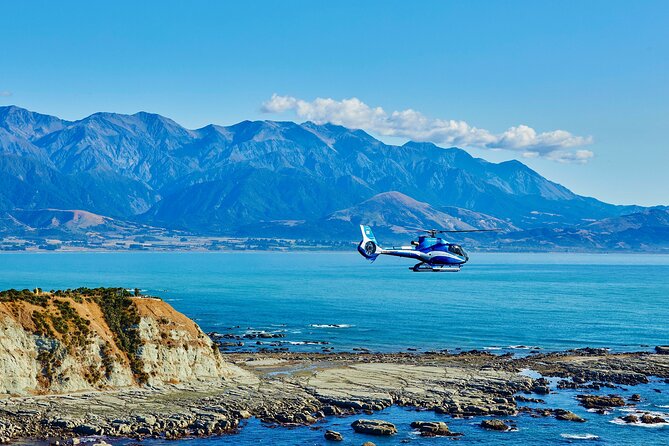
- Manoeuvrable helicopter viewing: better angles for whales, dolphins, and seals than most boat tours
- Whale sanctuary and marine reserve flight path: the tour focuses on Kaikōura’s key marine areas
- A north-coast coastline pass before landing in the Seaward Kaikōura Ranges
- 360-degree views on landing: you’re not stuck behind a rail or on a moving platform
- Small group limit (max 6): less crowd energy, more “you’re in the moment” time
Kaikōura helicopter whale watching: why this format works
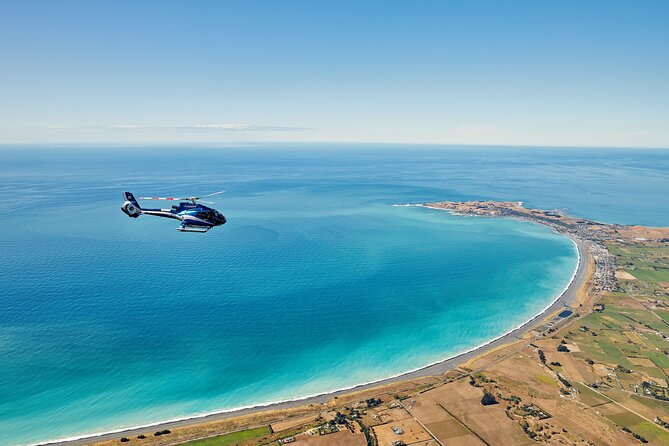
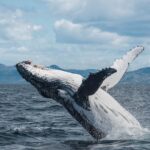
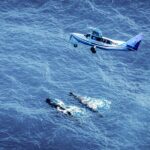
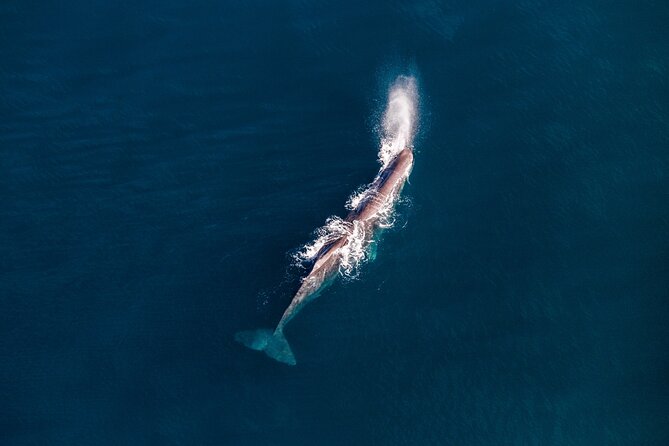
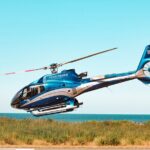
Kaikōura is famous for wildlife, but the helicopter format changes everything. From the air, you can spot animals earlier and read the water better. When whales surface, you often see the whole pattern—movement, direction, and how the pod relates to the coastline—rather than just watching a single point on the horizon.
I also like how the tour mixes two kinds of payoff. You get the marine action first, then you get a mountain landing with huge, calm airspace and wide sightlines. That combo matters because it gives you both the adrenaline of helicopter flight and the slow, satisfying moment of standing above it all with a full circle of views.
And there’s a practical reason to choose this over “try your luck” boat days: Kaikōura weather can be stubborn. If winds or rough seas mess with marine tours, an air-based option can be the fallback that still delivers.
You can also read our reviews of more tours and experiences in Kaikoura.

Inside the flight: what the 1hr 20min airborne time feels like
Think of the schedule as a short aerial loop with a wildlife focus. The helicopter flight time is listed at 1 hour 20 minutes, with the total experience around 2 hours. That shorter overall duration is one of the main reasons this tour fits well even on a busy Kaikōura stay.
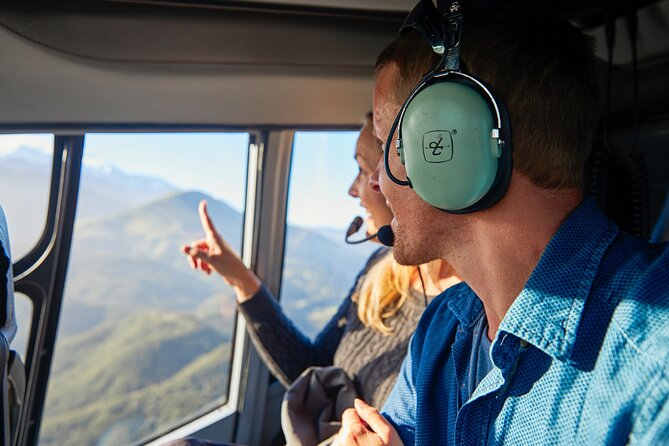
You’re not just riding along. You’ll fly over key marine areas where whales and dolphins are most likely to appear. The helicopter’s maneuverability is a big deal here: it can reposition quickly when animals surface, which increases your odds of seeing more than one sighting.
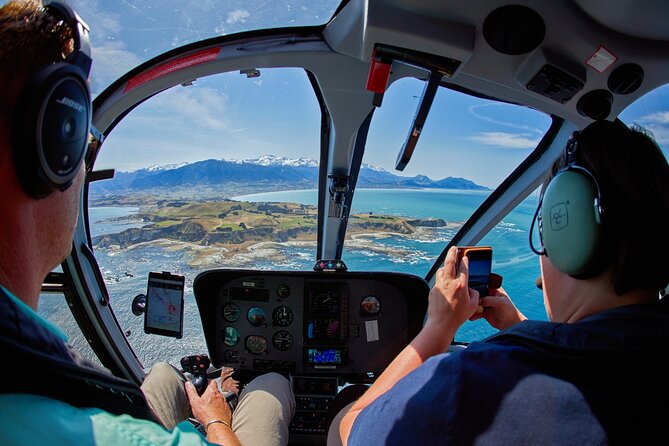
On board, you’ll have headphones and a life jacket included. That’s not just a comfort thing—it helps you hear instructions clearly and feel prepared for the flight environment. Also, since you’ll be watching up and out the windows, the headphone setup makes it easier to follow what the pilot is pointing out.
Kaikōura Whale Sanctuary and Hikurangi Marine Reserve from above
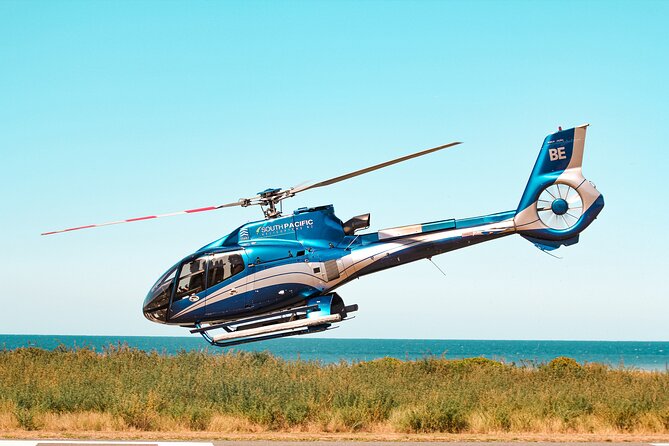
The heart of the experience is the flight over the Kaikōura Whale Sanctuary and the Hikurangi Marine Reserve. These names aren’t just labels. They signal the tour’s intent: it concentrates on waters where marine life is a priority, instead of taking a general sightseeing route.
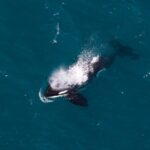
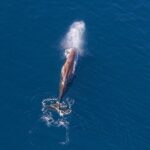
From the air, you’re looking down on the coastline and out over open water, which can help you spot spouts and movement sooner. The goal is to catch a range of whale and dolphin activity, not only one species. The tour description calls out possibilities including sperm whales, humpback whales, blue whales, and orcas, along with other migratory species.
The wildlife list is ambitious, but what makes it realistic is how helicopter viewing changes your “time on target.” If a whale is visible, you’re more likely to track it through surfacing behavior than if you’re far away on water.
What you might spot: whales, dolphins, and fur seals
Wildlife sightings are always weather-and-conditions dependent, but Kaikōura’s mix is part of the appeal. The tour highlights several animal groups, and that matters because it’s not just a single-species mission.
Here’s what the experience aims for:
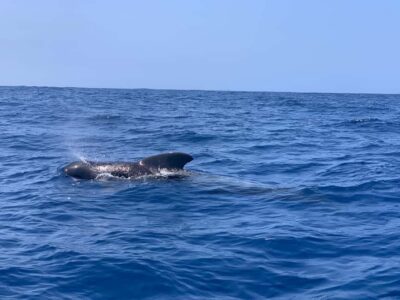
- Sperm whales and pilot whales (often seen in Kaikōura waters)
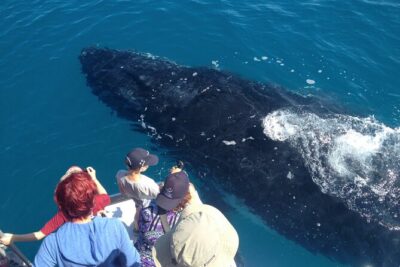
- Humpback whales and blue whales (both mentioned as possibilities)
- Orcas (also specifically listed)
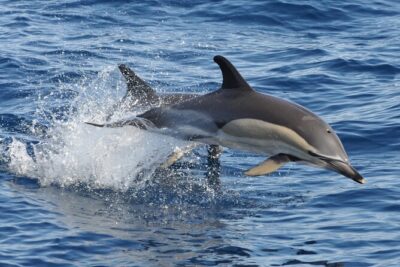
- Dusky dolphins and even large groups of dolphins
- New Zealand fur seals near the shore
I also really like that the tour calls out shoreline activity like seals. That’s a nice bonus because you can get excited even if whales are taking their time.
One practical tip: when you’re in the air, keep your eyes moving. Spouts and surfaced backs don’t always stay in the center of your view. If you track the pilot’s pointers and sweep across the water, you’ll get more from every minute.
The Seaward Kaikōura Ranges landing: 360° views and a mountain break
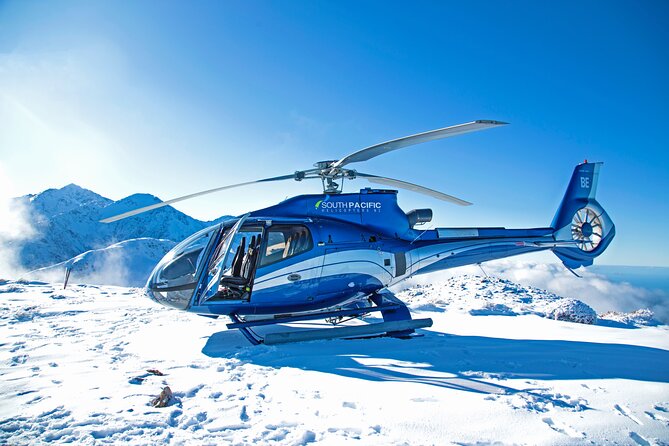
After the coastal flight, you land in the Seaward Kaikōura Ranges. This part turns the tour from “wildlife spotting” into “views with context.” You go from the open ocean to a mountaintop setting where everything looks closer and bigger at the same time.
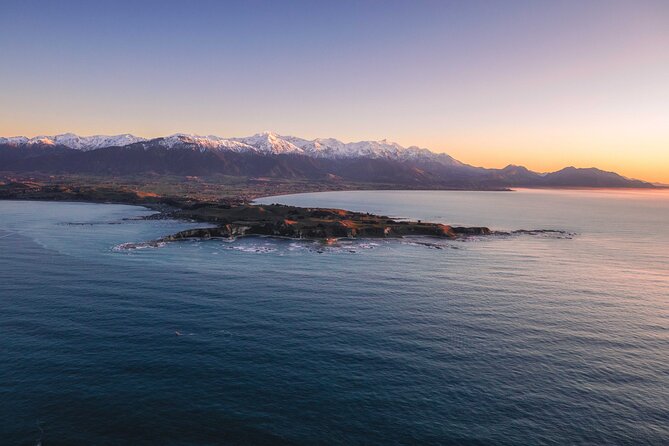
From that high landing point, the tour description promises 360-degree views of the Kaikōura Peninsula, the Pacific Ocean, and surrounding mountains. That wide view is a big value-add because it helps you understand where the coastline sits, how the ocean faces the weather, and why whales hang around where they do.
You should also expect a break on the mountain. In at least one experience described, there was a picnic-style moment with a hamper and even a bottle of champagne. Even if your stop is more simple, the point stays the same: this is your chance to pause, take photos without the vibration of a boat or the constant scan for surfacing animals, and soak in the “from here, this all makes sense” feeling.
Price and value: is $977.40 per person worth it?
Let’s talk money honestly. $977.40 per person is high, especially when you compare it to boat whale watching. So the real question isn’t whether it’s expensive—it’s whether the helicopter upgrade matches what you care about.
Here’s what you’re paying for:
- A 1 hour 20 minute flight that targets whale-rich waters
- Better viewing angles from above, often translating to more sightings or better moments
- A mountaintop landing with 360-degree views
- A small group cap (max 6), which usually makes the experience feel more personal
If you’re a photographer, this is the big reason to consider it. Watching whales from a boat is great, but from the air you’re more likely to frame animals in ways that make sense—especially when dolphins move fast or when whales surface at odd angles.
If you’re going mostly for a quick wildlife check, a cheaper boat option might be the better bet. But if you want the “wow, I’ve never seen it like this” factor and you’re willing to pay for the route plus the landing, the value can make sense.
My advice: only book if wildlife sightings and the helicopter itself are central to your Kaikōura trip. If you’re on the fence, I’d pick your priority first—animal time, not just animal sightings.
Practical details that affect your comfort and timing
A few operational notes matter more than people expect.
Pickup offered: This helps a lot in a town where you may not want to rush between viewpoints and departure points. The tour starts at 617 State Highway 1, Peketā 7374, New Zealand, and ends back there.
Mobile ticket: Easy to manage on the day. Still, I’d keep it accessible offline in case reception is flaky.
Group size: Maximum 6 travelers. That’s a meaningful difference versus big tours. You’ll get quicker attention and less time waiting.
Weight limit: The total weight per passenger is listed as 276 lbs. If you’re near that limit, check early so there are no surprises later.
What’s included vs not included: You’ll get life jacket & headphones. Bottled water isn’t included, so plan to bring it if you’re someone who likes to sip during downtime—especially on the mountain portion.
Service animals: Service animals are allowed.
Pilots, professionalism, and how guides shape the day
The experience is heavily pilot-led because spotting from the air is part guidance, part weather reading. The names that came through in experiences I saw included pilots like Daniel and Alexis.
What I’d watch for is how the pilot communicates. Good pilots don’t just fly the route—they help you look in the right places at the right moment. That makes your time in the helicopter feel efficient, even when the animals aren’t immediately visible.
Also, when you’re flying, you’re not controlling anything. So professionalism becomes part of comfort. When the pilot is calm and clear, you can focus on watching, not worrying.
Weather matters: how to think about risk before you book
This tour requires good weather. Helicopter flying depends on visibility and conditions, and animal spotting depends on the same factors. That means you’re not guaranteed perfect conditions just because the schedule says it runs.
The good news is the experience includes weather-based options: if it’s canceled due to poor weather, you’ll be offered another date or a full refund. That’s important because whale watching is one of those activities where “I want it” doesn’t always match “the ocean wants it too.”
My strategy: if you can, book this earlier in your Kaikōura window so you have time to reschedule if conditions shift.
Should you book the Ultimate Adventure heli whale watching tour?
Book it if you want the helicopter version of wildlife: more control over viewing angles, a shot at multiple whale species, and a mountaintop pause with 360-degree views. It’s especially worth it if you care about photography, hate rough-sea chaos, or you’re in Kaikōura for a limited time.
Skip it (or consider a less expensive option) if:
- You’re budget-tight and mostly want a basic whale check
- You’re not that excited about the helicopter itself
- You’re likely to feel put off by the high per-person price
If you do book, do it with clear expectations: whales are wild, sightings aren’t guaranteed, and weather plays a role. But when conditions line up, this style of tour gives you a kind of closeness to Kaikōura’s marine life that’s hard to replicate.
FAQ
How long is the Kaikōura helicopter whale watching Ultimate Adventure?
The tour duration is listed as approximately 2 hours, with a flight time of about 1 hour 20 minutes.
What does the tour include?
It includes a life jacket and headphones.
Where is the meeting point?
The tour starts at 617 State Highway 1, Peketā 7374, New Zealand, and ends back at the same meeting point.
Is pickup available?
Yes, pickup is offered.
What should I bring since bottled water is not included?
The tour description says bottled water is not included, so it’s smart to bring your own water.
What is the maximum group size?
This activity has a maximum of 6 travelers.
Are there any weight or participation limits?
The total weight per passenger is listed at 276 lbs. Most travelers can participate, and service animals are allowed.