REVIEW · OAHU
Early Bird Whale Watching Cruise from Waikiki
Book on Viator →Operated by Star of Honolulu Cruises and Events · Bookable on Viator
Whales on Oahu start early. This Early Bird Whale Watching Cruise from Waikiki gets you onto the Star of Honolulu® with four walk-around decks and three types of stabilizers, plus live narration from the naturalist crew. You’re not just sitting there hoping for a sighting—you’re learning what to look for as the ocean search gets underway.
I especially like the included morning snack upgrade: homemade pineapple banana bread with hot Kona Blend coffee or tea before you scan the water. The main drawback to plan for is time—some departures can feel like a long ride out and back, leaving a shorter window for whale viewing if conditions don’t line up.
In This Review
- Key things I’d focus on
- Star of Honolulu From Waikiki: The Early Bird advantage
- Boarding and timing: what your 2 hours really feel like
- Breakfast on the water: pineapple banana bread and coffee
- The Star of Honolulu setup: comfort, decks, and bathrooms
- Naturalist narration: turning spotting into a real skill
- Whale-watching reality check: distance and viewing time
- Sightings, stories, and how the crew runs the day
- Getting there from Waikiki: meeting point and parking notes
- Price and value: $68 for a morning whale hunt
- Weather, refunds, and how flexible your day needs to be
- Who should book this cruise (and who might skip it)
- Should you book the Early Bird Whale Watching Cruise from Waikiki?
- FAQ
- Where does the Early Bird Whale Watching Cruise from Waikiki start?
- What time does the cruise depart?
- How long is the cruise?
- What’s included with the ticket?
- Do I get a mobile ticket, and what language is the tour?
- How early should I book?
- What is the cancellation policy?
Key things I’d focus on
- Four walk-around decks and multiple viewing levels so you can shift spots fast when sightings pop up
- Stabilizers built for comfort, helpful if you get motion sickness
- Naturalist narration that turns random ocean looks into informed spotting
- Breakfast included (pineapple banana bread and hot coffee or tea) so you start the day fueled
- Shorter whale-viewing windows can happen, depending on how long the run out takes
Star of Honolulu From Waikiki: The Early Bird advantage
The best part of an early-morning whale watch is that the day hasn’t turned into a full-on traffic and tour shuffle yet. This cruise starts at 9:15 am at Aloha Tower Marketplace (1 Aloha Tower Dr, Honolulu). If your morning is flexible, that timing also helps you get your wildlife fix out of the way before the rest of the island day pulls you in different directions.
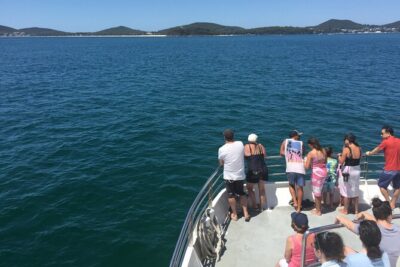
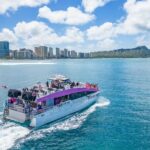
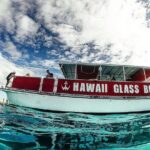
The ship you’ll be on is the Star of Honolulu®, a larger vessel with walk-around decks so you’re not stuck watching from one cramped corner. Multiple deck levels matter. When whales surface unpredictably, it’s a lot easier to find the angle you want when you can spread out and reposition.
Another plus: there’s live narration along the way. A good naturalist program doesn’t just tell you what you’re seeing—it helps you understand what you might not be seeing yet. That makes your scan for spouts, flukes, and movement on the horizon feel purposeful instead of random.
You can also read our reviews of more tours and experiences in Oahu.
Boarding and timing: what your 2 hours really feel like
The cruise runs about 2 hours total. That’s a great length for people who don’t want to lose half a day, and it’s also easier to fit into a Waikiki itinerary than longer sunset-style cruises.
Here’s the part to take seriously: depending on conditions and where the animals are, the time spent getting to the whale area can eat into the actual viewing. Some visitors report that the cruise out-and-back can take a while, leaving a shorter window for whale watching once you get to the sanctuary area. It doesn’t mean you’ll miss out—but it does mean you should go in with the mindset that sightings depend on luck and location, not just schedule.
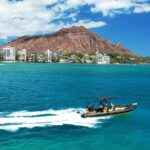
Also, check in with the plan that the boat experience may involve more than just stepping onto a single platform. One account describes transferring from the pier using a smaller craft and shoes left on the pier. I wouldn’t assume that’s your exact experience every time, but I’d still prepare as if there could be a quick boarding step that’s a little awkward—especially in the morning light when everything feels a bit rushed.
Breakfast on the water: pineapple banana bread and coffee
This tour includes breakfast, and it’s not the kind of sad snack that feels like an afterthought. You get homemade pineapple banana bread plus hot Kona Blend coffee or tea. That matters more than you might think. Early whale watches can mean you’re up before you’re properly awake, and having something warm in hand makes the ride feel easier to enjoy.
The timing also works well for the pacing of the morning. You’re fueled before you start scanning for whales, and you don’t have to detour for a breakfast stop right before you go. It’s a simple value win: you’re paying for a full morning experience, not just two hours of ocean time.
One note: some people describe the onboard food selection as limited beyond the included breakfast. So if you’re the type who wants a full meal situation, keep expectations modest. Bring a small snack mindset, not a restaurant meal mindset.
The Star of Honolulu setup: comfort, decks, and bathrooms
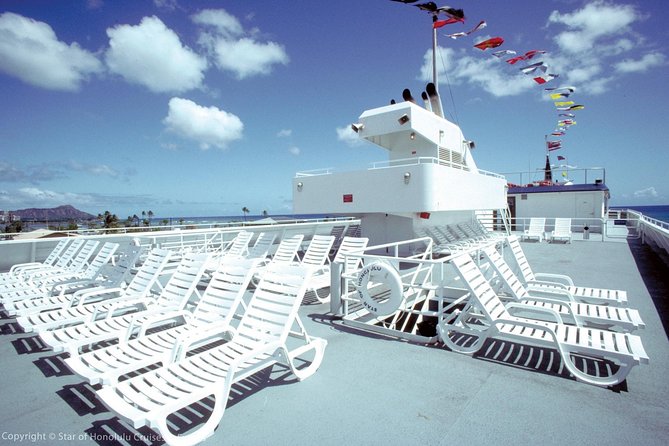
The ship is built for comfort, and you’ll feel it if you’re sensitive to motion. The tour description calls out three types of stabilizers, and that’s a big deal on open water. Several passengers say this larger boat setup was a relief if they get sea sick, and some even mention taking motion-sickness medication and feeling fine.
Inside, you’ve got facilities that make the whole thing easier: people report plenty of restrooms and a clean, roomy ship. When you’re on the water with a wildlife goal, comfort stops being a luxury—it becomes part of your ability to stay outside on the decks long enough to catch something.
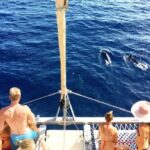
The layout also helps you respond to whale sightings. When a whale surfaces, the best viewpoint can change quickly. With multiple decks and open deck areas, you can hop levels and chase the best angle without feeling like you’re trapped in one seat.
Naturalist narration: turning spotting into a real skill
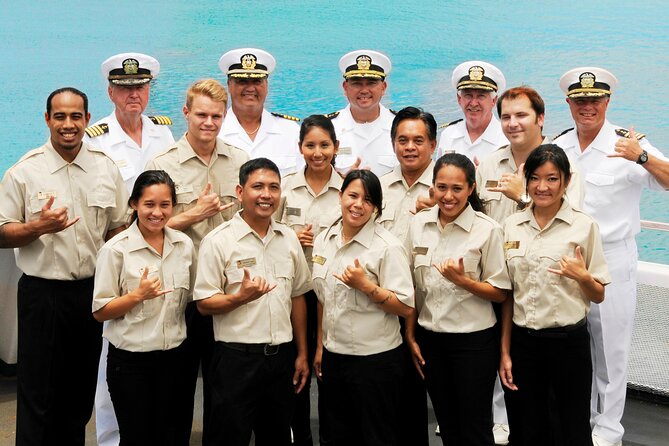
The cruise includes a certified naturalist crew and live narration. This is one of the biggest quality factors because it shapes how you interpret what you’re seeing. The difference between a great whale watch and a frustrating one is often whether you understand how whales move through the water.
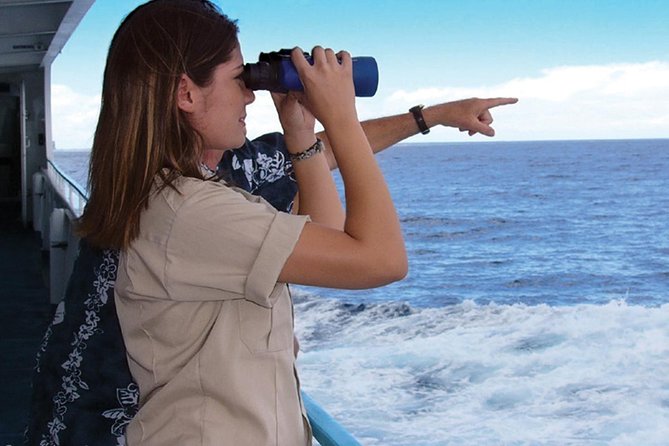
There’s also a practical communication element that some passengers appreciate: crew guidance about where to look on the ship. One description mentions using a clock system to help you locate sightings from different parts of the vessel. Even if you’re new to whale watching, that kind of structure helps you stop guessing and start tracking.
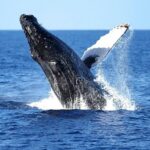
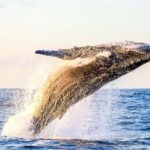
If you’re wondering what kinds of sightings are realistic, the overall cruise experience includes the kind of encounters people hope for on Oahu—humpback whales are the main focus, and passengers also mention possible bonus wildlife such as spinner dolphins and even sea turtles on the way back. Nobody can promise exact sightings on any whale watch, but the variety is a nice reminder: the ocean can surprise you beyond just whales.
Whale-watching reality check: distance and viewing time
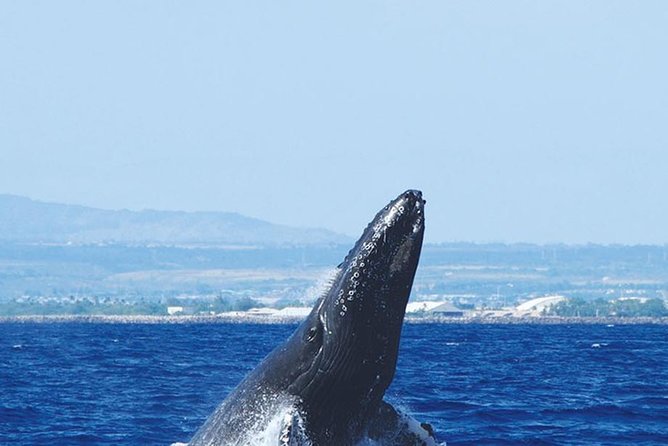
Here’s what I’d tell you straight: whale watching is never 100% controllable. Even when you get whales, they may be farther away than you’d like because the crew maintains distance. Some visitors point out that smaller boats on the water can sometimes get closer to whales, while the larger ship tends to keep a more conservative distance for safety and procedure.
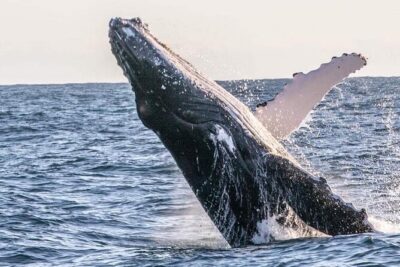
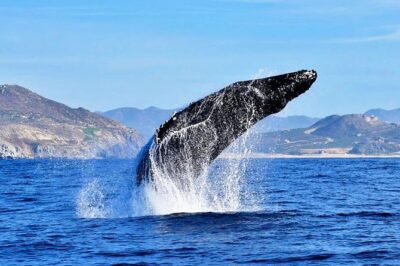
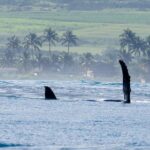
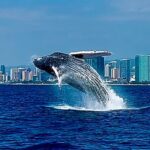
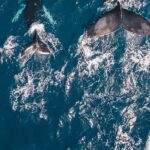
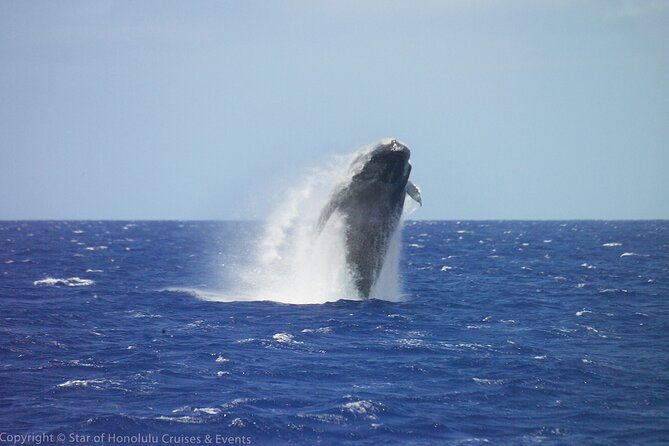
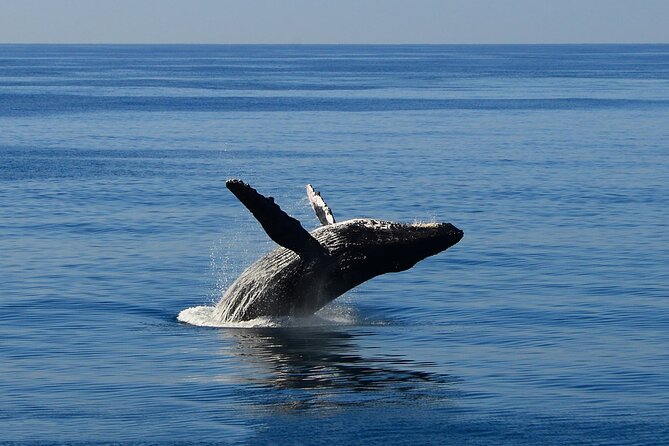
That said, the larger ship experience has its own advantages. When the whales surface, you’re less crowded and you can spread out across the decks. And even if you’re not close enough for perfect frame-filling photos, you can still catch the key behaviors—spouts, fluke movement, and tail slaps—that make humpback sightings unforgettable.
The other reality check is time. If the ship takes longer to reach the active area, your whale-viewing window may feel brief. In those cases, patience becomes part of the deal. Think of this as a moving ocean search with a targeted viewing stretch, not a long, stationary watch session.
Sightings, stories, and how the crew runs the day
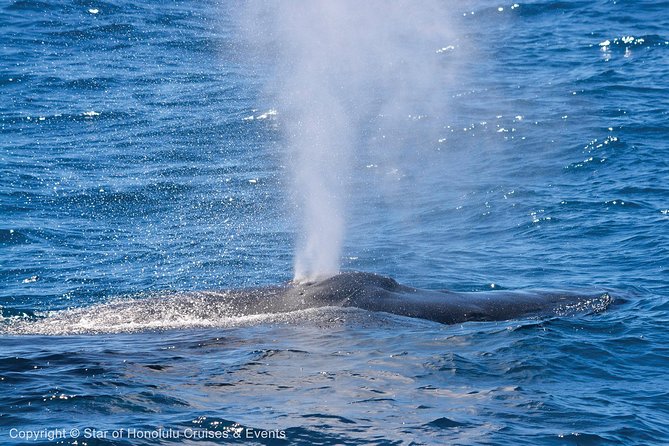
A whale watch lives or dies on coordination, and the Star of Honolulu operation seems to be strong in that area. People describe the ship as clean and spacious, and they often highlight the crew’s friendliness and professionalism.
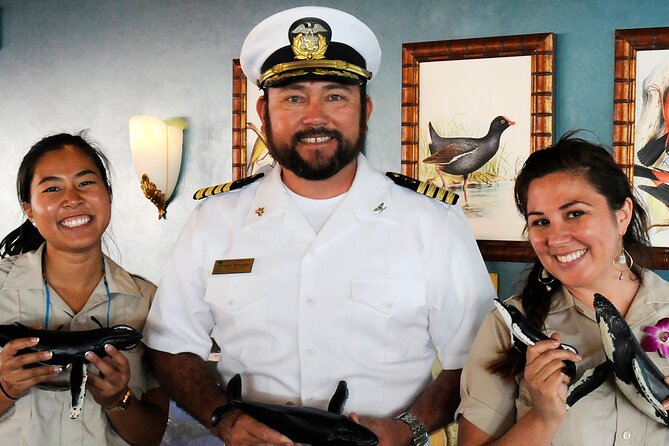
Captain commentary also comes through in the experience. One passenger specifically mentions Captain Wade as welcoming, which fits the broader pattern of a trip that’s meant to be both informative and comfortable, not stiff or overly formal.
On top of the factual narration, there’s some light humor mentioned too—things like playful whale facts that keep the mood relaxed. That’s not just entertainment. When you’re waiting for surfacing behavior, a calm, engaging tone can keep you from checking your watch every five minutes.
Getting there from Waikiki: meeting point and parking notes
Your start point is Aloha Tower Marketplace, right in the heart of Honolulu. The tour information also notes it’s near public transportation, which helps if you’re staying in Waikiki and don’t want to deal with parking.
Parking is where it gets a little real. One person mentions a parking validation sticker that didn’t work and having to pay anyway. Another notes nearby parking for a specific fee. I’d plan as if validation might be hit or miss. Bring a backup plan: have a way to pay for parking without scrambling, especially if you arrive at the start time.
If you’re using rideshare, aim to get dropped off with enough time to check in. With early starts, a few minutes of delay can turn a calm morning into a sprint.
Price and value: $68 for a morning whale hunt
At $68 per person for roughly 2 hours, the value depends on what you care about most. If you want whale watching plus comfort plus an included morning breakfast, the math starts to make sense.
You’re not just paying for access to the boat. You’re paying for:
- a large ship with multiple decks and stabilizers
- live narration and a naturalist program
- breakfast (pineapple banana bread and hot coffee or tea)
- onboard spaces where you can actually enjoy the ride
If you’re the type who hates crowded tours, the big-ship setup seems to help. If you’re hoping for the closest-possible approach like you might see from smaller craft, you might feel the distance is less exciting. The trade-off is comfort and space.
Also, the tour gets booked steadily—on average, it’s reserved about 11 days in advance. For a popular activity near Waikiki, I’d treat that as a sign to lock your spot rather than waiting for last minute.
Weather, refunds, and how flexible your day needs to be
This kind of cruise depends on conditions. The tour states it requires good weather, and if it’s canceled due to poor weather, you’ll be offered a different date or a full refund.
Because this is an early-morning plan, I recommend building in a buffer day if your whole Oahu itinerary is tight. Even if you get a reschedule option, you don’t want your schedule to collapse if the cruise shifts.
On the bright side, the cruise has free cancellation up to 24 hours before the start time for a full refund, so you have some breathing room if a weather forecast changes.
Who should book this cruise (and who might skip it)
This is a strong fit if you want:
- a morning whale watch with a smooth, comfortable big-boat feel
- an included breakfast to make the early start easier
- a naturalist-led experience with live narration and onboard exhibits
- flexibility on where you stand or sit thanks to multiple decks and plenty of space
It might be less ideal if:
- you’re expecting a very long time actively watching whales in one location
- you want the closest possible approach you might see from smaller vessels
- you’re highly sensitive to having a quick boarding transfer step
If you’re traveling with kids, the big ship setup can work well, because there are multiple viewing levels and you can move around. If you get motion sick, the stabilizer-focused vessel is a big reason to consider this over smaller boats.
Should you book the Early Bird Whale Watching Cruise from Waikiki?
I think you should book it if your priority is a comfortable, morning-friendly whale watch with real narration and a free breakfast start. At $68, you’re getting more than a ticket—you’re getting a structured experience that helps you spot whales and then actually enjoy the time on the water.
Skip or at least compare options if you’re only happy with a very long whale-viewing window, or if you’re expecting a smaller-vessel style that may get closer to the animals. In that case, you may feel that your whale time is too short, or your experience doesn’t match what you pictured.
FAQ
Where does the Early Bird Whale Watching Cruise from Waikiki start?
The meeting point is Aloha Tower Marketplace, 1 Aloha Tower Dr, Honolulu, HI 96813, USA. The activity ends back at the meeting point.
What time does the cruise depart?
The start time is 9:15 am.
How long is the cruise?
The duration is about 2 hours.
What’s included with the ticket?
You’ll have access to onboard exhibits, a naturalist guide, and breakfast featuring homemade pineapple banana bread with hot Kona Blend coffee or tea.
Do I get a mobile ticket, and what language is the tour?
Yes, the tour offers a mobile ticket. The experience is offered in English.
How early should I book?
On average, this cruise is booked about 11 days in advance, so booking ahead is a good idea.
What is the cancellation policy?
You can cancel for a full refund up to 24 hours before the experience starts. If you cancel less than 24 hours before the start time, the amount paid is not refunded. If the cruise is canceled due to poor weather, you’ll be offered a different date or a full refund.