REVIEW · SAN JUAN ISLANDS
Orcas Island Whale Watching
Book on Viator →Operated by Outer Island Excursions · Bookable on Viator
Killer whales in motion set a high bar. This Orcas Island cruise takes you out on high-speed vessels to search for resident killer whales and other whales across the San Juan and Canadian Gulf waters.
I love the naturalist commentary and the high odds of a whale sighting. On boats captained by Phil, Elliott, or Drew, the crew explains what you’re looking at and keeps scanning, so the trip feels like a live nature lesson, not just a boat ride.
The one drawback is logistics: you depart from Orcas Island, reached only by the Washington State ferry system, and the chase for confirmed whales can mean extra time on the water. Plan around ferry schedules and pack for wind and spray, even on bright days.
In This Review
- Key things to know before you go
- Orcas Island whale watching on a fast boat: why it works
- Price and value: $119 for 3 to 4 hours with pro guidance
- Getting to 1608 Rosario Rd: Orcas Island ferry planning matters
- What the 3.5-hour cruise feels like: the search, the spot, the viewing
- Resident killer whales and the other whales you might see
- The real win: how the crew helps you see more than you would alone
- Wildlife sightings beyond whales: seals, sea lions, otters, and more
- Boat comfort, layers, and who this tour fits best
- Private charters and custom add-ons if you want more control
- A quick reality check on weather and timing
- Should you book Orcas Island Whale Watching with Outer Island Excursions?
- FAQ
- How long is the Orcas Island whale watching tour?
- Where do I meet for the tour?
- How early should I check in?
- What whales and wildlife can I expect to see?
- Do I need to be on Orcas Island already?
- Is the tour weather-dependent?
Key things to know before you go
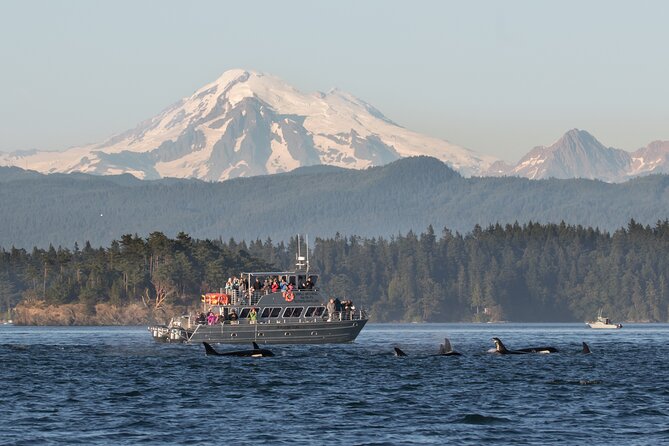
- Fast, small-boat style: you’re on high-speed vessels with a tight group size (max 30).
- Whales show up on most trips: the operator reports whale sightings on 98% of tours.
- More than one whale species is possible: orca plus humpbacks, grays, and minkes on the search.
- You often see lots of extras: porpoises, seals, sea lions, sea birds, and otters.
- Guides help you spot and understand: they track pods, share what the animals are doing, and keep you oriented.
- Bring layers: the boat can feel cold and wet, even when it looks sunny from shore.
Orcas Island whale watching on a fast boat: why it works
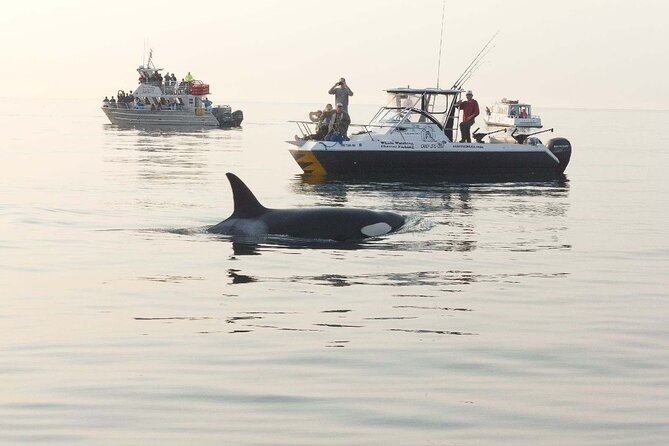
This isn’t a slow sightseeing cruise that drifts until the day happens. The whole point of the high-speed vessels is to get you to whale locations quickly, then reposition as sightings change. You feel that urgency in the best way: scan, spot, adjust, repeat.
The payoff is that the ocean time doesn’t feel wasted. You’re out in the San Juans and toward the Canadian Gulf islands as the crew searches, and the naturalist does the job of translating what you’re seeing into something you can actually recognize. That turns a brief look into a real memory.
You can also read our reviews of more tours and experiences in San Juan Islands.
Price and value: $119 for 3 to 4 hours with pro guidance
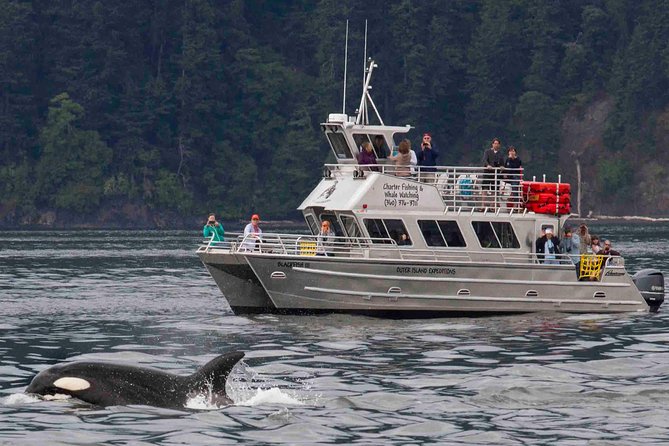
At $119 per person for a 3 to 4 hour tour, this can be a strong value if whale watching is a top goal for your day. You’re paying for a professional guide, a high-speed boat, and the kind of routing that aims to put you in the right place at the right time.
Also keep the math honest: the price is subject to 8.1% Washington State sales tax and applicable fees. It’s not a small add-on, but it is standard for the area. If you’re already planning to travel to the San Juan Islands anyway, this is the kind of excursion that can justify the ferry effort because it’s designed specifically for wildlife spotting.
One more pricing reality: the tour is often booked about 17 days in advance, which tells you people plan ahead for good ferry timing and limited whale-watching availability.
Getting to 1608 Rosario Rd: Orcas Island ferry planning matters
Your meeting point is 1608 Rosario Rd, Eastsound, WA 98245. Check-in starts 30 minutes before departure, and the tour ends back at the same meeting point.
Here’s the planning piece that can make or break your day: the tour departs from Orcas Island, and Orcas is reachable only via the Washington State Ferry System. If your group isn’t already on the island, it’s smart to think about ferry timing from the start. People get burned when they assume they can just slide in at the last minute.
If you want less stress, consider using a departure approach that gets you onto Orcas with enough buffer to check in on time. Once you’re on the island, the on-land part is straightforward.
What the 3.5-hour cruise feels like: the search, the spot, the viewing
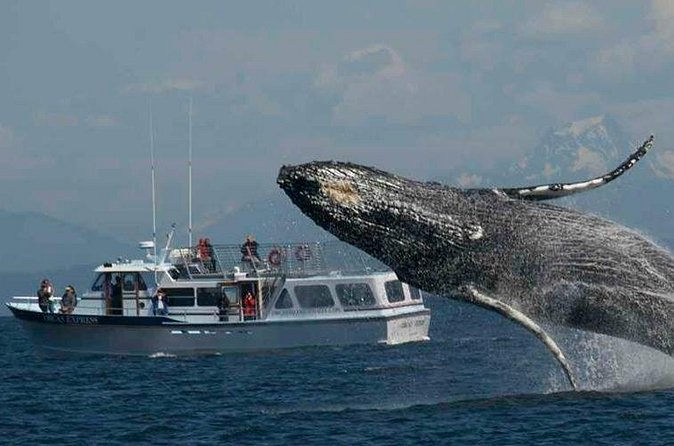
Think of the outing as a sequence of “get out there fast, search hard, then slow down when you find something.”
1) Check-in and boarding
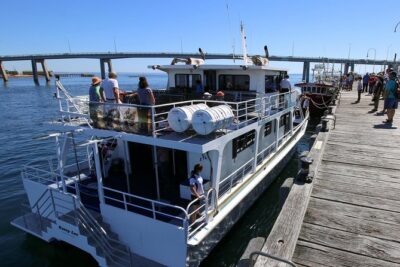
You arrive at Rosario Rd, get your mobile ticket checked, and settle onto a high-speed vessel built for this kind of work. The small group size (up to 30) helps keep the attention on finding wildlife instead of herding people.
2) Heading into the San Juans and Canadian Gulf waters
Once you’re underway, the crew starts scanning for whale activity. This is where the speed matters: they’re working toward confirmed sightings and the right geography where whales and prey are more likely to show up.
3) When whales are sighted
When the captain locates whales, the tone changes. The naturalist starts putting names and behavior to what you’re seeing. On multiple trips, guides have helped identify what’s in front of you and shared facts about the islands and the surrounding waters as you move through the area.
4) Extra wildlife sightings during the chase
Even if the main target is orcas, you’re often still watching the supporting cast: seals on the water, sea lions near haul-outs, sea birds circling, and sometimes otters popping up near the surface. This is one reason the day feels full, even when you’re not staring at one animal the entire time.
5) Return to Eastsound
Then it’s back to the meeting point. The tour duration stays around 3 to 4 hours, so you’re not stuck all day—just enough time to work hard for sightings and still keep your schedule sane.
A heads-up from real-world experience: sometimes the hunt means going farther into open water toward confirmed locations. If you’re traveling with young kids, build in patience for the idea that the first part may be more scanning than spotting.
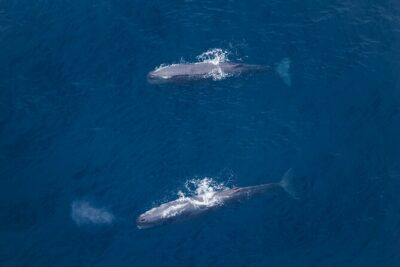
Resident killer whales and the other whales you might see
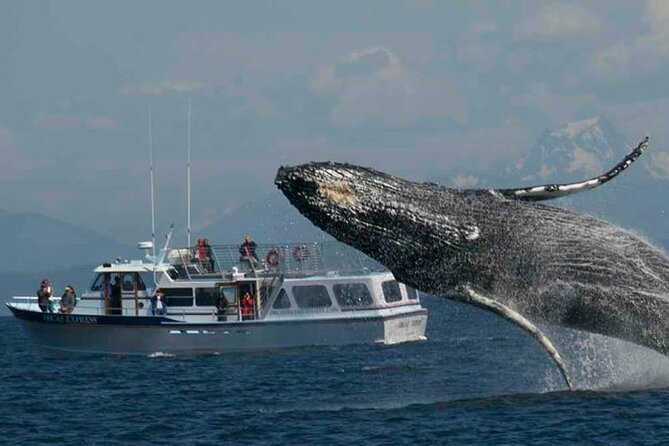
The star target is resident killer whales. That’s the big draw, and it’s why many people time their San Juan trip around this type of outing.
But the search doesn’t stop at orcas. On these cruises, the crew also looks for:
- Humpback whales
- Gray whales
- Minke whales
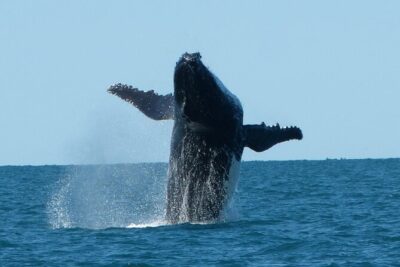
In practice, you might get multiple whale species in a single outing. That matters because it turns a single “sighting mission” into a more complete day on the water. And when you’re lucky, you can see not just whales, but behavior—pods moving together, hunting patterns, and the kind of close, clear viewing that makes photos actually usable.
Keep your expectations realistic: nature sets the rules. Still, the operator reports whale sightings on 98% of tours, which is an unusually strong indicator that you’re unlikely to leave with nothing.
The real win: how the crew helps you see more than you would alone
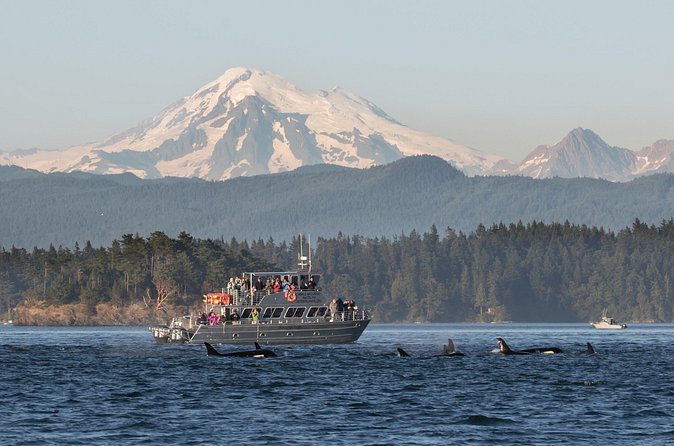
A lot of whale watching is just luck. The reason this tour feels consistently memorable is the human part: the captain handles the running and positioning, and the naturalist explains what’s happening so you know what to look for next.
I like that you can hear specifics, not generic facts. On trips led by captains like Phil, Drew, or Elliott, the guides have been able to point out details and explain how the geography and wildlife activity connect. People have also praised the way crews keep helping with picture-taking, and how they stay encouraging when you’re waiting for the next sighting.
The best moments aren’t only the whale surfacing. It’s when the naturalist says what the body language likely means, or helps you understand how the pod is moving, or points out other animals in the same area that you might miss without guidance.
Wildlife sightings beyond whales: seals, sea lions, otters, and more
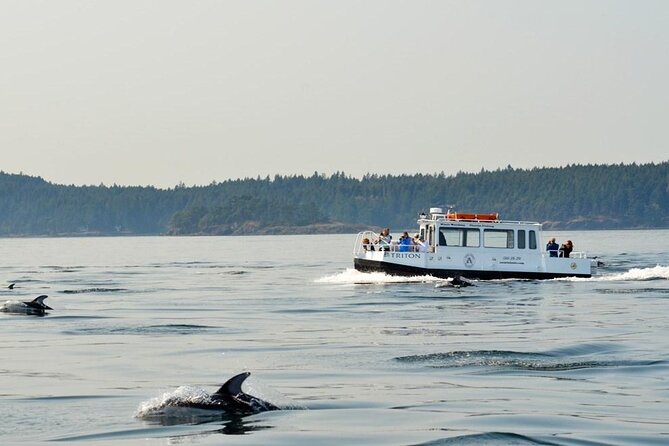
Even when orcas steal the show, you’re often treated to a full wildlife buffet from the sea.
You may see:
- Seals and sea lions
- Sea birds
- Porpoises
- Otters
That variety changes the rhythm of the day. If whales are quiet for a bit, you can still be watching something interesting near the surface. And if you’re traveling with kids, this mix helps keep attention from drifting.
There’s also a small but important comfort factor: seeing more than one type of animal makes the 3 to 4 hour window feel worthwhile even if the main target appears briefly.
Boat comfort, layers, and who this tour fits best
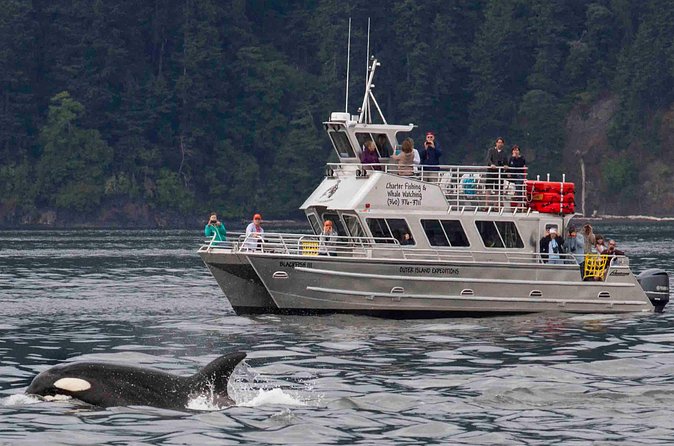
The boats are set up for speed and wildlife spotting, which usually means more motion than on a slow ferry. Reviews repeatedly point out a simple truth: bring layers. Even on warm, sunny days, the wind off the water can cool you fast.
If you’re sensitive to cold or prone to getting wet, pack like you’re going sailing, not like you’re going sightseeing. A warm jacket and something water-resistant go a long way.
As for who it suits:
- Families are welcome, and children must be accompanied by an adult.
- The operator notes that most travelers can participate.
- The tour is limited to a maximum of 30, which helps the whole experience feel manageable.
Also, service animals are allowed, which is a practical detail if you need that support.
Private charters and custom add-ons if you want more control
If your group wants something different than the standard cruise, Outer Island Excursions also offers Private Charters. The operator says you can add activities like:
- Fishing
- Kayaking
- Island hopping
- and more, depending on your plan
This can be a good option if you’re celebrating, traveling with friends who want a shared pace, or trying to build a more flexible itinerary around your exact interests.
A quick reality check on weather and timing
This experience requires good weather. If it gets canceled due to poor conditions, you’ll be offered a different date or a full refund.
That means you should treat this as a plan for a day when you can be a little flexible. If you’re trying to stack too many ferry-dependent activities back-to-back, build in cushion so you’re not scrambling if the ocean decides to be dramatic.
Also, the tour can’t be changed once booked, and it’s non-refundable if you cancel for personal reasons. So only lock it in when your schedule is solid and you can actually make the ferry connection.
Should you book Orcas Island Whale Watching with Outer Island Excursions?
Book it if:
- Orcas are your priority, and you want a format built to reach sightings quickly.
- You like guided wildlife spotting, not just staring out at water.
- You want a high chance at seeing whales plus a good mix of other ocean animals.
- You can handle colder wind and a bit of motion on the water.
Skip or choose a different style if:
- Your day has tight ferry timing with no flexibility.
- Your group includes people who really struggle with cold and spray, and you don’t want to dress for that reality.
- You need a very slow, very predictable cruise with minimal running around.
If your goal is to see resident killer whales in the wild with real interpretation, this one tends to deliver. Just plan the ferry day well, wear layers, and give the captain room to do their job: find the whales.
FAQ
How long is the Orcas Island whale watching tour?
The tour lasts about 3 hours 30 minutes (roughly 3 to 4 hours).
Where do I meet for the tour?
You meet at 1608 Rosario Rd, Eastsound, WA 98245, and the tour ends back at the same meeting point.
How early should I check in?
Check-in begins 30 minutes before departure.
What whales and wildlife can I expect to see?
The cruise searches for orcas, humpback whales, gray whales, and minke whales, and you may also see porpoises, seals, sea lions, sea birds, and otters.
Do I need to be on Orcas Island already?
Yes. The tour departs from Orcas Island, which can only be reached by the Washington State Ferry System.
Is the tour weather-dependent?
Yes. It requires good weather. If it’s canceled due to poor weather, you’ll be offered a different date or a full refund.