REVIEW · OAHU
Whale Watching Cruise in Honolulu
Book on Viator →Operated by Prince Kuhio Tours · Bookable on Viator
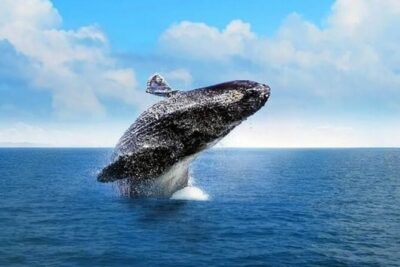
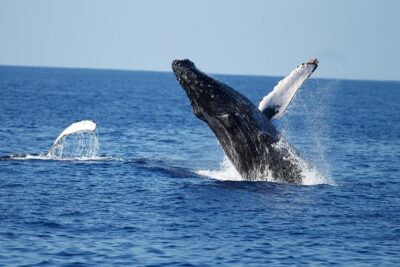
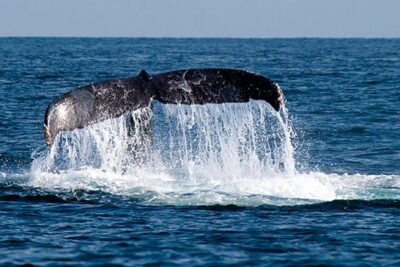
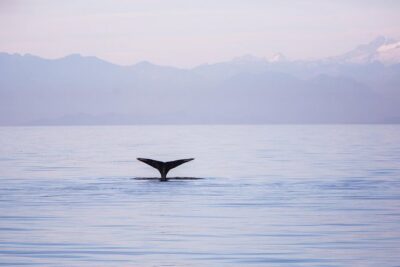
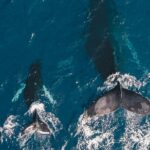
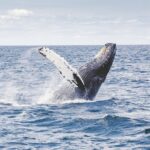
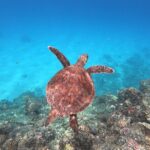
One of Oahu’s easiest wildlife outings starts in Waikiki. This Prince Kuhio whale watching cruise heads out along the coast with the goal of spotting humpback whales in their wintering season, plus the chance of dolphins and sea turtles.
I really like the open upper deck setup. It’s spacious, and the ride is described as stable, which matters when you’re trying to keep your eyes on the water for that first tail flick or breach. I also like that the experience is built around a clear viewing plan, with the crew calling out sightings so you are not just guessing from the deck.
One drawback to keep in mind: whale sightings aren’t guaranteed, and the cruise depends on good weather. If you have serious motion sickness issues, this also may not be the best match.
In This Review
- Key things that make this cruise worth your time
- What you’re really paying for: whale odds on the Oahu waters
- Meet at Ala Moana, then plan to stay on deck
- Diamond Head Lighthouse stop: setting the scene and finding your bearings
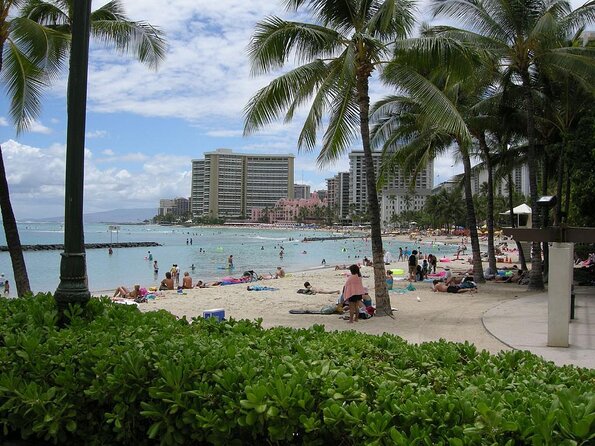
- Waikiki Beach stop: a classic backdrop while you scan the water
- The upper deck setup: comfort that helps your eyes stay sharp
- Drink service (and what food expectations to set)
- Whale sightings: how to maximize your chances without stressing out
- Weather, mechanical issues, and why you should keep a buffer
- Duration and pacing: what 1 hour 45 minutes feels like on the water
- Who this cruise fits best (and who should skip it)
- Should you book the Prince Kuhio whale watching cruise?
- FAQ
- What time does the whale watching cruise leave?
- Where is the meeting point for the cruise?
- How long is the cruise?
- How much does it cost per person?
- What’s included with the ticket?
- Is there anything not included that I should plan for?
- Do I need a printed ticket?
- What happens if the cruise is canceled due to weather?
- Can I get a refund if I cancel?
Key things that make this cruise worth your time
- Upper-deck viewing with lots of open space for watching from different angles
- Waikiki-coast route that keeps scenery close while you scan for whales
- Humpback season timing (mid-December through March is the prime window)
- Crew-on-the-lookout style that helps you focus when whales are spotted
- Weather dependent sailing, so keep plans flexible
- Smallish scale for this kind of activity (maximum 100 travelers)
What you’re really paying for: whale odds on the Oahu waters
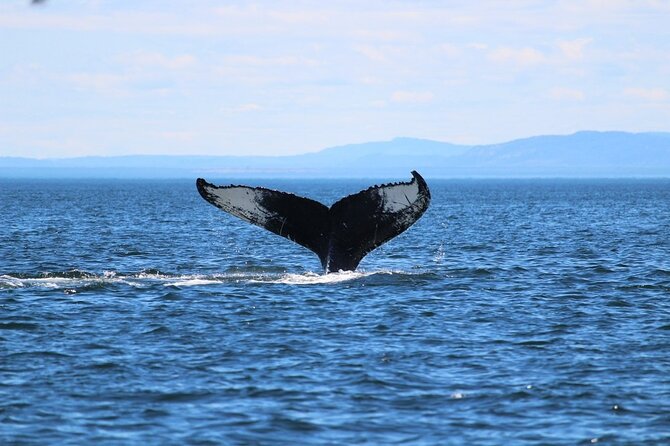
At $45 per person for about 1 hour 45 minutes, this is a value-minded way to chase one of Hawaii’s biggest natural shows. You’re not booking a long, expensive day. You’re buying time on the water, a stable viewpoint, and a shot at seeing humpbacks in their wintering season.
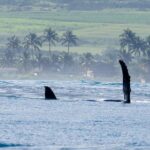
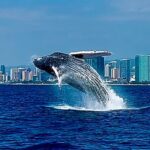
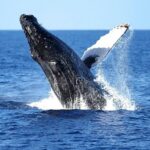
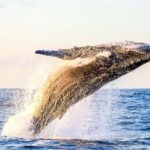
That seasonal context matters. Great whales come to Hawaiian waters between mid-December and March, and that’s when your odds rise. When it works, you can see whales swim, feed, play, and sometimes breach. When it doesn’t, you may still get dolphins, sea turtles, and plenty of ocean action.
One important reality check: even when whales are out there, you might see them at a distance. A few of the experiences I’m using as a guide noted whales far away, but also mentioned moments when a mother and calf swam closer for better viewing. That mix is normal in the ocean. Your best move is to treat this as wildlife watching, not a guaranteed close-up.
You can also read our reviews of more tours and experiences in Oahu.
Meet at Ala Moana, then plan to stay on deck
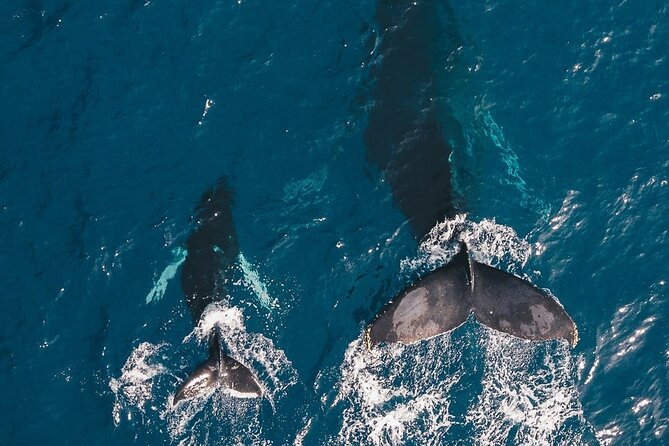
The cruise starts at 1009 Ala Moana Blvd, Honolulu, with a 12:00 pm departure. It ends back at the meeting point, so you don’t have to solve a complicated transportation puzzle afterward.
This one also uses a mobile ticket, and you should receive confirmation within 48 hours of booking (as long as there’s availability). That’s convenient, but still arrive with a little buffer. A smooth check-in is part of the day, and whale cruises depend on tight timing.
A practical tip: since the boat goes out only if conditions allow, I like to keep my expectations flexible. If wind picks up or there’s mechanical trouble, plans can change quickly. You don’t want to be rushing from another activity with no room to adapt.
Diamond Head Lighthouse stop: setting the scene and finding your bearings
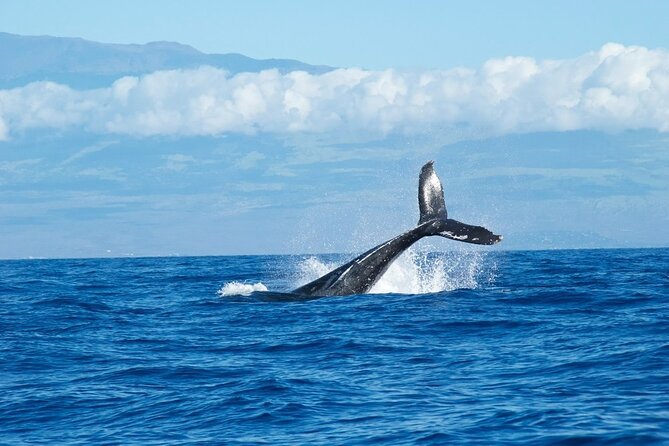
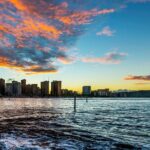
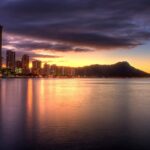
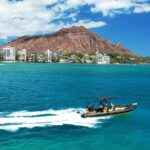
The trip includes a stop at Diamond Head Lighthouse. Even if whales aren’t right in front of you immediately, this kind of early landmark helps you orient fast. You get a coastal reference point, and it’s easier to understand where the boat is relative to shore when you later spot movement out on the water.
This is also the stage where you should be ready with your camera and patience. The best whale watching is often about repetition: scanning, spotting something small, then watching as the behavior turns into something bigger. An early scenic stop buys you time to settle in before the main action.
If you’re the type who gets nervous without clear instructions, you’ll likely appreciate that this tour frames the day with distinct moments. It gives you a rhythm: see the coast, settle on the viewing deck, and then focus on wildlife.
Waikiki Beach stop: a classic backdrop while you scan the water
Next up is Waikiki Beach. This is a great pairing with whale watching because it keeps the scenery familiar while you’re looking for something unexpected. You can glance between shoreline and open water, and that visual contrast makes it easier to catch the telltale signs—spray, a rounded back, a sudden slow arc, and then movement again.
This is also a good time to lean into the “ocean listening” approach. Crews tend to watch constantly, and when they spot something, that’s when your attention should lock in. When whale sightings happen, the viewing window can be short, and being mentally ready helps.
One more note: if the seas are even a little choppy, your focus can wander. Upper-deck visibility helps, but your job is to keep your body steady and your eyes active. That’s where dressing for the wind becomes more important than you might expect.
The upper deck setup: comfort that helps your eyes stay sharp
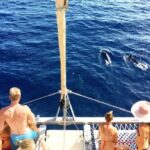
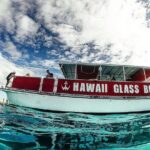
The big promise here is the spacious, open upper deck with outside seating. That’s not just a nice extra. It directly improves your whale watching experience because whales surface quickly and then disappear again. You want a clear sightline, room to shift position, and enough space to avoid getting stuck behind taller people.
I also like that the description emphasizes stability. On a moving boat, stability is what makes it possible to keep your balance and keep looking. If you’re prone to motion sickness, though, don’t ignore the warning. This cruise is listed as not recommended for travelers with unmanageable motion sickness, and the experience’s ocean setting can trigger nausea even when the viewing is great.
What to wear? Some advice from people who did this cruise points to bringing sunglasses and a light jacket. I agree with both. Sun glare off the water can be intense, and a breeze on open air deck can cool you down faster than you expect.
For positioning: go for a spot with a wide view and minimal obstruction. If whales are spotted, shifting a few steps can make the difference between seeing spray and seeing the whole move.
Drink service (and what food expectations to set)
The overview notes on-board drink services. That’s useful because it helps you stay comfortable while you’re out there for nearly two hours.
When it comes to food, the data you provided includes mentions of breakfast-style options on some departures, and even comparisons of items people ate. But since food isn’t clearly listed as a guaranteed included item in the core details, I’d treat meals as departure-dependent. If food matters to you, check what’s offered for your specific sailing before you go hungry.
For the rest of the onboard vibe, the pattern in the feedback is consistent: people often highlight friendly crew service and helpful communication about sightings. That matters because the ocean can feel big and empty until something breaks the surface—and then suddenly everyone is watching for the same thing.
Whale sightings: how to maximize your chances without stressing out
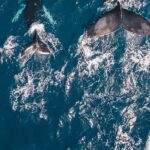
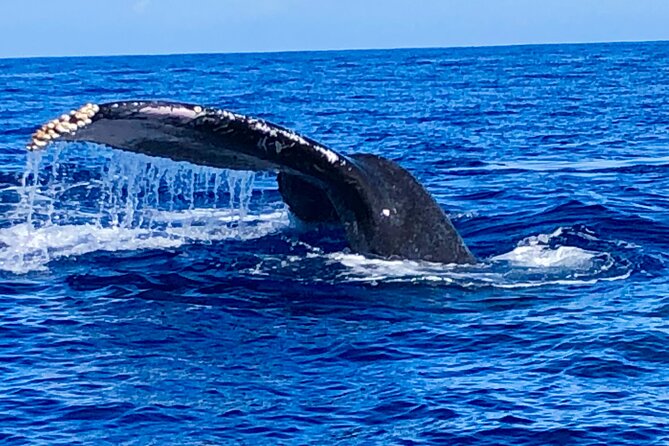
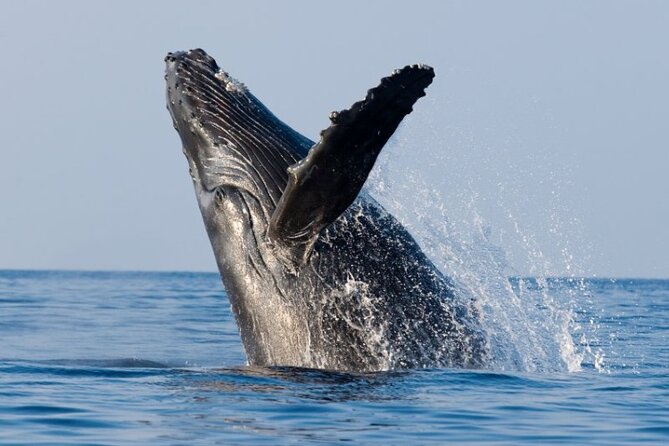
Your goal is straightforward: spot whales while they’re active on the surface. In the winter season, humpbacks are the headline, and the cruise is designed around that promise. The trip also has a decent chance of seeing other marine life like dolphins and sea turtles.
But here’s the key mindset shift I suggest: your success isn’t only about the number of whales. It’s about whether you get good viewing time when whales appear. A few experiences describe whale sightings that were far away and shorter than expected, while others describe more memorable moments.
So how do you improve your odds?
- Stay on the upper deck when possible rather than retreating inside.
- Keep scanning in repeating patterns: wide sweep, then focus when you notice spray.
- Listen for crew updates and be ready to shift positions quickly.
Also, remember that the captain may choose distance and approach depending on conditions and whale behavior. The ocean isn’t a zoo enclosure. Even a great crew can’t force whales to come close.
Weather, mechanical issues, and why you should keep a buffer
This experience requires good weather. If it’s canceled due to poor conditions, you should be offered a different date or a full refund. That’s the right safety approach for a marine activity.
However, real life adds complications. The information you shared also includes cases where departures were affected by mechanical issues, wind, or last-minute changes. That’s not something you can control, but you can plan for it.
My advice: book this when you have a flexible day. If your schedule is already packed with airport transfers or timed tours, consider adding a cushion. If you’re visiting in peak season, whale watching is popular and conditions can change fast.
For your own peace of mind, double-check your confirmation and be ready to contact the operator if something feels off. Mobile ticketing and confirmation help, but day-of communication still matters.
Duration and pacing: what 1 hour 45 minutes feels like on the water
At about 1 hour 45 minutes, this is a focused outing. You’re not looking at a marathon cruise. Instead, it’s a concentrated window where the crew tries to find whales while you enjoy the coast views off Waikiki.
What that means in practice is that the timing can feel intense in a good way. If whales are spotted early, you may feel like you’re chasing the action every few minutes. If whales are slower to appear, the time can feel long—but you still get sea views, ocean motion, and the chance to spot dolphins or turtles.
Either way, your best “strategy” is simple: dress for comfort, stay attentive, and don’t disappear indoors. The deck is where the magic happens.
Who this cruise fits best (and who should skip it)
This is a good match if you:
- want an easy Honolulu half-day-ish activity (it’s about 2 hours, round back to the start)
- like open-air views along the Waikiki coast
- travel in the mid-December to March window for the best humpback chance
- prefer a smaller scale outing (maximum 100 travelers)
It’s not a great match if you:
- have unmanageable motion sickness (this is explicitly flagged as not recommended)
- need a guaranteed whale sighting with no risk of last-minute changes
- have extremely tight timing on a schedule day
If you’re the type who loves wildlife but hates uncertainty, consider going in with a flexible plan and a backup activity nearby.
Should you book the Prince Kuhio whale watching cruise?
I’d book it if you’re traveling during mid-December through March, you’re comfortable on open decks, and you want a straightforward way to experience humpbacks off Oahu. At $45, you’re paying for time on the water plus strong viewing support—without the cost of longer luxury excursions.
Skip or reconsider if motion sickness is a real issue for you, or if your schedule doesn’t allow for weather or mechanical disruptions. Whale watching is nature-first, and nature doesn’t follow a calendar.
If you do book, show up prepared: sunglasses, a light jacket, and a plan to stay outside as much as possible. When the crew calls a sighting, you’ll be glad you were ready.
FAQ
What time does the whale watching cruise leave?
The start time is 12:00 pm.
Where is the meeting point for the cruise?
The meeting point is 1009 Ala Moana Blvd, Honolulu, HI 96813, USA.
How long is the cruise?
The duration is about 1 hour 45 minutes.
How much does it cost per person?
The price is $45.00 per person.
What’s included with the ticket?
The listing specifies upper deck/outside seating (capacity dependent).
Is there anything not included that I should plan for?
Motion sickness medication is not included, and the cruise is not recommended for travelers with unmanageable motion sickness.
Do I need a printed ticket?
No. This experience uses a mobile ticket, and you’ll receive confirmation within 48 hours of booking subject to availability.
What happens if the cruise is canceled due to weather?
If it’s canceled because of poor weather, you’ll be offered a different date or a full refund.
Can I get a refund if I cancel?
Yes. You can cancel up to 24 hours in advance for a full refund. If you cancel less than 24 hours before the start time, the amount paid isn’t refunded.