REVIEW · REYKJAVIK
Whale Watching and Marine Life Tour in Reykjavik
Book on Viator →Operated by Iceland Discover · Bookable on Viator
Whales off Reykjavik can feel like good timing plus good tracking. This tour sends you out into Faxafloi Bay all year, with your captain and onboard experts helping you read whale behavior. I like that you get real marine-life guidance (spotting tips, ID help) plus a practical touch like onboard Wi‑Fi to share photos right away, and I really like the built-in backup if you don’t see wildlife. The main drawback is also simple: sightings can vary, and some days are quieter than you hope—season and sea conditions matter.
You’ll also see Reykjavik from a perspective you can’t get from land. The route passes iconic spots like Harpa and goes by islands such as Engey, Lundey (Puffin Island), and Viðey, which gives you a scenic bonus even on days without epic whale action. One consideration: parts of the experience depend on weather and the day’s ability to head out where the wildlife is.
In This Review
- Key things to know before you go
- Faxafloi Bay, the Reykjavik waters that bring the whales
- From Old Harbour House: what the 3 hours feel like
- Harpa from the sea: the glass facade you’ll remember
- Faxafloi Bay panoramas: islands, distant views, and the shape of the hunt
- Engey, Lundey (Puffin Island), and Viðey: islands you’ll pass for good reasons
- How the guide work helps you actually see whales
- Wildlife odds: why some days pop and others feel quieter
- Boat comfort, weather, and how to dress like a local
- Price and value: is $98 worth it?
- Wildlife ethics and how close is too close
- Who should book this Reykjavik whale watching tour?
- Should you book this whale watching cruise from Reykjavik?
- FAQ
- How long is the whale watching tour in Reykjavik?
- How much does the tour cost?
- What language is the tour offered in?
- Where do we meet for the tour?
- Is onboard Wi‑Fi available?
- What marine animals can you see?
- If I don’t see wildlife, do I get another chance?
- Does the tour run all year?
- Is the tour dependent on weather?
- What is the cancellation deadline for a full refund?
Key things to know before you go
- Faxafloi Bay year-round: You’re out where minke, humpback, killer whales, dolphins, and porpoises can show up.
- Onboard Wi‑Fi for live photo uploads: Share as you go, not after you get back.
- Wildlife recheck if sightings disappoint: If you don’t see wildlife, you can receive a ticket for another day.
- Spotting help that makes a difference: You’ll learn how to recognize blows, tails, and surfacing patterns.
- Island-and-city views built in: Harpa and the nearby islands turn this into more than just time at sea.
- Small enough to feel personal: Maximum 75 travelers keeps the deck from feeling like a stadium.
Faxafloi Bay, the Reykjavik waters that bring the whales

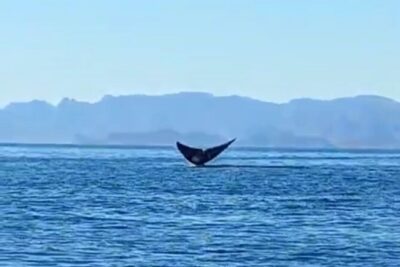
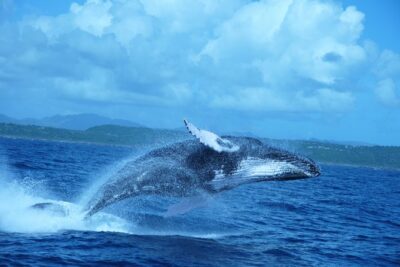
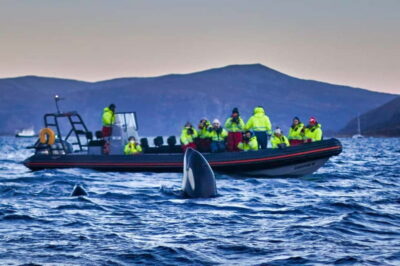
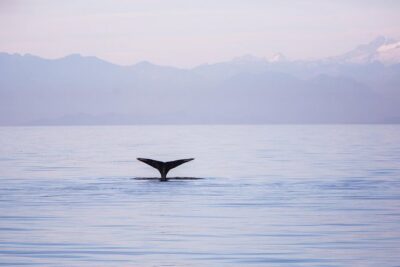
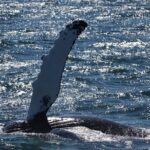
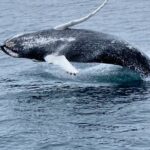
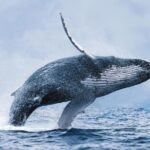
This is a Reykjavik whale watching tour designed around the idea that wildlife doesn’t start far offshore. The operators focus on ocean-going mammals that can appear just minutes off the coast, which is exactly what you want on a short 3-hour outing. According to the tour info, you may see minke, humpback, and killer whales, plus white-beaked dolphins and harbour porpoises.
The other big promise is seasonality without total dependence. Summer is the peak, but the tour is scheduled all year round, so you’re not locked into one month to have a chance. That said, the sea and timing still matter. Some days mean more action; other days are more about watching closely and being patient.
One more nuance: whale watching isn’t a theme park. Even when conditions are good, whales choose where they surface. Your best move is to go with flexible expectations and stay focused on what the captain and guide help you look for.
You can also read our reviews of more tours and experiences in Reykjavik.
From Old Harbour House: what the 3 hours feel like
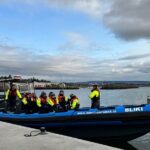
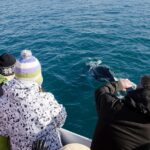
The meeting point is Old Harbour House, with the address given as Ægisgarður 2, 101 Reykjavík. From there, you head out into Faxafloi Bay for about 3 hours (approx.), and the activity ends back at the meeting point.
Why the timing matters: a 3-hour format is long enough to have multiple chances to find wildlife, but short enough that weather delays or slower search patterns can affect what you see. Several experiences also highlight that the ride back and forth can feel long, so bring something to pass the time when you’re not outside scanning.
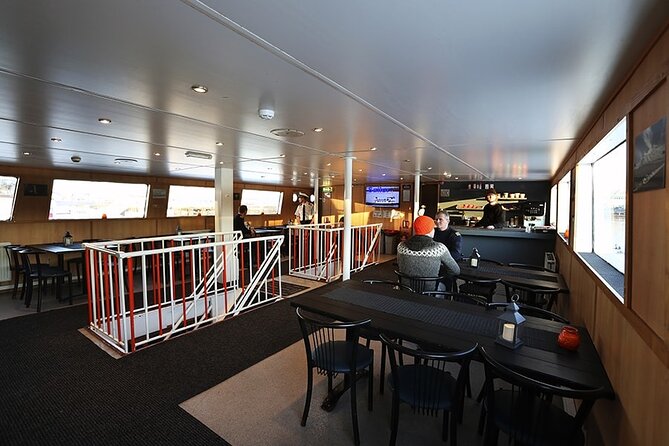
Group size is capped at 75 travelers, which is big enough to run efficiently but small enough that your guide can still communicate clearly. You’ll likely spend time both outside (for spotting) and inside (for warmth and comfort). The best part of Reykjavik whale watching is how quickly the day can turn once you’re in the right area.
Harpa from the sea: the glass facade you’ll remember
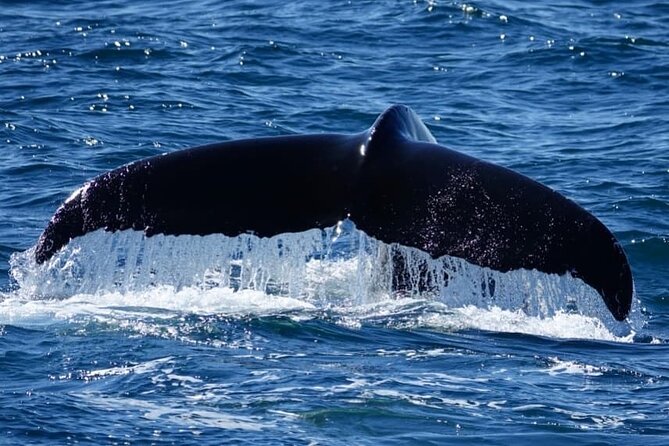
One of the more fun parts of this tour is the city view. Harpa—Reykjavík’s concert hall and conference centre—appears as a stop on the route, and it’s known for a distinctive colored glass facade inspired by Iceland’s basalt landscape.
From the water, Harpa looks different than it does on the street. The lines of the building play with the light on the bay, and it’s one of those “I get why people photograph this” moments. If you’re the type who likes your wildlife tour to also deliver a strong sense of place, Harpa is a win.
The only caution here is weather optics. When it’s windy or rainy, you might spend less time on the deck and more time inside. Still, Harpa is the kind of sight that’s worth spotting even through a drizzle.
Faxafloi Bay panoramas: islands, distant views, and the shape of the hunt
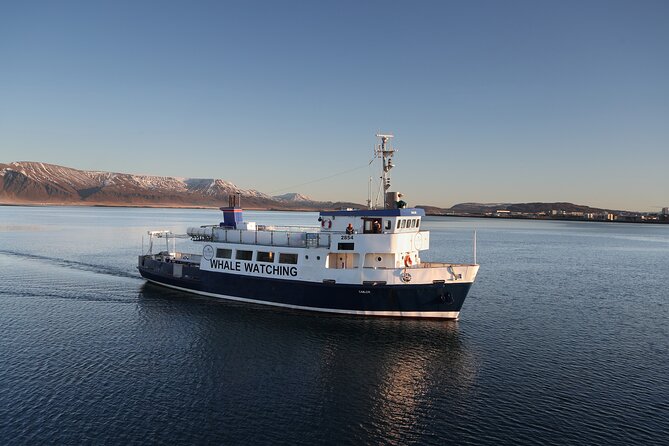
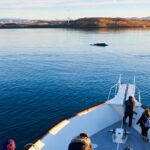
Faxafloi Bay sits along the southern shore of Reykjavík and gives you a wide view of the region. From Reykjavik, you can see the peninsula of Akranes in the northeast, and the tour info even notes a far-off look at Snæfellsjökull at a distance of about 120 km (75 mi).
This matters because the bay isn’t just a backdrop—it helps explain why your captain can scan likely zones efficiently. The tour info points out that Faxafloi Bay has fewer islands and those islands sit close to land. That shape is different from Breiðafjörður to the north, which has far more islands. Translation: the waters here can feel more open, and that can change how and where whales surface.
This is also where you’ll notice “limited accessibility” in real life terms. You won’t be stepping onto islands during this cruise. You get views from the water, and the access is visual, not foot-on-stone.
Engey, Lundey (Puffin Island), and Viðey: islands you’ll pass for good reasons
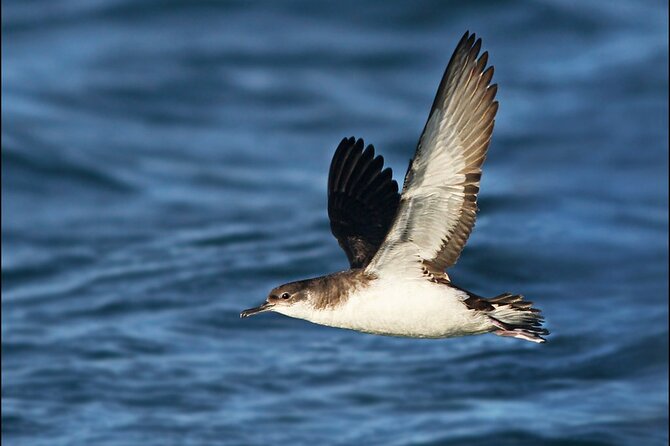
The route includes multiple islands in the Kollafjörður (Faxa Bay) fjord area:
- Engey is described as the second largest island in the bay.
- Lundey, literally Puffin Island, is a small uninhabited island off Reykjavík’s western coast.
- Viðey is the largest island near Reykjavík.
So why include them? Because islands often concentrate feeding activity and influence where marine life travels. Even if you’re mainly focused on whales, the islands give you structure to your search—your captain and guide can explain what to watch for as you near these landmarks.
Now, the honest part: island names don’t guarantee island sightings. One experience specifically notes passing Puffin Island but not seeing puffins at that time. Other experiences report puffins and sea birds, just not always.
If you’re hoping for puffins, go with this mindset: treat it as a bonus. Your core target is whales and dolphins, and islands are part of the “scan and learn” experience.


How the guide work helps you actually see whales
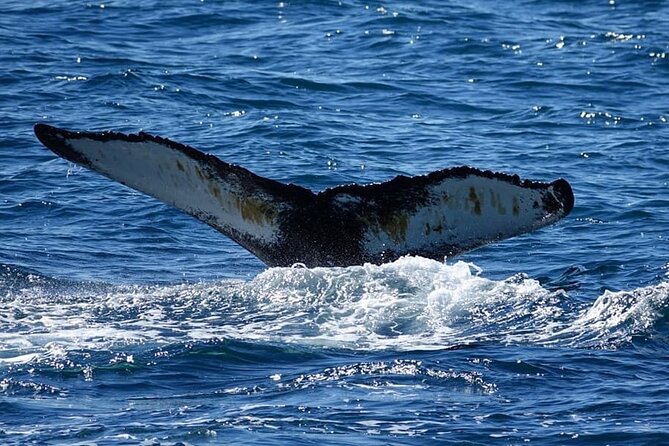
This tour leans heavily into marine education, and that’s where many of the strongest experiences come from. The highlights call out learning about marine wildlife from your captain, and the reviews-backed details show that the spotting guidance can be very specific.
For example, one experience notes that the guide used clock directions to point out where the newest whale was. That kind of instruction helps you stop guessing and start scanning in the right direction when a blow appears.
You may also hear names from onboard specialists. One experience mentions Maria the biologist, praised for helpful information. Another highlights Julian as an expert in marine life knowledge. I can’t promise which specialists you’ll get on your departure, but the bigger point is consistent: the staff’s job isn’t just to announce sightings. It’s to help you recognize what you’re seeing.
Add in the highlight about onboard Wi‑Fi to upload live photos, and the experience becomes more than “watch quietly.” You can document while you learn.
Wildlife odds: why some days pop and others feel quieter
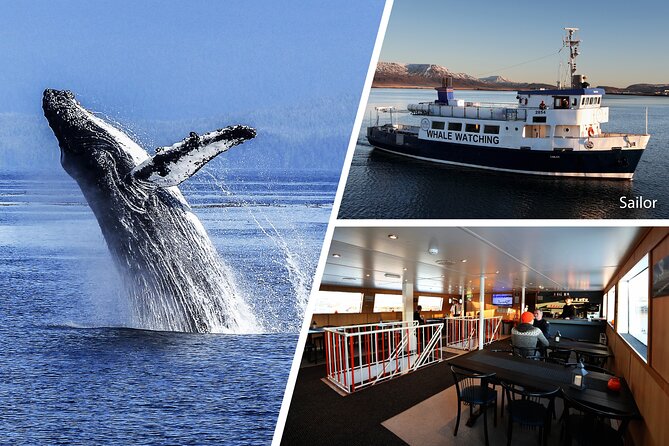
Here’s the reality check that actually helps your planning: whale watching success depends on wildlife behavior, time of season, and sea conditions. The tour info states you can see a wide variety of ocean-going mammals just minutes off the coast, and it highlights minke, humpback, killer whales, and dolphins/pacific porpoises as possible sightings.
But sightings still vary. One experience praises being lucky with multiple humpback whales and close views. Another experience calls out a day where it felt like there weren’t enough sightings and recommends checking whale season first before paying.
To protect your expectations, use the tour’s own safety net: if you don’t see wildlife, you receive a ticket for another day. That doesn’t create whales where there aren’t any, but it does reduce the chance you walk away feeling completely shortchanged.
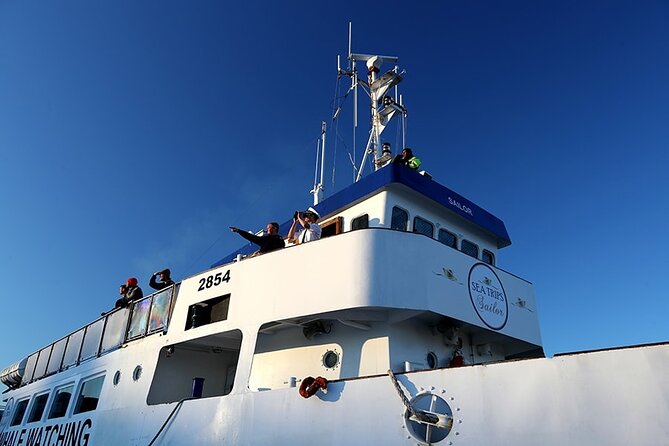
Also keep an eye on the sea state. Some experiences mention windy, rainy, and choppy conditions during the hunt. That can make it harder to spot and also less comfortable for long stretches, even with a good boat crew.
Boat comfort, weather, and how to dress like a local
This is Iceland. The weather may be dramatic, and it can change fast. Even when the hunt is great, you need to dress for cold wind and wet spray.
Here’s what I’d follow from the practical advice people consistently give:
- Dress warm in layers, and then add one more layer. One experience flat-out says to treat your usual cold-weather outfit as a baseline and then go warmer.
- Bring something that handles rain and wind, not just chill.
- If you expect the hunt to take a while, bring something to do. One experience suggests bringing a book or cards for stretches when there are fewer sightings.
Inside comfort matters too. Some experiences emphasize cozy conditions and the ability to stay inside instead of standing outside nonstop.
If you’re a photographer, you’ll still want time outside for the best angles. Just don’t sacrifice comfort. Wet hands and stiff fingers turn photo time into misery.
Price and value: is $98 worth it?
The price is listed at $98.00 per person, with an approximate duration of 3 hours. For Reykjavik, that’s not bargain-basement, but it’s also not out of line for a guided wildlife cruise with education and multiple scanning chances.
Where the value comes in:
- You get guided spotting and marine-life interpretation, not just a boat ride.
- You get onboard Wi‑Fi to upload live photos, which is a real perk for sharing immediately.
- You have that second-day ticket if wildlife sightings don’t happen.
Where value can feel weaker:
- If your day has limited sightings, you might wish you’d had one more hour in the right area.
- If sea conditions are rough, the experience can feel like work instead of wonder, even when staff are doing their best.
My advice: book this when you have a bit of flexibility. The combination of weather dependence and whale movement is the whole game. If you only have one day in Reykjavík, your success odds still exist, but you’ll feel the emotional swing more.
Wildlife ethics and how close is too close
One review expressed strong disappointment and described the boat approaching whales whenever a blow appeared, calling it disturbing. Another experience praised the crew for tracking whales without upsetting them and staying at a good distance.
So what should you take from this? You should expect active search and repositioning. This isn’t a sit-still museum cruise. If you see a whale, the captain and guide will usually work to keep you in the viewing zone.
If you’re very sensitive to how boats interact with wildlife, consider that this tour is designed around close, visible encounters. That’s part of why it’s exciting. It’s also why you may notice the pursuit aspect more than someone who just wants the photo.
Either way, your best anchor is behavior. Whales decide what they’ll do. A good operation tries to keep the encounter safe and non-disruptive for the animals—and the guides’ communication should feel like learning and watching, not chaos.
Who should book this Reykjavik whale watching tour?
This tour is a good fit if you want:
- A focused half-day experience with built-in education
- Whale and dolphin chances close to Reykjavík’s coast
- Scenic city-and-island views, including Harpa and islands like Engey and Viðey
It’s especially suitable for first-timers who don’t know what they’re looking for. The best sightings come when you can recognize blow patterns, surfacing cues, and migration behavior at a glance, and the tour is set up to teach you those signals.
If you’re traveling with kids, it’s also a strong option because the experience is structured and guided, and the possibility of seeing several species keeps things interesting even when the ocean is moody.
If you’re someone who wants a guaranteed whale show every single time, adjust your expectations. This is Iceland. You’re buying a guided hunt, not a scripted performance.
Should you book this whale watching cruise from Reykjavik?
Yes, if you’re ready to match Iceland’s pace: scan, learn, and be flexible. The strongest reason to book is the combination of guidance plus the wildlife fallback ticket if sightings disappoint. Add in onboard Wi‑Fi for live photo sharing and you’ve got a smart, modern touch.
Skip it or rethink if:
- You’re going during a period when you can’t be flexible at all, since sightings can be quiet.
- You’re expecting puffins on demand. Passing Puffin Island doesn’t equal guaranteed puffin sightings.
- You’re uncomfortable with a tour that actively positions for whale viewing, even if the intent is to keep encounters safe.
If you want a single “Iceland moment” that feels like more than just scenery, this one is a strong candidate—especially when you dress warm and keep your eyes open.
FAQ
How long is the whale watching tour in Reykjavik?
The tour lasts about 3 hours.
How much does the tour cost?
The price is $98.00 per person.
What language is the tour offered in?
The tour is offered in English.
Where do we meet for the tour?
The meeting point is Old Harbour House at Ægisgarður 2, 101 Reykjavík, Iceland.
Is onboard Wi‑Fi available?
Yes. The tour includes onboard Wi‑Fi so you can upload live photos.
What marine animals can you see?
The tour info lists possible sightings including minke, humpback, and killer whales, as well as white-beaked dolphins and harbour porpoises. Dolphins and other marine life may also be seen depending on the day.
If I don’t see wildlife, do I get another chance?
Yes. If you don’t see wildlife, you receive a ticket for another day.
Does the tour run all year?
Yes. The tour is described as running all year round, with summer listed as peak season.
Is the tour dependent on weather?
Yes. It requires good weather. If it’s canceled due to poor weather, you’ll be offered a different date or a full refund.
What is the cancellation deadline for a full refund?
Free cancellation is available up to 24 hours in advance for a full refund. If you cancel less than 24 hours before the start time, the amount paid is not refunded.