REVIEW · LORETO
Blue Whale Watching in Loreto
Book on Viator →Operated by Loreto DMC & Travel · Bookable on Viator
Few sights match a blue whale.
On this blue whale watching trip from Loreto, you head out by boat through the Loreto Bay National Marine Park looking for one of the largest animals on Earth, with a focus on real-time behavior—not just a quick pass-by. The idea is simple: leave the marina, follow the science of where the whales tend to be, and enjoy the hunt as your day unfolds.
What I like most is the chance for multiple whale moments in one outing, since the route goes into the marine park until sightings pop up. I also like that the trip comes with a brunch plus sodas, bottled water, and beer, so you’re not scrambling for food mid-adventure.
One consideration: this is weather-dependent. If conditions aren’t good, the operator may reschedule or refund, so you’ll want a little flexibility in your plans.
In This Review
- Key highlights you’ll care about
- Blue whales in Loreto Bay: why this experience feels special
- The 5-hour morning ride: what your timeline really means
- Where the boat goes in the marine park (and why it matters)
- What you’ll actually see: blue whale behavior and bonus moments
- Boat comfort, brunch, and the practical side of a whale day
- Captain Daniel and the value of a small group
- Price and value: is $208.50 worth it?
- Who should book—and who should think twice
- Should you book Blue Whale Watching in Loreto?
- FAQ
- How long is the blue whale watching tour in Loreto?
- What time does the tour start?
- Where do I meet for the tour?
- What’s included in the price?
- Is the tour offered in English?
- How big is the group?
- What if the weather is bad?
Key highlights you’ll care about
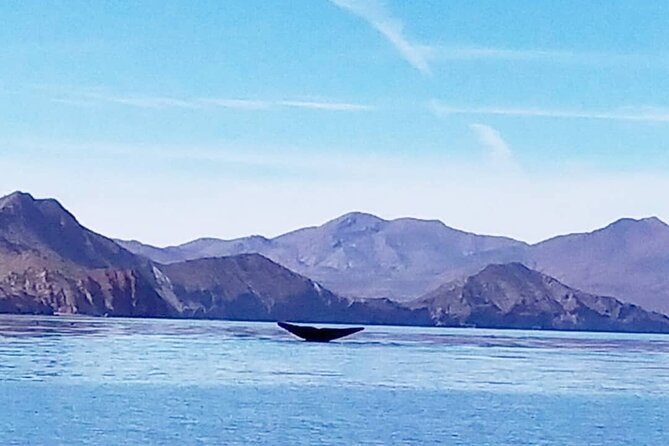
- A full 5-hour search in Loreto Bay from an 8:00 am start, built around finding whales rather than a fixed “viewing spot.”
- Marine Park tickets included, so you’re covered for the protected area where the animals show up.
- Brunch and drinks on board (soda/pop, bottled water, and beer included), which makes the morning feel easier.
- Small max group size (18), which helps keep the ride comfortable when everyone’s craning for whale blows.
- English-language experience with a real guiding focus on behavior and what you’re seeing in the water.
- You may get bonus wildlife along the way, including pods beyond blue whales when the day lines up.
Blue whales in Loreto Bay: why this experience feels special
Loreto is one of those places where the ocean is doing the talking. On this trip, you’re not stuck watching from shore. You’re out on the water in the Loreto Bay National Marine Park, scanning for the unmistakable signs of marine life—blows, movement patterns, and the way pods travel together.
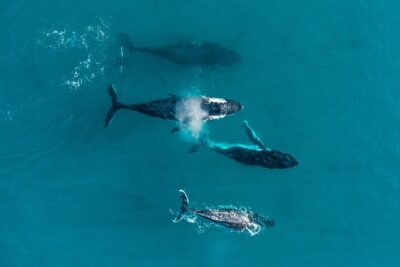
The big draw is the blue whale itself. These animals arrive from the north in search of warmer waters for courtship, mating, and the birth of calves. While they’re there, they feed on tons of krill. That matters because it gives you context for what you’re looking at: you’re not only hoping to see a giant, you’re learning why they’re present and what they’re doing.
And the best part is the pacing. The trip is structured around getting you out there early and staying focused on the hunt until the captain finds the right moments—so it has the feel of a real wildlife expedition rather than a checklist stop.
You can also read our reviews of more tours and experiences in Loreto.
The 5-hour morning ride: what your timeline really means
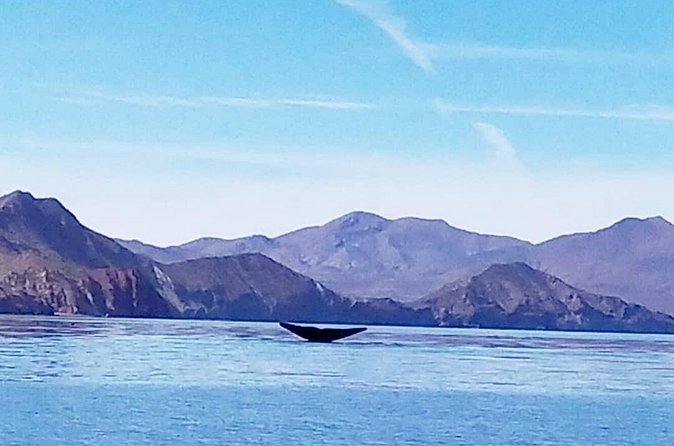
The day starts at 8:00 am at Guaycura Adventures, Faro de Loreto. A morning start is practical here. Wildlife viewing is often better earlier in the day, and it also gives you time to come back before your afternoon plans get complicated.
Once you depart the marina, the trip is about searching through the marine park until you find whales. That usually means time spent scanning and adjusting course as conditions and sightings change. The “approx. 5 hours” is important: this isn’t a 60-minute boat tour. You’re going to feel like you had a proper outing, with enough time to enjoy behavior—breathing cycles, swimming patterns, and feeding moments—when the day cooperates.
One thing I love about this format is that it keeps expectations grounded. You’re not promised a specific animal for a specific number of minutes. Instead, you’re paying for a guided search in a place known for whale activity, supported by park access and a small group.
Where the boat goes in the marine park (and why it matters)
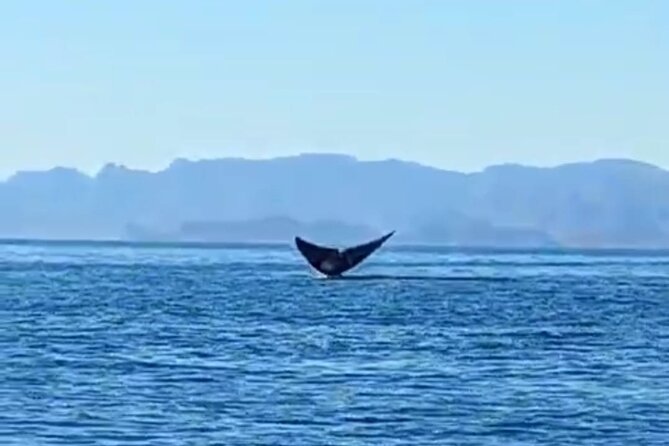
Your main “stop” is time in the Parque Nacional Bahia de Loreto area. The route can vary day to day, but the objective stays the same: find the whales and then watch them long enough to understand what’s happening.
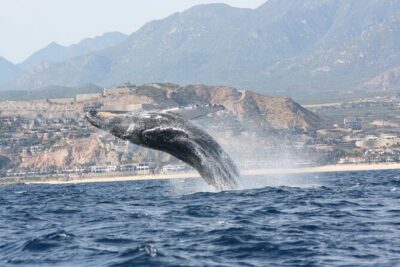
There’s also a geography lesson baked into the experience. The marine park includes coastal stretches and areas where whales may approach the surface to breathe and feed. In at least one detailed account of a successful outing, the day began with other species near the marina, then moved south around Island Carmen where humpbacks were seen, and later a blue whale was spotted. The group then stayed with the blue whale long enough to observe it swimming along the coastline and feeding.
You’ll want to know what that implies for you:
- When whales show up, you can get extended viewing rather than a single quick glimpse.
- The captain may change direction to follow where the animals are moving (since wildlife doesn’t hold still just for your camera).
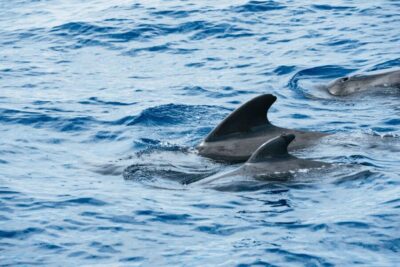
And yes, sometimes the day can stack. There are reports of additional sightings after the blue whale appeared, including orcas—with extra-close viewing that can make your brain briefly forget you’re on a tour and not in a documentary.
What you’ll actually see: blue whale behavior and bonus moments
Blue whales aren’t just big. If you’re lucky, you’ll get to watch behavior that makes them feel real and present.
Here’s what the trip emphasizes:
- Courtship, mating, and birthing season context: whales arrive for warmer waters, so their presence isn’t random.
- Feeding on krill: that helps you interpret what you’re seeing when whales linger near feeding zones.
In one standout narrative, the captain described a progression like this: dolphins while leaving the marina, then humpbacks as the boat headed south, a blue whale sighting near Island Carmen, and then orcas later. Not every day will match that exact sequence, but it tells you something important about the experience design: the boat doesn’t stop at one target and go through the motions. The captain follows what’s on the water.
When you’re watching from a boat, your best strategy is simple: keep your eyes up, be ready to shift attention quickly, and let the captain’s decisions guide where you look. If a pod shows up, the goal is to enjoy the behavior, not just snap a photo and move on.
Boat comfort, brunch, and the practical side of a whale day
This trip isn’t “roughing it.” Food and drinks are part of the package, with brunch, soda/pop, bottled water, and beer included.
That matters more than you might think. A 5-hour morning on the water can be draining—sun, wind, and the steady effort of looking out for spouts. Having food already handled means you’ll stay focused on the ocean instead of planning where to grab breakfast later.
A few practical tips that make this kind of tour easier (based on what this experience setup implies):
- Bring sunscreen and sunglasses. Even on a cool morning, you’re in open air with bright reflections.
- Dress in layers. The coast can feel different once you’re out on the bay.
- If you get motion sickness, consider your usual solution ahead of time. You’ll be scanning and turning your head a lot, which can worsen symptoms.
Also, the tour is offered in English, which helps if you want to understand what the captain is explaining while you’re out there.
Captain Daniel and the value of a small group
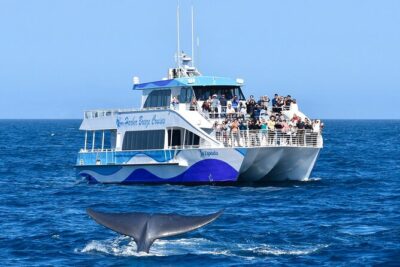
You’ll be in a group that tops out at 18 travelers. In plain terms, that’s the difference between a focused wildlife outing and a boat where everyone’s elbowing for position.
Smaller groups also tend to help the captain manage sightlines. When whale sightings happen, your viewing depends on how quickly the boat can respond, and how smoothly the deck can orient toward the water.
One of the clearest strengths highlighted in the experience details is the guiding approach. Captain Daniel is specifically mentioned for making the ride feel like a guided experience, not just a ride to a hope-for-the-best spot. In one memorable whale day, the captain even described or demonstrated how orcas might travel alongside the boat, creating an interactive-feeling moment rather than a distant sight.
You can’t guarantee the same sightings, but you can choose the trip most likely to help you see what’s there. A competent captain and a manageable group size go a long way.
Price and value: is $208.50 worth it?
The price is $208.50 per person for an approx. 5-hour experience, and it includes more than you’d expect for a wildlife tour.
Here’s what you’re getting for that cost:
- Boat time in a protected marine area
- Tickets to the Marine Park
- Brunch plus sodas, bottled water, and beer
That changes the math. You’re not only paying for the hunt; you’re also paying for access and the “comfort buffer” of food and drinks during the ride.
Is it a bargain? Probably not in the way a walking tour is. But for a blue whale search—where the value depends on finding animals, weather, and time on the water—this price feels reasonable because key costs are bundled into one ticket.
If you’re comparing options, look for three things:
- Does your ticket include park access?
- Does it include food/drinks so you don’t have to plan around it?
- Is the group size capped tightly enough for good viewing?
This tour checks all three based on the information provided.
Who should book—and who should think twice
This trip is a great fit if you:
- Want a real wildlife search experience in Loreto Bay rather than a short pass.
- Care about learning what you’re seeing (blue whale behavior and why they’re in warm waters).
- Prefer a smaller group and a guide-led outing in English.
It might not be the best match if you:
- Absolutely hate the idea that the experience requires good weather.
- Have tight timing and no flexibility for possible adjustments if conditions aren’t ideal.
One more note: the tour is described as “Most travelers can participate.” That’s a general indicator it’s approachable for many people, but it’s still a boat day with time on open water. If you have mobility limits, you’ll want to confirm what “participate” means for your specific needs with the operator before you go.
Should you book Blue Whale Watching in Loreto?
My take: yes, if you can handle an early start and you’re open to nature doing what nature does.
Book it if you want the full experience—out on the water in the Loreto Bay National Marine Park, with park tickets and a proper morning meal handled for you. The small group size and the guiding focus (including the strong reputation of Captain Daniel) make it feel like you’re paying for a competent shot at seeing blue whales, with the possibility of bonus wildlife when conditions line up.
Skip it—or at least hold your plans loosely—if your schedule is rigid or you know you’ll struggle with weather changes. Whale watching isn’t a “guaranteed show.” The value here comes from getting time on the water in the right place, with the right kind of support.
FAQ
How long is the blue whale watching tour in Loreto?
It’s listed as about 5 hours.
What time does the tour start?
The start time is 8:00 am.
Where do I meet for the tour?
You’ll start at Guaycura Adventures, Faro de Loreto, P.º A. Lopez Mateos, Centro, 23880 Loreto, B.C.S., Mexico. The activity ends back at the meeting point.
What’s included in the price?
The tour includes brunch, soda/pop, bottled water, alcoholic beverages (beer), and tickets to the Marine Park.
Is the tour offered in English?
Yes, it’s offered in English.
How big is the group?
The tour has a maximum of 18 travelers.
What if the weather is bad?
The experience requires good weather. If it’s canceled due to poor weather, you’ll be offered a different date or a full refund.