REVIEW · PUERTO VALLARTA
Whale and Dolphin Watching with a Biologist in Puerto Vallarta
Book on Viator →Operated by Wildlife Connection · Bookable on Viator
Whales right off Puerto Vallarta are hard to top. This 4-hour outing puts you on the bay with a cetacean biologist who helps you spot humpbacks up close and explains what you’re seeing as the animals behave naturally. You’ll also have a chance for dolphins, turtles, and giant mantas, plus a hands-on research angle where your observations support protection efforts.
What I like most is the small-group vibe. The tour caps at 20 people, and the boats used feel built for real viewing, not cattle herding. Second, I love the fact that the guide team isn’t just there for show. Expect a marine ecology–trained biologist, often with credentials like Master’s-level Marine Ecology, and guides such as Camilla and Jema (names you may hear on different departures) who share whale behavior in a way that makes the whole trip click.
One consideration: there’s no bathroom on the boat. If you’re prone to long waits or you’re heading out when you’re already thirsty, plan for that before you board.
In This Review
- Key things to know before you go
- Winter Humpbacks in Puerto Vallarta: What Makes This 4-Hour Trip Special
- Meeting Your Cetacean Biologist: What You Learn and Why It Changes Everything
- Citizen Science With a Purpose: The Role You Play on the Water
- Small Boat Setup in Marina Vallarta: How It Affects Your Viewing
- What You’ll Actually See: Humpbacks, Dolphins, Turtles, Mantas, and More
- Humpback behavior (the “story” of the trip)
- Dolphin pods and the variety you might catch
- Giant mantas and marine turtles
- Birds and small bonuses
- How the Land Briefing Sets You Up for Better Whale-Watching
- Captains, Positioning, and Whale Etiquette That You Can Feel
- Photo and Timing Tips That Help You Get the Good Stuff
- Price and Value: Does $105 Make Sense for What You’re Getting?
- Who This Tour Suits Best (And Who Should Rethink It)
- If Weather Turns: What You Can Expect When Nature Misbehaves
- Should You Book This Whale and Dolphin Tour in Puerto Vallarta?
- FAQ
- How long is the whale and dolphin watching tour?
- What animals can you see on this tour?
- Who leads the tour?
- Where does the tour start and end?
- Is the tour in English?
- What is the cancellation policy if weather is poor?
Key things to know before you go
- Biologist-led whale reading: you’re not just watching—you’re learning how to interpret whale behavior in real time
- Citizen science that matters: you participate in a research project aimed at protecting whales and dolphins
- Winter humpback season focus: humpbacks come to mate and give birth in Puerto Vallarta’s cooler months
- Multiple species, not one-note luck: dolphins, turtles, giant mantas, and sometimes orcas/false orcas can show up
- Small group viewing: up to 20 people helps you see both sides of the boat
Winter Humpbacks in Puerto Vallarta: What Makes This 4-Hour Trip Special
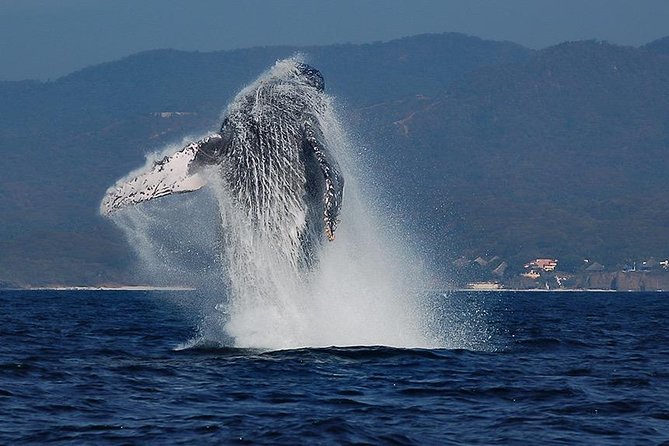
Puerto Vallarta is one of those places where nature shows up on schedule. In the winter months, humpback whales arrive to mate and give birth, and this tour is built around that reality. You get a focused, time-efficient experience: about 4 hours on the water, led by a team that knows where and how to look.
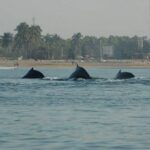
The best part is that you’re not treating whales like distant dots. Expect close viewing moments when the animals come up for breathing and feeding behavior. The trip’s rhythm also makes sense: you spend enough time in productive areas to actually see patterns, not just chase quick sightings.
This is also a good pick if you want an emotional “wow” without giving up your whole day. A lot of people only have one or two free blocks in Puerto Vallarta. This gives you a big nature payoff that still leaves time for dinner, beach time, or a city wander.
You can also read our reviews of more tours and experiences in Puerto Vallarta.

Meeting Your Cetacean Biologist: What You Learn and Why It Changes Everything
On this tour, your guide is the star, and not in a generic way. You’ll be led by a biologist who specializes in whales and dolphins, with qualifications described as Master’s degree in Marine Ecology. Some guides are also described as science journalists and wildlife photographers, including credits connected to major outlets.
Names you might meet along the way include Camilla and Jema. They show up repeatedly in the experience style people talk about: lots of explanation, lots of enthusiasm, and the ability to answer questions without talking down to you.
The biggest value here is interpretation. When you know what you’re looking at—mothers with calves, males involved in competing behaviors, whales singing through the day—you stop thinking, I just saw a whale. You start thinking, I understand what that whale is doing right now.
You may also hear about how the guide uses tools like a hydrophone to share underwater whale sounds. For many people, hearing those calls while you’re watching the surface behavior is the moment that makes it feel real, not scripted.
Citizen Science With a Purpose: The Role You Play on the Water
This tour doesn’t frame itself as a one-way viewing experience. It’s connected to ongoing research programs with whales and dolphins. The information shared during the trip is tied to those programs, and you’re given a chance to participate so the work can continue.
For you, that means you’re paying attention at a higher level than typical whale-watching. You’re more likely to notice details like group movement, how whales surface, and what dolphins are doing relative to the whales. You’re also helping build the kind of sightings data conservation teams use to better protect these animals.
There’s also a strong promise in the tour description: participation is what makes the research possible, and there’s a claim of a money-back guarantee if animals aren’t found as expected. I’d treat that as motivation, not as blind certainty. Wildlife doesn’t run on human calendars. But the intent is clear: the team is working with a research mindset, not just sightseeing.
Small Boat Setup in Marina Vallarta: How It Affects Your Viewing
The meeting point is at Opequimar Centro Marino, on Av. Paseo de la Marina Sur 214 in Marina Vallarta. You return there at the end, so the day stays tidy.
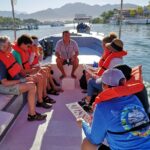
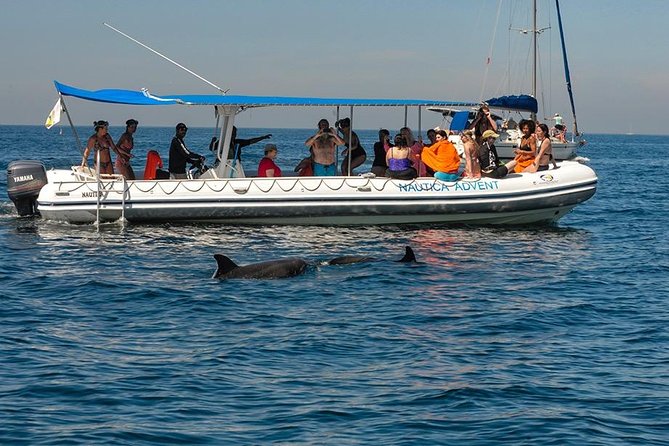
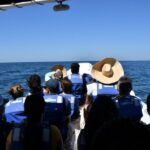
The boat experience is a big part of why people rate this so highly. The tour allows a maximum of 20 travelers, and in practice, many departures feel even more comfortable, with enough space to shift positions and see both sides of the boat.
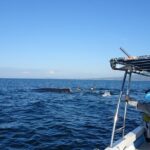
A covered boat is another practical win. In rougher weather, that cover can make the trip feel easier while you keep your eyes on the water. The crew also handles safety with life jackets—people talk about how smooth and comfortable the boarding feels.
One downside to keep in mind is simple: there’s no bathroom on the boat. Plan hydration carefully and use the facilities before you head out. If you’re traveling with kids or anyone who needs frequent breaks, this is worth noting.
What You’ll Actually See: Humpbacks, Dolphins, Turtles, Mantas, and More
This is a multi-species outing, and the winter focus stays on humpbacks. The goal isn’t one quick whale breach and a photo and goodbye. It’s time in productive zones so you can see different behaviors.
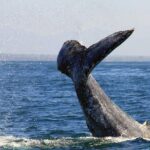
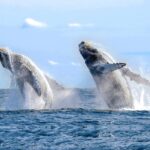
Humpback behavior (the “story” of the trip)
You can reasonably expect several types of encounters:
- Mothers and calves: watching baby whales close to mothers is often a highlight
- Male whales: competing or escorting behavior may show up when the group composition is right
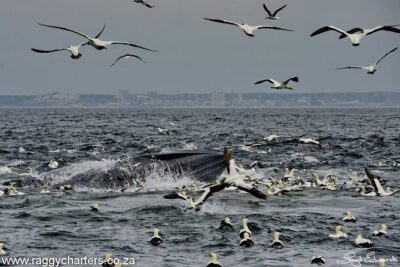
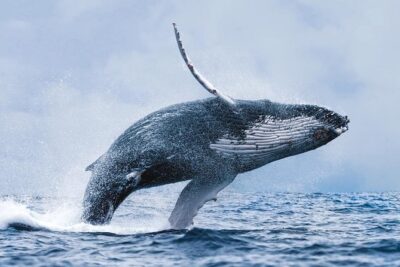
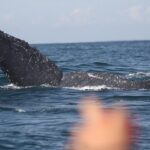
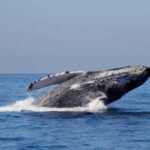
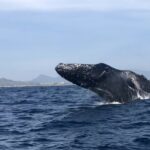
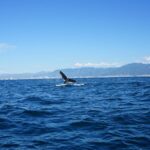
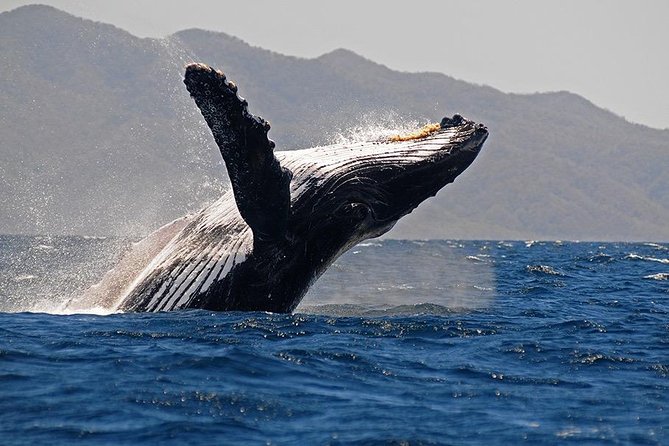
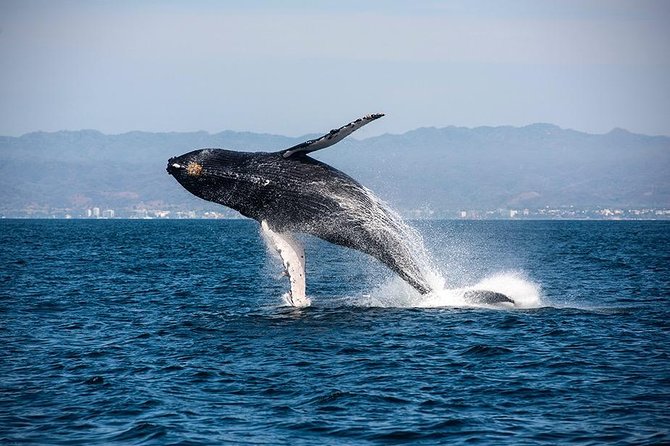
- Breaches and tail behavior: people mention multiple breaches and tail slapping, which are dramatic enough to become hard to forget
And yes, you may hear whale songs on the water with hydrophone support. Pair that with surface activity and it turns into a full-sensory experience.
Dolphin pods and the variety you might catch
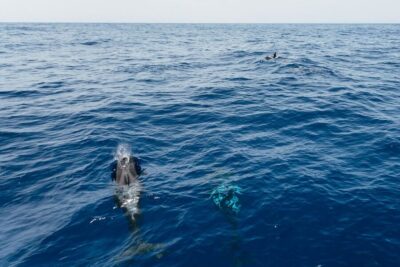
During winter, the tour combines whale-watching with dolphin watching, and the dolphin side can be more than a single passing pod. Species mentioned include bottlenose dolphins, spotted dolphins, spinner dolphins, and rough-toothed dolphins.
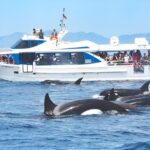
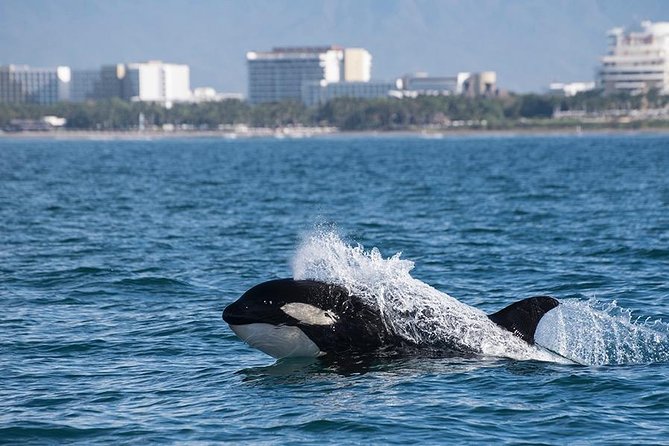
With luck, you might even find orcas or false orcas. That’s not something I’d schedule your whole day around, but it’s part of what makes the search exciting: the team is watching for more than one headline species.
Giant mantas and marine turtles
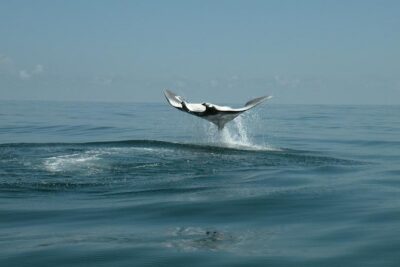
Mantas and turtles are also included as possible sightings. People who care about “wildlife variety” usually appreciate this. You’re not stuck staring only at one animal type for the entire trip.
Birds and small bonuses
One review mentions blue-footed boobies as a bonus. You might also notice other wildlife around the edges while you’re waiting for the whales to come up. These small surprises are common when you’re in the right marine zones at the right time.
How the Land Briefing Sets You Up for Better Whale-Watching
Before you go out on the water, there’s often a short educational session on land. People describe this as a helpful way to get your bearings fast, and it’s especially useful if you’re a first-time whale watcher.
Depending on the guide and what’s available, you might get hands-on learning like touching baleen and seeing whale vertebrae. Even if you don’t get the hands-on part, the briefing still helps you understand why whales behave differently at different moments.
This matters because once you understand the basics—how whales surface, what it means when they linger, and why you should give distance—the sightings feel more meaningful. You aren’t just reacting to splashes. You’re reading a living behavior.
Captains, Positioning, and Whale Etiquette That You Can Feel
A biologist can spot and explain, but you also need a captain who can place the boat safely and effectively. The captain teamwork is a big part of why people praise this tour.
You may hear mention of captains such as Jorge (and sometimes Cesar). The common thread: getting into good viewing positions while respecting distance and staying safe, even when winds pick up.
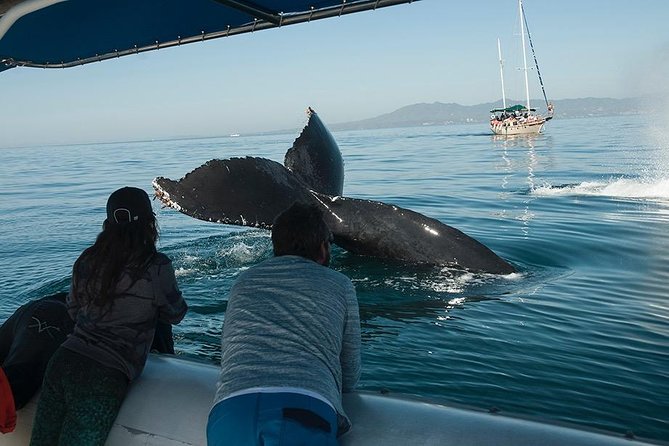
That “respect the whales” element isn’t only for ethics. It also improves your viewing. When the boat isn’t forcing the scene, whales stay in the area longer and you see more natural behavior. You’ll still get close enough for fluke shots and clear viewing moments, but the vibe stays controlled.
Photo and Timing Tips That Help You Get the Good Stuff
This kind of tour rewards smart readiness. You don’t need fancy gear, but a few practical moves can help a lot.
- Bring a phone camera or small camera with enough battery. Whales are unpredictable, and sightings can stack quickly.
- Use the covered area wisely. Sit where you can see comfortably to both sides of the boat as the crew repositions.
- If you get seasick easily, bring what works for you ahead of time. The tour requires good weather, and you’ll be out long enough to feel it if you’re sensitive.
- Have realistic expectations: you’re not in control of when animals surface. You’re in control of how prepared you are.
One thing I love about this setup is the balance between searching and staying. People describe feeling like the team can find whales in multiple areas, rather than just circling aimlessly for the whole trip.
Price and Value: Does $105 Make Sense for What You’re Getting?
At $105 per person for about 4 hours, this isn’t the cheapest whale option in Puerto Vallarta. But it also isn’t priced like a bare-bones ride. You’re paying for three things that add real value:
- A specialist biologist guide focused on cetaceans, not a generic tour host
- Research participation tied to whale and dolphin protection work
- A small-group experience with a boat setup that supports real viewing
When whale-watching is done well, you’re paying for effort and expertise. That’s what this tour leans into. The high rating score backs up that the day often delivers: many departures report lots of whales, with mothers and calves and multiple breach moments.
If you’re the kind of traveler who wants more than a checklist—if you want to understand what you’re seeing—this price starts to look like a fair match for the time and the guidance.
Who This Tour Suits Best (And Who Should Rethink It)
This is a strong choice if:
- You want a biologist-led whale-and-dolphin outing
- You care about understanding animal behavior, not just spotting something once
- You appreciate a smaller group and a boat that supports real viewing
It may not be the best fit if:
- You’re pregnant beyond 7 months (the tour notes it’s not recommended for people more than 7 months pregnant)
- You rely on onboard bathroom access (there isn’t one)
- You need absolute predictability. Wildlife timing can vary, even with a great team
For families, the short duration helps. For couples, the learning component often makes the experience feel more personal. For solo travelers, the group size stays manageable, and the guide interaction tends to keep things lively.
If Weather Turns: What You Can Expect When Nature Misbehaves
This activity requires good weather. If it’s canceled due to poor conditions, you should be offered a different date or a full refund. That’s a practical protection, because whale-watching works only when the water cooperates.
Also note that the tour description says confirmation is received within 48 hours of booking, subject to availability. In busy whale season, that timing can matter. If you’re visiting around the winter humpback months, try to lock in your spot soon.
Should You Book This Whale and Dolphin Tour in Puerto Vallarta?
If you want the best mix of real-time wildlife viewing and science-backed explanations, I think you should book it. The small group size, the consistent presence of specialist biologists like Camilla or Jema, and the chance to hear whale songs with a hydrophone make this more than just a sightseeing trip.
My advice: go in with the right mindset. Wild animals set the pace. Your job is to show up prepared, pay attention, and enjoy the patience. If you do that, you’re very likely to get those headline moments people rave about: close whale surfaces, calves with mothers, multiple breaches, and the bonus chaos of active dolphin pods.
FAQ
How long is the whale and dolphin watching tour?
It runs for about 4 hours.
What animals can you see on this tour?
You can look for humpback whales, dolphins, marine turtles, and giant mantas. The tour also mentions a chance of seeing orcas or false orcas with luck.
Who leads the tour?
The tour is led by a biologist specializing in cetaceans, described with qualifications in marine ecology and related science communication and wildlife photography.
Where does the tour start and end?
It starts at Opequimar Centro Marino, Av. Paseo de la Marina Sur 214, Marina Vallarta, 48450 Puerto Vallarta, Jal., Mexico, and ends back at the same meeting point.
Is the tour in English?
Yes, it’s offered in English, and it uses a mobile ticket.
What is the cancellation policy if weather is poor?
There is free cancellation up to 24 hours in advance for a full refund. If the experience is canceled due to poor weather, you’ll be offered a different date or a full refund.