REVIEW · PORT ELIZABETH
Whale, Dolphin & Penguin Island Cruise
Book on Viator →Operated by Raggy Charters · Bookable on Viator
Whales and penguins, on the same calm trip. I love the small-group feel on a twin-engine catamaran (max 20), and I also like how the conservation talk is built into the day with expert guidance from people like Jake and the skipper.
One thing to plan for: wildlife sightings depend on season and conditions, so you’re paying for a great search, not a guaranteed hit list. The ride also needs good weather, since this cruise runs only once a day.
In This Review
- Key things to know before you sail
- Why Algoa Bay feels like a real wildlife mission (not a factory tour)
- Getting there and making sense of the 8:00 am start
- On the water: humpback whales, dolphins, and what to watch for
- Humpback whales: best months and what their journey means
- Southern right whales as an extra possibility
- Dolphins: when they’re in play, and where to spot them
- If you’re hunting variety
- St. Croix Island: African penguins up close and the seabird neighborhood
- When you might see chicks
- The close-up encounter is the point
- Other animals on the island
- The guidance: why small groups make the difference
- Eco-sustainability in plain terms: the tree-planting idea
- Price and value: is $185.19 fair for 4 hours at sea?
- What this cruise is best for (and when to think twice)
- Should you book the Whale, Dolphin & Penguin Island Cruise?
- FAQ
- How long is the Whale, Dolphin & Penguin Island Cruise?
- Where does the tour start, and what time does it depart?
- What wildlife can you expect to see?
- When is the best time to see humpback whales in Algoa Bay?
- When is the best time to see African penguin chicks?
- Is the tour group large?
- What if the weather isn’t good?
Key things to know before you sail
- Max 20 on board means more time for questions and better odds of seeing what’s out there.
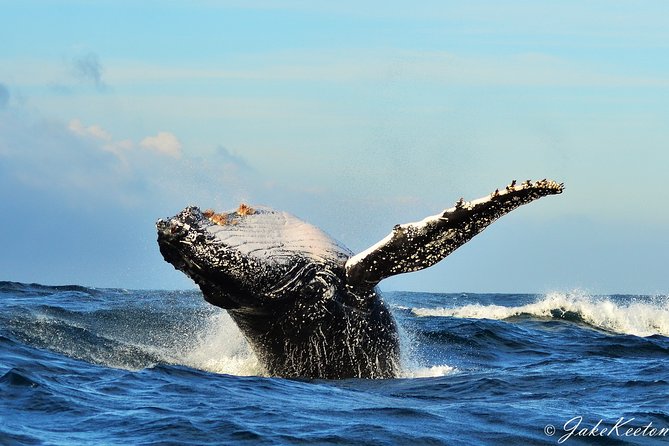
- Algoa Bay timing for humpbacks: they’re typically seen June to early December, with return journeys from October.
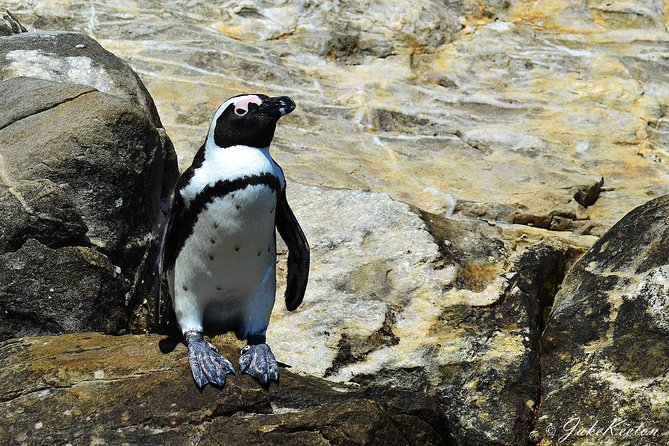
- African penguins at St. Croix Island: a major breeding colony (about 12,000) where you can get a close-up encounter.
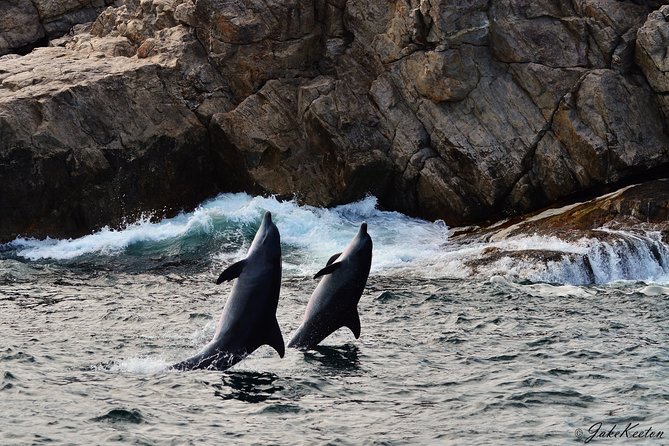
- Bottlenose dolphins often ride the bow waves and can show up all year in the shallow-water areas.
- Tree-planting eco effort helps balance the cruise’s carbon footprint.
- More than just whales and dolphins: penguin neighbors include cormorants and seabirds, plus seals, sharks, and sometimes other whales.
Why Algoa Bay feels like a real wildlife mission (not a factory tour)
This cruise is built around one simple idea: slow down and let the wildlife come to you. You’re out on Algoa Bay from Port Elizabeth on a twin-engine catamaran, and the schedule is paced for spotting—more time watching, less time rushing. The boat doesn’t feel like a sightseeing conveyor belt, and that matters when you’re trying to track moving animals in real conditions.
What makes it especially appealing is that the trip doesn’t focus on one species only. You’re set up for a mix: humpback whales, bottlenose dolphins, and endangered African penguins on St. Croix Island. Then, if the sea offers extra sightings, you may see more—Cape fur seals, various sharks, seabirds, and even other whale species in the region.
That mix is also why this can be a strong value. You’re not paying for a single viewpoint or a single moment. You’re paying for a few chances at different kinds of wildlife behavior—feeding, traveling, swimming close to the boat, and in the case of penguins, breeding activity on the island.
Getting there and making sense of the 8:00 am start
You’ll meet at Nelson Mandela Bay Yacht Club, Dom Pedro Jetty, in Port Elizabeth Harbour (Gqeberha). The start time is 8:00 am, and the whole experience runs about 4 hours.
That early timing is practical. Marine wildlife activity tends to be good around morning hours in many coastal areas, and an earlier departure gives the crew more daylight for spotting and for the island portion. It’s also less stressful than late-afternoon tours when the sea gets choppier for some days.
A few details that help you plan:
- You get a mobile ticket.
- Life jackets are available for all ages.
- There’s no age restriction, and disabled passengers can join with assistance from family and crew.
- The group cap is 20 travelers, which keeps the experience calm and question-friendly.
Wear what you’d wear for a boat day: comfortable shoes, a layer for wind, and something to protect your face if it’s bright. If you’re prone to motion sickness, it’s smart to prepare ahead since you’ll be out on the water (even though the trip is described as slow-paced).
On the water: humpback whales, dolphins, and what to watch for
The core sea portion is about searching for whales and dolphins around Algoa Bay—and then positioning the boat for viewing. The cruise guidance explains seasonal patterns so you know what you’re looking at when you see it.
Humpback whales: best months and what their journey means
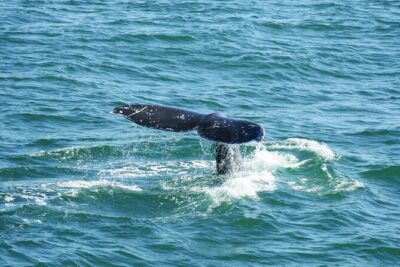
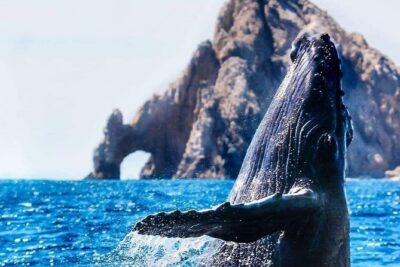
If you’re traveling for whales, humpbacks are the headline. They can be seen in Algoa Bay from June to early December as they move along the coast toward breeding grounds further along Africa’s east coast. The schedule information also notes that humpbacks return from October, often with females traveling with calves.
This matters because it changes the “feel” of the sightings. Watching a larger animal travel through the bay is one thing. Seeing calves in the mix is another. Either way, the crew’s job is to help you see the animals clearly while keeping the interaction respectful and safe.
Southern right whales as an extra possibility
There’s also a window for southern right whales close in shore from July to September. They’re not the guaranteed main event, but knowing the season helps you avoid feeling let down if the day leans more toward humpbacks and dolphins.
Dolphins: when they’re in play, and where to spot them
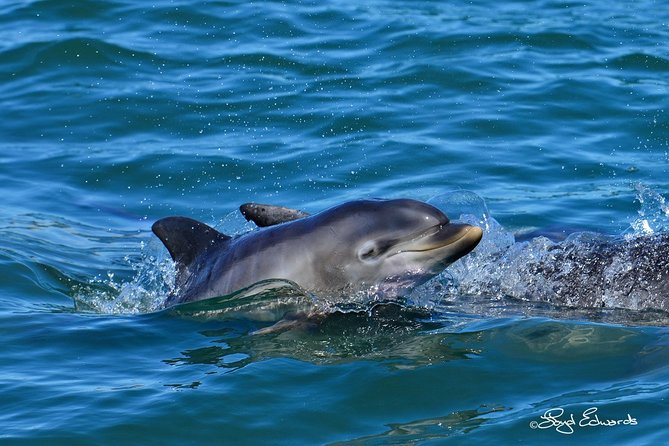
Dolphins tend to make the trip feel lively. The cruise notes that Indo-Pacific bottlenose dolphins are often observed in the bay all year, typically in groups ranging from about 10 to 400. They’re commonly in shallow waters near beaches or around St. Croix Island, and they often come close enough to ride along in bow waves. That bow-wave behavior is gold for photos, and it also makes the encounter feel personal even from the water.
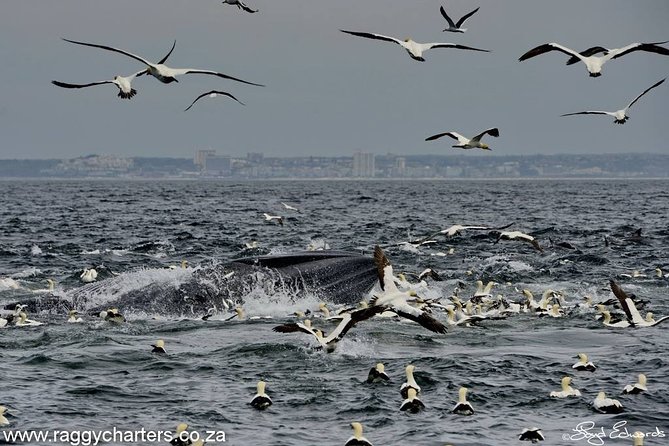
The day can also include common dolphins, described as fast swimmers and frequently seen in very large groups (about 1,000 to 2,000), often farther out to sea where they follow baitfish moving through the bay.
So what should you watch for during the ride?
- Breaks in the water that suggest surfacing rather than just random motion.
- Groups that move in a pattern, which often signals they’re tracking baitfish.
- Behavior changes—one group’s feeding style can look totally different from a group just traveling.
If you’re hunting variety
Beyond whales and dolphins, the cruise also points to other possible sea life: Bryde’s whales, minke whales, Cape fur seals, sharks, and seabirds in the broader area. A review included a rare-feeling extra like a hammerhead shark, which is the kind of bonus that can happen when conditions line up and the crew is actively searching.
The key is to stay flexible. Even when the crew does everything right, ocean life follows the ocean.
St. Croix Island: African penguins up close and the seabird neighborhood
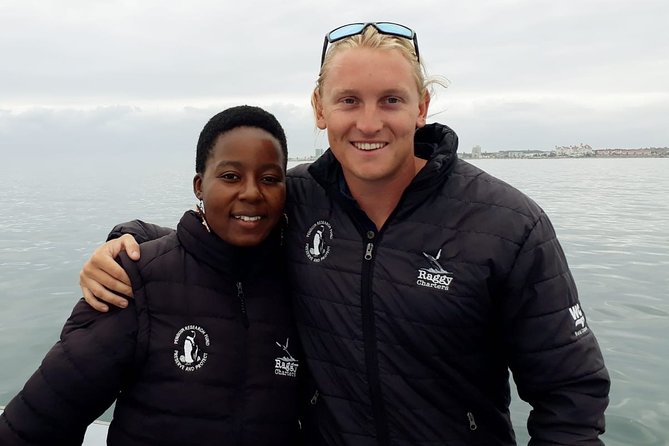
The island portion is what makes this cruise more than a boat ride. St. Croix Island is home to about 12,000 endangered African penguins, and it’s described as the largest breeding colony found in Africa. The text also notes that the colony has declined—around 70% over 10 years—so this isn’t just a cute add-on. It’s a conservation story, and you’re seeing part of what’s being protected.
When you might see chicks
African penguin breeding peaks between March and May. During that time, you may be able to see chicks from the boat, depending on what the birds are doing that day. If you’re not traveling in those months, you can still see penguins—but you’ll likely be watching adults and ongoing breeding behaviors rather than the peak chick stage.
The close-up encounter is the point
The cruise description is clear about the goal: a close-up encounter with the comical birds. Penguins at a breeding site tend to be busy—standing, moving in little bursts, and interacting around nesting areas. From a visitor’s standpoint, the big value is that you’re not just spotting from far away. You’re there at the breeding location.
Other animals on the island
It’s not just penguins. St. Croix Island and nearby protected islands also host seabirds and other coastal species. The cruise highlights include:
- African black oystercatcher
- White-breasted cormorants
- Cape cormorants
It also notes that the St. Croix Island group, along with the Bird Island group, became part of Addo Elephant National Park, allowing rangers to patrol. That’s practical context for why penguin sites get managed and monitored.
A good way to get the most from the island time: slow down your own pace. Penguins aren’t in a performance schedule. If you watch patiently, you’ll pick up patterns—where the birds cluster, how they move around each other, and how they react to sounds and people.
The guidance: why small groups make the difference
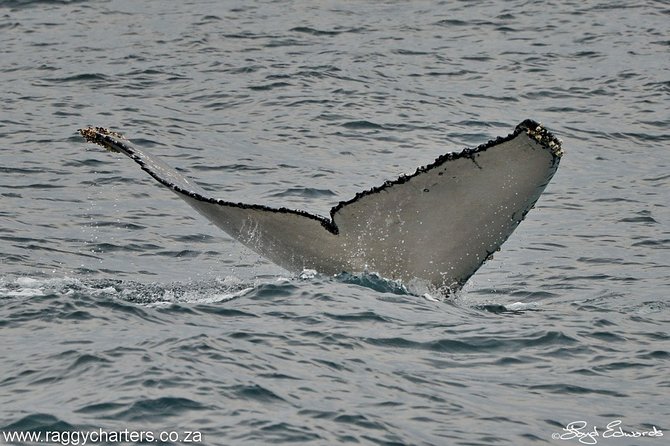
This is one of those trips where the staff quality shapes the entire day. The cruise description emphasizes conservationist guides and the skipper’s ecosystem knowledge, and the standout across the experience is how helpful and engaged the crew is.
From the trip vibe, here’s what that usually means for you:
- You’re not stuck with vague commentary. You get explanations tied to what you’re seeing in the moment.
- The crew can adjust focus based on what animals appear (whales one minute, dolphin pods the next).
- With a group cap of 20, it’s easier to ask questions without feeling like you’re competing for attention.
In at least one review, Jake is named, with the highlight being a mother-and-baby humpback whale moment and time sailing with dolphins. That kind of guided “spotting and explaining” is exactly what you want on a wildlife cruise, because it helps you interpret behavior instead of just filming random sea spray.
Also, safety matters. Reviews repeatedly point out attention to safety and professional boat handling, including on choppy days. If you’ve ever had motion anxiety on water, you’ll appreciate that the crew is actively positioning and managing the boat for visibility.
Eco-sustainability in plain terms: the tree-planting idea
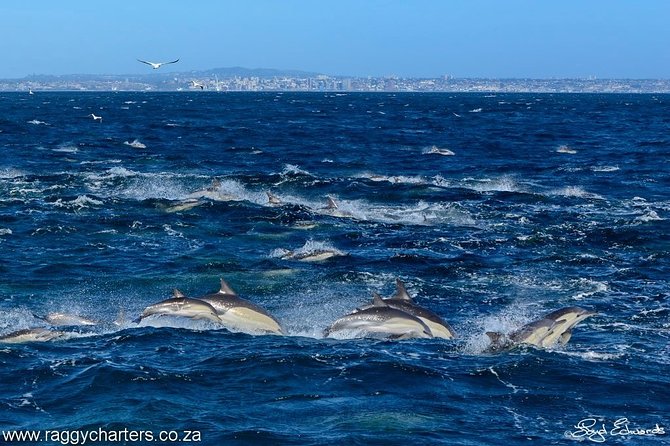
The cruise is described as eco-sustainable through a tree-planting campaign to help balance the carbon footprint. That won’t change the sea conditions, and it won’t undo the environmental threats penguins face—but it does give you something concrete tied to impact.
The bigger point for me is that conservation isn’t only a phrase here. The day is built around endangered species, breeding sites, and an actively managed protected area under national park rangers. So the eco message doesn’t live in a brochure alone—it connects to what you’re seeing.
Price and value: is $185.19 fair for 4 hours at sea?
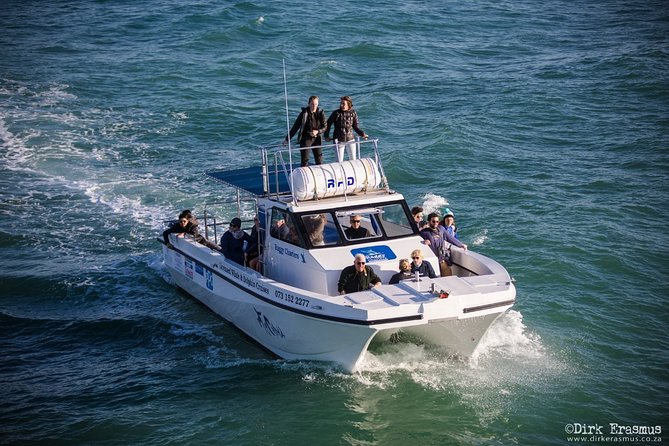
At $185.19 per person, this isn’t a cheap impulse trip. So you have to buy into the value proposition: a small boat, a guide who’s focused on marine life, and a route that includes both sea viewing and an island encounter.
Here’s why the price can feel fair:
- Small group size (max 20). You’re not paying for a mass departure where you lose sightlines and questions vanish.
- Multiple wildlife targets in one outing (whales, dolphins, penguins).
- Seasonal knowledge built in—you’re not just hoping for the right species.
- The cruise includes an island experience, and the experience details note admission ticket free rather than adding separate paywalls.
Where it might not be perfect: if you only care about one species and you travel outside the best seasonal windows, your day becomes more about possibility than certainty. That’s the nature of marine wildlife viewing, and this trip is designed to maximize your chances rather than promise outcomes.
My practical take: if you’re in Port Elizabeth and you want one focused wildlife day without a long, exhausting itinerary, this price starts to make sense. It’s basically a concentrated dose of Algoa Bay ecology.
What this cruise is best for (and when to think twice)
This tour suits you if:
- You want a calm, slower-paced wildlife outing rather than a rushed checklist.
- You like learning while you watch—especially around conservation and species behavior.
- You appreciate small groups and want time to ask questions.
- You’re visiting during the whale season window (June to early December for humpbacks) or the penguin breeding peak (March to May) if seeing chicks matters.
It may not be the best fit if:
- Your schedule is tight and you can’t handle a single-day-a-day departure style. Since it only runs once a day, you may have fewer options if you’re flexible only by hours.
- You’re highly sensitive to boat movement. Life jackets are provided, but the sea can still feel real—choppy conditions are part of coastal cruising.
The good news is the experience notes that most travelers can participate, with life jackets and assistance available for boarding when needed.
Should you book the Whale, Dolphin & Penguin Island Cruise?
I’d book it if you want a wildlife day that feels organized, informed, and human-scaled. The mix of humpback whales, dolphin behavior close to the boat, and an island stop for endangered African penguins makes it more satisfying than a quick pass-by tour. Add in the tree-planting approach and the guided conservation framing, and you get a day that’s both fun and meaningful.
I’d also book with two mindset adjustments:
- Treat sightings as living-wildlife outcomes, not a staged product.
- Check the weather logic in your head. This cruise needs good weather, and that’s when the boat time and island time both go smoothly.
If your goal is to see Algoa Bay’s marine life in a way that’s calmer than big groups and richer than a short ride, this is a strong choice.
FAQ
How long is the Whale, Dolphin & Penguin Island Cruise?
The experience lasts about 4 hours.
Where does the tour start, and what time does it depart?
You meet at the Nelson Mandela Bay Yacht Club, Dom Pedro Jetty, Port Elizabeth Harbour (Gqeberha Central). The start time is 8:00 am.
What wildlife can you expect to see?
You’re set up to spot humpback whales, bottlenose dolphins, and African penguins on St. Croix Island. The experience also mentions other possible sightings like seals, sharks, and several seabird species.
When is the best time to see humpback whales in Algoa Bay?
Humpbacks are typically seen in Algoa Bay from June to early December. A return journey is mentioned from October, and southern right whales can be seen close in shore from July to September.
When is the best time to see African penguin chicks?
The penguin breeding season peaks between March and May, when you may be able to see chicks from the boat.
Is the tour group large?
No. The maximum group size is 20 travelers.
What if the weather isn’t good?
This cruise requires good weather. If it’s canceled due to poor weather, you’ll be offered a different date or a full refund.