REVIEW · PUERTO MADRYN
Valdes Peninsula: Full Day with Whale Watching
Book on GetYourGuide →Operated by Gray Line Argentina · Bookable on GetYourGuide
Whales turn a long day into magic. I love the whale watching experience from the water near Puerto Pirámides and the chance to spot Patagonia wildlife on land along the peninsula. One drawback to plan around: marine sightings and boat activity depend on weather and on the season.
This is a long, early start-style outing that runs about 12 hours, with hotel pickup and drop-off in downtown areas and a guide speaking English and Spanish. It is also built for a small group (up to 10), which helps when you’re trying to hear explanations and get everyone positioned for the best wildlife viewing.
In This Review
- Key takeaways
- A Wild Day From Puerto Madryn: Valdés Peninsula in One Trip
- Timing Matters: What You’ll See Depends on the Month
- From Hotel Pickup to the Long Morning Drive
- Puerto Pirámides: The Launch Point for Whale Watching
- On the Water: What Boat Watching Feels Like
- Lunch in Puerto Pirámides or Caleta Valdés
- Crossing the Peninsula: Grasslands, Salinas, and Big Open Viewpoints
- Punta Cantor and Caleta Valdés: The Atlantic Edge
- Punta Norte Replacement: Same Idea, Different Section
- Wildlife on Land: More Than Just Whales and Seals
- Carlos Ameghino Interpretation Center: Turn Sight Into Understanding
- Price and Value: Is $298 Worth It?
- Who This Tour Fits Best (and Who Should Rethink It)
- Should You Book Valdés Peninsula: Full Day With Whale Watching?
- FAQ
- What’s the duration of the Valdés Peninsula full-day tour?
- Is whale watching included?
- Are park entry fees included?
- Is lunch included?
- Do they pick up from the cruise port?
- What time of year does navigation take place?
Key takeaways
- Seasonal marine wildlife focus (right whales or sea lions/cormorants depending on the month)
- Puerto Pirámides boat time tied to whale-watching windows from June to November
- Caleta Valdés coastline views and a strong chance of seeing seals on the beaches
- A big land-and-sea itinerary: Salinas Grande/Chica, Punta Delgada, Punta Cantor, and more
- Carlos Ameghino Interpretation Center stop to connect what you saw with what’s going on in the ecosystem
A Wild Day From Puerto Madryn: Valdés Peninsula in One Trip
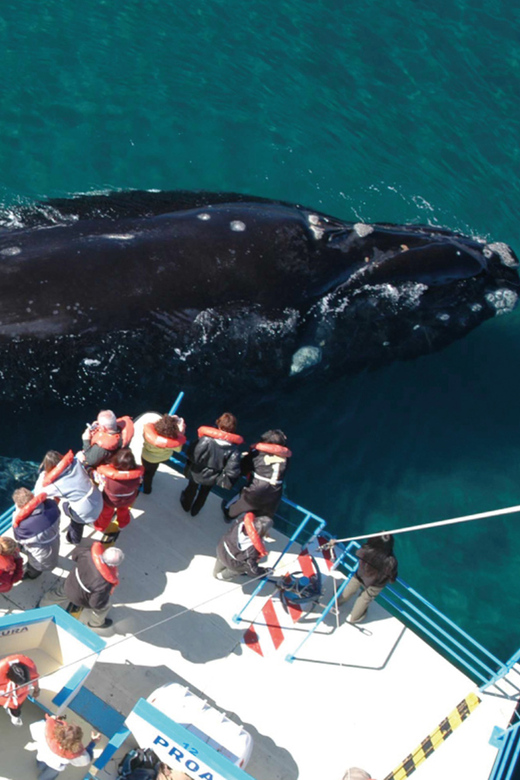
If your time in Puerto Madryn is limited, this is one of the best ways to get out into Valdés Peninsula Protected Natural Area without building a DIY day from scratch. You leave early, you drive for a bit, and then the day turns into two modes: wildlife watching from the water (when navigation is running) and wildlife watching from the road and viewpoints.
What makes Valdés so special is that it’s not just one animal. The peninsula is famous for marine life, but you also see plenty on land if you’re paying attention. On top of that, the tour structure builds in stops that follow the peninsula’s geography—salinas, open grassland terrain, and the Atlantic-facing coast—so your chances aren’t stuck in just one viewing area.
You can also read our reviews of more tours and experiences in Puerto Madryn.
Timing Matters: What You’ll See Depends on the Month
Before you book, check your travel dates. This tour’s marine portion changes with the season, and that affects both what you hope to see and what the day looks like.
Here’s the season logic:
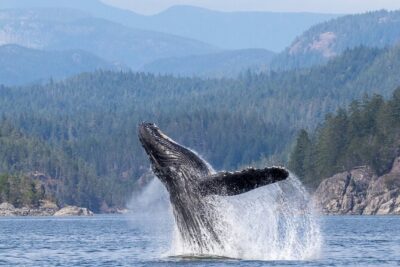
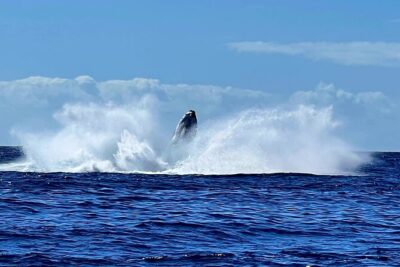
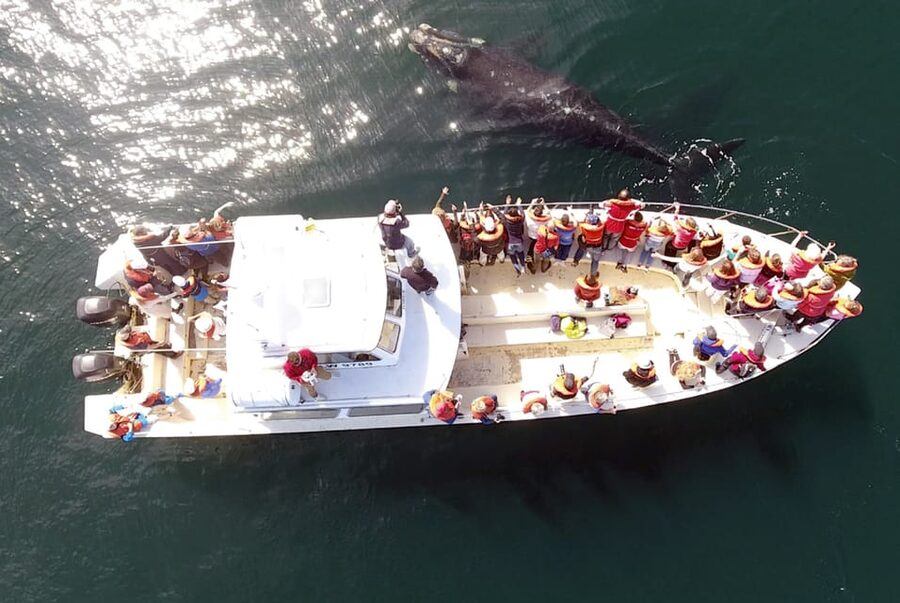
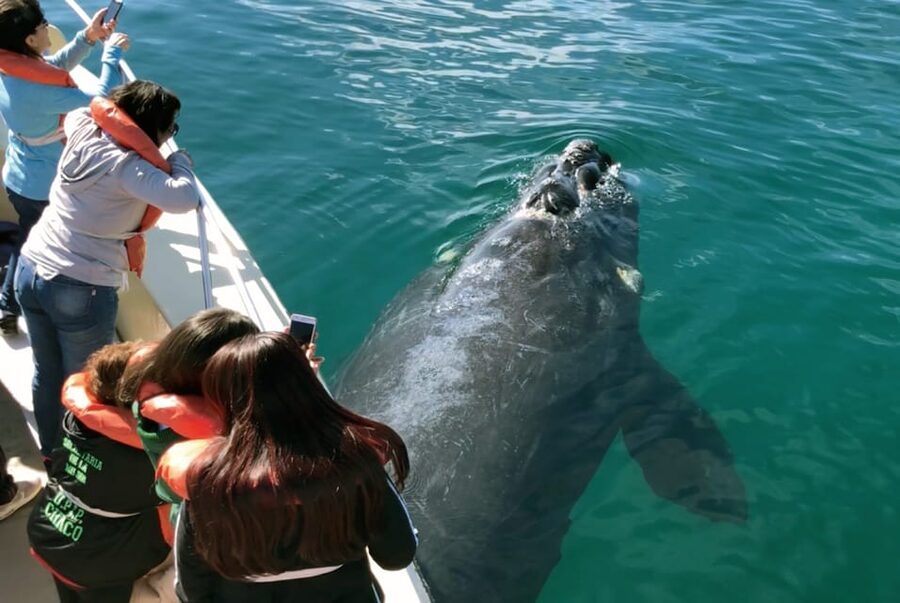
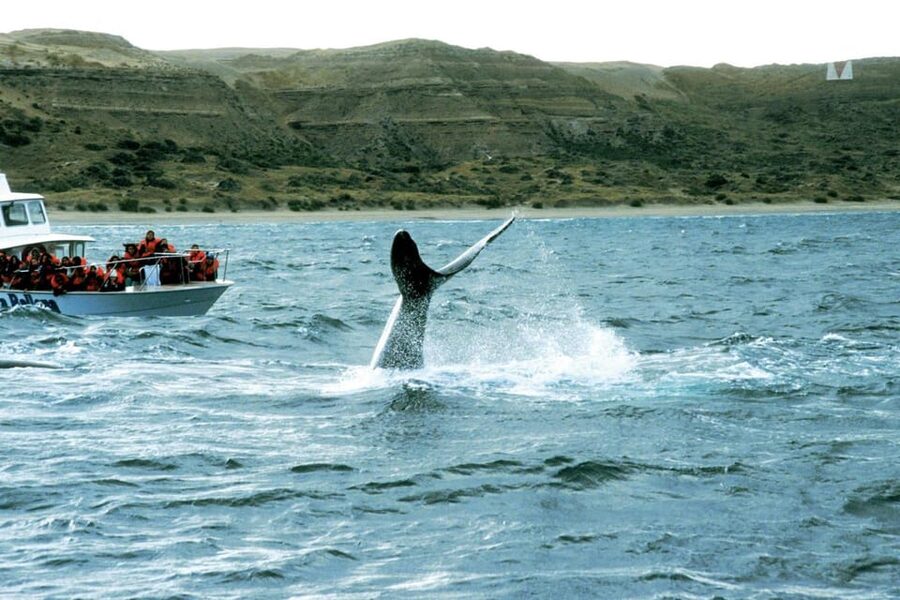
- June to November: you do regular, traditional Right Whale watching by boat.
- December to March: the focus shifts to a nautical walk for South American sea lions and cormorants.
- April to mid-June: no navigation is carried out, so don’t plan your main highlight around being on the water during that stretch.
That seasonal switch is not trivia. It helps you set expectations so you’re not disappointed if you’re traveling at the wrong time for whales. If your heart is set on whales, aim for the June–November window.
From Hotel Pickup to the Long Morning Drive
You start early from downtown hotels in Puerto Madryn. The pickup/drop-off is included, but the tour does not do pick-ups from the cruise port. If your hotel is outside the regular pickup routes, you’ll be directed to a nearby meeting location and you’ll need to wait in the hotel lobby for your guide.
This matters because you’re going to be awake before you’re fully awake. Bring a light breakfast habit if you can. Also, plan for comfort during the drive: the day is long (around 12 hours), and you’ll want your energy for viewpoint stops and boat time later on.
Puerto Pirámides: The Launch Point for Whale Watching
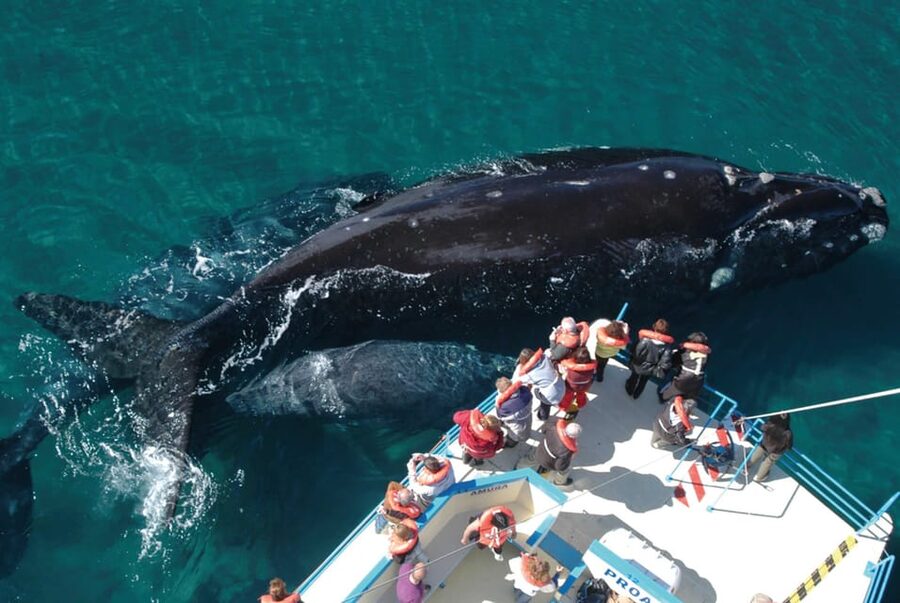
After about an hour of travel, the tour reaches Puerto Pirámides, the ecological village where you begin the marine portion (when it’s running). This is the practical hub for the day: you go from road travel into watching the Atlantic and learning the patterns of wildlife movement.
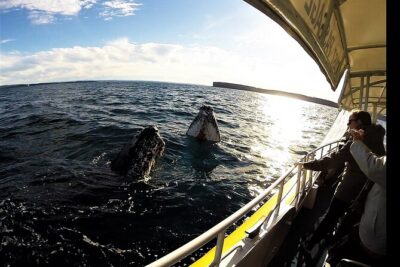
If you’re traveling June to November, this is where you board for whale watching. The goal is simple: find where the whales are, then stay patient and look for cues from the guide. In my experience with tours like this, the difference between a good day and a great day is usually the guide’s ability to read the sea and react fast when animals appear.
If you’re traveling December to March, the boat focus shifts away from whales and toward sea lions and cormorants. You’re still on the water, but your viewing expectations should match the season.
On the Water: What Boat Watching Feels Like
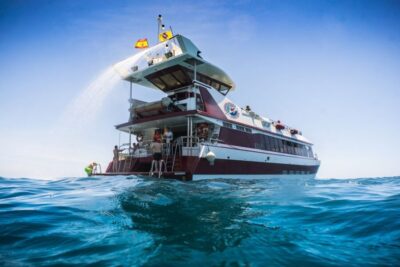
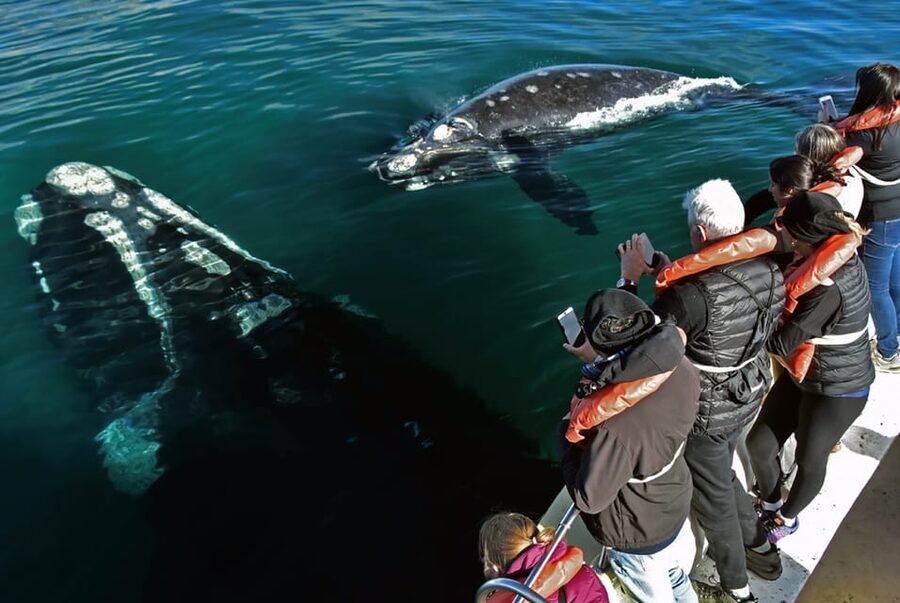
The boat portion is designed for observation, not racing around. That pacing is good. When you’re watching marine wildlife, the goal isn’t to tick off time—it’s to give you repeated chances to spot animals at the surface, watch behavior, and see how close (or far) they come.
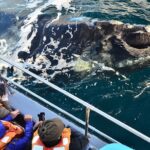
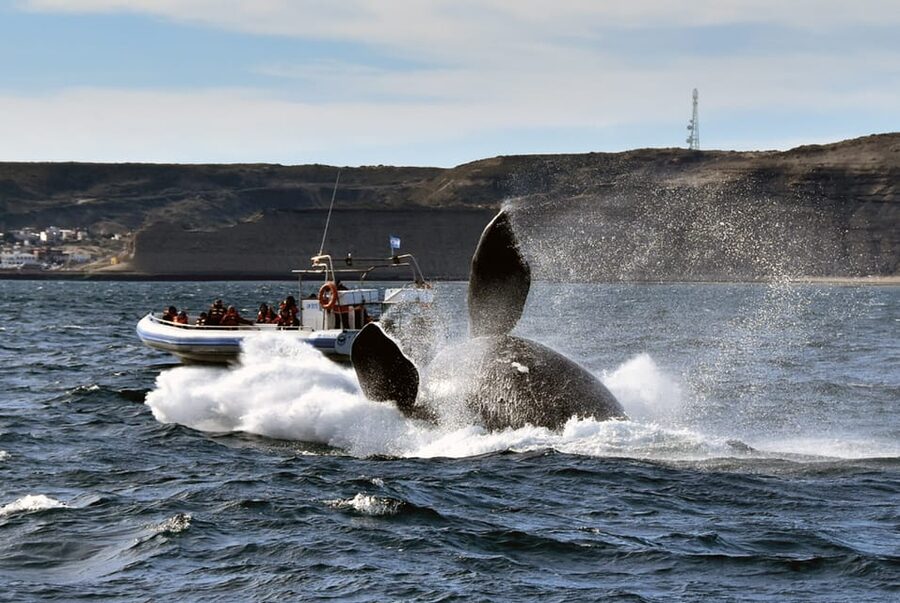
Your comfort matters here, too. Review experiences that happened in July highlight that cold, rainy weather can still produce strong whale sightings—sometimes whales come close to the boat, sometimes you see them at a distance. That variability is normal for marine wildlife viewing, and it’s why you should pack for real weather even if the forecast looks mild.
One practical note: the guide is listed as English/Spanish, but there’s a chance the boat commentary may skew more toward Spanish depending on how the day runs. If English interpretation is a must for you, I’d suggest checking before you go, especially for the part on the water.
Lunch in Puerto Pirámides or Caleta Valdés
Lunch is scheduled during the day, but it’s not included. You’ll have time in either Puerto Pirámides or Caleta Valdés, depending on how the day is paced.
Because lunch is separate, I recommend you treat this day like a full-day expedition: bring a basic snack strategy in case you get hungry between stops, and budget for lunch plus drinks. The tour is long enough that you’ll feel it if you’re relying on buying everything on the fly.
Crossing the Peninsula: Grasslands, Salinas, and Big Open Viewpoints
Once you’re done with the marine portion (or if the season means you’re not going out on the water), the tour focuses on the southern side of the peninsula. This part is why the trip feels more like Patagonia than a quick animal hit.
You’ll cross wide open terrain—grasslands and rolling undulations—then pass through the Salinas Grande and Salinas Chica areas. These salt flats and low basins help shape the wildlife patterns, and they also give you a feeling for the peninsula’s scale. It’s the kind of place where your brain needs a few minutes to adjust to how much sky and distance you’re seeing.
The itinerary continues outside Punta Delgada, then moves toward dramatic Atlantic-facing viewpoints. This is a day built around geography, not just sightings.
Punta Cantor and Caleta Valdés: The Atlantic Edge
At Punta Cantor, you get admiration time for the Atlantic coastline and a geological feature called Caleta Valdés. The coastal structure is part of why this region is so productive for wildlife—where land and sea meet, marine animals use the shoreline for resting and feeding patterns.
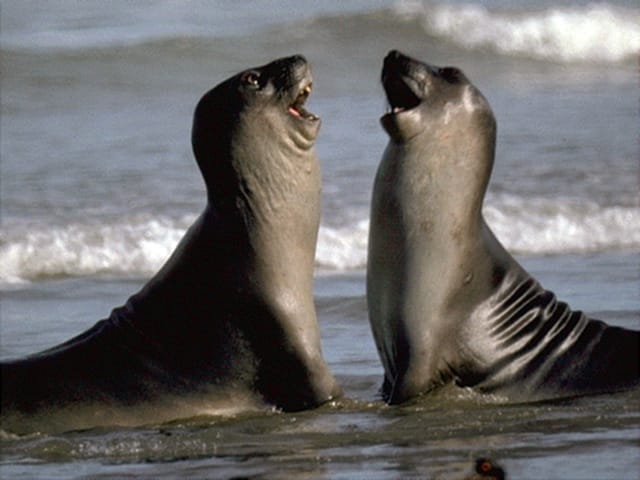
Beaches in this area can be inhabited by southern elephant seals, depending on the time of year. You may not get a guaranteed seal sighting every single day, but this stop is one of the most direct ways to see why Valdés is famous.
Punta Norte Replacement: Same Idea, Different Section
Depending on the time of year and marine fauna availability, the tour may replace the southern area portion (including Las Salinas and Caleta Valdés) with Punta Norte. That flexibility is a real advantage because wildlife doesn’t follow a calendar perfectly.
If the day shifts north, you still get the core feel of the peninsula: coastal views, wildlife search time, and a drive that keeps you in the right zones instead of forcing you into one fixed route no matter what.
Wildlife on Land: More Than Just Whales and Seals
Even if your top goal is whales, you’ll likely get a broader menu of animals on land during the tour. The route is designed for frequent spotting, and you might see species like guanacos, rheas, foxes, maras, armadillos, and even skunks.
This land component is not filler. It changes the feel of the day. If the marine portion is slow, the land sightings keep momentum. And if the marine portion is fantastic, land sightings add variety and context.
Some highlights have included additional wildlife such as penguins and sea lions/sea elephants when conditions align. The point isn’t that you’ll see everything every time—it’s that Valdés has enough going on that a well-run day often stacks sightings.
Carlos Ameghino Interpretation Center: Turn Sight Into Understanding
On the return, you stop at the Carlos Ameghino Interpretation Center. This is where the tour helps you connect what you saw to what’s shaping the ecosystem. It’s a good break after hours of scanning for animals, and it helps you put the peninsula’s marine and terrestrial wildlife into one picture.
Even if you think you know Patagonia from photos, interpretation centers like this usually improve your ability to spot patterns. You start realizing why certain animals show up near certain places, and why routes and viewpoints matter.
Price and Value: Is $298 Worth It?
At $298 per person, this is not a budget outing. But it’s also not just a bus ride. Most of what you’re paying for is the full-day logistics plus the major highlight: the whale/sea-watching time from the water (when it runs) with a bilingual guide and a small group.
Here’s how to think about the value:
- You get hotel pickup/drop-off (downtown hotels) and a full-day structure you don’t have to plan.
- You get a guide who helps you find wildlife and explain what you’re seeing.
- You get a long, varied route that combines marine and land viewing instead of one short stop.
What’s not included is the park entry fee, plus lunch and drinks. That means your real per-person cost will be a bit higher once you add those items. Still, if whales are on your must-see list or you want a polished, guided way to cover Valdés Peninsula in one day, the price can make sense.
Who This Tour Fits Best (and Who Should Rethink It)
This trip is a great match if you want:
- A structured full day focused on Patagonia wildlife
- The best chance for marine viewing during the correct season
- A small group experience where you can actually hear the guide
It’s less ideal if:
- You need wheelchair accessibility, since it’s not suitable for wheelchair users.
- You’re traveling in the April to mid-June window when navigation is not carried out and the marine highlight won’t happen the same way.
If you’re traveling solo, this type of small-group wildlife outing is usually a comfortable setup because you’re not negotiating every detail yourself. The key is going in with realistic expectations for what wildlife viewing means: sometimes animals come close, sometimes they’re farther off.
Should You Book Valdés Peninsula: Full Day With Whale Watching?
If your dates line up with June to November (or you’re okay with sea lion/cormorant viewing during December to March), I’d strongly consider booking this. It’s one of the most straightforward ways to get into Valdés Peninsula’s UNESCO-listed region for both marine viewing and land wildlife searching in a single day.
If you’re set on whales, double-check your month first. And regardless of the season, pack for real weather and be ready for variability—wildlife isn’t a theater show with fixed seating and scripted timing.
In short: if you want a guided, efficient way to experience Valdés Peninsula’s animal life without DIY stress, this is a solid pick.
FAQ
What’s the duration of the Valdés Peninsula full-day tour?
The tour lasts about 12 hours.
Is whale watching included?
Yes, whale observation from the boat is included when navigation is part of the seasonal program.
Are park entry fees included?
No. Natural park entry fees are not included.
Is lunch included?
No. Lunch and drinks are not included.
Do they pick up from the cruise port?
No. Pick-up/drop-off from or to the port is not possible, but downtown hotel pickup is included.
What time of year does navigation take place?
Whale watching by boat runs mid-June to November. Nautical walk runs from December to the end of March. Between April and mid-June, there is no navigation.