REVIEW · ISAFJORDUR
Westfjords Whale Watching
Book on Viator →Operated by Sjóferðir · Bookable on Viator
Whales get close in the Westfjords. This whale-watching trip from Ísafjörður heads into Ísafjarðardjúp for real-time searching, with close viewing when conditions line up. I especially like how the crew focuses on respectful whale watching, aiming for sightings that feel natural instead of forced.
I also like the practical onboard touches that make a cold, windy outing easier: a warm ride with blankets and a top-deck style setup so you can actually see what the captain is tracking.
One consideration: the water can be rough and decks can get wet, so you’ll want to show up ready for cold spray and possible motion sickness.
In This Review
- Key highlights
- Getting to the Westfjords whale tour in Ísafjörður
- The onboard setup: restroom, air-conditioned comfort, and real viewing space
- Stop in Ísafjarðardjúp: how the search actually plays out
- Guides and specialists: why the talk on deck matters
- What whales you may spot (and how likely it is)
- What to wear: waterproof layers and motion-sickness planning
- Price and value: does $113.68 make sense?
- Weather, cancellations, and the one-boat fear
- Who this whale watching tour is best for
- Should you book Westfjords Whale Watching with Sjóferðir?
- FAQ
- How long is the whale watching tour?
- Where does the tour start?
- Is the tour offered in English?
- Do I get a mobile ticket?
- Are humpback whales guaranteed?
- What happens if the weather is poor?
- Is there a restroom on board?
- What’s the group size limit?
- Can I cancel for free?
Key highlights
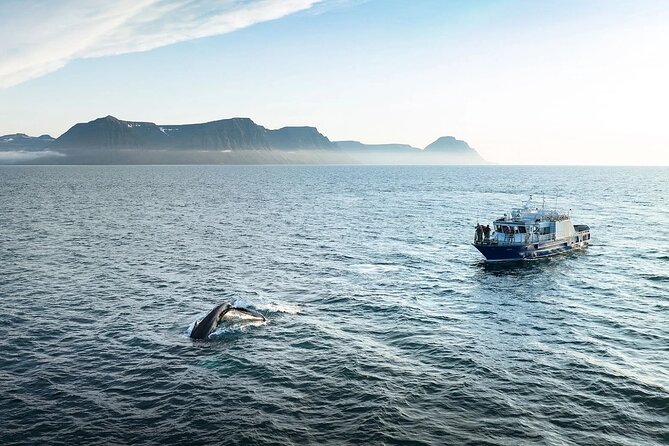
- Fjord feeding grounds at Ísafjarðardjúp: you go where whales are likely to be feeding, not just cruising for long hours
- Respect first, engine second: the captain’s approach aims to let whales come to you rather than chase them
- Guides like Tom and Chloe (plus specialists): expect real whale talk, not generic narration
- Blankets on board: a small detail that makes a big difference in Arctic air
- Good value for a 3-hour whale outing: strong odds, short local travel, and included comfort touches
Getting to the Westfjords whale tour in Ísafjörður
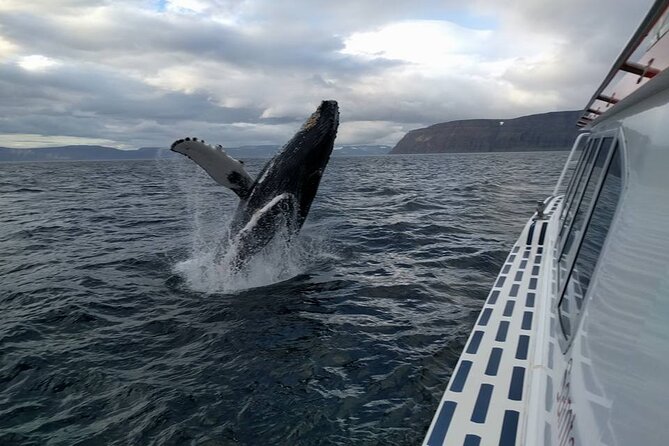
Ísafjörður is one of those Iceland places where big nature is close to town. That matters here because you’re not spending the day crossing the country just to reach the water. The meeting point is Sjóferðir Ásgeirsgata, 400 Ísafjörður, and you return there too, which keeps the day simple.
Timing is also a big deal for wildlife. This tour runs about 3 hours on the water (roughly, since sea conditions can shift things), and it’s best to show up with enough margin to get checked in and settled before you head out. If you’re visiting during a busy stretch, book early. On average, this one gets snapped up about 65 days ahead, which is a polite way of saying it’s popular.
Group size stays reasonable: there’s a maximum of 48 travelers. That doesn’t mean you’ll feel like you’re on your own, but it usually helps keep deck life from turning into a traffic jam when people are angling for photos.
The vibe is also practical. You’re not dressed up for an event; you’re dressed for weather and whales. And that’s a good thing, because the Westfjords can hand you cold air, wind, and spray without asking permission.
The onboard setup: restroom, air-conditioned comfort, and real viewing space
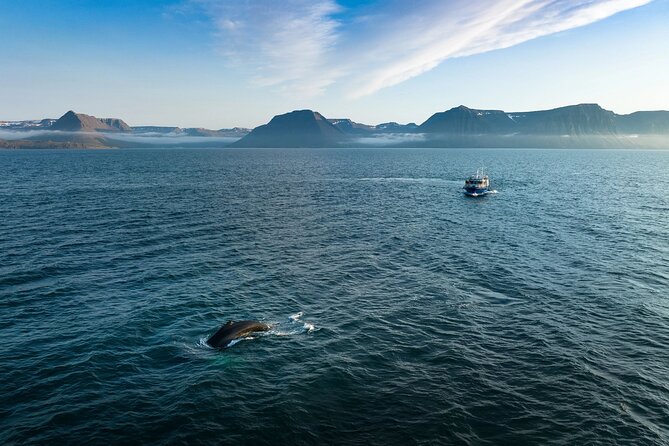
You’ll board a sturdy vessel, and the experience is built around getting you onto the deck space where whale sightings happen. One big plus from the reviews is that you don’t just sit below deck hoping for the best. You can get up top quickly and stay there, which makes a huge difference when whales surface in bursts.
For comfort, there’s a restroom on board, and the included air-conditioned vehicle helps take the edge off before (and sometimes between) water time. If you’ve ever done a cold boat tour where you spend the first hour shivering just to get moving, you’ll appreciate this.
A small comfort win keeps coming up: you’ll be given blankets for the ride. Arctic air can be brutal even when you’re dressed well, and blankets are the kind of “why didn’t everyone do this?” inclusion that makes the tour feel thought-through rather than thrown together.
That said, don’t ignore the reality check: whale watching in the fjords can mean rough water. One guest advice line stayed consistent—hold on tight, expect waves, and bring the right layers. If you’re prone to motion sickness, plan ahead.
Stop in Ísafjarðardjúp: how the search actually plays out
The main action happens at Ísafjarðardjúp. This is where the boat glides across the fjord and the crew starts the job of finding whales quickly, using both experience and wildlife signals.
As you leave the harbor, you’ll get wide views of the rugged coastline. Seabirds are part of that cue system, circling overhead when something is happening below. It’s not magic, but it is nature giving you hints.
The best part is how the captain and crew handle time on the water once they locate whales. Instead of running a straight line and hoping for sightings, they tend to stay in the feeding area long enough for repeated looks. In the strongest outings, people describe nonstop sightings for an hour or more. Even when it’s not that intense, the structure is still the same: find whales, watch them, learn what you’re seeing.
One detail that stands out from the whale-first approach: the captain is reported to turn off the engine at key moments so whales can come closer naturally. That changes the feel of the ride. You get less of the noisy pursuit vibe and more of the sense that you’re sharing space—quietly—while whales do their thing.
What does that mean for you? It means you should treat this like a weather-and-wildlife day, not a timed museum visit. Some trips are calm and fast. Some trips get dramatic. The crew’s job is to read the sea and the animals, and your job is to dress for whatever the fjord throws at you.
Guides and specialists: why the talk on deck matters
This tour leans into education in a way that makes the sightings easier to enjoy. You won’t just get a map of where you went. You’ll get an explanation of what whales are doing and how to spot patterns.
Named guides in the experience include Tom and Chloe, and they’re described as passionate about the whales and the environment. You’ll also hear from specialists on some days—marine biologists and whale experts are part of the setup. In one case, a whale specialist documented whales for research purposes.
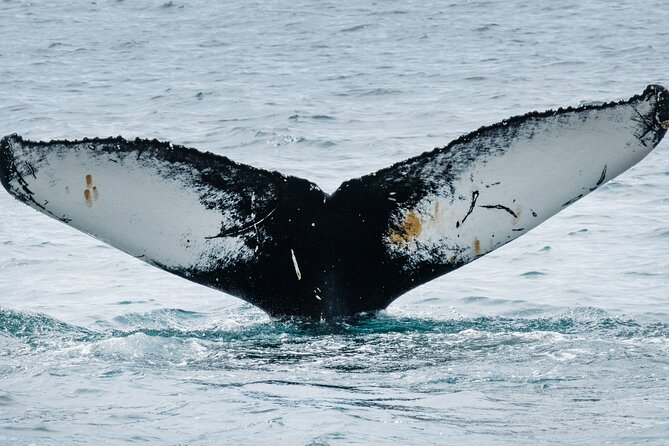
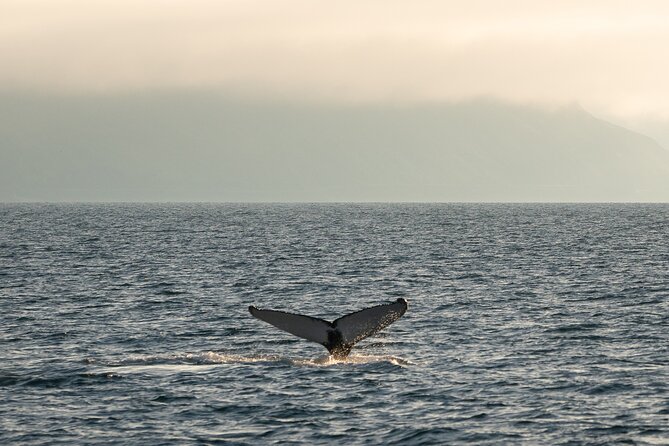
This matters because whale watching is full of tiny clues. When you learn what you’re looking at—tail flukes, feeding behavior, or why different groups act differently—you spend less time wondering and more time watching.
And it’s not just facts. The tone shows up as excitement and patience: people report being able to ask questions, and the crew checks in with passengers rather than leaving everyone to stand in one spot hoping luck arrives.
If you enjoy nature talks, this is a big reason to choose this company. It turns the trip into something you’ll remember even if you had a “only a few whales” day. If you care mainly about photos, the guidance still helps because it tells you when to look up, when to film, and what movement likely means.
What whales you may spot (and how likely it is)
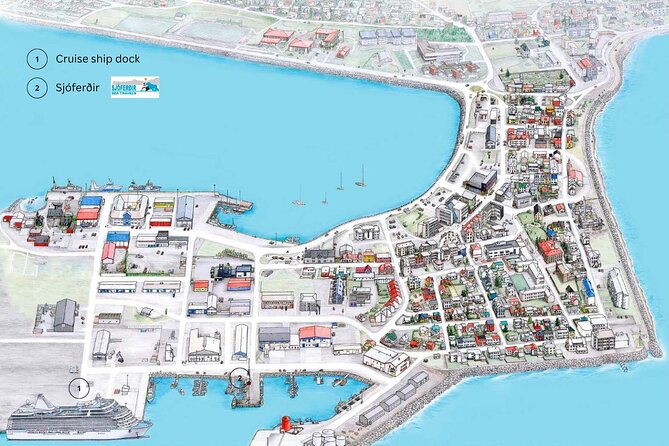
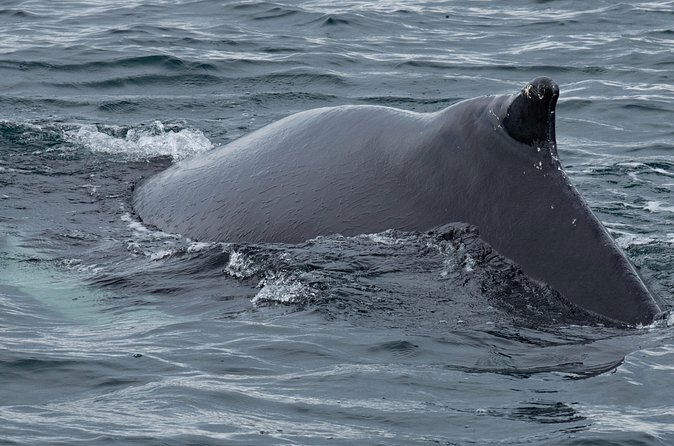
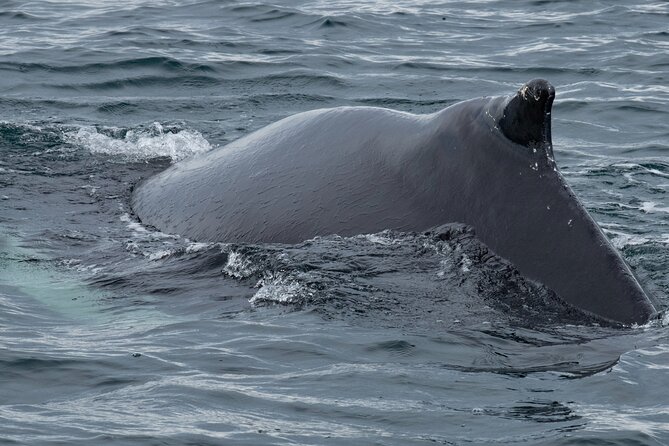
Humpback whales are the headline. The trip notes a 100% chance of seeing humpback whales in 2023, which is a strong signal about local conditions and the crew’s ability to find them during that period.
Beyond humpbacks, you might see:
- Minke whales
- Orcas
- Dolphins
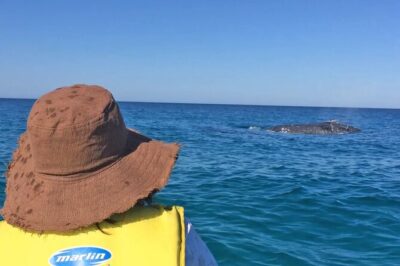
In the best outings, guests describe whales very close—close enough to feel like you’re inside the action, including moments where whales swim near or even under the boat. It’s also common to see lots of feeding behavior, which often brings repeated surfacing and more chances for tail displays.
Important reality check: whale watching is wildlife. Even with strong odds, you should still expect variation day to day. If your goal is a specific species or a specific number of sightings, you’ll feel better going in with flexibility.
This is why I like the tour’s pace and the crew’s staying power. When whales show up, you’re not rushing away. You get time to watch feeding, watch movements repeat, and get multiple angles for photos and videos.
What to wear: waterproof layers and motion-sickness planning
This is the make-or-break part of your experience. Iceland water days can go from fine to cold spray fast, and the deck can get wet.
Here’s what I’d plan around:
- Wear warm layers under a waterproof outer layer
- Bring gloves or something you can grip with
- Put on a hat or hood that won’t blow off
- Plan for wet boots or boot covers
Even with blankets, wind off the water chills quickly. One piece of repeat advice is clear: dress warm and waterproof.
If you’re sensitive to motion, take it seriously. Rough seas are mentioned, and one practical move is using seasickness medication before you go out rather than waiting until you’re already feeling bad. If you’re unsure, ask your doctor or pharmacist what’s safe for you.
Also, keep your phone or camera strategy simple. Cold air can sap battery life, and wet conditions can turn into spray fast. Bring a case or at least keep gear in a spot that won’t take direct water.
Price and value: does $113.68 make sense?
At $113.68 per person, this isn’t a cheap throwaway activity. But it can be good value for a few reasons.
First, you’re paying for a focused local whale experience rather than an all-day expedition. The trip stays near Ísafjörður, so you’re not burning hours in transit.
Second, it includes comfort that matters in the Arctic: restroom on board and an air-conditioned vehicle, plus blankets mentioned as part of the ride. That shifts the day from survival mode to “I can actually enjoy this.”
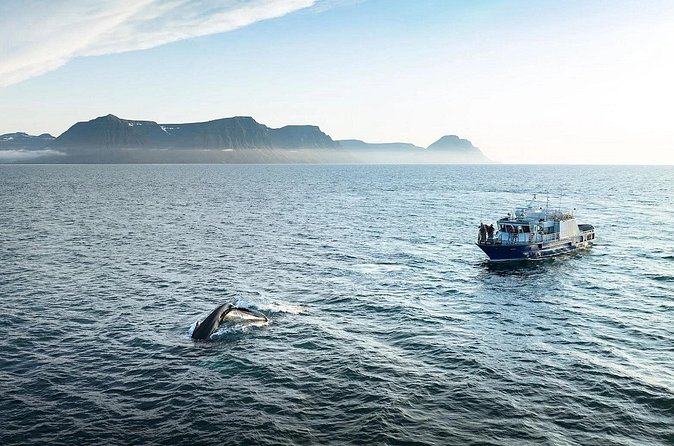
Third, the crew approach seems built for quality sightings. Multiple reports describe whales coming close while the captain and guides keep a respectful distance—aiming for the whales to approach rather than treating them like a target. That’s the kind of practice that often leads to better viewing even if you’re not guaranteed a specific moment.
Finally, the average booking lead time (about 65 days) tells you it’s not an obscure tour. Popularity usually correlates with consistent operations and a solid experience—though it can’t guarantee your exact day.
The main value risk is the normal one with wildlife: sightings aren’t guaranteed. If your travel style hates uncertainty, you might want to schedule this on a day with other flexible options nearby.
Weather, cancellations, and the one-boat fear
This tour requires good weather. If conditions are poor, it’s canceled and you’re offered either a different date or a full refund. There’s also a minimum traveler requirement, so sometimes an underbooked day means a switch or refund.
One extra piece of reassurance comes from the operator response to a cancellation situation. While one guest experienced a mechanical cancellation, the company clarified that they run four vessels and that they won’t go out unless both engines are fully operational on the vessel assigned for safety. They also said that on most days they can rearrange across the fleet, but there can be limited flexibility on especially busy days.
So what should you do with that information? Choose your whale-watching day with a bit of cushion in your schedule. If you’re on a tight itinerary, make sure you have some flexibility at the port or in your plans in Ísafjörður.
Who this whale watching tour is best for
This is a strong pick if you:
- Want a short, focused whale outing from Ísafjörður
- Like having a guide talk through what you’re seeing
- Plan to dress for cold wind and possible spray
- Prefer a crew that focuses on whales behaving naturally, not on chasing them
It’s also a good option if you like a smaller group feel, since the cap is 48 travelers.
It may not be ideal if you:
- Hate boats and get motion sick easily (prepare or skip)
- Want guaranteed sightings in every scenario (wildlife varies)
- Are uncomfortable standing on deck in cold wind, even with blankets
Most travelers can participate, and service animals are allowed. The meeting point is near public transportation, which can help if you’re coming from the cruise area or local hotels.
Should you book Westfjords Whale Watching with Sjóferðir?
If you’re in the Westfjords and you want the most direct shot at humpback whales from Ísafjörður, I’d book this—especially if you care about learning as you watch. The combination of experienced crew-style whale searching, deck time for real viewing, and the thoughtful cold-weather comfort (blankets, restroom, and air-conditioned vehicle support) makes it feel like a serious outing, not a tourist shuffle.
Book it on a day with decent weather odds and a little schedule slack. Dress like you mean it—warm and waterproof—and plan for a boat ride that can get choppy. If you do those things, you’re set up for exactly what this tour is aiming for: whale sightings that feel close, natural, and unforgettable.
FAQ
How long is the whale watching tour?
The tour is about 3 hours.
Where does the tour start?
You meet at SjóferðirÁsgeirsgata, 400 Ísafjörður, Iceland, and the activity ends back at the meeting point.
Is the tour offered in English?
Yes. The tour is offered in English.
Do I get a mobile ticket?
Yes. The tour uses a mobile ticket, and you receive confirmation at the time of booking.
Are humpback whales guaranteed?
No wildlife sighting is guaranteed. The tour notes a 100% chance of seeing humpback whales in 2023, but your results can still vary.
What happens if the weather is poor?
This experience requires good weather. If it’s canceled due to poor weather, you’ll be offered a different date or a full refund.
Is there a restroom on board?
Yes, there is a restroom on board.
What’s the group size limit?
There’s a maximum of 48 travelers.
Can I cancel for free?
Yes. Free cancellation is available if you cancel up to 24 hours in advance for a full refund. If you cancel less than 24 hours before the experience’s start time, the amount paid is not refunded.