REVIEW · SITKA
Sitka Whale Watch and Sea Otter Quest
Book on Viator →Operated by True Alaskan Tours · Bookable on Viator
There is nothing like scanning Sitka waters. This 2-hour Sitka whale watch and Sea Otter Quest blends time on land with time on the water, so you get context before you start looking for whales and sea otters. I like the fun, capable crew and how they keep the focus on spotting and photographing wildlife. I also like the boat setup, with covered seats plus an easy way to move to the bow for closer looks. One real consideration: whales can be hit-or-miss on any day, so bring patience and keep your eyes open for other animals too.
You’ll meet at 330 Harbor Dr in Sitka and head out from Crescent Harbor. The tour ends right back at the meeting point, which makes it feel simple even when you’re on a cruise schedule. Expect a maximum group size of 49 and an English-speaking guide.
In This Review
- Key Things to Know Before You Go
- Crescent Harbor Departure: Your Head-Start on Sitka Wildlife Time
- The Land Stops: Dormant Volcano Views and the Sitka Visitor Center
- Whale Watching Reality Check: When Whales Don’t Play Along
- Sea Otter Quest: Spotting an Elusive Neighbor
- Boat Comfort and Photo Wins with a Crew That Keeps You Moving
- Price and Value: What $159 Buys in Two Hours
- Timing, Weather, and What to Wear in Sitka
- Who This Tour Fits Best
- Should You Book This Sitka Whale Watch and Sea Otter Quest?
- FAQ
- Where does the tour start and end?
- How long is the Sitka Whale Watch and Sea Otter Quest?
- How much does it cost?
- What’s the group size limit?
- What language is the tour offered in?
- Is a mobile ticket used?
- Are service animals allowed?
- Is the tour weather dependent?
- What is the cancellation window?
- Does the itinerary include land stops?
Key Things to Know Before You Go
- Small-group feel with a maximum of 49 people
- Covered seating on the boat, plus access to the bow for better views
- A two-part itinerary: land stops first, then wildlife time on the water
- Designed around spotting: whales may not cooperate, but you still get plenty of action
- Crescent Harbor timing includes a short stop (about 15 minutes) at the departure area
- Weather-dependent schedule in Southeast Alaska
Crescent Harbor Departure: Your Head-Start on Sitka Wildlife Time
Most whale-watch tours feel like one big rush: drive to the dock, pile on, and hope for the best. This one starts by getting you organized at Crescent Harbor—the spot you’ll depart from—so you can settle in before you’re actively searching. The tour runs about 2 hours total, which is a good length for wildlife viewing without turning your day into a long slog.
Crescent Harbor is also where you’ll benefit from the practical stuff: you’re close to the water from the start, and you’re not burning time on long transfers. The experience ends back at the same meeting point, so there’s less guesswork about where you’ll be when it’s done.
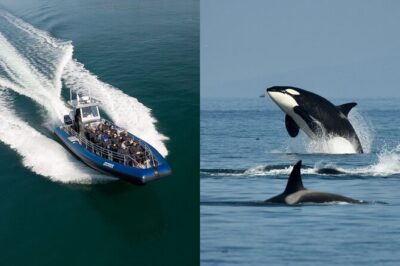
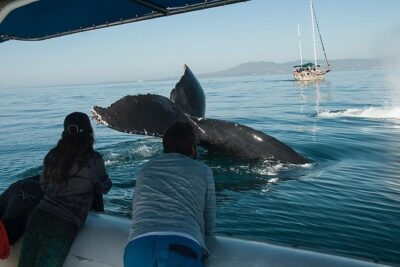
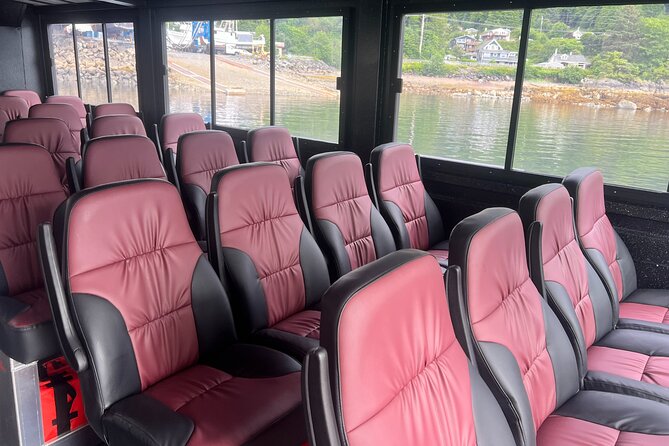
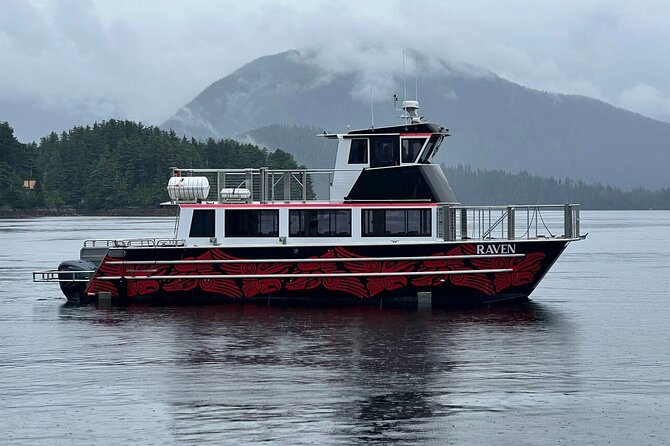
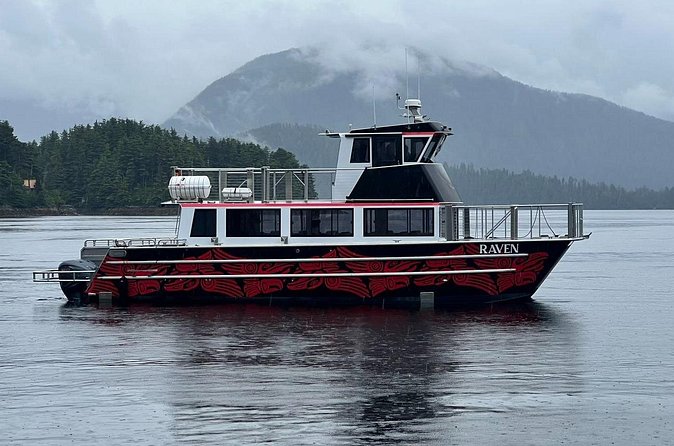
On the boat side, the big win is comfort. In the experience I looked at, the boat had covered seats, which matters fast in Southeast Alaska. Even when the day looks fine on land, wind can cut your face once you’re moving. What I like is that you’re not stuck seated under cover the whole time. You can still head to the bow when you need a closer, clearer angle—great for pictures and for spotting a surfacing before it slips away.
Group size matters, too. With a maximum of 49 people, you’ll still feel like you’re part of a real group, not a floating crowd. That usually helps the crew manage movement and spotting, especially when animals pop up unexpectedly.
You can also read our reviews of more tours and experiences in Sitka.
The Land Stops: Dormant Volcano Views and the Sitka Visitor Center
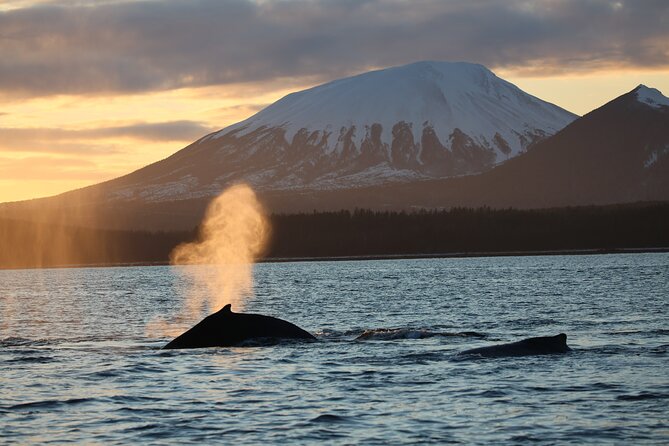
Before you chase wildlife, you get a little context on shore. The itinerary includes a stop at a dormant volcano in Southeast Alaska and then the Visitor Center of Sitka. If you like understanding what you’re looking at—water, cliffs, islands, and the big shape of the region—these stops give you a mental map.
Here’s why I think this land time is worth it for a whale watch. Wildlife viewing is a lot of waiting and scanning. When you have a quick sense of how the coastline and terrain work, you tend to notice more: where animals might travel, how the shoreline channels movement, and why certain areas feel more likely for sightings.
The Visitor Center stop is also useful in a less dramatic way. Even short visits help you pick up basics on local wildlife behavior and the overall setting. That kind of background doesn’t guarantee whales, but it makes your scanning more productive. You go in knowing what you’re looking for, instead of just staring at the water hoping for a miracle.
I do want to flag one consideration: land stops add time on your feet and in weather that can change quickly. You’ll want layers and a hat you can keep hold of. If you’re someone who dislikes any walking at all, plan for short movement between areas.
Whale Watching Reality Check: When Whales Don’t Play Along
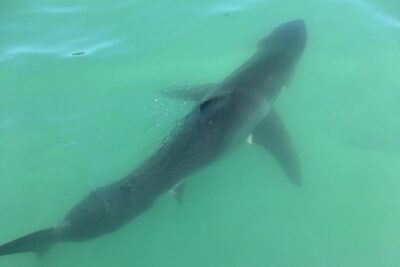
Let’s be honest. Whale watching is not a vending machine. Even with great guides and good conditions, whales may decide to stay down. The good news is that this tour helps you handle that reality.
In the experience I reviewed, the whales weren’t extremely cooperative on the day, yet the outing stayed satisfying. The crew still delivered plenty of wildlife time, and you’d still be looking for action beyond one species. That matters because it shifts your mindset from I must see whales to I will stay engaged during the search.
So what should you do while you’re scanning? Keep your eyes on more than one zone—front to mid distance and the area closer to the boat when there’s movement. When surfacing happens, it often looks brief. If everyone is only staring in one direction, you miss the next moment. A smart approach is to let the guide’s spotting directions guide you, but still keep a quick sweep going every so often.
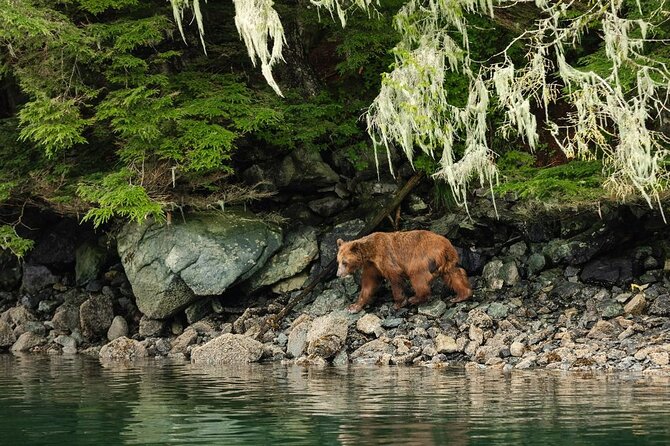
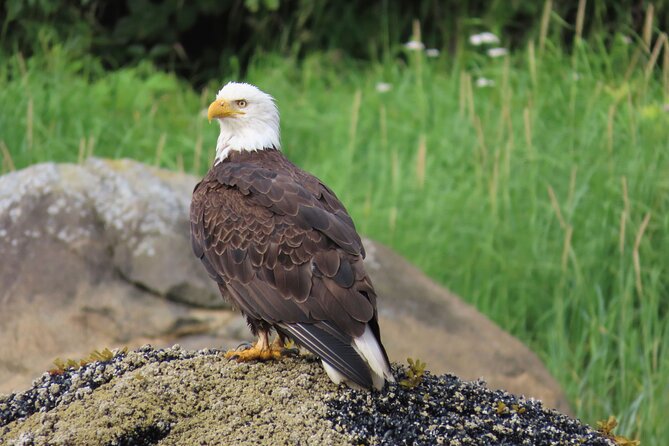
You’ll also want to embrace the “other animals” factor. The day I looked at still included enough wildlife to keep people happy, even when whales were slower. That’s a strong sign that you’re not buying a tour that collapses if one sighting doesn’t happen.
Sea Otter Quest: Spotting an Elusive Neighbor
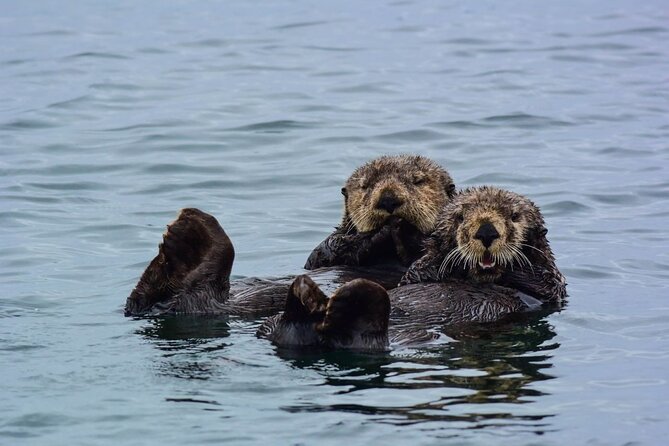
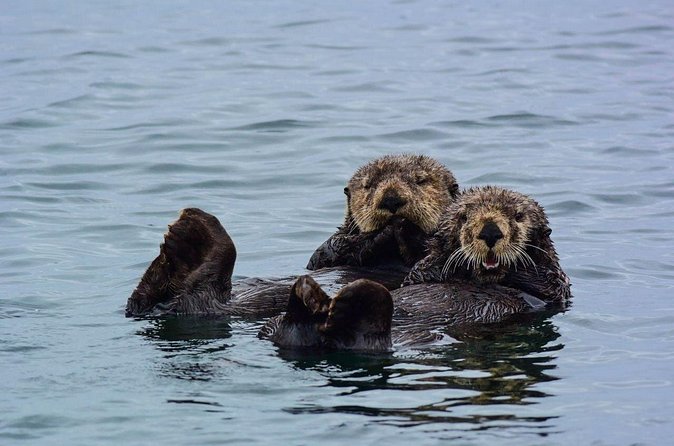
The name of this tour tells you it’s not only about whales. It’s also a Sea Otter Quest, which means your time out on the water includes deliberate searching for sea otters alongside other wildlife.
Here’s the practical part: sea otters can be easier to miss than you’d think, especially when you’re busy chasing the bigger headlines. They’re smaller, and their activity can be quick—resting, floating, or popping up near where food is. The best way to catch them is to stay patient and watch for small changes: movement on the surface, heads breaking the water, or a cluster of attention from the crew.
If you’re the kind of person who likes “find the signs” wildlife watching—where you enjoy the hunt as much as the final sighting—this Sea Otter focus will suit you. If you only want one kind of animal, you may feel a bit stretched, but that same multi-target approach is what keeps this tour lively when conditions vary.
Tip: since the tour has a covered seating area, you can get warm while still watching. When you spot a cue, move where you can get the cleanest view. In the experience I reviewed, access to the bow helped for closer looks, which you can use when the crew shifts attention.
Boat Comfort and Photo Wins with a Crew That Keeps You Moving
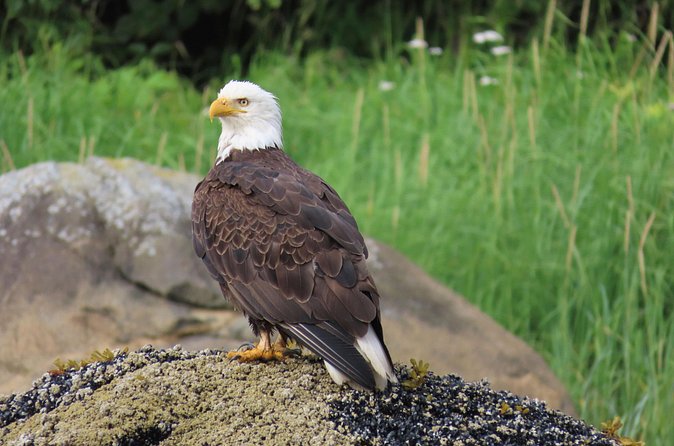
I’m a big fan of tours where the crew actually works. In this case, the crew was described as fun and a lot of action-focused, with a boat captain and guide who helped make the time feel easy. That shows up in two ways.
First, you get better spotting. When a guide actively scans and communicates, you see more because you’re responding fast to movement and surfacing. Second, you get better photos because the crew helps you understand when to switch from scanning to shooting. In the experience I reviewed, people came away with great pictures, which usually means the sighting moments lined up with good viewing angles.
The boat setup is part of the photo equation. Covered seats reduce cold stress, which keeps you ready to move when the moment happens. The ability to go out toward the bow for closer viewing gives you options without making you feel like you’re wrestling gear in the wind the whole time.
One more thing I liked about the overall feel: you’re not on one of those ultra-tiny inflatable setups that can get cold quickly. The day I reviewed mentioned seeing other tours on small inflatable boats, and the difference mattered in May. This tour’s boat with covered seating was more comfortable, and that comfort makes the whole spotting process more enjoyable.
Price and Value: What $159 Buys in Two Hours
At $159 per person for about 2 hours, this is not a budget activity. But in Sitka, value comes down to effort per minute: how much time you spend actually looking at wildlife versus getting shuffled around.
This tour earns its money in a few ways:
- It’s short and focused, so you’re not spending half the trip parked on land.
- It includes shore context through the dormant volcano stop and the Sitka Visitor Center stop, which improves your understanding during the water portion.
- You get a comfortable boat setup with covered seating and the chance to move for better angles.
Could the whales be less cooperative? Yes. That’s nature. But the outing still has a plan that doesn’t fall apart if one sighting is limited. Your money buys time, guidance, and a reasonable shot at multiple species—whales and sea otters, plus other wildlife you might spot along the way.
Also, if you’re traveling during peak season or on a cruise schedule, the booking window is a clue to demand. On average, this sort of outing is booked about 151 days ahead, which suggests you should lock in early if your dates are set.
Timing, Weather, and What to Wear in Sitka
Southeast Alaska weather can change fast, and this experience requires good weather. If it’s canceled due to poor weather, you’ll be offered a different date or a full refund. That’s important because whale watching is tied to real-world conditions, not just the calendar.
When the forecast looks borderline, pack like you mean it:
- Layers you can add or remove
- A wind-resistant outer layer
- Gloves or something warm enough for the open-air moments at the bow
- A hat that won’t become a surprise souvenir in the wind
In the experience I reviewed, a May comparison came up: small inflatable boats can feel cold fast. This tour’s covered seating helps, but you’re still on moving water in the North Pacific. Dress for cool wind, not just for sunshine.
Who This Tour Fits Best
This is a strong match if you want:
- Wildlife spotting that’s guided and actively managed
- A short, structured outing (about 2 hours) that fits into a busy day
- A mix of learning and seeing, with the dormant volcano stop and Sitka Visitor Center visit before the water time
- A comfortable boat that’s not all-in open air
It’s also a good choice if you travel with the reality that whales might not be perfect every day. You’ll still have enough to watch and enough time to enjoy the hunt for sea otters and other animals.
Should You Book This Sitka Whale Watch and Sea Otter Quest?
I’d book it if your goal is a well-run Sitka wildlife outing with comfort and real-time spotting help. The combination of land stops for context plus a boat experience with covered seating makes it feel like more than just a quick dash to the ocean. The price isn’t low, but it’s fair for a guided, weather-dependent wildlife hunt that still stays engaging even when whales take their time.
Skip it only if you need guaranteed whale sightings. No whale watch can promise that, and the day-to-day nature of animal behavior is part of the deal. If you can handle that reality, this tour gives you a solid shot at whales, sea otters, and a fun crew-led experience that makes the time on the water count.
FAQ
Where does the tour start and end?
The tour starts at 330 Harbor Dr, Sitka, AK 99835, USA. It ends back at the meeting point.
How long is the Sitka Whale Watch and Sea Otter Quest?
The duration is approximately 2 hours.
How much does it cost?
It costs $159.00 per person.
What’s the group size limit?
The tour has a maximum of 49 travelers.
What language is the tour offered in?
The tour is offered in English.
Is a mobile ticket used?
Yes, the tour uses a mobile ticket.
Are service animals allowed?
Yes, service animals are allowed.
Is the tour weather dependent?
Yes. The experience requires good weather, and if it’s canceled due to poor weather you’ll be offered a different date or a full refund.
What is the cancellation window?
You can cancel for free up to 24 hours in advance for a full refund. Changes within 24 hours of the start time aren’t accepted.
Does the itinerary include land stops?
Yes. It includes a stop at a dormant volcano in Southeast Alaska and the Visitor Center of Sitka before heading out from Crescent Harbor.