REVIEW · ST JOHNS
2 Hour Award-Winning Whale and Seabird Boat Tour from St. John’s
Book on Viator →Operated by Iceberg Quest Ocean Tours · Bookable on Viator
Atlantic wildlife makes a strong opening act. On this 2-hour St. John’s whale and seabird boat tour, you get a captain-led ride that mixes big ocean scenery with local history, from Signal Hill all the way to Cape Spear, North America’s most easterly land point you can reach by water.
What I like most is that you stay warm in the heated cabin while still feeling like you’re out on the Atlantic. I also love the way the crew turns the trip into more than spotting wildlife—you get real context for the harbour, the coast, and the port that mattered to this place long before most visitors arrive.
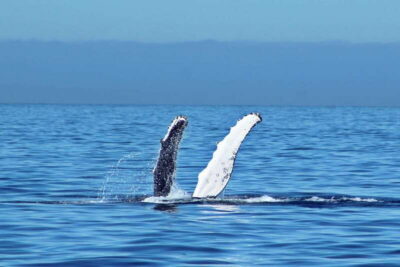
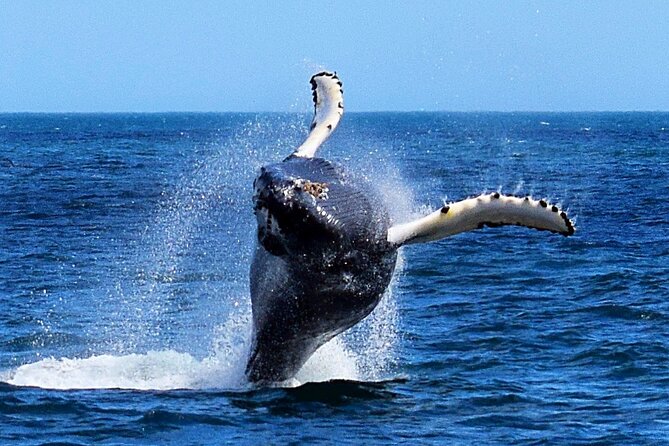
One thing to keep in mind: icebergs and whales are not guaranteed, and the best wildlife timing depends on the season. Even so, the day on the water can still be a win if you’re after seabirds, coastal scenery, and a friendly crew.
In This Review
- Key things you’ll notice on this St. John’s whale and seabird tour
- Start at Iceberg Quest Ocean Tours and get your bearings fast
- Why this tour feels worth the price (even when wildlife timing is off)
- St. John’s harbour from the water: skyline views plus The Narrows
- Signal Hill and Cabot Tower: first wireless communication, seen from sea-level
- Fort Amherst Lighthouse and the port story: why St. John’s mattered early
- Blackhead Sea Caves: seabird energy at cliff-and-cave level
- Cape Spear National Historic Site: the most easterly views you can get by boat
- Heated cabin comfort: how to enjoy the Atlantic without turning it into suffering
- The crew makes the ride: stories, spotting cues, and friendly energy
- What to pack for this 2-hour Atlantic ride
- Price value check: what you’re paying for at $112.65
- Who should book—and who might want a different style of tour
- Should you book this whale and seabird cruise from St. John’s?
- FAQ
- What’s the duration of the tour?
- How much does the tour cost?
- Is it offered in English?
- Can I expect to see whales or icebergs?
- Does the tour run in bad weather?
- Where do I meet the tour?
- Is the boat tour suitable for most people, and are service animals allowed?
Key things you’ll notice on this St. John’s whale and seabird tour
- Heated cabin comfort so wind and spray don’t crush your plans
- Captain narration that links wildlife sighting to Newfoundland history
- Route highlights like Cabot Tower, Fort Amherst Lighthouse, and the Blackhead Sea Caves
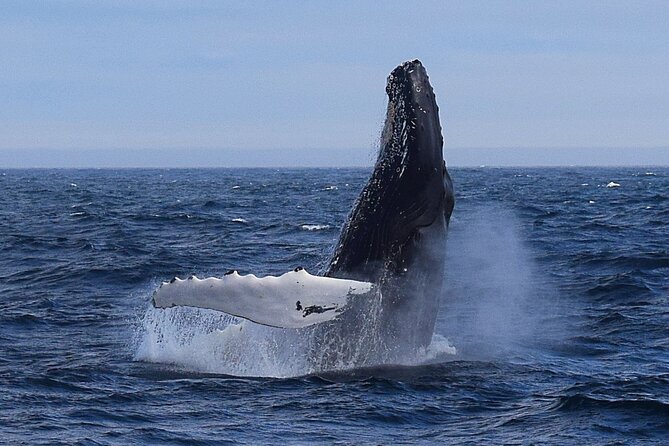
- Seabird focus with chances for kittiwakes, puffins, and bald eagles
- Crew-led fun, including a St. John’s rum screeching ceremony on select moments during the cruise
Start at Iceberg Quest Ocean Tours and get your bearings fast
This tour departs from Iceberg Quest Ocean Tours, 135 Harbour Dr, Pier 6, right in the St. John’s waterfront zone. That matters because you’re not spending time hopping around town—you roll straight into the harbour views and start moving along the coast while the day is still fresh.
The ride itself is about 2 hours, and the operator caps the group at up to 100 travelers. That’s large enough to keep it social, but not so huge that it turns into a moving crowd with no attention from the crew.
One practical plus: it runs rain or shine, and there’s a heated cabin onboard. So even if the Atlantic tries to throw cold air at you, you’re not stuck shivering on deck for the whole cruise.
You can also read our reviews of more tours and experiences in St Johns.
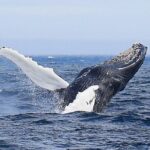
Why this tour feels worth the price (even when wildlife timing is off)
At $112.65 per person, this isn’t a budget activity. So you want to feel the value—fast.
Here’s what earns it:
- You get a full coastal route that hits multiple major St. John’s landmarks, not just a short loop.
- You get guided storytelling as you go, including the meaning of key sites like Signal Hill and Cabot Tower.
- You get real chances at wildlife you can’t see from shore, especially seabirds clustered near caves and cliff areas.
And if whales aren’t in the picture that day? You can still have a satisfying outing. Some days bring stunning marine life other than whales—like big ocean sunfish—and the crew keeps the commentary moving so you’re not just waiting for a single moment.
St. John’s harbour from the water: skyline views plus The Narrows
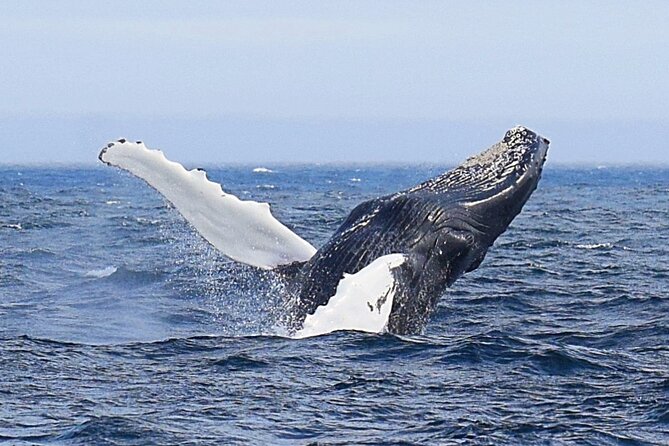
The cruise begins with a proper harbour intro. You’ll view St. John’s harbour and skyline from the water with what the operator calls whale-eye views—meaning your angle is set low, close, and dramatic.
As you head toward the entrance of St. John’s harbour and The Narrows, you’re looking at:
- historic harbour buildings from a distance that makes them feel taller and older
- colorful waterfront housing patterns that are hard to appreciate from sidewalks
- passing ships going about their business, which makes the whole port feel alive
This part is about orientation. If it’s your first day in St. John’s, this cruise helps you understand where things are. You’ll also catch the Outer Battery area, which gives you that classic St. John’s visual identity in one sweep.
Signal Hill and Cabot Tower: first wireless communication, seen from sea-level
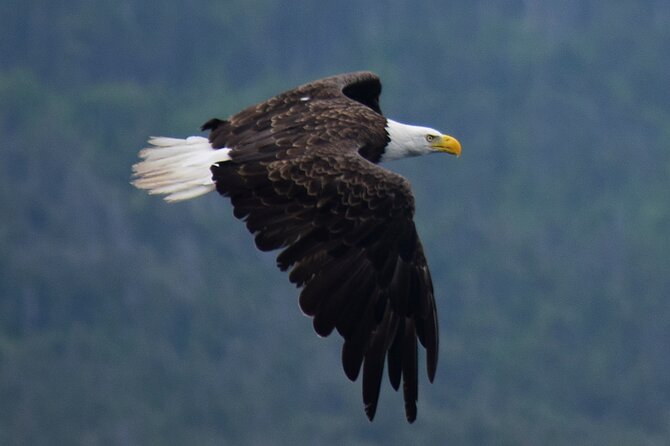
Next comes a major St. John’s landmark combo: Signal Hill and Cabot Tower.
What makes this section special is that you’re not looking at the tower from a tourist lookout. You’re watching it from the water, with the coastline and nearby hiking trails in view. It’s an easier way to connect the walking routes you might do later with the geology and cliff edges you’re seeing now.
Cabot Tower is tied to the site’s role in first wireless transatlantic communication, and the narration helps you place that in context. You’re essentially getting a “why this matters” moment while the coast keeps sliding past.
Fort Amherst Lighthouse and the port story: why St. John’s mattered early
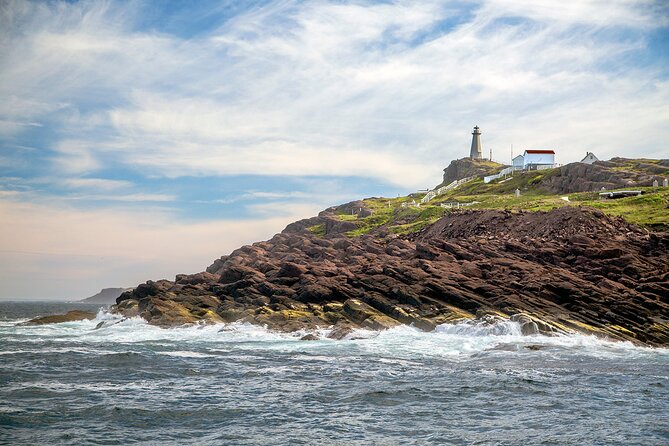
Then you pass historic landmarks such as Fort Amherst Lighthouse. This is where the crew’s storytelling earns its keep.
You’ll hear about the significance of the St. John’s port since the early 1500s, which you can’t fully grasp from a single museum stop. From the water, the harbour feels like a working gateway, not just a pretty view.
Even if you don’t consider yourself a history person, this stop works because the tour connects facts to geography. You see where ships moved, and you understand why lighthouses and forts were part of the survival kit for ocean travel.
Blackhead Sea Caves: seabird energy at cliff-and-cave level

Now for the wildlife-and-scenery stretch: you’ll sail past the Blackhead Sea Caves.
This is the kind of spot you can appreciate from shore only so much. From the boat, you get a front-row feel for:
- cave formations and rugged edges
- bird concentration zones
- the way seabirds use specific coastal features as feeding and resting points
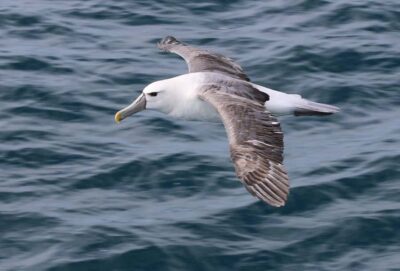
The tour’s watch list includes a kittiwake colony, and you may also spot bald eagles, northern gannets, puffins, and other seabirds that frequent the area. The best days can feel like the seabirds are staging a performance—suddenly there’s movement and the sky fills.
A practical note: wildlife is always seasonal and weather-dependent. If puffins or whales aren’t active that day, this section still often delivers because seabirds tend to show up even when the biggest mammals are quiet.
Cape Spear National Historic Site: the most easterly views you can get by boat
The highlight stretch is Cape Spear National Historic Site, the most easterly point in North America you can see from the water.
You’re on the Atlantic Ocean looking at rugged, emerging coastline made of ancient volcanic and metamorphic rock—and you can see why this spot was built for direction and safety. At the top of the cliffs sit Cape Spear Lighthouse and Battery, high above the sea at 213 feet and guiding ships for over a century.
This is the moment where the cruise shifts from “look around” to “take it in.” The coastline feels raw and exposed, and the view angle from the sea adds scale. You also get a real sense of how far east this place sits—something that doesn’t fully land until you’re actually looking outward into the Atlantic.
Heated cabin comfort: how to enjoy the Atlantic without turning it into suffering
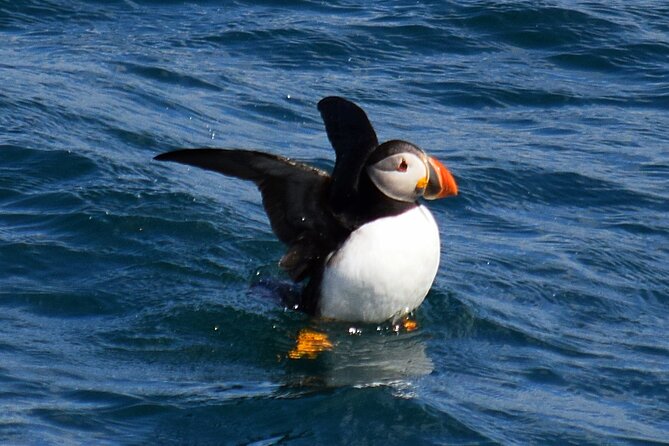
This tour is built for people who want the ocean experience without the full winter-test vibe. The operator notes the cruise runs rain or shine, and a heated cabin is available.
In practice, that means you can:
- move between open-deck views and warm seating
- keep your attention on the captain’s spotting cues
- enjoy longer stretches of scenery without losing feeling in your hands
Some passengers also noted how smoothly the crew handled boarding and assistance when someone had walking difficulty. That tells me the crew is set up to run the boat efficiently, not just for their own comfort.
And yes, the boat experience can include moments of chop. Even so, the general tone from the crew seems to be safety-first, plus steady narration so you’re not tense.
The crew makes the ride: stories, spotting cues, and friendly energy
The biggest consistent praise centers on the people running the tour. Guides like Glen, Barry, Tyler, Lucas, and Roy show up repeatedly in passenger stories, and you can feel the pattern: the crew keeps things fun, safe, and informative without turning it into a lecture.
You’ll also hear about the environment, history, local coastline activities during wartime, and how ships interact with this harbour area.
A standout element that shows up during some cruises is the screeched in rum ceremony. Depending on the moment and what’s going on onboard, you may get pulled into the group ritual. People described it as a lot of fun, and it’s a very St. John’s-style souvenir moment—something more memorable than a photo from a gift shop.
Also, there can be small onboard touches like snacks and drinks, and even an Ugly Stick mentioned by passengers. These extras aren’t the reason to book, but they help the 2-hour format feel complete.
What to pack for this 2-hour Atlantic ride
With a heated cabin onboard, you still want to dress smart because ocean wind doesn’t care about your itinerary.
Bring:
- a warm layer even if the day starts mild
- waterproof outerwear if rain is in the forecast
- gloves or something you can grip with if it’s chilly
- shoes with solid traction for deck transitions
If you’re the kind of traveler who gets cold easily, treat this like a “wear layers, not just a top” situation. The boat moves, spray happens, and the best views often mean stepping out for a moment.
Price value check: what you’re paying for at $112.65
Let’s translate the price into real deliverables.
For a bit over two hours, $112.65 buys you:
- a guided coastal loop that hits major St. John’s and east-coast landmarks
- wildlife viewing chances you can’t duplicate from land
- the comfort setup of a heated cabin in changing weather
- crew-led storytelling that ties the whole route together
You’re also paying for risk management and operating capability. This is not a calm pond tour—it’s open ocean exposure, plus the need to run safely in wind and waves.
So if you’re coming to Newfoundland and you want at least one “sea day” that shows why the coast is the star, this makes sense. If you’re only after whales at any cost, temper expectations. Whales and icebergs are not guaranteed, and season matters.
Who should book—and who might want a different style of tour
This cruise fits best if you:
- want a first-time introduction to St. John’s coastline and port history
- enjoy wildlife watching but can handle “not every day is a whale day”
- like guided narration and want your time on the water to feel structured
- travel with a group and want a social, upbeat vibe
You might think twice if:
- you’re traveling with very limited mobility and can’t manage movement between cabin and deck (the crew can help, but the boat environment still has physical realities)
- your whole trip plan hinges on seeing whales, since sightings aren’t guaranteed and timing matters
Should you book this whale and seabird cruise from St. John’s?
If you’re deciding whether this is your St. John’s “must-do,” I’d book it if you want the coast from the water plus a story-driven guide who keeps the ride active. The heated cabin and the crew’s mix of humour, history, and wildlife spotting cues make it an easy sell—even when whales don’t show.
If your calendar aligns with the season for whales and icebergs, you could land the kind of moment people rave about: whales with calves, or other impressive marine life. If not, you’ll still get a strong St. John’s route that ends with Cape Spear’s dramatic easterly views and seabirds that keep the sky interesting.
Go when you can dress for Atlantic conditions, and treat wildlife as luck plus effort—not a guarantee. That mindset is what makes this kind of trip feel like money well spent.
FAQ
What’s the duration of the tour?
The boat tour lasts about 2 hours.
How much does the tour cost?
The price is $112.65 per person.
Is it offered in English?
Yes, the tour is offered in English.
Can I expect to see whales or icebergs?
Iceberg and whale sightings are not guaranteed, and the season affects what you see.
Does the tour run in bad weather?
The tour operates rain or shine and has a heated cabin available. It does require good weather, and if it’s canceled due to poor weather you’ll be offered a different date or a full refund.
Where do I meet the tour?
You meet at Iceberg Quest Ocean Tours, 135 Harbour Dr, Pier 6, St. John’s, NL A1C 6N6, Canada, and the tour ends back at the meeting point.
Is the boat tour suitable for most people, and are service animals allowed?
Most travelers can participate, and service animals are allowed.