REVIEW · LORETO
Whale Watching Adventure in Loretos Sea of Cortez
Book on Viator →Operated by Aventuras Tours · Bookable on Viator
Whales make the morning feel different. This Loreto ocean safari heads into Bahía de Loreto National Park, framed by the Sierra de la Giganta and the area’s five islands, so you get real ocean-scape plus real wildlife searching. I especially like the tour’s approach of staying calm and waiting for whale signs instead of sprinting after them, and I also look forward to the ceviche lunch with beer that shows up during the day.
One thing to plan for: your time on the water can run longer than the 5-hour estimate if whales are out at a distance or conditions slow things down. Even with a steady morning start, you may still be out well past the early afternoon window.
In This Review
- Key Points You’ll Care About
- Morning Start at the Malecon: Getting Ready for Whale Day
- Where You Go: Bahía de Loreto National Park and the Sierra de la Giganta Setting
- Spotting Whales the Low-Stress Way (Waiting Beats Chasing)
- Stop in Loreto: What the Day Feels Like on the Water
- Small Group Size: The Difference Between Crowds and Control
- Food on a Sea Day: Ceviche, Beer, and Why It Helps
- Price and Value: What $185.52 Really Buys You
- Weather, Timing, and What to Do With Your Expectations
- How to Plan Your Day Around This Tour
- Who Should Book This Whale Watching Adventure?
- Should You Book This Whale Watching Adventure in Loreto?
- FAQ
- FAQ
- How long is the whale watching tour in Loreto?
- Where do I meet for the tour?
- What wildlife can I expect to see?
- Is the tour in English?
- What’s the group size like?
- Do I need to buy anything extra for the national park?
- What happens if the weather is bad?
- Is food included?
Key Points You’ll Care About
- Patient whale-spotting style: they look for signs like blow patterns and then wait for better chances instead of chasing
- Small group feel (max 16 people): more attention, less chaos, and easier boat maneuvering for spotting
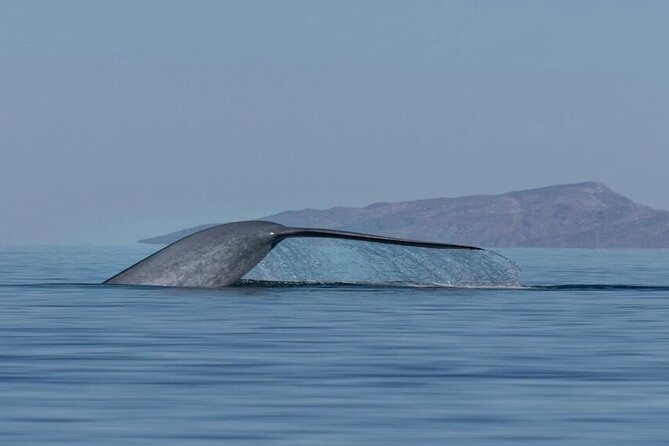
- Bahía de Loreto National Park setting: mountains at your back, islands ahead, and prime habitat for large whales
- A captain who talks: you’ll likely get clear explanations of what you’re seeing and why
- Food breaks up the day: ceviche and beer help make a long ocean morning feel like a true outing
Morning Start at the Malecon: Getting Ready for Whale Day
Most whale tours fall into two types: quick “spot-and-zoom” affairs or slower, more thoughtful searching. This one leans toward the second style. You meet at 8:00 am at the Malecon, Baja California Peninsula, 23880 Loreto, B.C.S., Mexico, and you’re headed out from there back to the same spot when you’re done.
I like early starts in Loreto because the bay and open water tend to feel more workable while everyone’s fresh. The crew is used to running these trips in changing conditions, and the day’s rhythm is built around observation—watch, read the water, then reposition when it makes sense. If you’re the kind of traveler who enjoys the process (not just the final photo), this fits.
Also, this is listed as English-offered, and you should be able to follow along with what the captain is doing and why. That matters on whale days because you’ll get more out of a sighting when you understand how the crew decided where to look next.
You can also read our reviews of more tours and experiences in Loreto.
Where You Go: Bahía de Loreto National Park and the Sierra de la Giganta Setting
The big draw here is the setting. You’re out in Bahía de Loreto National Park, with views and conditions shaped by the Sierra de la Giganta mountain range and the area’s five islands. Even if whales weren’t on your bingo card, that geography alone makes the water time feel special: island-to-island stretches, changing light, and a sense that you’re actually in the animals’ neighborhood.
This matters for whale watching because blue whales and humpbacks don’t show up on a schedule. They move, feed, and surface in patterns. When you’re traveling through a protected park area with known habitat, the odds are better and the crew can focus on reading the ocean instead of guessing your way around.
One practical detail: you may be asked to buy National Park bracelets before you head out. One rider reported paying $17 US for the bracelets. It’s not something you should panic about, but it’s smart to expect a small extra cost on the day.
Spotting Whales the Low-Stress Way (Waiting Beats Chasing)
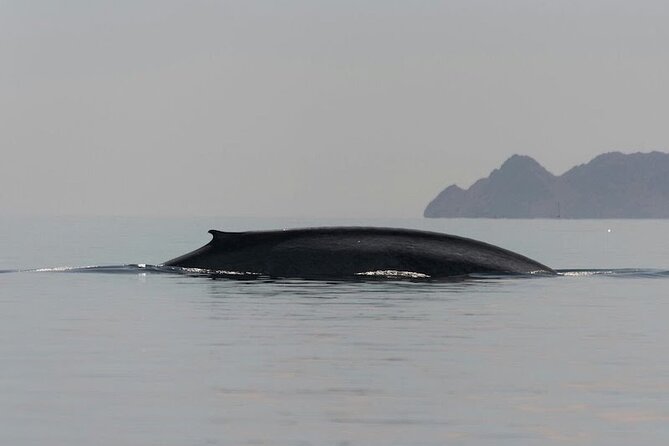
Here’s the part I’d call out as the tour’s secret sauce: the captain’s philosophy is to sit and wait for the whales rather than chase them around the water.
Why does that matter to you? Because whale behavior changes with pressure. If a boat rushes around, it can disrupt how whales surface and where they choose to stay. By contrast, when you’re patient—watching for blow signs and then adjusting your position gradually—you often get clearer sightings and a less tense experience for the animals. It also helps you as a spectator: if you’re steady and in the right viewing area, you spend more time actually watching, not constantly relocating.
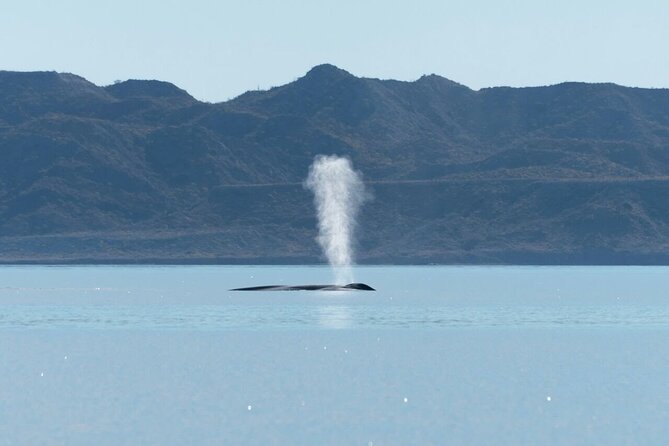
The crew approach is built on cues. You can expect them to watch for things like the blow (the visible spout of spray), then look for patterns in the whale’s behavior and surfacing timing. One guest noted that the team looks for the signs and then calculates where they’ll have a better view. That’s classic fieldwork: don’t just react—interpret.
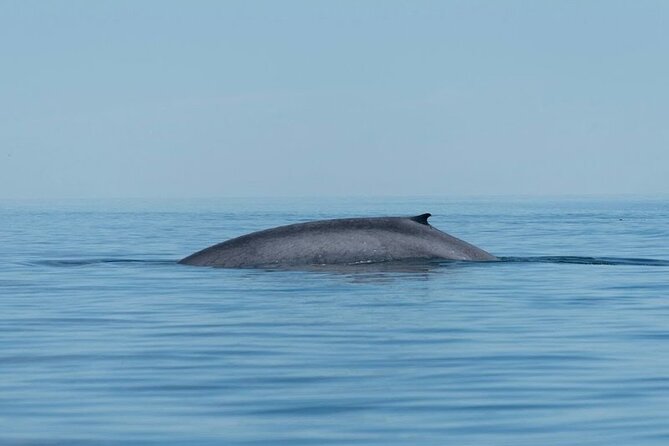
And yes, you’re not only hunting for one species. On past outings in this area, guests have seen blue whales and humpbacks, plus dolphins and other marine mammals. That doesn’t mean you’ll see everything every time, but it does suggest the crew knows how to find multiple kinds of wildlife without turning the day into frantic driving.
Stop in Loreto: What the Day Feels Like on the Water
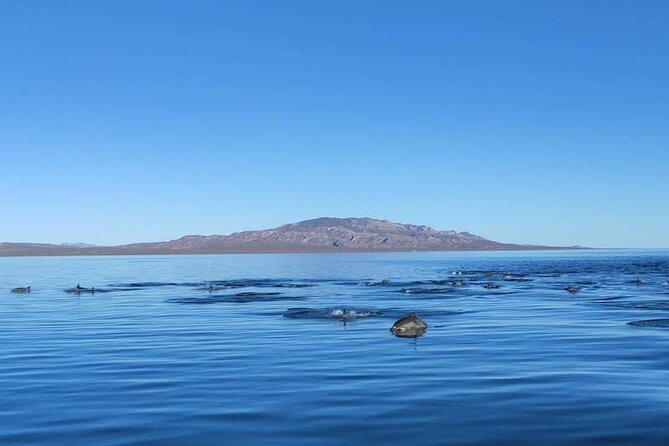
The experience keeps things simple: you’re essentially in “one stop mode,” centered on wildlife searching out of Loreto. The day’s flow is built around the ocean safari itself, not lots of switches and transfers. That’s a good thing. Whale watching works best when your energy stays focused.
Plan on being out on the water with periods of scanning and waiting. That’s where good guides earn their pay. A captain who knows how to explain what you’re seeing can transform your day from a waiting game into a learning game.
One of the highlights from the experience is that the captain—Fernando, in at least one reported outing—was described as fun and interesting. That sort of captain personality matters because you’re with the crew for hours. When the captain shares what they’re thinking, it helps you spot more than you would on your own. It also makes the slow parts feel purposeful instead of boring.
Small Group Size: The Difference Between Crowds and Control
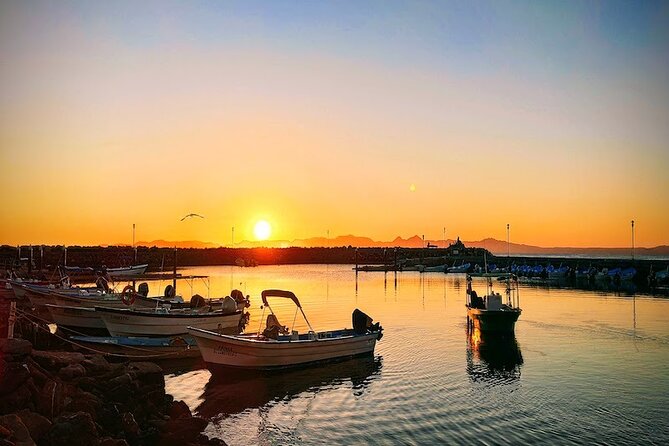
This tour runs with a maximum of 16 travelers. That number isn’t just a statistic. Smaller groups tend to mean fewer people competing for eye lines, less jostling when you change positions, and more manageable boat operations when the captain is trying to hold a respectful distance.
You also get a better chance of staying oriented. On whale days, knowing which direction the crew moved and why is half the fun. With a smaller group, you’re more likely to stay in the “spotting zone” and less likely to lose the action when someone stands up at the wrong moment.
If you dislike big group tours where everything feels rushed and impersonal, this one’s structure should feel more like a guided outing than a cattle-call.
Food on a Sea Day: Ceviche, Beer, and Why It Helps
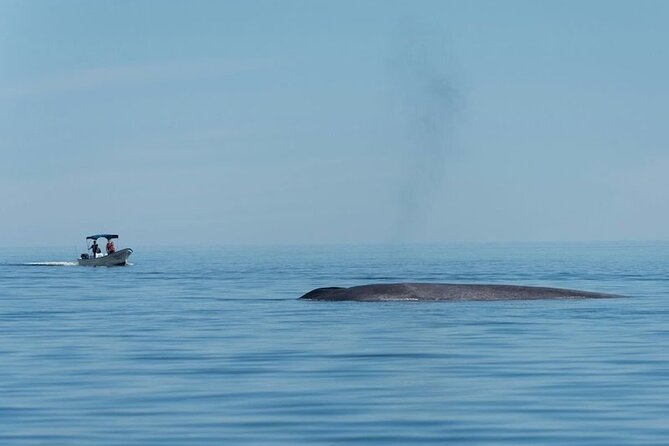
A whale watch can stretch. Even when the schedule says about 5 hours, you might end up out longer depending on sightings and conditions. So it’s smart when a tour doesn’t leave you hungry.
In this case, guests have reported a lunch of ceviche and beer. That’s more than a casual perk. Food matters because it keeps your energy up for the long scanning periods. It also gives you a natural break in the day, which can make it easier to stay patient—again, the tour’s whole style.
I’d treat that as a real benefit of the value equation. If you’ve done marine tours before, you know how often you pay a lot for the ticket and then spend the rest of the day paying again for meals. Here, the meal factor helps justify the price beyond the boat ride.
Price and Value: What $185.52 Really Buys You
The price is $185.52 per person, and value depends on what’s included and how the day is run.
On the value side:
- You’re paying for time on the water in a protected national park area where whale searching is the point
- The crew appears to run the experience with a respectful, low-stress whale approach (waiting rather than chasing)
- You’re in a small group (max 16), which often improves the quality of your sightings
- You can expect food—ceviche and beer—during the outing, based on guest descriptions
On the cost-risk side:
- Whale sightings are never guaranteed. Even in strong habitat areas, whales can be far away or surface unpredictably
- The day can run longer than the estimate, and that means you’re committing more of your morning-to-afternoon window than you might plan for
To me, this looks like decent value if you care about the how of whale watching, not just a checklist. If your top priority is a fast, trophy-style tour that maximizes the number of maneuvers, you might want a different style. But if you want a calmer, more watchable experience with knowledgeable guidance, the price starts to make sense.
Weather, Timing, and What to Do With Your Expectations
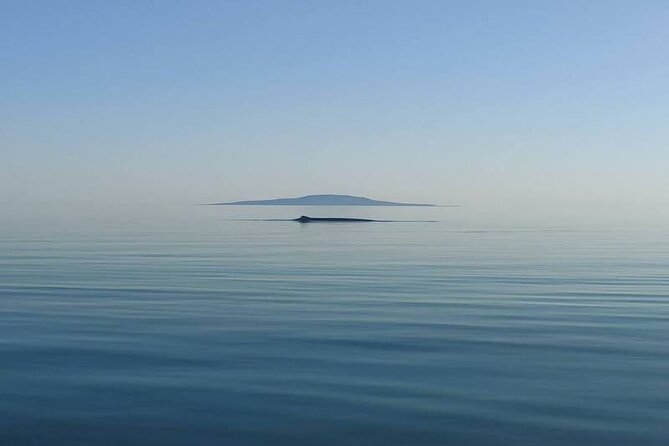
This activity requires good weather, which is normal for any open-water wildlife tour. If conditions aren’t right, the operator would typically offer another date or a refund, but the key point for you is simpler: don’t stack tight plans right after the morning start.
Your best mindset is flexible. Whale watching is a timing game, and the best viewing often happens when the crew positions the boat based on where the animals are. When the whales are distant, you wait longer. When they move closer, you get better moments.
Also consider the timeline uncertainty. One guest noted they didn’t return to the marina until around 3 pm, which is longer than the stated 5-hour estimate. That’s not a reason to avoid the tour; it’s a heads-up to plan your day with breathing room.
How to Plan Your Day Around This Tour
If you’re visiting Loreto, schedule this early activity in a way that lets you recover afterward. The morning start at 8:00 am is great, but the sea time can stretch.
A few practical moves that help:
- Wear clothes suited for being on a boat for hours (layers are your friend)
- Bring sun protection since open water means strong exposure
- Expect a day that’s more observation-focused than sightseeing-focused—bring patience and curiosity
If you’re the type of traveler who likes to learn small things—what blow patterns mean, how captains decide viewing distance, why waiting helps—this is the kind of tour where you’ll feel “in on it” from the first hour.
Who Should Book This Whale Watching Adventure?
I’d point this tour at a few types of travelers:
- Families and groups who want a guided, organized boat day with a cap of 16 people
- People who care about respectful whale watching and prefer patient searching
- Travelers who enjoy the educational side—when captains explain what they’re seeing, you get more from the wildlife
- Anyone staying in or near Loreto who wants a focused half-day outing rather than a long multi-stop excursion
If you only want a short, guaranteed sighting experience with minimal waiting, you may find the pace different from what you expect. But if you can handle a little uncertainty (and enjoy the hunt), you’re set up well.
Should You Book This Whale Watching Adventure in Loreto?
If your goal is real whale watching in Bahía de Loreto National Park, this is an easy yes—especially if you value the crew’s method: waiting for signs, repositioning for better views, and keeping the experience calm.
Book it if:
- You want a small-group outing
- You care more about the quality of observing than speed
- You’d enjoy learning from the captain, including how the spotting process works
Skip it if:
- You have a hard schedule where an extra hour or two on the water will break your plans
- You only want the quickest possible route to a sighting and don’t like waiting
FAQ
FAQ
How long is the whale watching tour in Loreto?
It’s listed as about 5 hours, though your actual time on the water can run longer depending on conditions and whale activity.
Where do I meet for the tour?
You meet at the Malecon, Baja California Peninsula, 23880 Loreto, B.C.S., Mexico. The tour ends back at the same meeting point.
What wildlife can I expect to see?
The tour focuses on looking for blue whales and other mammals, and past outings also included humpback whales and dolphins.
Is the tour in English?
Yes, the experience is offered in English.
What’s the group size like?
The maximum group size is 16 travelers.
Do I need to buy anything extra for the national park?
You may need to buy National Park bracelets; one guest reported a cost of $17 US.
What happens if the weather is bad?
This experience requires good weather. If it’s canceled due to poor weather, you’ll be offered a different date or a full refund.
Is food included?
Food is not listed in the general summary, but at least one guest reported lunch with ceviche and beer during the outing.