REVIEW · ALGECIRAS
Algeciras: Dolphin and whale watching in reduced groups
Book on GetYourGuide →Operated by Estrecho Natura · Bookable on GetYourGuide
Dolphins are the main event in Algeciras. This reduced-group boat trip stays focused on real wildlife time—out on the Bay of Algeciras—while a biologist-led guide helps you read what’s happening on the water. I also really like the tiny group size (up to 6), because it makes it easier to spot activity close to the boat and keeps the questions coming.
One thing to weigh: this experience isn’t suitable for wheelchair users, so plan around the boat and steps.
If conditions cooperate, you’re out for about 2 hours, scanning for three dolphin species (common, striped, and bottlenose) and, depending on the season, the chance to spot a fin whale during its migration. The operator aims for strong odds (they mention a 99% success rate for seeing at least one species), and if sightings are poor, you can return another day for free.
In This Review
- Key highlights at a glance
- Dolphin and whale watching in Algeciras: why this small boat works
- The 2-hour ride: what happens from the marina to the open water
- The biologist onboard: what you’ll learn while you scan the water
- Dolphin species you might see: common, striped, bottlenose
- Fin whale chances: how to think about the seasonal odds
- Price and value: is $81 worth it for a 2-hour sea outing?
- Who should book this tour (and who might choose differently)
- Practical tips: what to bring, what to avoid, and how to stay comfortable
- Should you book Algeciras dolphin and whale watching with reduced groups?
- FAQ
- Where does the tour depart from?
- How long is the excursion?
- What animals can you see on this trip?
- How big is the group?
- What languages are the guide and crew using?
- Is there anything you shouldn’t do during the outing?
Key highlights at a glance
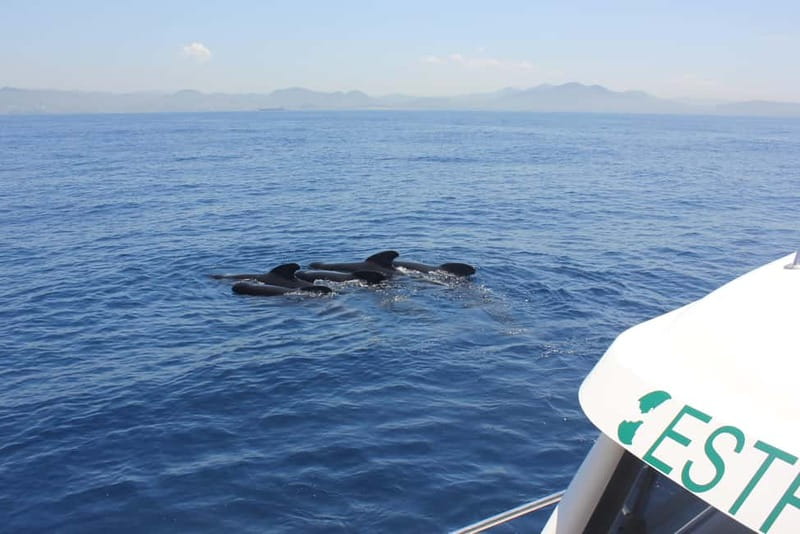
- Reduced groups (max 6) for closer, more personal wildlife viewing
- Biologist onboard to answer questions and explain dolphin behavior
- Three dolphin species in the same outing: common, striped, and bottlenose
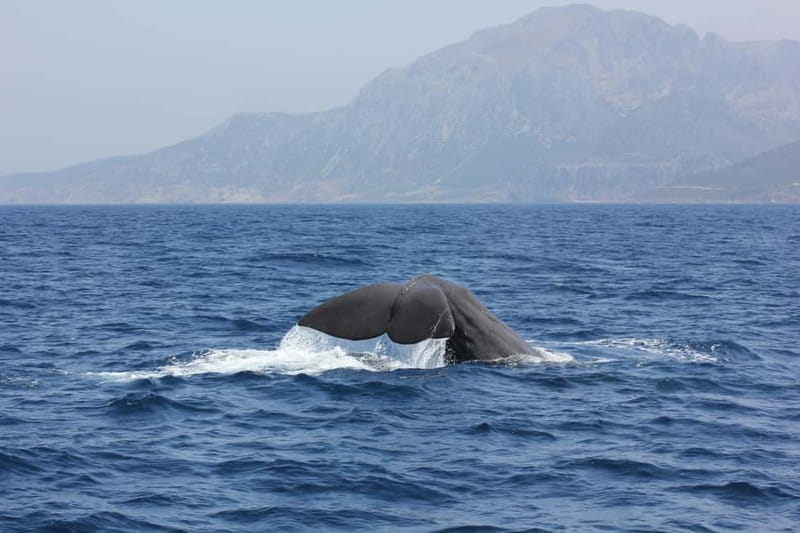
- Fin whale chance by season, when timing lines up
- Small-boat flexibility with route adjustments when weather and waves change
Dolphin and whale watching in Algeciras: why this small boat works
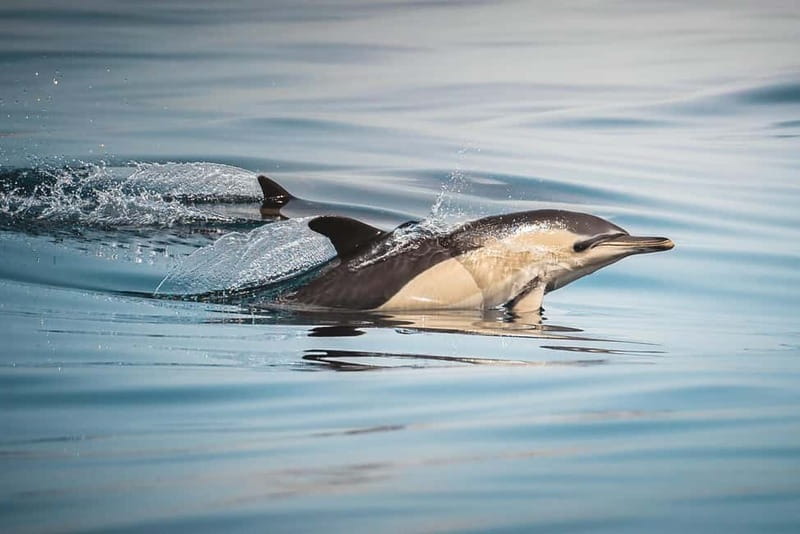
Algeciras is a smart base for marine spotting because it sits in the Strait of Gibraltar area, where ocean life moves between big waters. What I like about this outing is that it doesn’t feel like a giant lottery with a long wait and a rushed script. Instead, you’re on a boat that keeps the focus on the actual job: finding dolphins, watching how they move, and learning what you’re seeing in real time.
The reduced-group setup is more than a comfort perk. With only a handful of people on board, your guide can keep an eye on behavior patterns—then point out what to watch for—without competing with a crowd. That means fewer “look over there” moments and more consistent scanning and interpretation.
And yes, it’s not guaranteed. Wild dolphins and whales don’t follow schedules. But you do get a strong planning frame: the trip is designed around local species, with a biologist guide and a captain with local sea knowledge who can reposition when the water tells them to.
The 2-hour ride: what happens from the marina to the open water
Your outing starts at Algeciras Marina, and the boat is right there in front of you. Parking is free at this meeting point, which matters because sea tours can add stress—finding the spot, then rushing to the dock. Here, you can park first, then focus on getting ready.
Once you’re underway, the rhythm stays simple. You sail around the Bay of Algeciras and nearby surroundings while the crew looks for dolphins. You’re not just going in a straight line; you’ll spend your time where local sightings are possible, then adjust based on what you spot.
The experience is designed to be active for the full two hours, not a short “maybe we see something” loop. When dolphins show up, the boat can slow and position so everyone has a chance to see displays like jumps and acrobatics. That’s the moment when the small-group format pays off: you’re watching animals close enough to really notice behavior, not just looking at a speck in the distance.
Practical note from real-world experience: the sea can get bouncy. One review specifically calls out that the crew adjusted when waves got bigger to help prevent motion sickness and keep things safer and calmer for kids. So if you’re bringing younger travelers or you’re motion-sensitive, it’s worth thinking of this tour as a “managed ride,” not just a sightseeing cruise.
The biologist onboard: what you’ll learn while you scan the water
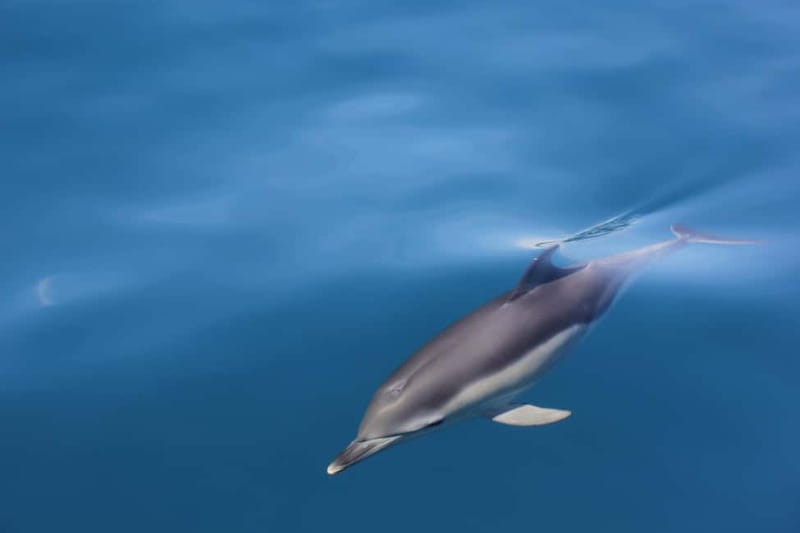
The guide is a biologist, and that changes the tone. You’re not getting generic dolphin facts. Instead, you’re hearing explanations tied directly to what’s in front of you at that moment. That means you learn faster because the topic is anchored to real behaviors—how dolphins surface, how they travel, and why they might be where they are.
In the better-rated trips, the team includes Alvaro and Irene, and they’re described as friendly and willing to share knowledge about the dolphins and the Bay of Algeciras. The big value here is Q&A. When kids ask why dolphins do certain jumps, you’ll get a real answer instead of a shrug. When adults ask how these species differ, you get explanations that help you tell them apart during the sighting.
Also, having a biologist onboard often improves your spotting skills. You start to look for signs before the dolphins are fully visible—patterns like where the water is breaking, the direction of movement, and how the animals group. That turns the outing into something you can actively participate in, not just watch.
Dolphin species you might see: common, striped, bottlenose
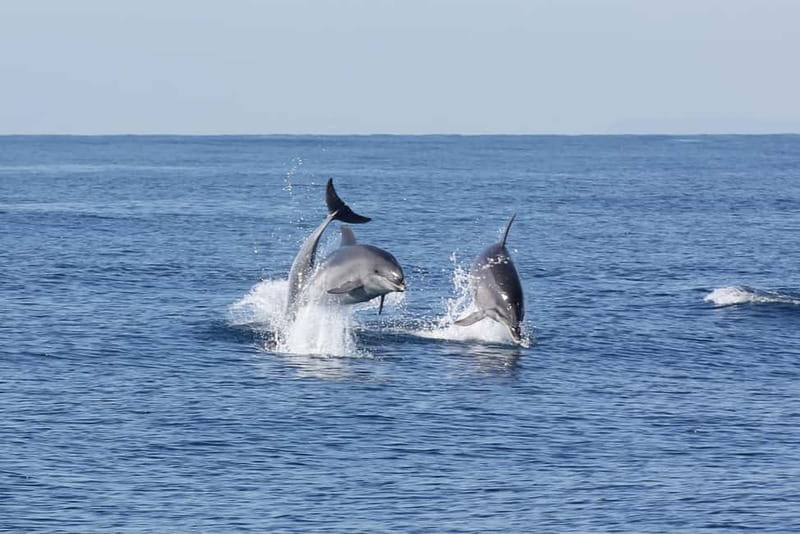
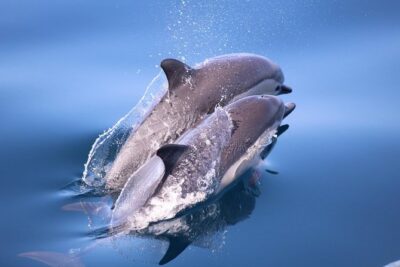
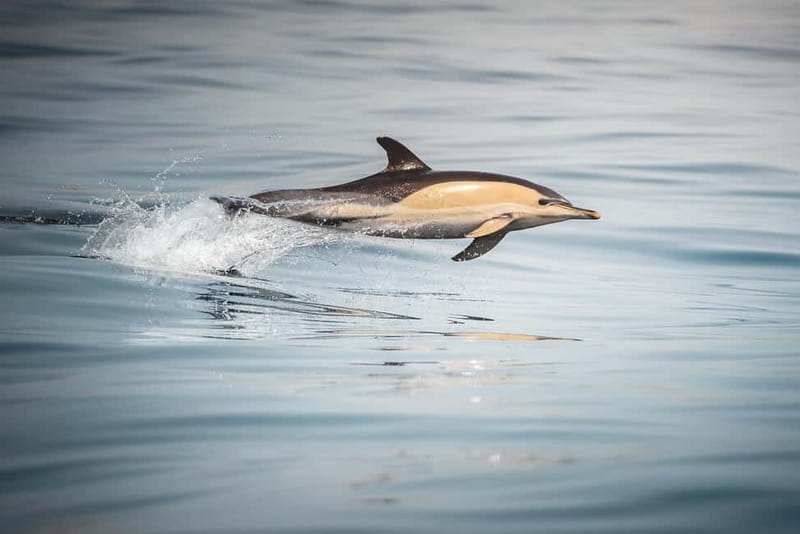
This tour is built around a shortlist: common dolphins, striped dolphins, and bottlenose dolphins. Seeing multiple species in one outing is a big deal because each type tends to show different behaviors and movement styles. Even if you only see one species that day, the guide’s explanations help you understand what makes that species recognizable and how it likely uses the area.
Here’s what you should expect during a good dolphin run:
- Dolphins showing surface behavior you can track from the boat
- Moments of jumps and acrobatics, when the animals move up and out
- Activity that can sometimes bring dolphins closer to the boat
One review highlights that they saw an enormous number of dolphins, including cases where dolphins came right toward the boat. Another describes seeing dolphins very close while they swam alongside, which is exactly the kind of viewing you want on a small vessel.
Even without a “closer-than-expected” encounter, the guide helps you interpret what you’re seeing, so the experience feels complete. You leave with names, traits, and behavior patterns—not just the memory of movement on the water.
Fin whale chances: how to think about the seasonal odds
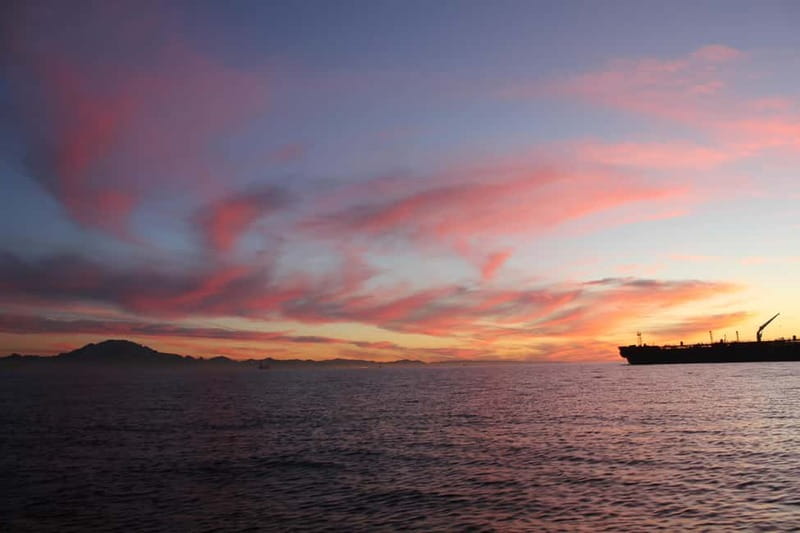
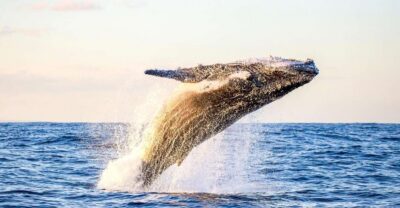
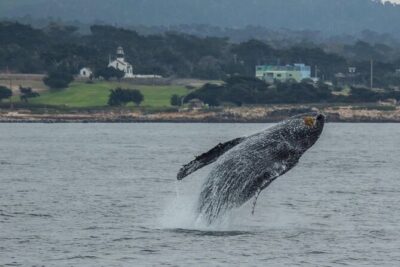
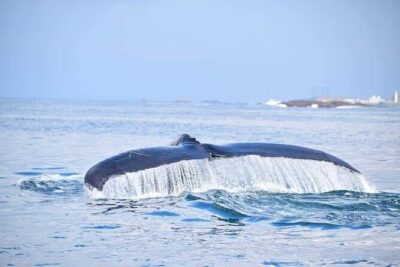
The tour includes a fin whale opportunity, depending on season. A fin whale is the second largest whale in the world, and the key word here is opportunity. Whales migrate. They don’t wait for your schedule.
What makes this worth considering anyway is how the tour handles uncertainty:
- You’re out specifically in a region and timeframe where sightings are possible
- The itinerary is set up to keep you searching when dolphins are present, and still remain open to whale sightings
- They mention a strong 99% success rate for at least one species, which helps protect your day even if the whale doesn’t show
If you’re the type who gets disappointed when a whale isn’t spotted, you’ll want to look at the full package mindset. The dolphins are the dependable core of the outing. The fin whale is the bonus.
And there’s another practical safety net: if the sighting isn’t good, you can return for free another day. That doesn’t change animal behavior, but it reduces the pressure on you as the day unfolds.
Price and value: is $81 worth it for a 2-hour sea outing?
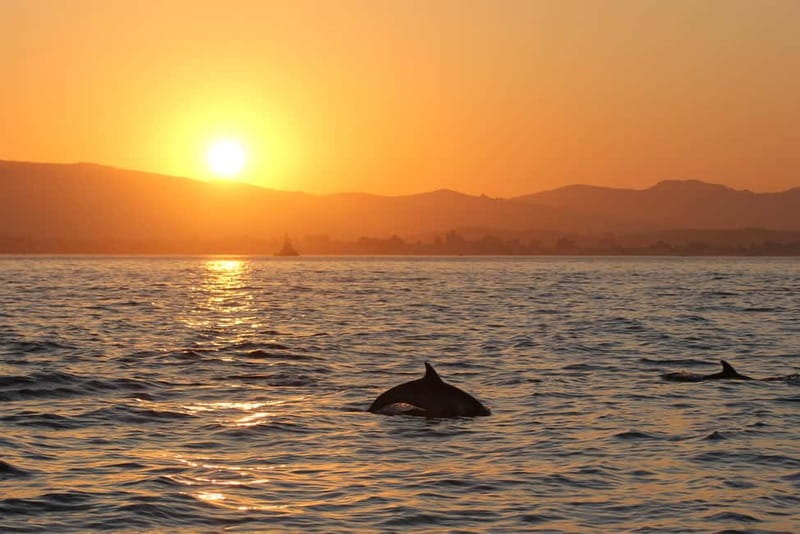
At about $81 per person for a 2-hour small-group trip, the price makes sense if you compare it to how much access you get. This isn’t a giant 30-guest boat where your “wildlife time” is diluted. It’s a reduced-group outing with a biologist onboard and a captain with local sea knowledge.
For me, the best value signal is the match between price and experience structure:
- Time on water: you’re not paying for a long harbor wait
- Guide quality: a biologist changes the meaning of the outing
- Group size: fewer people improves spotting and comfort
- Species-focused goal: three dolphin species are part of the plan, not an add-on
Also, food and drinks aren’t included. That can be either a downside or a small freedom, depending on your travel style. If you like packing water and a snack plan, you’re fine. If you want a fully handled “meals included” trip, you’ll need to plan ahead.
Overall: $81 feels reasonable for a focused, science-led, small-group wildlife outing—especially if you’re visiting the Strait of Gibraltar area and want one solid boat day.
Who should book this tour (and who might choose differently)
This is a strong match if you want:
- Close-to-the-action dolphin viewing
- A guided explanation with real biology content
- A family-friendly outing where the crew can adapt the ride when waves pick up
It also fits well if you’re traveling in a small group or as a couple. With max 6 participants, you’ll get a more personal experience and a better chance to ask questions without feeling like you’re interrupting.
It may not fit if you need wheelchair access, since the tour is not suitable for wheelchair users. On a small boat, that limitation matters a lot.
If you’re traveling with children, this outing can be particularly good. One review mentions the captain and guide managing conditions so it’s safe and comfortable, including for kids.
Practical tips: what to bring, what to avoid, and how to stay comfortable
Plan like you’re going out on the water for real, because you are. Bring:
- Comfortable shoes (you’ll be moving around the boat)
- Biodegradable sunscreen
- A jacket (you’ll want something for sea air and changing wind)
What not to do:
- Don’t touch the animals. It’s not allowed, and it’s also the fastest way to ruin the animal’s space.
A few comfort tips that help your day go smoothly:
- Dress in layers so you can adjust when the wind changes.
- If you’re prone to motion sickness, consider bringing what you normally use for boat rides. The crew may adjust when waves rise, which helps, but you’re still on open water.
- Bring a quick way to store water-resistant items (phones and cameras do better when secured).
And because the boat departs from Algeciras Marina, keep your timing simple. Get there early enough to breathe, park, and take a minute before boarding.
Should you book Algeciras dolphin and whale watching with reduced groups?
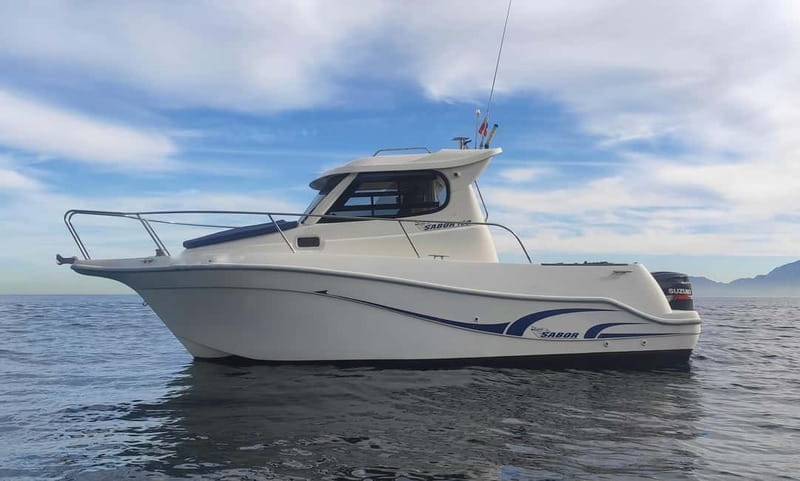
Book it if you want a high-odds dolphin day with a real biologist onboard and you value small-group access. This is the type of trip that respects your time: you’re out for 2 hours, searching in the right waters, and you get explanations tied to what you actually see.
Don’t book it expecting guaranteed whales. The fin whale is seasonal and unpredictable, like all wildlife. But you’re not rolling the dice with dolphins only: the tour is built for multiple dolphin species and aims for seeing at least one species in most cases.
If you’re weighing this against bigger boats or less guided cruises, I’d lean toward this one for the same reason you’d pick a smaller classroom. You’ll learn more, ask more, and likely see more clearly simply because you’re not fighting for space.
In short: if your dream is dolphins you can track and understand, this small-group Algeciras outing is a strong choice.
FAQ
Where does the tour depart from?
It departs and returns at the Algeciras Marina. You can park for free nearby, and the boat is right in front at the meeting point.
How long is the excursion?
The duration is 2 hours.
What animals can you see on this trip?
You can potentially see three dolphin species in the area (common, striped, and bottlenose dolphins). Depending on the season, there’s also a chance to see a fin whale during its migratory passage.
How big is the group?
The group is kept small, limited to 6 participants.
What languages are the guide and crew using?
The live tour guide provides explanations in Spanish and English.
Is there anything you shouldn’t do during the outing?
You should not touch the animals. Also, plan to bring a jacket, comfortable shoes, and biodegradable sunscreen.