REVIEW · ALBANY AUSTRALIA
Albany’s Whale Story
Book on GetYourGuide →Operated by Albany Tours · Bookable on GetYourGuide
Whaling history, timed to sea air. Albany’s Whale Story mixes Albany’s Historic Whaling Station with coastal scenery around Princess Royal Harbor, so the topic stays human instead of textbook. I especially love the guided storytelling inside the station and the chance to climb aboard the whale chaser Cheynes IV, then see the enormous skeletons up close. One thing to keep in mind: the whaling side of the story can be confronting in places, and the museum doesn’t sugarcoat it.
I also like that the day feels balanced. You get the harbor views and then a walk and guided time at Discovery Bay, plus a break for coffee and cake at a local café before heading through Torndirrup National Park on the way back. If your guide is Joy, you’ll get the kind of clear, animated verbal delivery that makes the history stick.
In This Review
- Key highlights you’ll remember from Albany’s Whale Story
- Princess Royal Harbour scenic drive before the whaling station
- Albany Historic Whaling Station: story, relics, and the meaning beyond the artifacts
- Cheynes IV whale chaser and the skeleton display moment
- Torndirrup National Park return: granite mounds and open air
- Café break for coffee/tea, cake, and a reset
- Is $99 good value for this 210-minute Albany whaling and coast tour?
- What to bring for wind and spray in Albany
- Should you book Albany’s Whale Story?
- FAQ
- Where is the meeting point for Albany’s Whale Story?
- How long is the tour?
- What’s included in the price?
- What should I bring for the day?
- Is the tour wheelchair accessible?
- How many people are in the group?
- Can I cancel for a refund?
Key highlights you’ll remember from Albany’s Whale Story
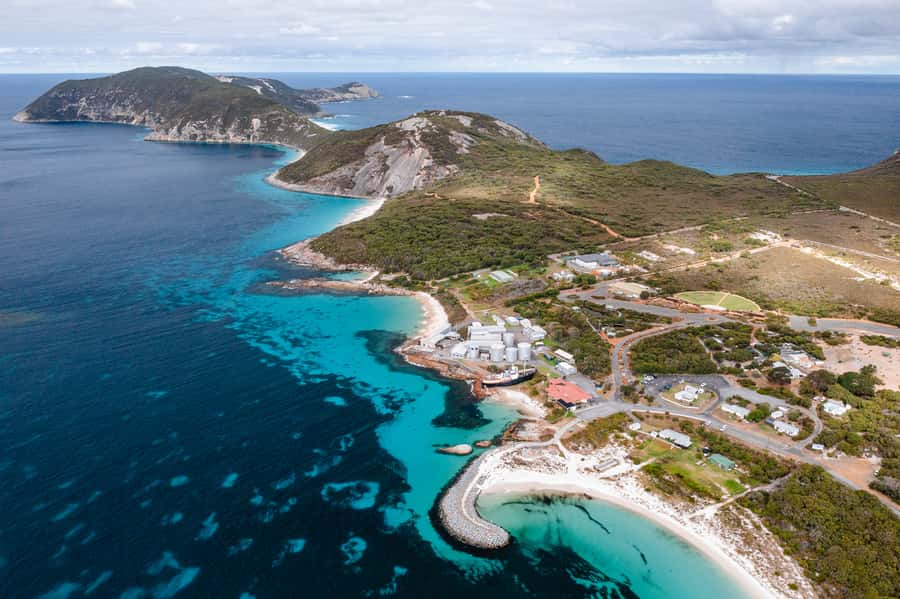
- Princess Royal Harbor views with King George Sound and the Southern Ocean in the background
- Guided entry to Albany’s Historic Whaling Station with animation, images, and relics
- Cheynes IV whale chaser climb plus whale skeletons that you can’t really forget
- Shell collection and curated displays that add context to the whaling era
- Torndirrup National Park return drive through the granite-and-coast feel of the region
- Tea/coffee plus cake at a café stop with a short pocket of free time
Princess Royal Harbour scenic drive before the whaling station
This is a coast-first tour, and you feel it right from the start at the Albany Visitor Centre (221 York St). The drive curves around Princess Royal Harbor, giving you that classic Albany perspective: King George Sound and the Southern Ocean stretching out beyond. Even if you’ve already seen the water from town, the changing angles from the road make it easier to picture how whaling activity linked to the shoreline.
You’ll ride by van for about 25 minutes before you’re dropped into the Discovery Bay area for the main part of the visit. For a 210-minute tour, that means the schedule doesn’t waste your time cruising around aimlessly. It’s structured: scenery up front, then the station, then fresh air on the way back through Torndirrup National Park.
The small group size matters here. With a maximum of 7 participants, you’re more likely to hear the guide clearly and ask the kind of questions that pop up when you see artifacts and skeletons in person. This is one of those experiences where the route plus the pacing helps the message land.
Albany Historic Whaling Station: story, relics, and the meaning beyond the artifacts
Albany’s whaling story is not presented as a distant “someday in the past” topic. At Albany’s Historic Whaling Station you’re guided through how the southern coastline of Western Australia was shaped by whaling—and then you’re asked to reflect on what that means today. The tour format is practical: guided entry, then an on-site walkthrough that mixes animation, image, and relic so you’re not stuck reading wall labels the whole time.
What I like about this kind of interpretation is that it helps you hold two ideas at once. The station doesn’t try to make whaling sound harmless. It also connects to whale watching in the present, including the idea that there’s value in honoring whales now. That makes the visit more than a set of displays. You get a story arc, not just objects.
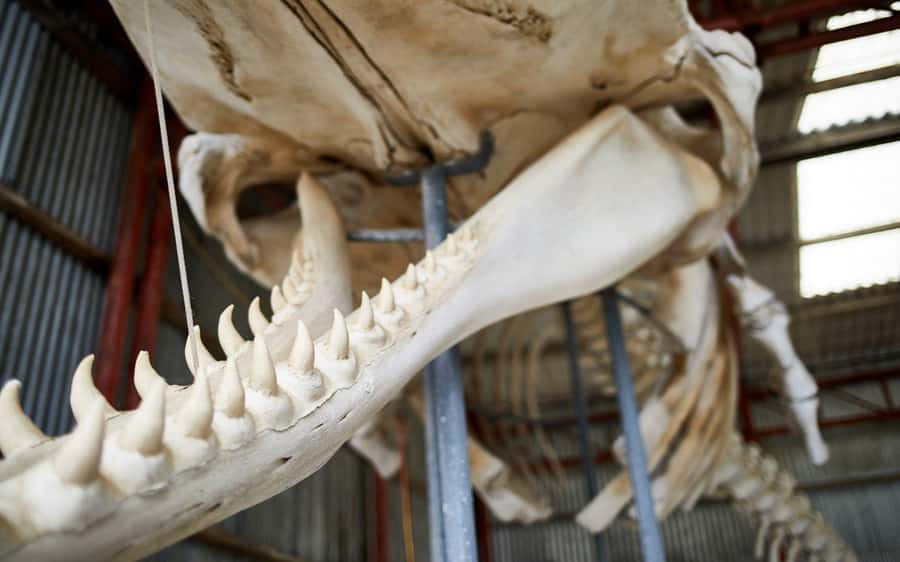
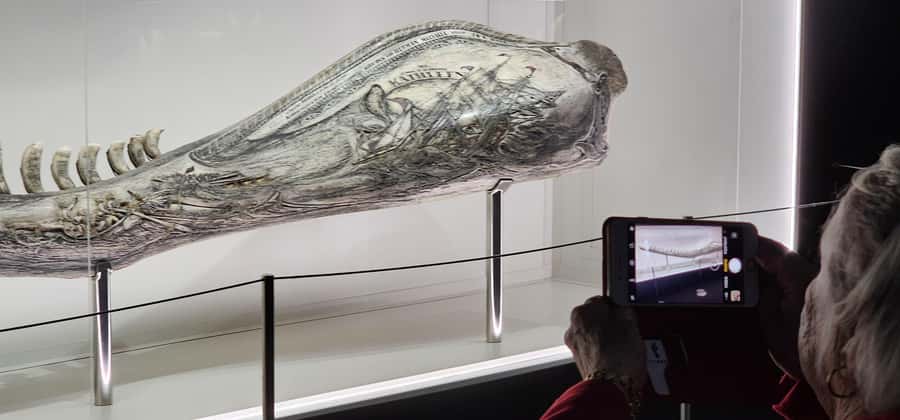
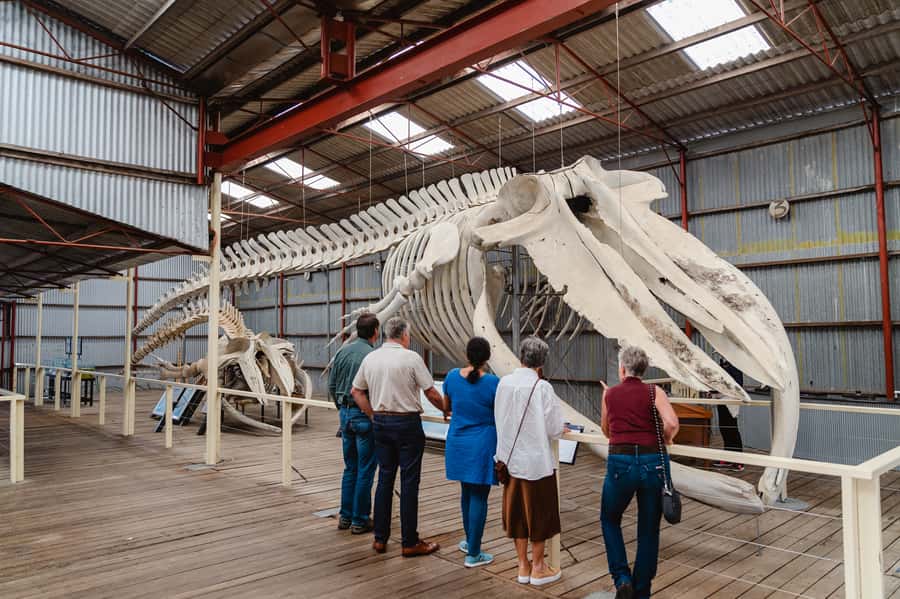
You’ll also see the kind of details that make museums feel real. One of the most praised parts is the station’s verbal delivery of history—how the guide explains what you’re looking at. People also call out the shell collection, which helps anchor the larger themes in physical evidence. And then there are the whale-related displays, including huge skeletons, which do the heavy emotional lifting once you’re on site.
Just note the tone. Even with the storytelling and coastal beauty outside, some of the content is confronting. If you’re sensitive about animal-related history, plan for that before you go.
Cheynes IV whale chaser and the skeleton display moment
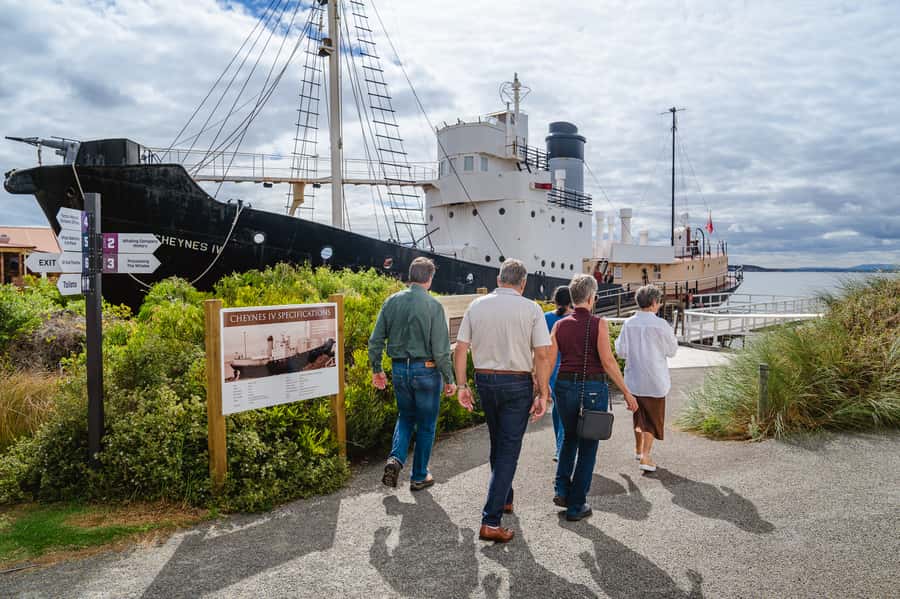
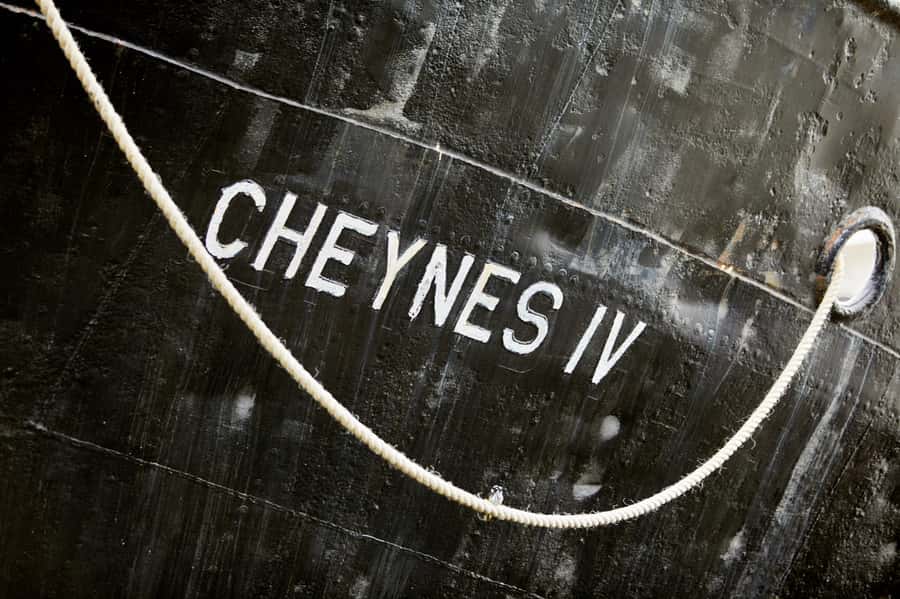
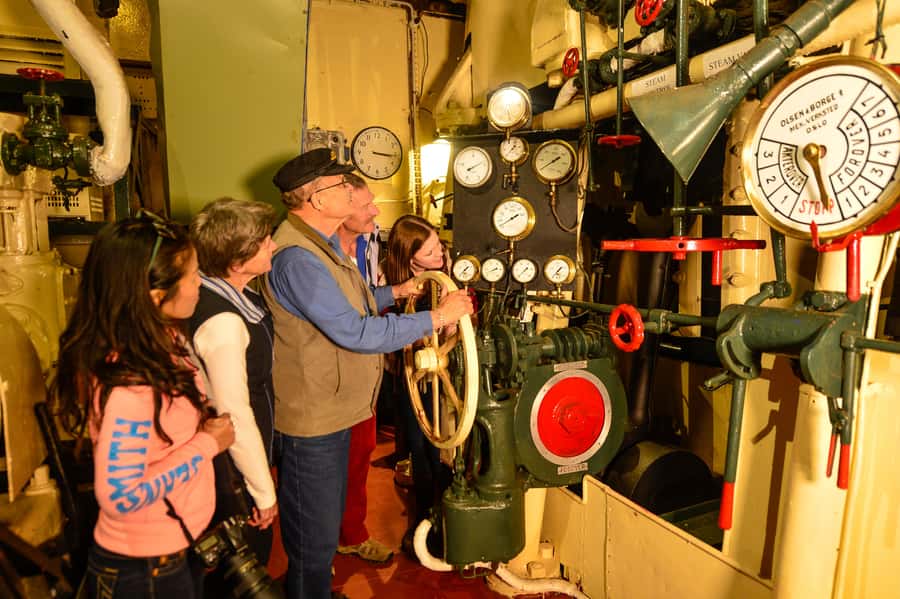
The whaling station experience has a strong physical component. You’ll be able to climb aboard the whaler chaser Cheynes IV. That matters because it turns the idea of whaling activity from a caption into a tangible part of the past. Standing on a real vessel setup, you can connect the story to how work was actually carried out from the water.
Then comes the part people talk about most: the enormous whale skeletons on display. Seeing them in person gives you scale fast. It’s hard to keep your brain in museum-mode when you’re looking at something that large, up close, in a guided environment where the history is laid out in sequence. The tour also includes animation elements and other relics, which helps you follow the timeline without getting lost.
The best way to enjoy this section is to go at guide pace for the talking parts, then slow down for the looking parts. When you pause on a skeleton or a display that ties to the shell collection, you’ll start to notice how the station builds context—what was happening, what tools were used, and why the whaling era has a long aftereffect.
If you’re coming with kids or family, this is also where the “learning” becomes “watching.” The coastal setting and the boat climb help make the topic less abstract, even if the subject matter is still heavy.
Torndirrup National Park return: granite mounds and open air
After the station time, the tour heads back and brings you through Torndirrup National Park. This is where the day breathes a little. You get coastline scenery again, plus that granite-and-sea feel that makes the region memorable even if you’re not focused on wildlife history.
You’ll be on the van for part of this section, but you’re not just sitting there for the sake of transport. The idea is to give you an appreciation of the coastline the story is tied to. Granite mounds and coastal viewpoints are mentioned as part of what you’ll see, and the guide time helps you connect these natural features to why whaling activity made sense historically in this part of the world.
Keep in mind the practical side: Torndirrup can feel windy. You’ll want to be ready for salt spray and sudden weather shifts. More on packing below, but the quick takeaway is that you’ll enjoy the return more if you can dress for wind, not just sun.
Café break for coffee/tea, cake, and a reset
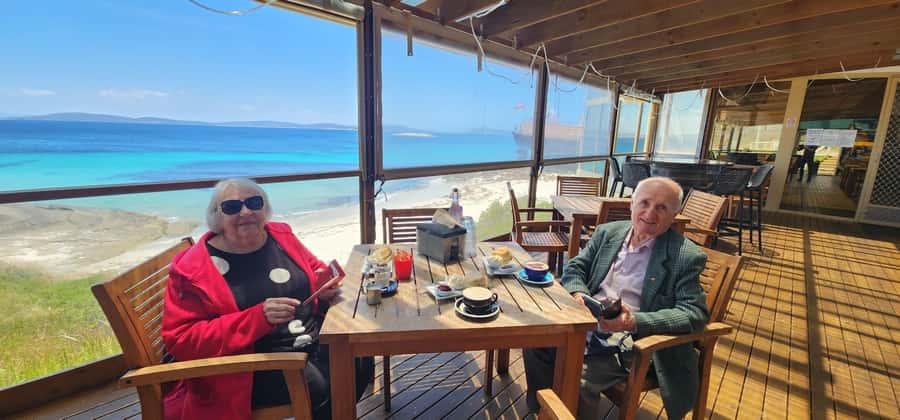
Some tours try to cram everything in one stretch. This one gives you a proper reset at a local café. You’ll have a break for coffee and tea, plus cake, and you’ll get about 30 minutes of free time along with a chance to shop a bit.
This stop is more valuable than it sounds. After the whaling station’s heavier emotional content, you’ll likely want a chance to talk, look away from the displays, and just be in normal conversation mode. Food and caffeine make the history feel less like a weight and more like a story you can digest.
It’s also the spot to check how you’re feeling. If the station content felt intense, this break helps you decide whether you want to keep the rest of the day relaxed. With only one main guided walkthrough and one station block, you’re not trapped in another long indoors stretch.
Is $99 good value for this 210-minute Albany whaling and coast tour?
At $99 per person, Albany’s Whale Story isn’t just a quick ticket. You’re paying for a small-group experience that combines guided entry to Albany’s Historic Whaling Station, interpretive tour time, scenic cruising around Princess Royal Harbor, and a return drive through Torndirrup National Park. You’re also getting tea/coffee and cake at the café.
The value part for me is the “guided” component. Without a guide, you’d still have displays and skeletons, but the narrative would be more fragmented. Here, the guide’s verbal delivery ties animation, image, relics, and the boat climb into a clear storyline. That structure matters, especially for a subject that can be confusing or emotionally challenging without context.
The pacing also feels reasonable for a 210-minute format. You don’t spend most of the time in transit, and you get a break mid-day. And the group cap of 7 participants is a real plus at a site like this, where questions and attention to specific details can make a difference.
What to bring for wind and spray in Albany
Bring layers. Even in good weather, this tour’s coastal setting means you’ll face wind and changing conditions. The essentials on the recommended packing list are:
- Comfortable shoes for the guided walking time
- A windbreaker
- Hat and sunscreen
- A jacket
- Rain gear
I’d also think of this as a “heads up, you’ll be outside at least a little” day. The harbor views and the Torndirrup National Park return make it worth dressing for the outside version of Albany, not your most comfortable indoor outfit.
If you have dietary requirements, make sure you advise ahead of time. The tour includes a tea/coffee stop and cake, so it’s smart to flag any needs before you arrive.
Should you book Albany’s Whale Story?
Book this tour if you want an Albany experience that feels tied to place, not just facts on a wall. The mix of Princess Royal Harbor scenery, a guided visit to Albany’s Historic Whaling Station, and the chance to climb aboard Cheynes IV makes it a standout way to understand the region’s whaling-era story while still ending with coastal air and open views at Torndirrup.
Skip it if the whaling theme is likely to upset you. Even though you’ll get guided storytelling and a reflective framing that also points to whale watching today, some displays and the topic itself are confronting in places. If you’re good with that, the small-group format, the guide’s delivery, and the station’s skeleton-and-boat highlights are exactly the kind of experience that tends to stick with people.
FAQ
Where is the meeting point for Albany’s Whale Story?
You meet at the Albany Visitor Centre, 221 York St, Albany WA.
How long is the tour?
The total duration is 210 minutes.
What’s included in the price?
Entry to Albany’s Historic Whaling Station, a guided tour, and morning tea/coffee. The tour also includes a café break with tea/coffee and cake.
What should I bring for the day?
Bring comfortable shoes, a windbreaker, a hat, sunscreen, a jacket, and rain gear.
Is the tour wheelchair accessible?
Yes, the tour is wheelchair accessible.
How many people are in the group?
It’s a small group limited to 7 participants.
Can I cancel for a refund?
Yes. You can cancel up to 24 hours in advance for a full refund.