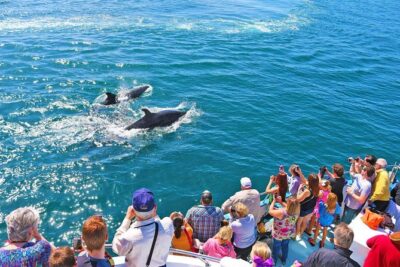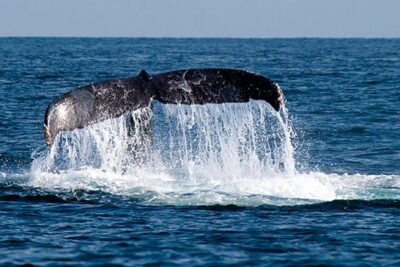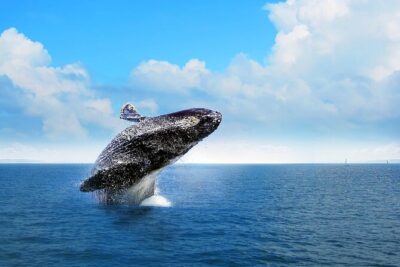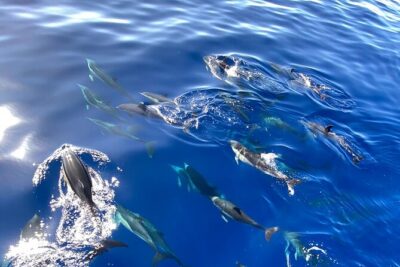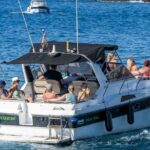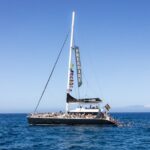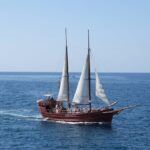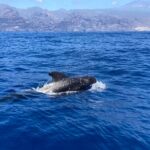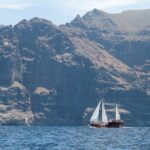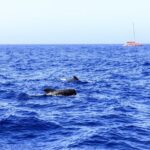
Tenerife has a way of making whales feel close. This 3-hour trip runs on a small luxury sailboat and aims you straight at prime cetacean waters near the Teno-Rasca conservation zone, then adds a swim stop at Diego Hernández Beach. It’s calm, comfortable, and built around enjoying the sea as much as spotting wildlife.
What I like most is the onboard comfort for a relatively short outing: a proper cabin layout, two bathrooms, a fully equipped kitchen, and a shaded living area with a table. I also appreciate the small group size (up to 11), which helps keep the experience more personal and less like a cattle-call.
One thing to consider: it’s weather-dependent, and there’s been at least one reported case of cancellation with delayed communication. If you’re the type who hates surprises, keep an eye on messages the day-of and plan to arrive early.
In This Review
- Key highlights you’ll actually care about
- Luxury Sailboats Off Costa Adeje: what you’re really buying
- Where you go: Teno-Rasca conservation waters (and why the route matters)
- The 3-hour flow: sail, sightings, and the Diego Hernández Beach anchor
- Captain skills and cetacean etiquette: how permits shape the experience
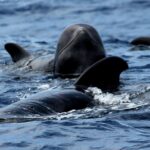
- What you might see: pilot dolphins now, other whales by season
- Snorkeling gear and snack setup: small inclusions that add up
- Price and value for $65.06: luxury sailing without the full-day price tag
- When to go for better whale odds in Tenerife
- A note on cancellations and day-of communication
- Who this trip suits best in Costa Adeje (and who might not)
- Should you book this Costa Adeje luxury whale watch?
- FAQ
- What animals are mentioned for this whale watching trip?
- How long is the excursion?
- What snorkeling gear is included?
- Is pickup included in the price?
- Where does the tour depart from?
- What language is the tour offered in?
Key highlights you’ll actually care about
- Teno-Rasca Special Conservation Zone route for a focused whale-watching outing
- Small group cap of 11 on a luxury Beneteau/Dufour/Jeanneau-style sailboat
- 30-minute anchor at Diego Hernández Beach with a snorkel break
- Snorkeling gear included (goggles + snorkel) plus sandwiches, fruit, and drinks onboard
- Cetacean permits and local conservation credentials carried by the operator and captains
- Seasonal chances explained for pilot dolphins versus sperm whales and killer whales
Luxury Sailboats Off Costa Adeje: what you’re really buying
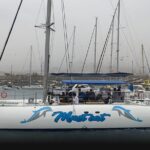
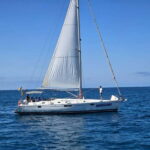
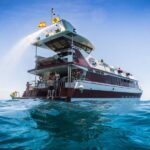
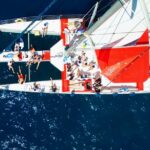
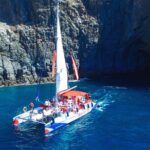
This isn’t a tiny dinghy or a basic charter. The boats used here are in the 12 to 13.40 meter range, and you can see the “luxury sailing” angle in the layout: 3–4 cabins, two bathrooms, and a fully equipped kitchen. There’s also a bow sundeck where you can stretch out when the boat is moving nicely, and an awning over the living area for shade when the sun gets serious.
The practical win is simple: you’re on the water for about three hours. When you have proper space (and real toilets—two of them), you don’t spend the day bracing for discomfort. You can focus on what you came for: the coast, the motion of sailing, and the chance to see dolphins and other marine life.
Another detail worth knowing: the company lists multiple sailboat brands/models (Beneteau, Doufour, Jeanneau). That means the exact feel can vary a bit depending on which boat is assigned, but the stated amenities stay consistent—so you’re not rolling the dice on whether it’s “nice enough.”
You can also read our reviews of more tours and experiences in Tenerife.
Where you go: Teno-Rasca conservation waters (and why the route matters)
The route is designed around one goal: get you to the Teno-Rasca Special Conservation Zone as directly as possible. Instead of lingering in one area and hoping for the best, the plan is to head straight to a protected spot known for cetaceans in their natural habitat.
For you, that translates into better odds and less “dead time.” In whale watching, time matters. If a trip spends most of its window just cruising from point A to point B, your sighting chances drop. Here, the structure is built for a focused watch period once you reach the conservation zone.
Also, this operator emphasizes respect for the environment and shows they have the right permissions. That matters because it changes how the captain approaches whales and dolphins—distance, speed, and behavior should be guided by local rules, not by adrenaline.
The 3-hour flow: sail, sightings, and the Diego Hernández Beach anchor
Plan on a straightforward rhythm. You’ll depart from Dock 5, then the boat’s route takes you directly toward the conservation zone for whale watching. The main “activity” window is the sighting time on the water—this is where you’ll scan the horizon and listen for the captain’s guidance on what to watch for.
After the excitement, the trip switches gears to a much more relaxed moment: you anchor for about 30 minutes at Diego Hernández Beach. This is a real break from “standing around scanning.” You get a chance to get in the water, reset, and enjoy Tenerife from a different angle—close to shore, where the seabed and visibility can feel more tangible.
That beach stop also comes with a small perk that’s easy to overlook until you’re on the boat: a snack service. You’ll have sandwiches and fruits, plus drinks (water, soda, beer), served onboard around this time. It’s not an all-you-can-eat event, but it’s exactly the kind of refuel you want after time outside in sun and sea air.
A useful detail for planning: this is a shared excursion with a cap of 11 travelers, so the snorkel break doesn’t turn into a long waiting line. You should still expect a short, calm “on/off the water” flow, but it stays manageable.
Captain skills and cetacean etiquette: how permits shape the experience
The captains here are described as experts in navigation and cetaceans, and they list that they hold the necessary permits and licenses for whale watching. They also mention the Blue Boat Flag from Tenerife Tourism Corporation and a Miteco (AROC) permit, which signals compliance with local conservation frameworks.
Why should you care? Because respectful whale watching is about predictability and limits. A good captain doesn’t treat sightings like a performance. They keep the experience within safe boundaries and make it easier for you to enjoy what’s happening instead of worrying about whether the boat is behaving responsibly.
There’s also a human side that shows up in the vibe. In one account, Captain Marco came across as friendly and attentive, responding to requests and keeping people engaged. That kind of captain energy matters most when the action is slow—when you’re waiting for the next splash on the waterline, it helps to have someone confident at reading conditions and explaining what you’re seeing.
What you might see: pilot dolphins now, other whales by season
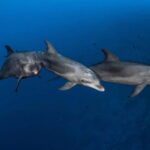
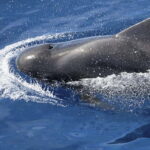
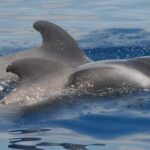
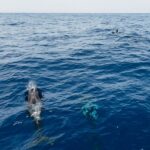
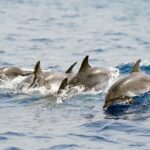
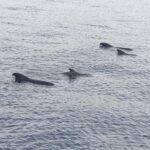
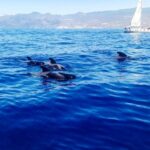
No operator can promise a specific animal every trip, but the information you’re given helps you set expectations. One highlight is that pilot dolphins are part of the picture during suitable conditions.
The seasonal note is important, too: the information says sperm whales and killer whales are only visible from April and September. That doesn’t mean you’ll see them immediately in those months, but it gives you a strong timing clue if your “bucket list” is specific.
If you’re traveling at other times of year, you can still have an excellent trip—but you’ll want to go in with the mindset of flexible wildlife watching rather than “only this species counts.” Pilot dolphins plus a good captain plus a decent sea state is a winning combo in its own right.
Snorkeling gear and snack setup: small inclusions that add up
This tour includes snorkeling equipment, specifically diving goggles and snorkels. That’s a real value add because it eliminates one of those annoying vacation hassles: hunting for gear that fits your face and doesn’t leak.
The snorkel window is tied to that beach anchoring stop at Diego Hernández Beach. With snorkeling being a short add-on rather than the whole point, it’s a good match for mixed skill levels. You don’t need to be an expert swimmer to take a quick look underwater—just be comfortable enough to float and breathe calmly.
Then there’s the food. Included sandwiches, fruits, and drinks onboard means you won’t be hungry during the sail portion, and you won’t have to pay for snacks while you’re already on the water. For a 3-hour outing, that inclusion feels like it keeps the mood easy.
If you want to make the most of the snorkel, bring a swimsuit under your clothes and consider a light layer for the transition back to the boat. (Weather and wind can change fast at sea.)
Price and value for $65.06: luxury sailing without the full-day price tag
At about $65.06 per person for a roughly 3-hour experience, you’re paying for three things at once: a luxury sailboat setup, guided navigation to a conservation area, and a built-in beach-and-snorkel break with food.
Here’s the value breakdown that matters:
- Boat comfort: two bathrooms, cabins, kitchen, shaded seating area. That’s the kind of comfort that makes a short trip feel less like a “task.”
- Time used efficiently: a direct route to the Teno-Rasca zone reduces wasted cruising.
- Inclusions: snorkeling gear plus snacks and drinks are part of the package, so you’re not doing extra add-on math once you’re already at sea.
One cost consideration: pickup isn’t included. You can arrange pickup with a €10 per person surcharge from Playa Paraiso, Costa Adeje, Los Cristianos, and Palm Mar. If you’re staying near those areas, it may be worth it for convenience. If not, the tour meeting point is in Costa Adeje and is described as near public transportation, which helps.
Also, this is a shared excursion. You’re not getting a private boat, so the price stays reasonable. The tradeoff is that you’ll share attention and space with up to 10 other people—but because the cap is 11, it still feels intimate compared to large group catamaran style outings.
When to go for better whale odds in Tenerife
Season changes your odds. The most concrete seasonal guidance provided is that sperm whales and killer whales have visibility from April and September. If those species are top of your list, that timing is the key factor you can control.
If you’re going outside those windows, treat the trip as a “wildlife and dolphins” experience rather than a guaranteed whale checklist. Pilot dolphins are specifically mentioned as something you might see, and even without the rarer species, you can still have a great day if conditions are right.
One more practical reality: the operator says the experience requires good weather. In practice, that means your day can be affected by wind and sea conditions. If you’re flexible with your schedule, you’ll get more satisfaction from the trip.
A note on cancellations and day-of communication
Free cancellation is available up to 24 hours in advance, and the operator states that if it’s canceled due to poor weather you’ll be offered another date or a full refund. That’s reassuring on paper.
But there’s also a real-world consideration. One account described arriving at the meeting location when nobody showed up, followed by a cancellation message several hours later. That’s not the norm you want to bet your whole schedule on.
So here’s what I’d do in your shoes:
- If you can, keep your phone charged and watch for messages the day before and the morning of.
- Arrive early enough that you’re not standing there stressed if the process runs a little slowly.
- Don’t assume that a message will arrive instantly if weather gets tricky.
Who this trip suits best in Costa Adeje (and who might not)
This experience fits you if you want:
- A smaller group at sea (up to 11)
- A comfortable sailboat rather than a crowded deck
- A combo day: whale watching plus snorkeling plus snacks
- A captain who’s focused on navigation and cetacean behavior, not just speed and sound bites
It might be less ideal if you need guaranteed wildlife sightings. Nature doesn’t run on schedules, and even the best captains can’t control whether animals are near the surface on your exact route window.
Also, if you hate being on the water in changing winds, remember that it requires good weather. This is a “go when conditions are right” kind of outing.
Should you book this Costa Adeje luxury whale watch?
If you’re looking for good value without sacrificing comfort, I’d lean toward booking. You get a focused route to the Teno-Rasca conservation zone, a genuine luxury-sailing feel (two bathrooms and a shaded living area for a start), and a structured stop at Diego Hernández Beach with snorkel gear and included snacks.
Book it if:
- You’re visiting around April–September and want the best shot at the seasonal whales mentioned.
- You like the idea of a short, well-paced trip instead of a half-day of ferrying with long downtime.
- You’ll enjoy dolphins and marine life even if the exact species on the horizon isn’t guaranteed.
Skip it (or choose your plans carefully) if:
- You’re scheduling a tight itinerary with no flexibility, since weather can affect operations.
- You can’t tolerate a possible last-minute change in plans and need rock-solid certainty on timing.
FAQ
What animals are mentioned for this whale watching trip?
Pilot dolphins are mentioned as a possibility. The information also notes that sperm whales and killer whales are only visible from April and September.
How long is the excursion?
The trip is about 3 hours.
What snorkeling gear is included?
Diving goggles and snorkels are included for the snorkeling stop.
Is pickup included in the price?
Pickup is not included. Pickup is available for a €10 per person surcharge from Playa Paraiso, Costa Adeje, Los Cristianos, and Palm Mar.
Where does the tour depart from?
The shared excursion departs from Dock 5.
What language is the tour offered in?
The tour is offered in English.