REVIEW · TAHITI
Whale watching on the preserved and quiet coast of Paea (Pk26)
Book on Viator →Operated by Mobydick Tahiti · Bookable on Viator
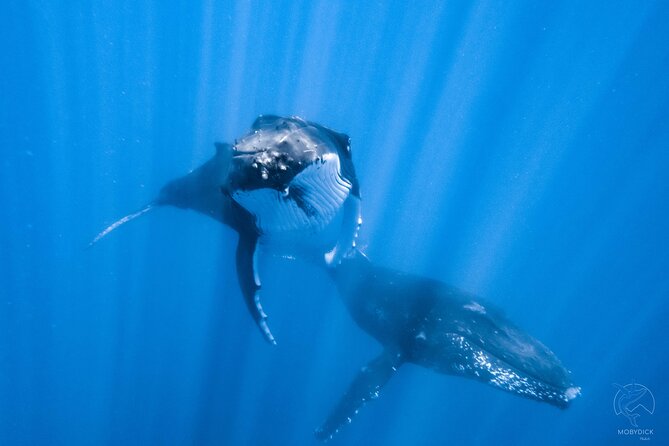
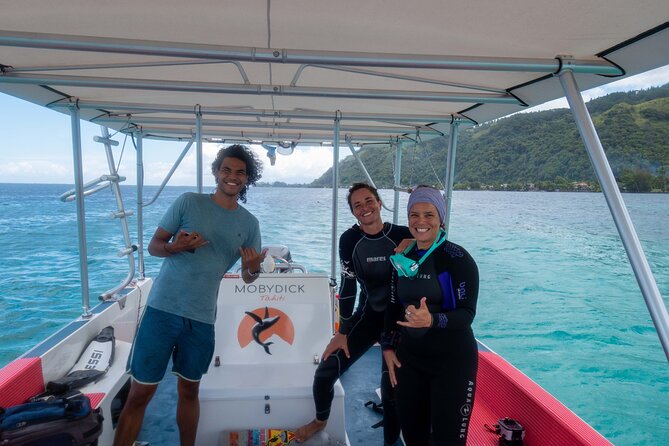
Seeing whales for real beats photos. On Tahiti’s quieter Paea/Papara coast, this whale-watching safari aims for humpbacks while keeping distance and following DIREN approach rules. You ride a modern 28-foot boat and, if conditions are right, you can enter the water supervised by the guides.
What I love: the team actively helps you understand whale life, and you get a listening system on board that plays male whale calls to help you locate them. I also like the boat setup on Stenella—spacious, modern, and designed for comfortable time on the water rather than cramped shuffleboarding.
One possible drawback: whales and whale swimming are not guaranteed. If conditions don’t match the approach guidelines, the guide can authorize viewing only, or deny water entry.
In This Review
- Key points before you go
- Paea and Papara: why this stretch of coast feels calmer
- Stenella, group sizes, and the rules for getting in the water
- Fitness requirement you should take seriously
- How the 4 hours usually play out: find, listen, approach, decide
- 1) Meeting and briefing first
- 2) Use the listening system to help you locate whales
- 3) Approach only if conditions match
- 4) Water entry is supervised, not a free-for-all
- 5) Return to PK 27
- Whale approach rules (DIREN): what that means for your experience
- Weather, seasickness, and what to pack for a smooth day
- Ticket timing and what to expect after booking
- Price and value: is $205.27 worth it?
- Who should book—and who should sit this one out
- Should you book this whale watching safari?
- FAQ
- How long is the whale watching tour near Paea and Papara?
- Is whale swimming guaranteed?
- What boat do you ride?
- Do I need to swim to participate?
- How many people are on the tour?
- Is there snorkeling gear provided?
- Where do I meet the tour?
- When will I get confirmation after booking?
Key points before you go
- Respect-first whale rules (DIREN approach guidelines): you’re not just chasing sightings.
- Male whale calls via an on-board listening system: it’s a practical way to spot what’s happening underwater.
- Stenella is a 28-foot, modern boat: comfortable for a roughly 4-hour outing.
- Clear group options: small water groups (6 swimmers) or larger ones (up to 12 swimmers max).
- Swimming has real requirements: you must swim at least 200 meters with fins, mask, and snorkel.
- No pickup service: you meet at PK 27, Paea and board immediately.
Paea and Papara: why this stretch of coast feels calmer
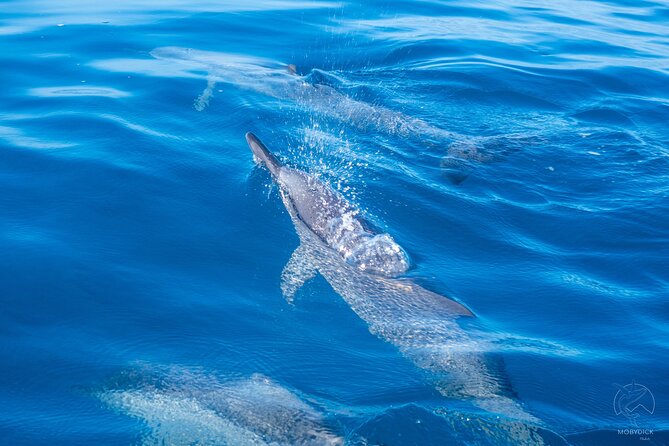
Most people picture whale season as a big production. This one works differently because it focuses on a more sparsely used area between Paea and Papara. The goal is simple: fewer crowds, better chances to approach with respect, and a more natural rhythm between the boat, the whales, and the ocean conditions.
On Tahiti, that quiet coast matters. Humpbacks move on their own schedule, and the tour’s style reflects that. Guides don’t treat the ocean like a venue. They follow established rules for getting close without messing with the animals’ behavior, and they’re ready to adjust if the day isn’t cooperating.
It’s also a good sign that the tour is built around education. The guides share information about whale biology while they’re searching, so you’re not just waiting in silence for a blow to appear. You get context for what you’re seeing—signals, behavior, and why some moments matter more than others.
You can also read our reviews of more tours and experiences in Tahiti.

Stenella, group sizes, and the rules for getting in the water
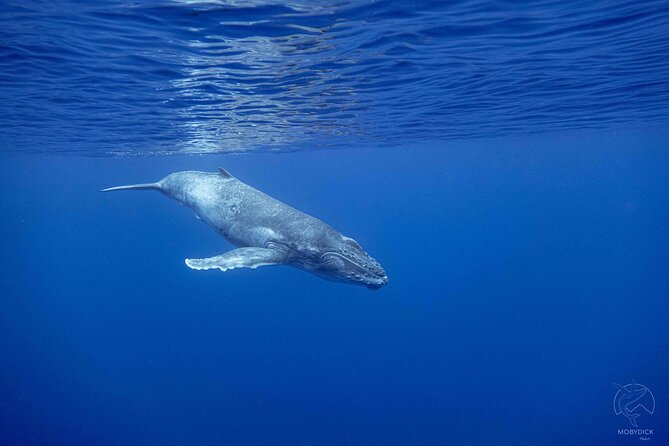
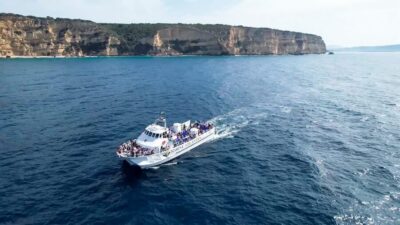
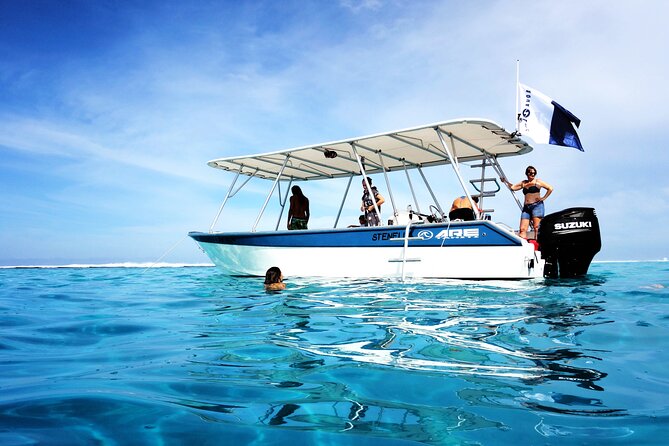
You board the Stenella, described as a comfortable and spacious modern 28-foot boat. That size is big enough to feel stable and manageable, but not so huge that you lose the personal attention that makes the experience better.
Then there’s the key part: whether you swim.
You’ll choose from three setup styles:
- Boat 6 swimmers (+ observers): the most water-time friendly option if you want a small group feel.
- Boat 12 swimmers max: more budget-friendly, and if more than 6 passengers want to enter, a rotation system is used.
- Private boat for 1 to 12 passengers maximum: best if you want quieter logistics and tighter control of your day.
Important reality check: the guide reserves the right to refuse swimming depending on conditions. That’s not just policy for show. It’s about keeping the approach within the guidelines and prioritizing safety and whale welfare.
Fitness requirement you should take seriously
To enter the water, you must be able to swim at least 200 meters with fins, mask, and snorkel. Children under 10 years old can’t swim. If you’re strong in open water, great. If swimming isn’t your thing, you can still enjoy from the boat when water entry isn’t authorized—but you should know up front that the swim side has a clear standard.
Also, there’s no changing room or office. Boarding is immediate, and you meet at the pier area at PK 27 in Paea.
How the 4 hours usually play out: find, listen, approach, decide
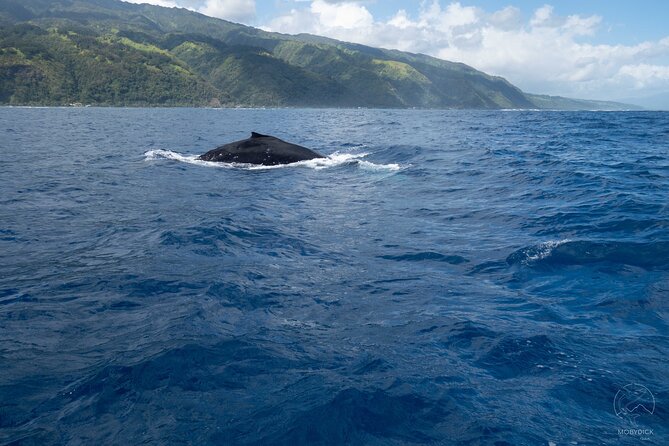
This tour runs about 4 hours. Since there aren’t stops listed beyond returning to the meeting point, think of the day as one continuous flow: meet, gear up, scan and search, then potentially enter the water, then head back.
Here’s what makes that flow work in practice.
1) Meeting and briefing first
You meet at PK 27, Paea, then the team gives safety and whale info before getting underway. This matters because whale watching isn’t just spotting. The rules around approach distance and timing affect what you do next.


2) Use the listening system to help you locate whales
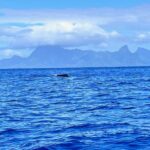
On board, there’s a listening system that broadcasts the calls of males. That’s not magic, but it’s smart. It helps you understand where activity is happening and can make the spotting process more efficient.
If you’re the type who likes to know what’s going on, this part is genuinely useful. You’re not guessing. The crew is using whale vocalizations to guide the search.
3) Approach only if conditions match
Once whales are in range, the guide checks the conditions and decides what you do next. If everything lines up with the DIREN approach rules, you may be authorized to enter the water.
4) Water entry is supervised, not a free-for-all
If you go in, you’re supervised. You don’t just jump in and hope for the best. The guide’s job includes monitoring the whales’ behavior and making sure the approach stays within the guidelines.
5) Return to PK 27
When the session ends, you go back to the meeting point area. It’s built as a tight, focused half-day: not a full-day boat trip.
Whale approach rules (DIREN): what that means for your experience
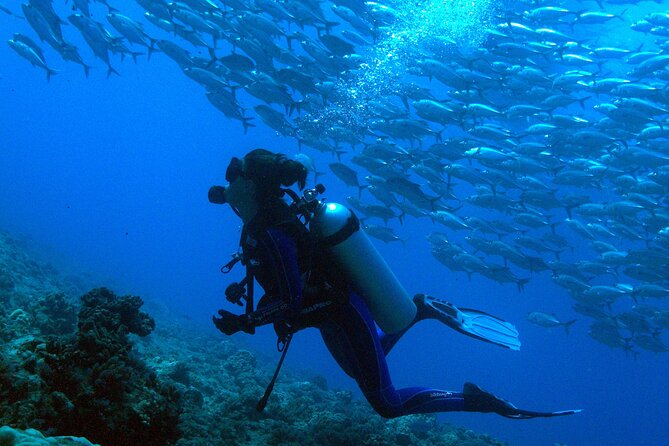
A key selling point here is that the guides respect the approach guidelines established by DIREN (the Regional Directorate for the Environment). In plain language: the goal is whale viewing with minimal disturbance, not getting the closest possible photo.
That approach affects two big things for you:
1) You might not get the swim. Even if whales are present, the guide may decide water entry isn’t appropriate for that moment.
2) You get a more natural interaction style. When you follow rules, the whales usually behave more like they would normally—showing you real behavior instead of a stressed, reactive animal.
This is also why whale sightings aren’t guaranteed. The ocean controls the schedule. Your day depends on where humpbacks are, the animals’ movement, and how the sea state and weather affect safe approach.
The upside? When it does come together, it feels less like a chase and more like you’re sharing the water for a short time while the whales do what whales do.
And yes, the boat crew matters. One captain was noted for navigating skillfully when conditions got rough on the return—another reminder that safety and seamanship are part of how the experience goes smoothly.
Weather, seasickness, and what to pack for a smooth day
The tour is clear that weather can change rapidly. That affects comfort, timing, and whether whale-watching conditions are safe and suitable.
If you’re prone to seasickness, plan ahead. The tour suggests checking with your pharmacist. That’s practical advice. Waiting until you’re already out on the water is the worst time to realize you need something.
Bring:
- Sun and rain protection. Even on sunny days, coastal weather can swing fast.
- Your own swim readiness items (if you have them). The tour can provide snorkeling equipment if you don’t bring your own.
One more detail that’s easy to overlook: because there’s no pickup and boarding is immediate, don’t treat this like you can stroll in unprepared. Get yourself and your essentials lined up before you head to PK 27.
Ticket timing and what to expect after booking
This is one of those activities where you should pay attention to confirmation timing. Confirmation isn’t instant. You should expect to receive confirmation within 48 hours of booking, depending on availability. The tour also notes there may be validation steps rather than automatic ticket activation.
On demand: it’s booked on average about 17 days in advance, so if your dates are fixed, don’t wait until the last minute.
The ticket is mobile, which is convenient, but it also means you should be sure your phone battery is ready. Out on the water is not the moment to discover you left your charger at home.
Price and value: is $205.27 worth it?
At $205.27 per person, this isn’t a cheap activity. But it also isn’t just a short boat ride. You’re paying for:
- A modern boat (Stenella) for a full half-day outing
- A guided search that includes whale vocalization listening
- Expert supervision if you enter the water
- Direction tied to official approach rules (DIREN)
- Snorkeling equipment availability if you don’t have your own
- Small-group options (up to 6 swimmers, or rotation systems)
Is it guaranteed you’ll swim with whales? No. Whale sightings and water entry depend on conditions. That’s the gamble you accept with any true wildlife experience.
So the real value question becomes: are you comfortable with the uncertainty and the swim requirement? If yes, this can be one of the most memorable things you do on Tahiti, because the whole point is being in the water near humpbacks with guidance and rules.
If you want a guaranteed show, you’ll likely leave disappointed. If you want a respectful wildlife day where the ocean is in charge, it can be money well spent.
Who should book—and who should sit this one out
This tour is a strong match if you:
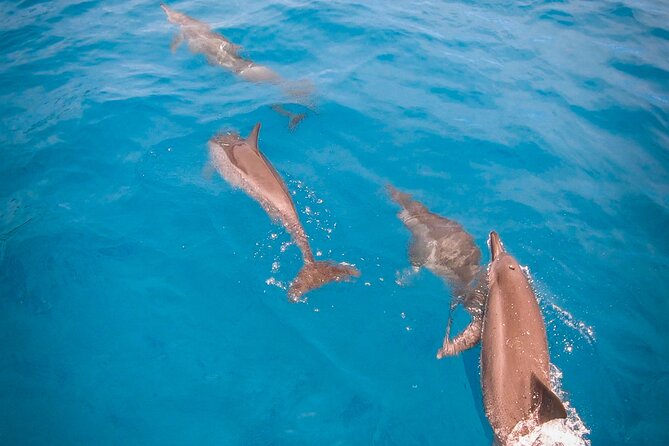
- Want humpback whales with a respect-first approach
- Like the idea of learning whale biology while you look
- Have the swimming fitness for water entry (200 meters with fins, mask, snorkel)
- Prefer smaller water-group sizes, like the 6 swimmers option
It’s a weaker match if you:
- Are not comfortable meeting swim standards
- Don’t handle moving water well (seasickness risk)
- Need guaranteed swimming or guaranteed sightings
Also consider your flexibility. The tour needs good conditions. If the sea is rough or whale approach conditions aren’t met, your day may shift toward viewing only.
Should you book this whale watching safari?
I think you should book if you’re aiming for a real wildlife interaction—not a checklist photo stop—and you’re ready for the no-guarantees truth of humpbacks. The blend of listening system, guided whale biology, and serious approach rules is exactly what makes this worth your time when the whales show up.
Don’t book it if you mainly want a guaranteed swim experience. Even with great guides, wild whales decide what happens. And if you’re not confident about swimming 200 meters with snorkeling gear, you should plan your expectations around boat viewing.
If you do book, go in prepared: sunscreen and rain cover, seasickness plan, and a calm mindset. When the day works, the experience doesn’t feel staged. It feels like you earned a moment.
FAQ
How long is the whale watching tour near Paea and Papara?
The experience lasts about 4 hours.
Is whale swimming guaranteed?
No. Whale sightings are not guaranteed, and water entry depends on conditions and the guide’s authorization.
What boat do you ride?
You board the Stenella, a comfortable and spacious 28-foot modern boat.
Do I need to swim to participate?
If you want to enter the water, you must be able to swim at least 200 meters with fins, mask, and snorkel. Children under 10 years old are not allowed to swim.
How many people are on the tour?
There is a maximum of 12 travelers. The water-entry setup can be 6 swimmers (+ observers), or 12 swimmers max with rotation, or a private boat for 1 to 12 passengers.
Is there snorkeling gear provided?
Yes. Snorkeling equipment is provided if you don’t have your own.
Where do I meet the tour?
The start is at PK 27, Paea, French Polynesia, and the activity ends back at the meeting point. There is no pickup service.
When will I get confirmation after booking?
Confirmation is received within 48 hours of booking, subject to availability. Confirmation is not instant.