REVIEW · TAHITI
Whale watching DE Tahiti Peninsula
Book on Viator →Operated by Polyn'Easy Dive and Tours · Bookable on Viator
One of the best things about Tahiti is that the ocean still feels wild. This small-group humpback whale outing focuses on viewing in the Tahitian Peninsula’s waters, with a guide and captain running a tight, safety-minded operation. I like that the experience is built around real marine rules, so the goal is respectful observation, not chasing.
Two things I really like: the crew brings clear, on-the-water explanations and keeps the vibe calm and controlled. And if you meet the swim comfort requirements, you may get the chance for a special launch with whales, handled under strict limits.
The main drawback to plan around is simple: a whale sighting (and especially an in-water launch) is not guaranteed. If you’re going only for certainty, this tour will keep you guessing.
In This Review
- Key Highlights
- Whale Watching Off the Tahitian Peninsula: The Big Idea
- From Meeting Point to Boat Ride: What the 4 Hours Feel Like
- The Crew Makes It: Guide Rules, Captain Control, and Romuald’s Reputation
- Snorkeling Gear, Snacks, and Why Comfort Is a Safety Issue
- How Whale Time Works: Migration, Season Windows, and Not-Guaranteed Launches
- Where You’re Actually Spending the Time (And What to Watch For)
- Price and Value: Is $188.27 Worth It?
- Who Should Book This (And Who Should Skip the Launch)
- Practical Tips Before You Go
- Should You Book Whale Watching Off Tahiti’s Peninsula?
- FAQ
- How long is the whale watching tour?
- How much does the tour cost?
- Is seeing humpback whales guaranteed?
- When is whale watching available?
- What’s included in the tour price?
- Is pick-up provided?
- What is the maximum group size?
- Can children join the in-water launch with whales?
- Do I have to swim to go on the tour?
- Where does the tour start and end?
Key Highlights
- Max 8 travelers on the boat, so you’re not packed in.
- In-water limit: 6 swimmers + 1 guide, which helps protect both people and whales.
- Optional launch with whales based on conditions and station rules; not systematic.
- Snorkeling equipment, safety gear, snacks, coffee/tea, and water are included.
- Whale observation season timing matters: late July through 20 November (subject to approval).
- Romuald gets a shout-out from past guests for being funny, flexible, and seriously safety-focused.
Whale Watching Off the Tahitian Peninsula: The Big Idea
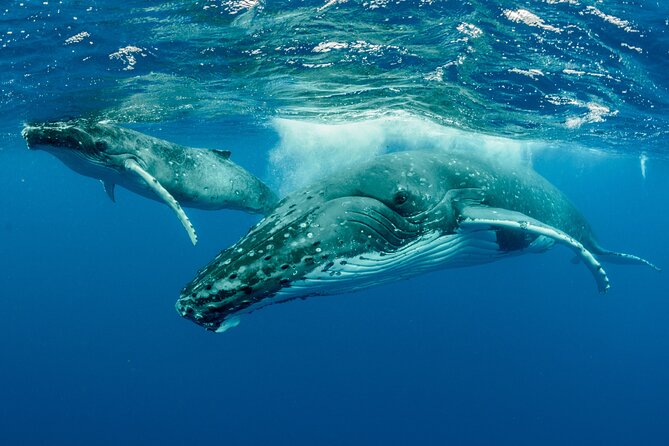
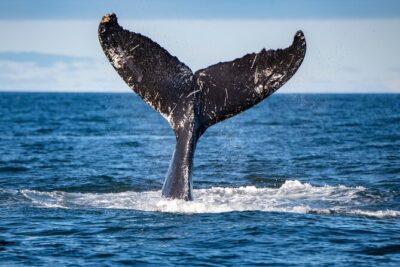
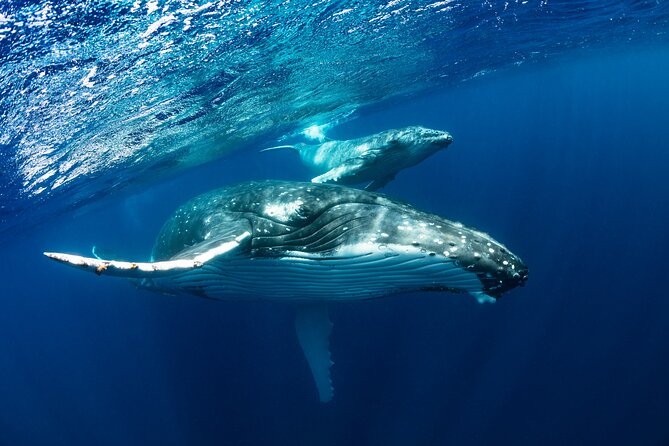
This is a natural marine mammal observation tour in Tahiti’s southern Pacific waters, aimed at humpbacks. The timing is the key story: humpbacks migrate from Antarctica to warm waters to breed, give birth, and raise their young. When the whales gather, your odds improve that you’ll actually see them—not just hear theories about them.
What makes this outing feel different is how it’s framed. The tour isn’t sold as a nonstop spectacle. The experience is built around an observation window that follows local station rules in French Polynesia. That matters because whale behavior changes. Some days the whales come close. Some days they don’t. Either way, the crew is operating within the boundaries that keep the interaction respectful.
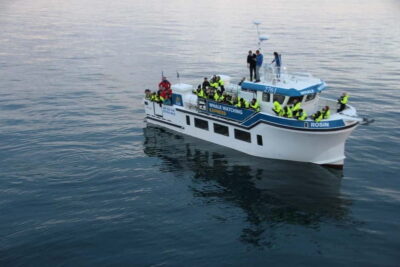
Also, the “small group” angle is more than marketing. With a maximum of 8 travelers on board, you’re usually easier to manage in terms of safety briefings, getting gear on fast, and staying calm if conditions aren’t ideal.
You can also read our reviews of more tours and experiences in Tahiti.

From Meeting Point to Boat Ride: What the 4 Hours Feel Like
This is roughly a 4-hour outing (often described as 3 to 4 hours), starting at the parking debarquadaire pensions at PK 17, Taiarapu-Ouest. You return to the same spot at the end, which keeps the logistics straightforward.
Here’s the rhythm you can expect once you meet your guide and crew:
First, you’ll get oriented and kitted out. Snacks, coffee or tea, and bottled water are part of the included package, so you’re not starting hungry or under-caffeinated. You’ll also use the provided snorkeling equipment and safety gear. Even if you don’t plan to swim with whales, this is still an ocean tour, and the gear helps you feel more ready when you’re in the water.
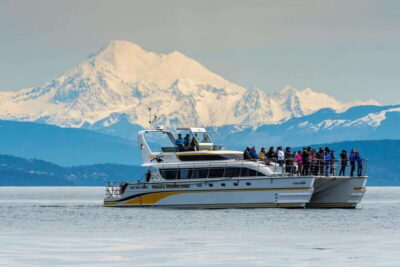
Then comes the real waiting game. Whale watching often means scanning, listening, and staying alert. The crew is there to locate whales and follow the local rules for approach. If the conditions are right, you may have the chance at an in-water launch with whales. If not, you still spend the time observing from the boat and learning about what you’re seeing.
One thing to keep in mind: the tour is weather dependent. If conditions are poor, the operator may shift dates or refund. That’s standard for whale tours—but it’s worth treating this as a “window,” not a guaranteed moment.
The Crew Makes It: Guide Rules, Captain Control, and Romuald’s Reputation
In whale water, the biggest difference-maker is how the crew manages risk. This tour is run by professionals—specifically a guide and captain—who handle both safety and the fun part: explanations.
The strongest praise in the reviews centers on the guide’s attitude and focus. One name that stood out is Romuald, described as funny and accommodating, while also being very serious about safety for both passengers and whales. That combination is rare. You want a guide who can loosen the mood without getting careless.
The crew also respects the fact that this is a living animal encounter, not a show. The tour doesn’t promise you’ll jump in. Launch time is described as optional, condition-based, and not automatic.
You’ll feel this in the rules: there’s a defined maximum number of people allowed in the water at once—6 swimmers plus 1 guide. That limit helps prevent chaos and makes it more likely the crew can keep everyone calm and positioned correctly.
Snorkeling Gear, Snacks, and Why Comfort Is a Safety Issue
This is not just “bring yourself and hope.” You’re provided with snorkeling equipment, plus safety equipment, bottled water, and snacks.
That matters because your body needs to function well when you’re dealing with:
- a natural ocean environment,
- changing conditions,
- time in and around the water.
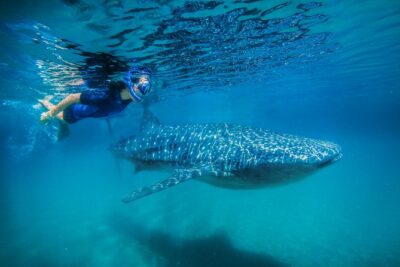
The requirements for joining the whale launch are also very practical. To swim with whales, you need to be able to swim at least 200 meters without assistance, and you should be comfortable in the ocean environment even with the boat’s slide. That last detail is telling: the operator expects you to be fine physically and mentally once you’re on the move and in the water.
If you don’t meet the swim requirement, you can still go on board as an observer, but the in-water launch won’t be for you. Adults who are non-swimmers or observers don’t do the launch either.
So yes, the gear and snacks are nice. But the real value is that this setup reduces stress. Lower stress usually means better decisions in the water.
How Whale Time Works: Migration, Season Windows, and Not-Guaranteed Launches
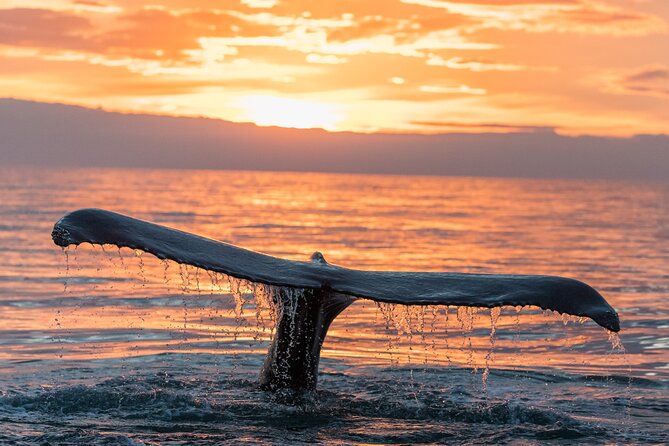
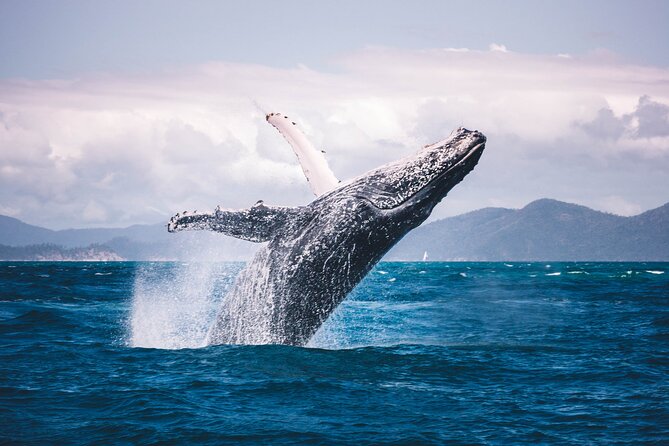
Humpback whales come through Tahiti’s waters because their migration route lines up with breeding and raising young. From October, the whales regroup before heading back to Antarctica at the end of November.
This operator also lists an observation period allowed from late July through 20 November, subject to DIREN approval. In plain terms: if you travel outside the window, the experience may not be running in the same way.
Now the important part: observation and launch rules.
- Observations are not guaranteed.
- A whale launch is not mandatory and not systematic.
- When the crew does approach, they follow station rules in French Polynesia.
This is actually a good sign. It means you’re not being pushed into an interaction the whales aren’t ready for. And it protects you, too—because the crew can call things off if conditions make an in-water moment unsafe.
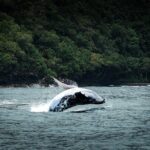
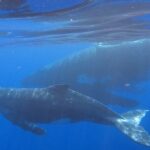

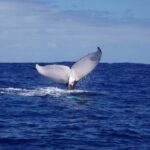
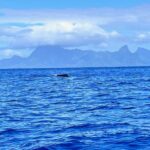
Where You’re Actually Spending the Time (And What to Watch For)
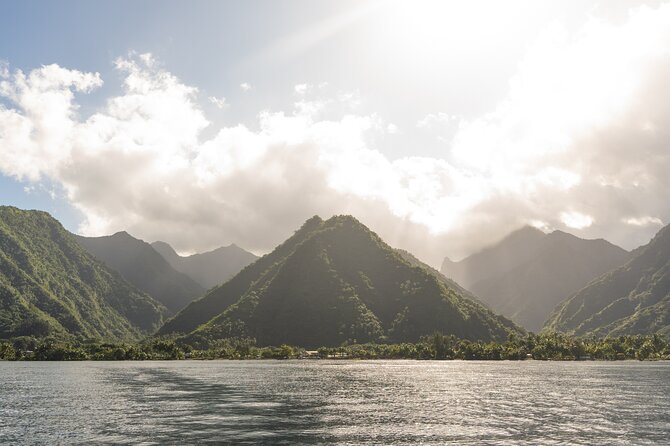
The listing doesn’t spell out “Stop A, then Stop B” in land-based terms, and that’s because the action is on the water. Your time is spent cruising and searching, then observing and possibly swimming if whales are close enough and conditions are right.
Here’s what “good whale watching” looks like in this setting:
- You’ll keep your eyes on the surface for breath and movement patterns.
- You’ll rely on the guide’s explanations to connect what you see with what the whales are doing.
- You’ll follow approach rules, which means you stay aware of spacing and movement—not just how close the whale seems.
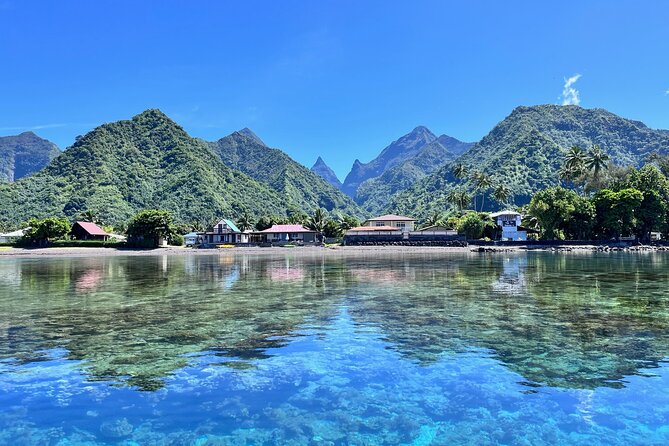
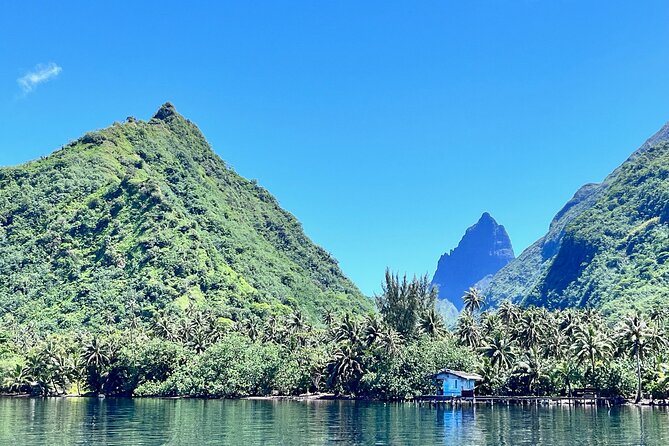
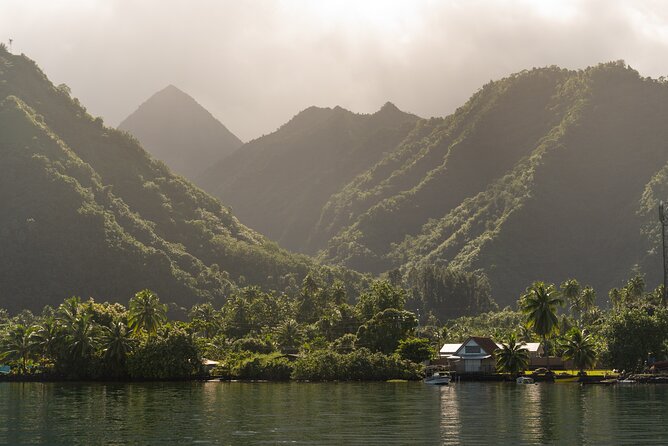
The natural setting is part of the pitch: it’s described as lush and wild, with a focus on avoiding mass tourism. In practice, that usually means fewer people around the animals, less noise, and more structured behavior on the water.
If you do get the chance to launch, remember this is not a free-for-all. The operator has set limits for swimmers in the water, plus age-based rules:
- Children under 12 are not launched with whales.
- For ages 12 to under 18, launch requires parental authorization.
- If there’s any doubt, kids may participate as observers on board.
That’s all consistent with the idea that this is controlled interaction with a heavy safety burden.
Price and Value: Is $188.27 Worth It?
At $188.27 per person, this isn’t a bargain-bin activity. But whale tours often cost more because you’re paying for:
- a qualified guide and captain,
- safety equipment and a regulated observation approach,
- a small-group boat experience,
- and the real work of finding the animals in open water.
What makes this one feel like reasonable value (in my eyes) is the combination of small group size (max 8) plus included essentials. You get snorkeling gear, safety gear, snacks, water, and coffee/tea. You’re not paying extra at the last second for the basics.
Also, the in-water option is limited and controlled. The water limit of 6 swimmers + 1 guide is part of why this costs more than the kind of tour that just lets a lot of people jump in. Fewer people, more structure, and better odds of everyone getting out safely.
Finally, the reviews’ tone matters. The highest praise isn’t about flashy claims. It’s about respect for the whales and safety-first guidance. When a tour’s reputation is about calm competence, the price is easier to justify.
Who Should Book This (And Who Should Skip the Launch)
This tour fits best if you want:
- a guided whale experience with clear explanations,
- a small-group setting,
- and a respectful approach to nature.
If you can swim 200 meters without assistance and you can stay calm around large marine animals (whales are listed as 1 to 30 tonnes), you’ll have the chance to participate in the launch if conditions allow.
If you’re a non-swimmer or not comfortable in the water, you can still book—just plan on observing from the boat rather than entering the water with whales.
A moderate physical fitness level is recommended. And if you have a disability, reduced mobility, or an injury or temporary discomfort, you should inform the operator in advance so they can do their best to adapt your welcome.
Practical Tips Before You Go
A few small things can make a big difference on a whale tour:
- Bring your calm. If you panic in open water, you’ll struggle with the experience even if you’re physically prepared.
- Prepare for real ocean conditions. This is described as a natural ocean environment, including comfort with the boat’s slide. If you’re sensitive to rough seas, consider how you typically handle swells.
- If you want the in-water option, train your confidence. The 200-meter swim requirement isn’t about athleticism. It’s about being able to move safely without assistance.
- Don’t over-plan the day around certainty. The launch isn’t guaranteed, and observations depend on conditions.
- If you need special handling, message them early. The operator explicitly asks you to inform them about special needs so they can adapt.
Also note: pickup isn’t listed as included. You should be ready to get to the meeting point yourself at the parking debarquadaire pensions (PK 17, Taiarapu-Ouest).
Should You Book Whale Watching Off Tahiti’s Peninsula?
I’d book this if you want a whale tour that respects the rules and runs with a safety-first mindset. The small-group limit, the strict in-water swimmer cap, and the fact that the in-water launch is conditional (not forced) are all signs of a more mature operation.
I would think twice if you need a guaranteed in-water swim or if you’re expecting a certainty package. This tour is built on nature’s schedule. When whales show up close, you get something special. When they don’t, you still have a guided observation experience.
If you’re a strong swimmer and you’re excited by the idea of a structured whale moment under professional supervision, this is a very good fit. If you’re mostly looking for a low-effort boat ride with no chance of swimming, you’ll likely still enjoy it—but don’t base your trip on the launch happening.
Bottom line: if you like controlled adventure and you’re traveling in the allowed season window, this one is worth your time.
FAQ
How long is the whale watching tour?
It runs for about 4 hours.
How much does the tour cost?
The price is $188.27 per person.
Is seeing humpback whales guaranteed?
No. Observations are not guaranteed, and a whale launch is not mandatory or systematic.
When is whale watching available?
The allowed observation period is listed from 20 July (as written) through 20 November, subject to DIREN approval.
What’s included in the tour price?
Coffee and/or tea, bottled water, snacks, snorkeling equipment, safety equipment, and a guide are included.
Is pick-up provided?
Pick-up is not included; it may be possible on request.
What is the maximum group size?
The boat has a maximum of 8 travelers.
Can children join the in-water launch with whales?
Children under 12 years are not launched with whales. For ages 12 to under 18, launch requires parental authorization. If there’s doubt, children may participate as observers on board.
Do I have to swim to go on the tour?
To join the launch with whales, you must be able to swim at least 200 meters without assistance. If you are a non-swimmer, you would not be launched with whales (you can still be an observer).
Where does the tour start and end?
It starts at the parking debarquadaire pensions PK 17, Taiarapu-Ouest, and ends back at the same meeting point.