REVIEW · CANARY ISLANDS
Dolphin and Whale Watching in La Restinga
Book on Viator →Operated by VIMOTIONS · Bookable on Viator
Dolphins in the open Atlantic can be magic. This La Restinga outing trades sand for real marine-life spotting, plus onboard interpretation and hydrophones so you do not just look—you also listen. I especially like the small group setup (max 10), which usually means more time with the skipper and fewer awkward waits while everyone tries to see.
My other favorite part is the responsible observation approach: the crew works under a marine-biologist team and follows codes of conduct for cetaceans and their habitat. The one drawback to plan around is weather—this trip depends on favorable conditions, and sailing plans can change if seas are rough.
In This Review
- Key things I’d plan around on this La Restinga watch
- From La Restinga to the Atlantic: what the 3-hour outing is really like
- Small group size and the guide style you’ll feel on the boat
- Responsible cetacean watching: why this matters for what you see
- Hydrophones: hearing whales and dolphins, not just spotting them
- What wildlife you can realistically look for (including the hard-to-see beaked whale)
- The route feel: views of Santa Cruz de Tenerife and the El Hierro marine waters
- Alcuzas Beach swim stop: when the tour shifts from watching to doing
- Comfort and safety basics that actually help on the water
- Price and value: is $54.17 per person a fair deal?
- Who this tour is best for, and who should think twice
- A quick game plan before you go
- Should you book this dolphin and whale watching in La Restinga?
- FAQ
- How long is the dolphin and whale watching trip?
- Where does the tour start in La Restinga?
- What time does the tour begin?
- Is swimming included, and where do you swim?
- What wildlife might I see on this tour?
- Is food or drinks included?
- How big is the group?
- What happens if the weather is poor?
Key things I’d plan around on this La Restinga watch
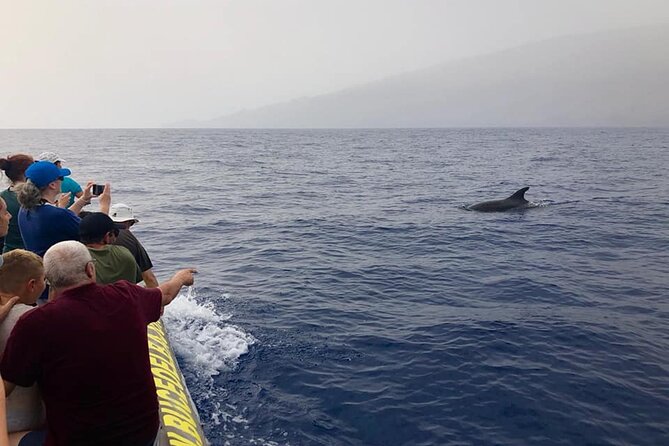
- Hydrophones on board so you can hear cetacean sounds, not only spot animals
- Small group size (5 to 10) for more skipper attention and better viewing
- Marine biologists support the crew with responsible-watching rules
- Alcuzas Beach swim stop paired with coastal views of the El Hierro marine reserve area
- Close approach for photos while still following conservation-focused conduct
- Rare-leaning odds that include the possibility of a beaked whale, noted as very hard to see in Europe
From La Restinga to the Atlantic: what the 3-hour outing is really like
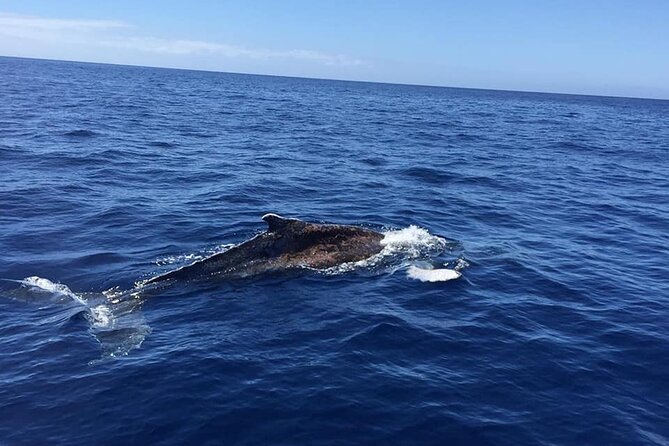
This is a focused, no-nonsense trip: about 3 hours on the water, starting at 2:00 pm. You meet at Centro de Buceo El Bajón in La Restinga, then head out from the southern waters around El Hierro’s surrounding Atlantic.
The timing matters. An afternoon start gives you daylight for spotting and photography, and it also makes the swim stop feel natural rather than rushed. The cruise is designed as a search-and-watch experience, not a long scenic day trip, so you get more time actively looking.
A practical note: since it ends back at the meeting point, it is easy to build into a half-day plan around La Restinga itself. If you are here for beaches and seafood, this can be the day’s switch-up without wrecking your schedule.
Small group size and the guide style you’ll feel on the boat
A max group of 10 travelers is a big deal on wildlife boats. When the deck gets busy, people usually crowd to the sides and everyone’s view suffers. Here, the small group size makes the viewing flow calmer, and it is easier to hear instructions when the skipper is repositioning.
One name that pops up in feedback is Dani, described as professional and full of marine knowledge. That matters because whale watching is partly luck, but it is also partly interpretation. A good skipper helps you understand what you are looking at—blow patterns, surfacing behavior, and how animals move through the water.
You also get that added attention that only small groups tend to deliver. If you want to ask questions, you are not speaking into a wall of silence while someone else blocks your view.
Responsible cetacean watching: why this matters for what you see
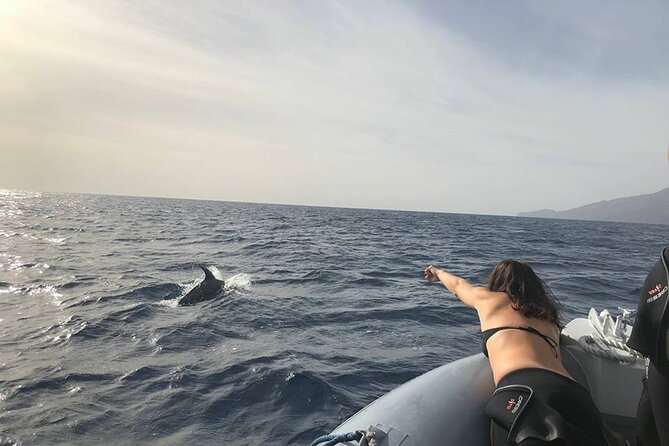
This trip is set up with conservation in mind. The crew is supported by marine biologists and works with codes of conduct for responsible observation. In plain terms: they aim to see cetaceans without stressing them or pushing them into uncomfortable behavior.
You feel the difference in how the boat approaches wildlife. Instead of racing toward every splash, the team’s goal is to observe and document while respecting the animals’ space. That is good for the whales and dolphins, and it is also good for you—calmer, more controlled viewing often leads to longer, more stable sightings.
They even use scientific tools onboard. The operation includes listening and recording (via hydrophones and data collection), which turns your trip into more than a quick sightseeing event.
Hydrophones: hearing whales and dolphins, not just spotting them
The standout technical twist here is the hydrophone. During the cruise, you can listen to whale and dolphin sounds through the water. That changes the whole experience, especially when animals surface briefly. Even if you miss a full view, you might still catch evidence of what is happening below.
Hydrophones also add a sense of connection. You are not only scanning for movement; you are tuning your attention to sound cues. It is a small tool with a big impact, and it makes the trip feel more like a guided marine encounter than a generic boat ride.
The team also records images and other scientific data. You likely will not see all the behind-the-scenes details, but it helps explain the careful observing style and why the crew is so focused when an animal appears.
What wildlife you can realistically look for (including the hard-to-see beaked whale)
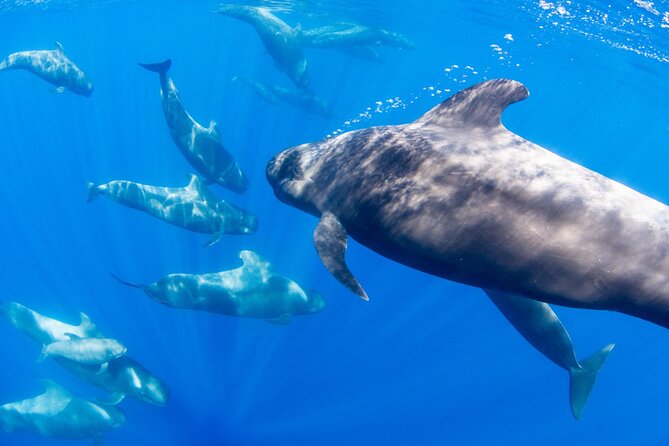
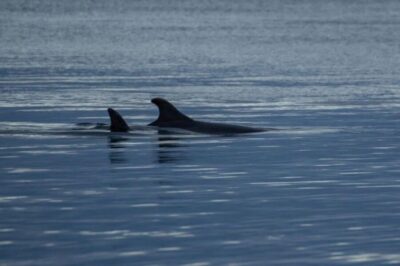
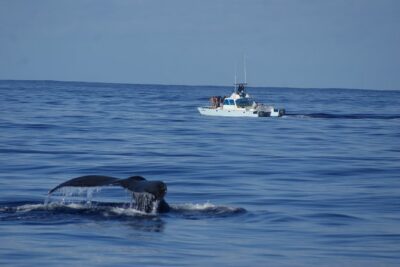
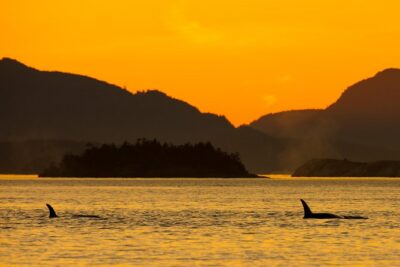
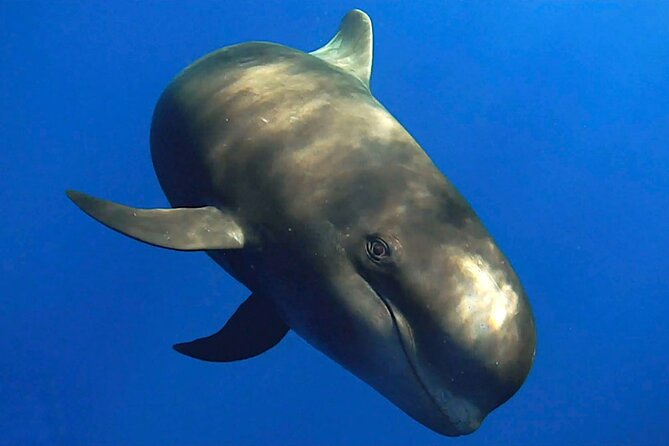
The core target is a mix of dolphins and whales, with the possibility of a beaked whale. Beaked whales are called out as very rare to see across all Europe, so if that species is on the cards for this area and season, this is the kind of tour that aims to maximize those odds.
In practice, wildlife sightings can include different cetacean species during a single outing. The experience description calls out several whales and dolphins, and it specifically mentions beaked whales as part of the range.
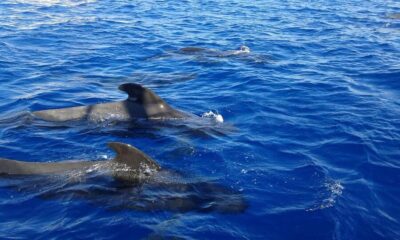
You may also get surprise bonuses. One account highlighted pilot whales and bottlenoses, along with seabirds like cory’s shearwaters and European storm petrels. Another mentioned hammerhead sharks and even the sight of a rescued little turtle. Those are not guaranteed, but they are good examples of the wider Atlantic ecosystem you might spot while you are busy watching the cetaceans.
If you care about variety—something more than just one dolphin pod—this tour fits that mindset. The goal is active searching around the El Hierro marine reserve waters and nearby coastal areas, which increases your chances of encountering different animals in the same trip window.
The route feel: views of Santa Cruz de Tenerife and the El Hierro marine waters
While the trip is centered on marine life, you also get a sightseeing layer. As you sail, you can take in views toward Santa Cruz de Tenerife from the boat. That helps the trip feel balanced: wildlife spotting plus visual context for where you are.
The sailing route also takes you through the marine environment surrounding the island. The experience is tied to the coastal waters associated with the El Mar de las Calmas, described as part of the El Hierro marine reserve area. When a tour connects wildlife to an actual conservation zone, it usually means the crew understands local patterns and tends to keep observation organized.
Also, this is a chance to see the coastline from water level. Even if you are already familiar with the look of the islands from shore, the perspective from the deck can feel like a different landscape. You spend less time moving your eyes across a beach crowd, and more time tracking wildlife against open ocean.
Alcuzas Beach swim stop: when the tour shifts from watching to doing
About partway through the outing, the boat stops at Playa de las Alcuzas in a cove area. This is your swim break, and it gives you a change of pace that many whale-watching tours skip.
Why that swim stop is valuable: it turns your trip from purely observational into a mixed experience. You are still in a conservation-focused context, but you also get to enjoy the water up close, which makes the day feel more complete even if cetacean action is brief.
You’ll also likely appreciate the timing of the swim. Because the cruise is only about 3 hours total, you are not waiting all day for one moment in the water. You get it as a planned segment rather than an afterthought.
One practical consideration: food and drinks are not included. If you plan to swim, you will want to bring essentials like water, a light snack if you need it, and anything you need for comfort on the deck.
Comfort and safety basics that actually help on the water
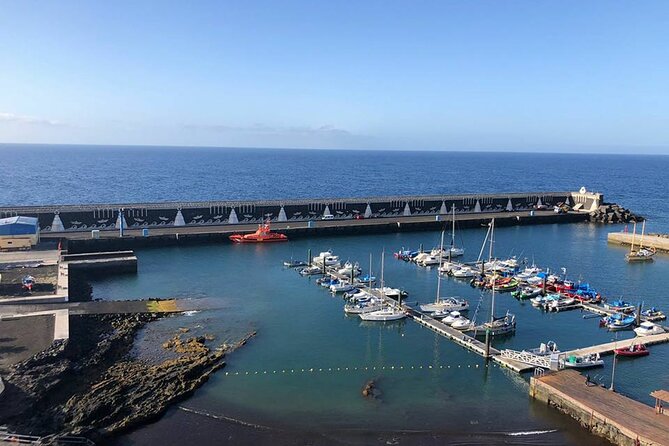
This boat has a comfortable deck with an awning, which makes a noticeable difference when sun and wind shift. Safety is covered with life jackets provided on board, and insurance is included as part of the experience.
The operation also lists a Blue Flag license. Blue Flag is widely associated with beach and environmental standards, and even though it is not the same thing as a wildlife license, it does signal a commitment to proper operating standards in the marine setting. In a tour like this—where conservation and safety both matter—that type of compliance detail is a positive.
From a reader standpoint, what I’d take from this is simple: you are not stepping onto a rough, bare-bones boat with zero shelter. You can focus on spotting rather than constantly adjusting for discomfort.
Price and value: is $54.17 per person a fair deal?
At $54.17 per person for about 3 hours, the price is competitive when you factor in three things that are not always included together:
1) The trip is built around responsible observation with marine biologist support.
2) You get hydrophone listening, which adds a real educational and experiential layer.
3) You also get a swim stop plus onboard comfort (awning) and basic safety gear (life jackets, insurance).
Is it the cheapest option? It might not be. But whale watching is one of those activities where the real cost is the boat operation and the expertise required to watch responsibly. Here, you are paying for more than movement on the water—you are paying for structure: small group size, a science-supported approach, and time spent around a reserve area.
If you are the type who hates paying extra and then sitting silently while nothing happens, this one has an edge. Even when sightings vary, the hydrophone and guide interpretation help you stay engaged.
Who this tour is best for, and who should think twice
This works best for you if:
- You want a focused, not-all-day whale and dolphin outing.
- You value responsible marine viewing and want the experience to be about conservation, not chasing.
- You are excited by marine science tools like hydrophones and onboard data collection.
It may be less ideal if you hate wind and salt spray, because even with an awning, you are still on the Atlantic. Also, if you are expecting a guaranteed lineup of specific whales, treat this as a wildlife search trip. You will get more than just a toss-up—there’s expertise here—but nature still decides what shows up.
A quick game plan before you go
Since food and drinks are not included, I’d treat this like a small outing that still needs basic prep. Bring a swimsuit or swimwear if you plan to use the Alcuzas stop, and wear footwear you can manage on deck and in cove entry areas (especially if you are clumsy like me on boats).
Also plan to dress for changing conditions. The ocean can shift fast, and you will be standing outside even if the deck has shade. If you care about photos, having your phone or camera ready before sightings happen helps.
Finally, remember this is weather-dependent. If the forecast looks rough, keep your expectations flexible. The good news is that the company offers an option if the trip is canceled due to poor conditions, either an alternative date or a full refund.
Should you book this dolphin and whale watching in La Restinga?
If you want a humane, guided wildlife outing with more than sightseeing-only energy, this one is worth serious consideration. The small group size, the marine-biologist support, and the hydrophones are the big reasons.
I’d book it if you are looking for a memorable Atlantic experience from La Restinga that mixes wildlife spotting with an actual break in the water at Alcuzas Beach. If you are mainly shopping for the absolute lowest price, or you only want the most casual boat ride regardless of conditions, you may want to compare alternatives.
FAQ
How long is the dolphin and whale watching trip?
It lasts about 3 hours (approx.).
Where does the tour start in La Restinga?
You start at Centro de Buceo El Bajón, C. los Saltos, 23, 38917 La Restinga, Santa Cruz de Tenerife, Spain.
What time does the tour begin?
The start time is 2:00 pm.
Is swimming included, and where do you swim?
Yes. The boat stops at Playa de las Alcuzas cove, where you can swim.
What wildlife might I see on this tour?
You are looking for dolphins and whales, including a beaked whale. The experience also targets multiple species of whales and dolphins.
Is food or drinks included?
No. Food and drinks are not included.
How big is the group?
There is a maximum of 10 travelers, with a minimum of 5.
What happens if the weather is poor?
The activity requires favorable weather. If it is canceled due to poor weather, you will be offered an alternative date or a full refund.