REVIEW · TRINCOMALEE
Trincomalee: Dolphin & Whale Watching Boat Tour
Book on GetYourGuide →Operated by PIGEON ISLAND TOURS PVT LTD · Bookable on GetYourGuide
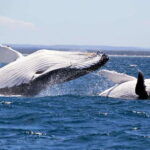
Whales aren’t guaranteed, but the day can still shine. This Trincomalee boat tour sends you off Nilaveli in search of blue whales and spinner dolphins, with strong odds for dolphin sightings. You’re also getting a big-chance nature experience without a full day commitment.
What I like most is the clear focus on wildlife (and the fact dolphins are practically the headline all season), plus the tour includes practical basics like a life jacket, 500ml bottled water, and a light breakfast. The main drawback is simple: the Indian Ocean can be choppy, and the boat comfort isn’t built for luxury—some seats can feel cramped, and whales are still a luck factor.
In This Review
- Key things to know before you go
- Trincomalee’s whale routes and why dolphins are the safer bet
- The 3-hour shared boat: what the day feels like on the water
- Nilaveli viewing stretch: scanning time, photo moments, and wildlife etiquette
- The species you’re actually looking for
- Price and value for $42: what you get (and what you don’t)
- Comfort, safety, and who should skip this bumpy ocean
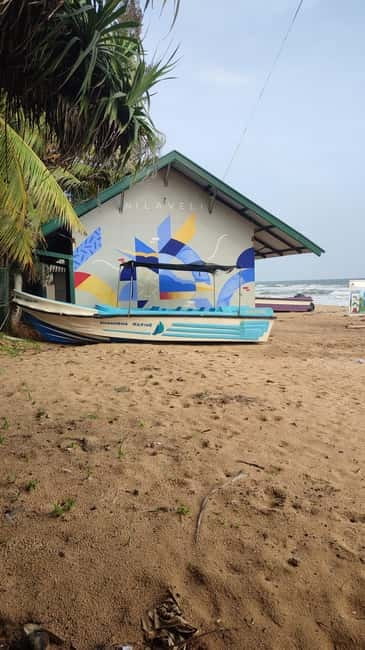
- Getting there: meeting at Pigeon Island Tours in Nilaveli
- Should you book this Trincomalee dolphin and whale tour?
- FAQ
- What animals can I see on this Trincomalee boat tour?
- How long is the tour?
- Where do I meet for the tour?
- Is hotel pickup and drop-off included?
- Can I swim during the boat trip?
- What should I bring for the ride?
Key things to know before you go
- Dolphins are the reliable win: the operator frames it as probably 100% dolphins during the season, while whales are more of a coin flip
- Best months for sightings: most sightings happen between March/April and August/September
- You’ll spend real time scanning: the schedule gives you about 2 hours of focused watching from the Nilaveli area
- Expect swell, not calm water: the sea is usually lightly choppy, so plan for motion
- Short and structured: you’re out for 3 hours total before heading back to the start point
- Good day trips need a good body: moderate fitness is required, and some health conditions make this a no-go
Trincomalee’s whale routes and why dolphins are the safer bet
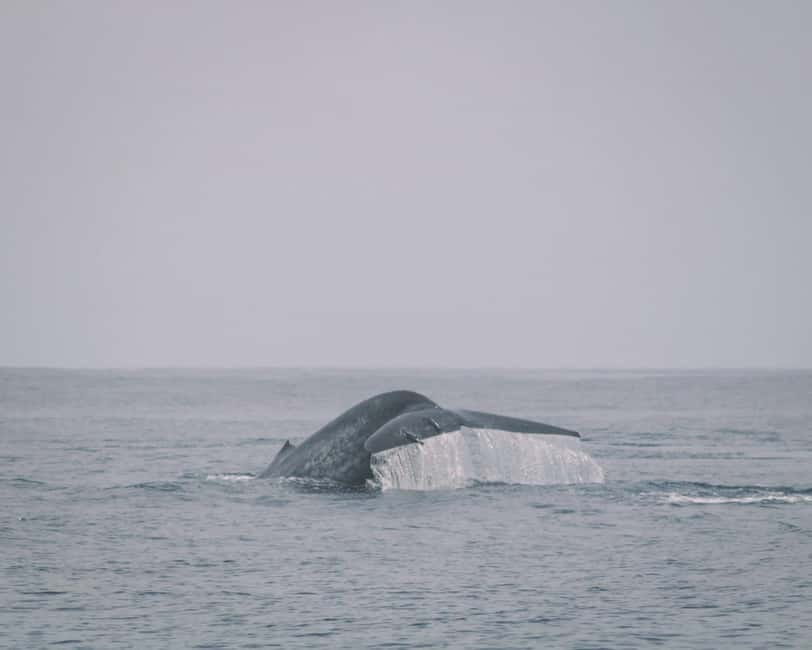
Trincomalee sits on Sri Lanka’s eastern side, and that matters for wildlife timing. The tour’s seasons align with whale migrations around the island—meaning you can often watch for marine mammals for a long stretch of the year, not just a couple weeks.
The operator’s own expectation is refreshingly direct: there’s about a 50/50 chance for whales and a high (near 100%) chance for dolphins during the season. That’s a big deal for your planning. It means you’re not banking the whole trip on one rare outcome. If you’re the type who wants an experience even on an off day, dolphins are usually your payoff.
Why do the months matter? The tour notes that sightings tend to cluster March/April through August/September. That lines up with whales moving along the coast routes around Sri Lanka, while dolphins are often present during this broader window. The practical takeaway: if you can choose dates, pick within that peak stretch. If your schedule can’t, you’re still not out of luck—you’re just choosing lower whale odds.
You can also read our reviews of more tours and experiences in Trincomalee.
The 3-hour shared boat: what the day feels like on the water
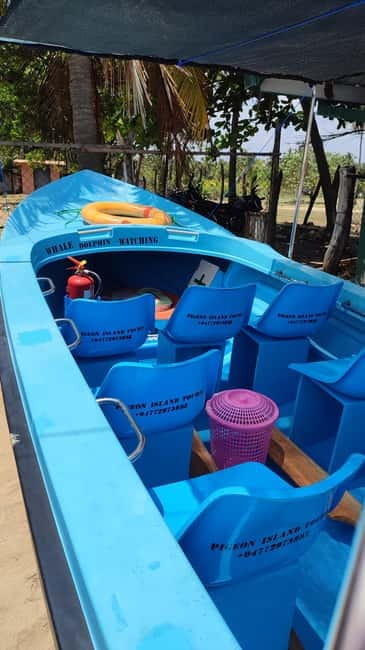
This is a shared excursion, either on a shared boat setup or in a small group of just six people. Either way, you’re out at sea long enough to get a proper chance at sightings, without turning the day into a full travel marathon.
Now for the part that decides whether you’ll enjoy it or suffer through it: the water. The tour clearly warns that the Indian Ocean isn’t calm. There’s always at least a light swell. If you’re new to boats on open water—or you’re the sort of person who turns pale on curvy roads—this matters.
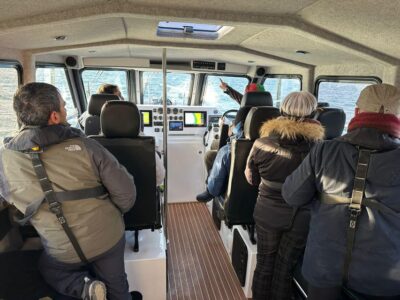
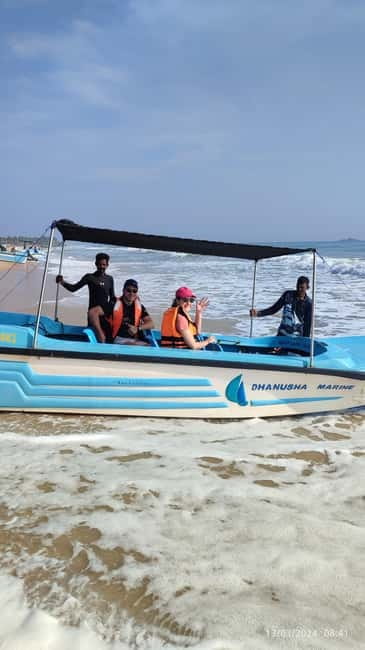
One review highlighted the choppy ride and still called it worthwhile, especially because the dolphins were active. Another pointed out comfort issues: cramped plastic seats and a bumpy ride that led to bruises. That tells me you should plan this like an adventure, not a spa day. Bring a towel or something you can sit on if you’re sensitive to hard surfaces (the tour provides life jackets and basics, not extra cushioning).
There’s also a fun, hands-on realism to the start of the trip. On at least one outing, people helped push the small boat into the sea. It’s not fancy, but it’s a good reminder: this is a working coastline operation, not a theme park.
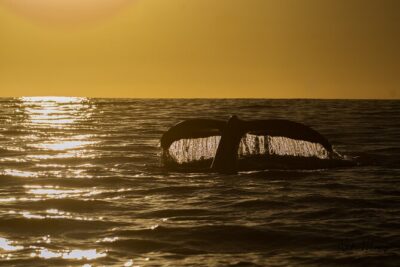
And yes, sunsets can happen. One person described a marvellous sunset after setting off in a small boat. Timing can vary, but the possibility is there because you’re heading out and returning within a few hours.
Nilaveli viewing stretch: scanning time, photo moments, and wildlife etiquette
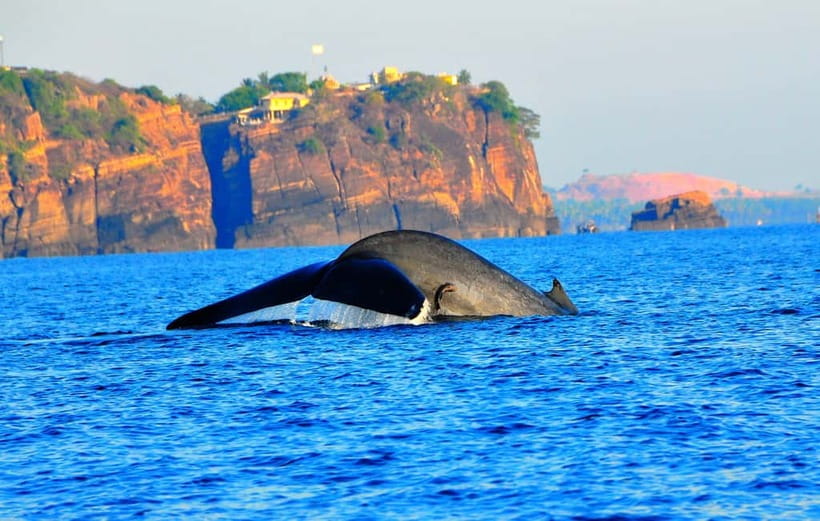
Your tour includes a Nilaveli segment with about 2 hours of dolphin/whale searching. That time block is your main wildlife window. Practically, it means you’ll likely repeat the process: scan, pause, adjust direction, scan again.
Keep your expectations flexible. On some days, the boat may come back without whales. That’s not a failure of the tour—it’s how marine watching works. In fact, one account described an outcome where whales weren’t seen, yet the dolphins more than made up for it. So if whales don’t show, don’t mentally check out early. Your best viewing can happen after you’ve already adjusted to the motion.
For photo fans: bring a camera and sunglasses, and be ready for fast moments. Dolphins—especially spinner dolphins—can move quickly and surface unpredictably. When you see them, you’ll likely want to keep your eyes on the water, not your phone. And when you’re on a boat, good posture matters for your shots; brace lightly with your legs and keep your camera secured.
Wildlife etiquette is simple here: stay seated, keep a respectful distance, and don’t swim. The tour explicitly says swimming isn’t allowed, so you won’t be tempted to jump in even if you get curious.
The species you’re actually looking for
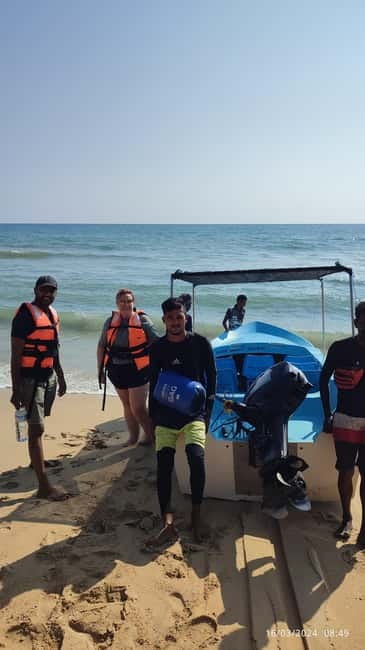
This tour’s search targets three main animals:
- Blue whales
- Sperm whales
- Spinner dolphins
The operator sets you up to look for these species off the coast of Trincomalee and around the Nilaveli area. The helpful part is that you’re not guessing what the tour is aiming for. They’re not marketing generic “sea life spotting.” They have a clear shortlist, which usually means your scanning time is focused.
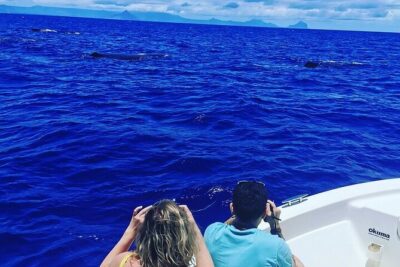
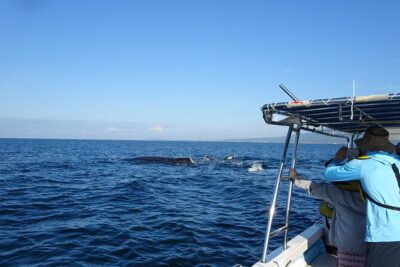
Still, you should treat whales as optional. The tour frames it as probably 50/50 for whales during the season, so consider dolphin watching the core win. When dolphins show up, the experience can turn into a long, lively viewing session. One review described hanging around for a long time as dolphins played and jumped around the boat—close enough to feel like you’re watching something from a different world.
Price and value for $42: what you get (and what you don’t)
At $42 per person, you’re paying for a short, structured marine outing with inclusion of the essentials. The tour includes:
- all fees and taxes
- your boat seat with a life jacket
- 500ml bottled drinking water
- a light breakfast (vegetarian or non-vegetarian)
That’s a solid value bundle. Many boat experiences charge extra for life jackets, water, or food. Here, the basics are included, so you can spend your thinking energy on the actual viewing.
What’s not included: hotel pickup/drop-off. If you’re staying farther from Nilaveli, you may need your own transport. The operator says they can arrange transfers for an extra charge, depending on your distance—so check that early if you want an easier morning.
One more value angle: the tour offers reserve & pay later and free cancellation up to 24 hours ahead. That’s not just fine print; it reduces stress if your weather luck or plans shift.
Comfort, safety, and who should skip this bumpy ocean
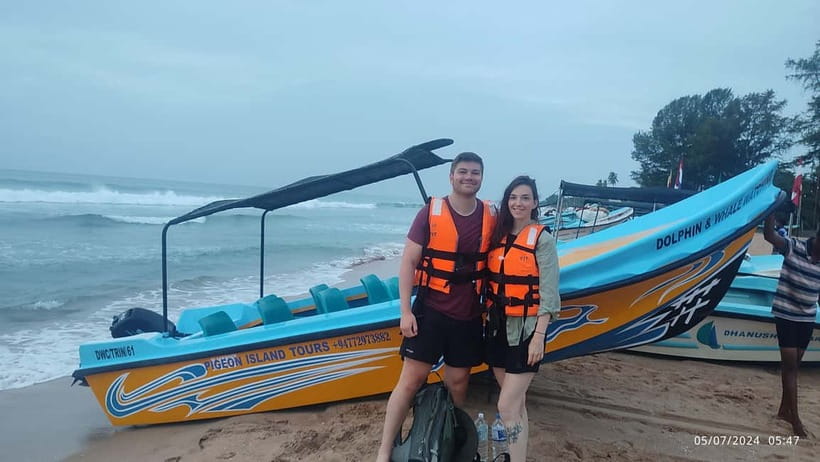
Let’s get real about the sea. The tour warns that there is always at least a light swell. That means you should plan for motion sickness, even if you consider yourself tough.
Your best move is to follow the tour’s guidance: take seasickness pills in the morning, about 1–2 hours before you enter the boat. They recommend brands Avomine or Celenid, and they also advise checking with a doctor or pharmacist first. You can find these at pharmacies across Sri Lanka.
Also, this tour isn’t for everyone. It’s not suitable for:
- children under 4
- pregnant women
- people with back problems
- people with heart problems
- people over 70
And the tour calls for a moderate fitness level. That makes sense in an environment where you’re boarding a small boat, shifting positions for viewing, and enduring a ride that can get choppy.
Comfort-wise, the seat setup can be a tradeoff. One review mentioned cramped plastic seats and bruising after the ride. You can’t change the ocean, but you can change your preparation. If you’re the type who gets uncomfortable easily, consider bringing a small seat cushion (something light) and dress in layers so you can stay comfortable when the wind changes.
Practical packing reminders from the tour:
- sunglasses
- camera
- drinks and water
Also, avoid the urge to swim. The tour forbids it.
Getting there: meeting at Pigeon Island Tours in Nilaveli
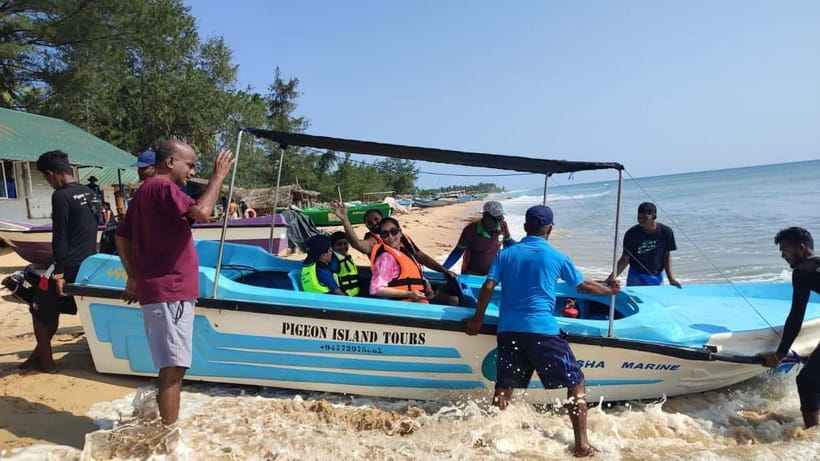
You’ll meet the operator at Pigeon Island Tours, 42/1B, 4th Cross Lane, Kannaki Amman Kovil road, Gopalapuram, Nilaveli, 31010, in Trincomalee. The tour also notes you’ll receive the exact meeting details via WhatsApp.
If you’re not in walking distance, plan transport ahead. Hotel pickup isn’t included, but the provider can arrange transfers for an extra charge depending on distance. Don’t wait until the last minute—marine tours leave on schedule, and you don’t want to gamble with traffic or parking.
Should you book this Trincomalee dolphin and whale tour?
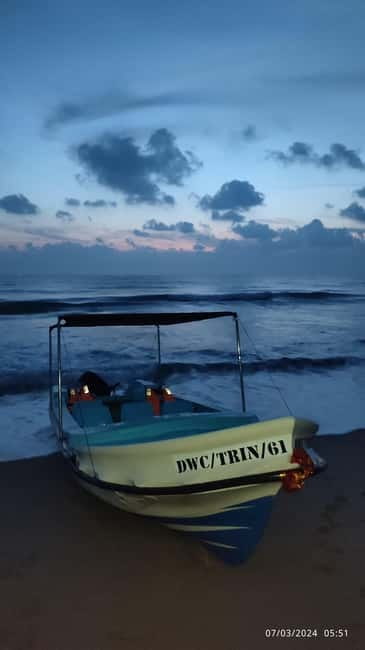
Book it if:
- you want a short, focused outing (about 3 hours total) rather than a long day trip
- you care about dolphins first and whales second
- you can handle light swell and you’re okay with a more basic, practical boat setup
- you’re visiting during March/April to August/September and want your best odds for sightings
Skip it if:
- you’re very prone to sea sickness and you don’t want to take medication
- you have mobility, back, or heart limitations (the tour lists these as not suitable)
- your idea of a great day requires roomy seating and smooth water (one account described bruises from cramped seats)
My final take: this is a strong choice for people who want real wildlife time off the coast of Nilaveli, not a guaranteed whale spectacle. The operator’s dolphin odds are the reason it’s worth considering. If you go with that mindset—and prepare for the chop—you’re much more likely to leave happy, even if whales don’t make an appearance that day.
FAQ
What animals can I see on this Trincomalee boat tour?
The tour is designed for spotting blue whales, sperm whales, and spinner dolphins off the coast of Trincomalee.
How long is the tour?
The duration is 3 hours from the start time, and then you return to the start point.
Where do I meet for the tour?
You meet at Pigeon Island Tours 42/1B, 4th Cross Lane, Kannaki Amman Kovil road, Gopalapuram Nilaveli, 31010. The tour notes you’ll be informed via WhatsApp.
Is hotel pickup and drop-off included?
No. Hotel pickup/drop-off is not included, but the provider says they can arrange transfers for an extra charge depending on distance.
Can I swim during the boat trip?
No. Swimming is not allowed on this tour.
What should I bring for the ride?
Bring sunglasses, a camera, drinks, and water. The tour also provides 500ml bottled water, and includes a light breakfast, but it advises you to bring your own drinks.