REVIEW · SEATTLE
Only Wildlife and Whale Watching Tour Leaving from Seattle
Book on Viator →Operated by FRS Clipper · Bookable on Viator
A whale watch from downtown sounds easy. The trick is finding whales in the Salish Sea, and this cruise starts right where Seattle’s waterfront energy meets real wilderness time. What I like most is the Pier 69 departure (steps from Pike Place) and the guided attention from an onboard naturalist, so you’re not just staring at water hoping for the best.
You get a proper mix of viewing time plus interpretation. On many sailings, you’ll hunt for orcas and humpbacks, with sightings of other marine wildlife along the way. One thing to keep in mind: the boat can spend a long stretch positioning before whales show up, and viewing can get crowded, so your comfort and photo odds depend a lot on where you choose to stand.
In This Review
- Key highlights to know before you go
- Pier 69 to the Salish Sea: Why this Seattle whale watch feels like a local escape
- Getting started at 2701 Alaskan Way and choosing where to sit
- Elliott Bay starter cruise: Seattle’s skyline while you wait for wildlife
- Salish Sea wildlife search: your real shot at orcas and humpbacks
- Onboard naturalist talks that help you spot what you’re seeing
- Viewing platforms and crowds: how to improve your odds on deck
- Food, drinks, and the onboard galley: keep it simple, plan for hunger
- Premium seating vs standard: where you’ll actually watch whales
- Weather and timing: why fog and calm matter
- Who should book this whale watch—and who might want a different plan
- Final call: should you book this Pier 69 whale watch?
- FAQ
- Where does the tour start and meet?
- How long is the whale watching cruise?
- What does it cost per person?
- What seating options are available?
- What wildlife can you see on this tour?
- Is there an onboard naturalist?
- Is food and drink available onboard?
- How many people are on the maximum group size?
- What if the weather is poor, or I need to cancel?
Key highlights to know before you go
- Pier 69 is the launchpad: quick access to downtown sights like Pike Place Market and the Space Needle
- Onboard naturalist guidance: expect clear explanations and Q&A during the search for whales
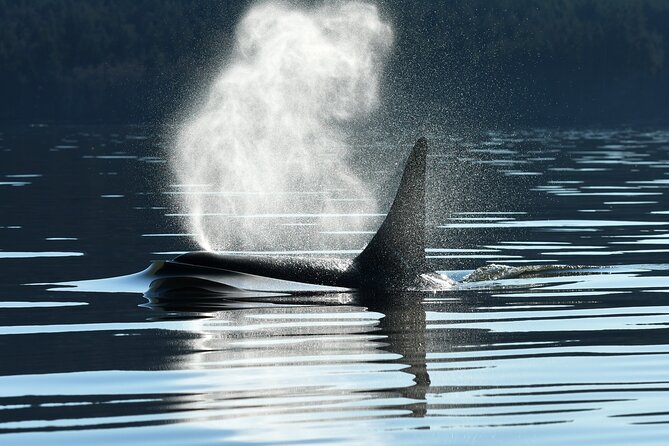
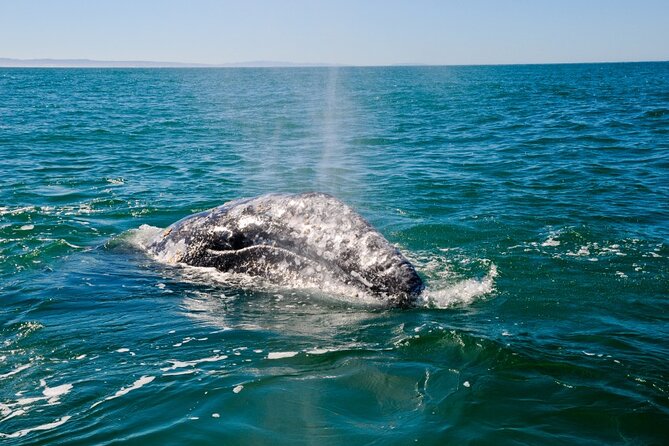
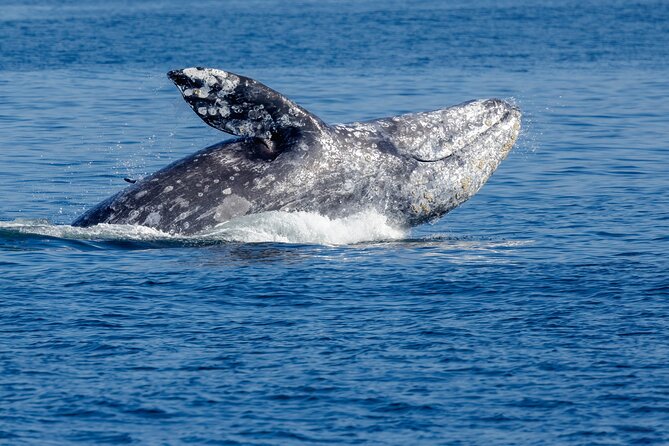
- Multiple wildlife possibilities: orcas, humpbacks, gray whales, minke whales, plus seals, sea lions, porpoises, and seabirds
- Bring binoculars: deck crowds can make it hard to scan with just a phone
- Seating matters, but movement matters more: premium/window options don’t automatically beat the bow viewing
- Food and drinks are available onboard: a workable plan when you’re out on the water for hours
Pier 69 to the Salish Sea: Why this Seattle whale watch feels like a local escape
This tour is built for people who want the water experience without sacrificing downtown time. You start at Pier 69 on Seattle’s working waterfront, with the skyline nearby at first and then—if conditions cooperate—you push into the Salish Sea for wildlife searching.
What makes it appealing is that it’s both practical and flexible. The itinerary keeps you out long enough to actually have whale time, but it’s still short enough (about 3 to 5 hours) that you can pair it with a Pike Place walk or a waterfront dinner afterward.
You can also read our reviews of more tours and experiences in Seattle.
Getting started at 2701 Alaskan Way and choosing where to sit
You meet at 2701 Alaskan Wy, Seattle, WA 98121, and this is a big part of the value. You’re close to major downtown landmarks, and you don’t need a long commute to reach the boat.
Seating comes in two flavors: standard (non-window) and premium seating. Here’s the honest takeaway from real-world experiences: premium seats are not a magic ticket. On one trip, someone noted premium window seats weren’t prioritized for whale viewing because much of the action happened from the observation area on the bow. In other words, don’t treat seating as the only solution—treat it as the first layer.
One more comfort tip: if you’re prone to motion sickness, plan ahead. At least one recent rider warned that onboard remedies can take about an hour to kick in, so the first part of the trip may feel rough if you wait too long. Warm layers also help if you end up spending time standing outside for the best angle.
Elliott Bay starter cruise: Seattle’s skyline while you wait for wildlife
The first movement is less about whales and more about perspective. After leaving Pier 69, the vessel heads into Elliott Bay. As you glide away from the dock, you get skyline views with the Space Needle off to the right, plus the waterfront stretching behind you.
This part matters more than you might think. If whale sightings are slow to start, you still get a scenic cruise and photo chances that feel like “Seattle from the water,” not just a slow ride to a distant spot. It’s also a good time to spot where other passengers are clustering—if everyone runs to the same viewing deck later, you’ll know where to aim.
Salish Sea wildlife search: your real shot at orcas and humpbacks
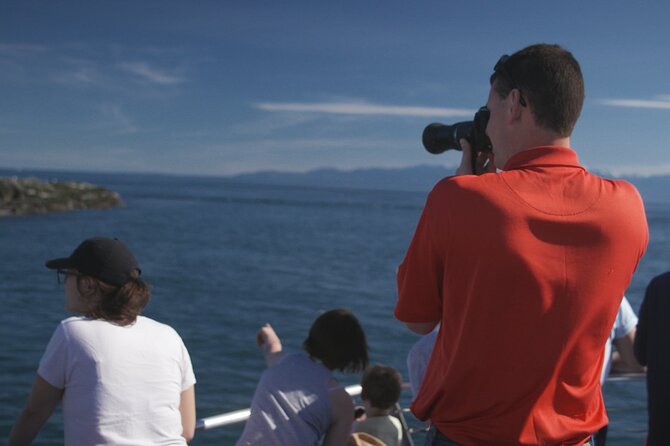
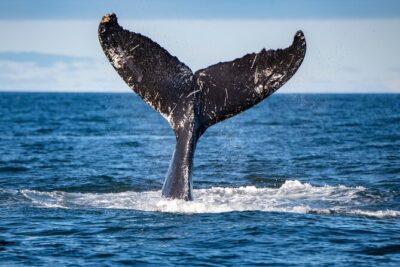
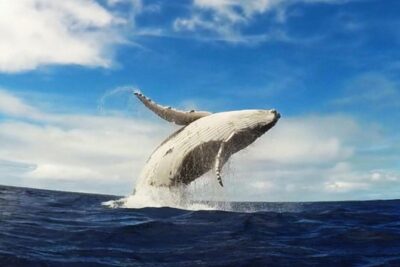
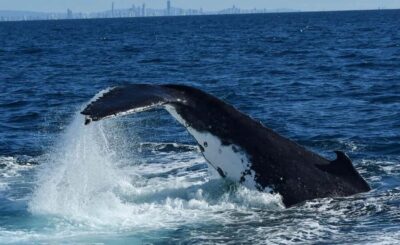
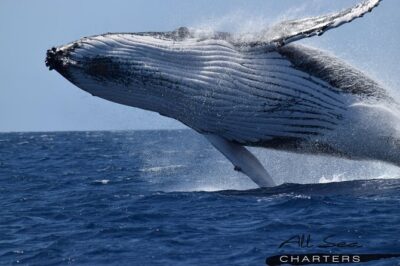
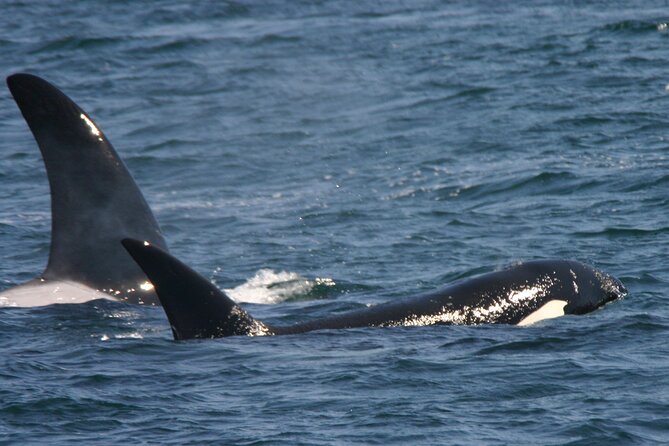
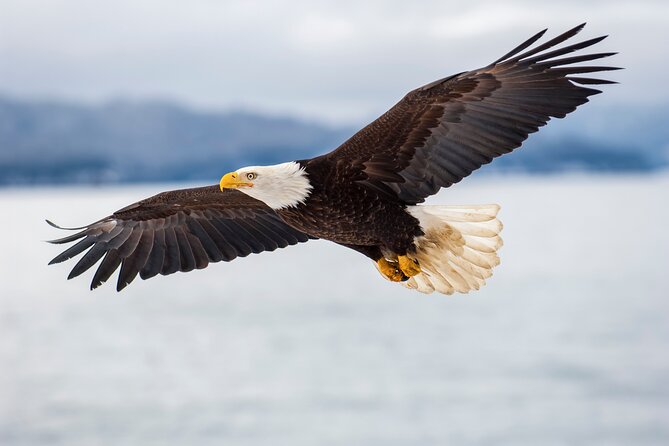
Once you’re out in the Salish Sea, the tour shifts into whale-search mode. The operator’s stated target species include orcas, humpback whales, gray whales, and minke whales, with a chance of seeing seals, sea lions, porpoises, bald eagles, and other marine birds.
This is where expectations need a little tuning. Whale watching is never a sure thing. Some trips are very productive—one sailing reported a pod of 9 to 10 orcas (with two families) and detailed naturalist commentary about the individuals. Other trips can feel thin, like when whales are either far offshore or sightings are brief.
There’s also the time-distance factor. One rider described around 90 minutes each way just to reach the best whale areas. That doesn’t mean it’s wasted time—it just means you should pack patience. The upside: once the captain and crew find activity, they can often turn back to spend more focused time watching.
Onboard naturalist talks that help you spot what you’re seeing
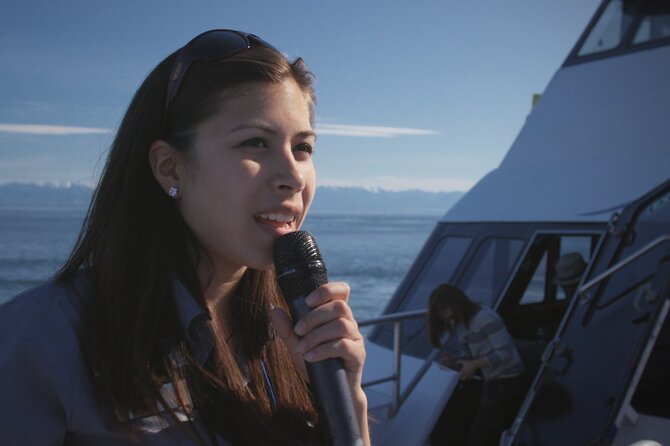
A big reason this cruise works is that you’re not flying blind. An onboard naturalist provides commentary, answers questions, and helps connect what you see to whale behavior and conservation.
You’ll get the most out of this if you treat it like a live field guide, not background noise. When the naturalist explains what to look for—like movement patterns, surfacing cues, and why whales choose certain areas—you start seeing more than just spouts.
There’s also a nice “human” angle from the reviews: one naturalist, Allison, was specifically praised for having a ton of information and keeping kids engaged with fun extras like books or figurines onboard. Even if your group isn’t traveling with toddlers, that kind of teaching approach usually means the adults get better context too.
Viewing platforms and crowds: how to improve your odds on deck
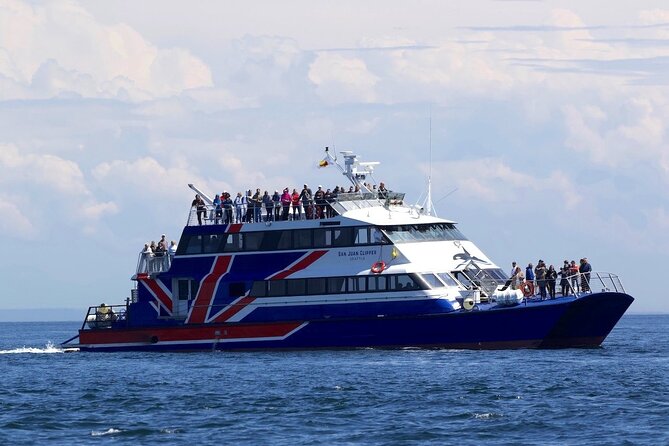
This is the reality check portion, because it affects your experience more than people expect.
Deck viewing can get crowded, especially when multiple whales are in play or when the boat is turning to share angles. Several riders noted that the deck can feel packed enough that it’s hard to see over others—particularly for shorter passengers. Another review described a situation where the boat didn’t rotate to provide equal angles, so someone had to move to the side closest to the whales to actually see.
So what should you do? Two simple habits:
- Be ready to move for the angle. Standing in the right spot beats sitting in the wrong one.
- Bring small binoculars if you can. Multiple riders recommended them, because scanning whales from a crowded platform is way easier when you’re not trying to zoom a phone into usefulness.
And if you really want a strong photo plan: keep your phone handy, but don’t assume it will capture sharp whale behavior from long distance. One review bluntly suggested cell phone cameras won’t produce very watchable results, and that higher-quality professional images can be worth considering if you get good activity.
Food, drinks, and the onboard galley: keep it simple, plan for hunger
This tour includes access to an onboard food and drink galley, which is a real comfort benefit on a 3- to 5-hour outing. You’re on the water long enough that you’ll feel it, especially if you end up spending extra time scanning or standing outside for sightlines.
Pricing for snacks and drinks was described as reasonably priced, and one rider said the food was better than expected. So you don’t have to cram a full picnic if you’d rather travel light. Still, bring what you personally like for long days—because if your group gets motion-sensitive or the weather turns chilly, you’ll want familiar comfort food more than “whatever’s available.”
Premium seating vs standard: where you’ll actually watch whales
The tour offers premium seating options alongside standard seating. On paper, premium sounds like better sightlines. In practice, at least a couple reviews suggest the advantage is limited.
One rider said there’s no early boarding for premium seats and that whale viewing often happens from the bow observation area regardless. Another noted premium/window seating wasn’t the priority because much of the viewing took place around the observation areas and movement zones.
My advice: choose seating based on comfort first, not on the belief that you’ll be guaranteed a clear view from a chair. If you want the best viewing, you’ll likely be out on the deck anyway. Premium might help you relax between whale bursts, but the “best seat” is still usually the spot where the boat is positioned and other passengers aren’t blocking your line of sight.
Weather and timing: why fog and calm matter
This cruise is weather-dependent. The tour requires good weather, and if poor conditions cancel the outing, you’ll be offered a different date or a full refund.
Fog can be a dealbreaker for spotting. One review described heavy fog limiting visibility, and the crew brought in another boat to assist with whale spotting. That’s a reminder that conditions matter as much as luck. Clear visibility and calmer seas often turn a marginal whale watch into a memorable one.
If you’re booking this as a “must-see” day, I’d treat it like a flexible plan, not a locked schedule. The itinerary’s natural arc still gives you a good Seattle waterfront cruise even if wildlife is late.
Who should book this whale watch—and who might want a different plan
This tour is a good fit if you:
- Want to watch whales while staying anchored to downtown convenience
- Prefer a guided experience with an onboard naturalist explaining what you’re seeing
- Like having multiple viewing opportunities on the water rather than one quick look
- Travel with kids or families, since the boat is large enough to move around and at least one family noted it felt toddler friendly
It might not be the best fit if:
- You expect whales to be close every time. You can absolutely get great sightings, but the distance and timing vary.
- You hate crowds. Observation areas can be packed, and some passengers found certain viewing arrangements less fair for line-of-sight.
If you’re on a first visit to the Northwest and you want more regional narration, know that some riders wanted stronger storytelling about the communities you pass. The naturalist can keep the focus tight on whales and conservation, but if you want local history layered in, you may want to add that with a separate downtown walk.
Final call: should you book this Pier 69 whale watch?
I’d book it if you’re comfortable with a little uncertainty and you treat the cruise as both a wildlife search and a scenic Seattle water outing. The Pier 69 location is a smart advantage, and the onboard naturalist experience is the difference between a passive outing and a meaningful one.
I’d hesitate if whale viewing has to be guaranteed for your trip to feel “worth it,” or if you’re highly sensitive to crowding and long stretches on open water without immediate results. This is a great match for most people, but it’s still whale watching, not a ride to a viewing platform with fixed times and sightlines.
If you do book: pack binoculars, dress for chilly deck time, and plan for the chance that the first big sightings could take a while. When the whales show up, the payoff can be spectacular—especially when you’re there with people who know what to look for.
FAQ
Where does the tour start and meet?
The tour starts at 2701 Alaskan Wy, Seattle, WA 98121, and it ends back at the meeting point.
How long is the whale watching cruise?
The duration is approximately 3 to 5 hours.
What does it cost per person?
The price listed is $153.64 per person.
What seating options are available?
You can choose standard (non-window) or premium seating options.
What wildlife can you see on this tour?
The tour area is set up for sightings of orcas, humpback whales, gray whales, and minke whales, plus you may also see seals, sea lions, porpoises, bald eagles, and other marine birds.
Is there an onboard naturalist?
Yes. The tour includes an expert onboard naturalist who provides information and answers questions.
Is food and drink available onboard?
Yes. There is an onboard food and drink galley.
How many people are on the maximum group size?
The tour has a maximum of 150 travelers.
What if the weather is poor, or I need to cancel?
The experience requires good weather. If it’s canceled due to poor weather, you’ll be offered a different date or a full refund. You can also cancel for a full refund up to 24 hours in advance of the experience start time.