REVIEW · MONTEREY AND CARMEL
4 Hour Whale Watching Tour From Monterey
Book on Viator →Operated by Discovery Whale Watch · Bookable on Viator
Gray whales in Monterey are hard to beat. This 9am cruise from Fisherman’s Wharf is built for spotting migrating whales off the Pacific while a marine biologist or naturalist explains what you’re seeing (and why it matters). I love that the narration is hands-on, with conservation talk and even sighting data collected for real research, and I also love the practical focus on where to look and how to get better photos and video from a moving boat.
The main drawback is the ocean itself: if conditions get choppy, motion sickness can hit even on a well-run trip. I’d take it seriously and come prepared rather than hoping you’ll be fine on the day.
In This Review
- Key things that make this whale watch work
- Where this tour starts matters: Old Fisherman’s Wharf at 9am
- Marine biologist narration: more than facts you forget
- What you’re most likely to see (and why you might see something different)
- The photo game: how to actually get usable shots from a moving boat
- What happens during the cruise: the rhythm of whale hunting
- Coffee, calm waters, and what to wear so you don’t get miserable
- Price and value: what $85 buys you in real time
- Comfort and safety considerations to take seriously
- Who should book this whale watch from Monterey Bay
- Should you book Discovery Whale Watch from Monterey?
- FAQ
- What time does the whale watching tour leave?
- Where is the meeting point?
- How long is the tour?
- What’s included in the ticket price?
- What should I bring for the trip?
- Is food or alcohol included?
- Does the tour have a language option?
- What if the weather is bad?
- What is the cancellation window for a full refund?
Key things that make this whale watch work
- Marine biologist/naturalist commentary in plain English so you’re not just staring and guessing
- Photo and spotting tips from the crew, including where to stand and when to film or shoot
- Monterey Bay’s year-round whale-watching reputation, with gray whales most often seen
- Sighting data for scientific research, plus conservation-focused education
- Small group size (up to 30 travelers), which usually means less crowding and more attention
Where this tour starts matters: Old Fisherman’s Wharf at 9am
This cruise leaves from 66 Fisherman’s Wharf in Monterey, with the meet time set for 9am departure. The clock matters here: check in 30–45 minutes early so you’re actually on board when the boat pulls away.
I like starting from Fisherman’s Wharf for one big reason. You get right into the working-port vibe, and you can look around before you go—then you’re out on the water while the morning conditions are often best for spotting and for calmer light for photos. If you’re combining this with Carmel plans later, this morning timing is also easier than mid-day tours that can run longer when seas get rough.
You can also read our reviews of more tours and experiences in Monterey and Carmel.
Marine biologist narration: more than facts you forget
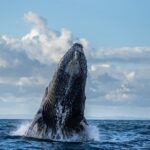
What makes this tour feel worth it is the way the crew explains marine life as you search. A marine biologist or naturalist narrates the cruise and talks about the local area’s natural history, then connects it back to today’s conservation challenges.
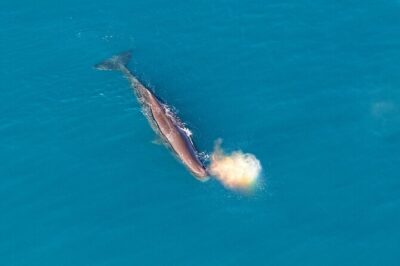
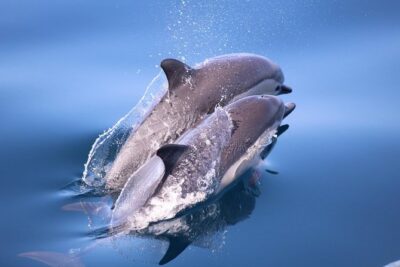
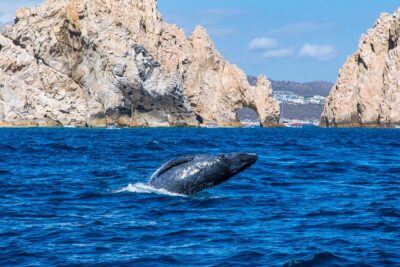
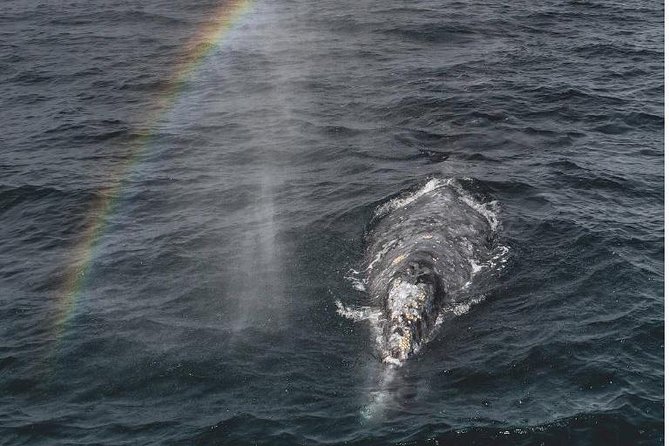
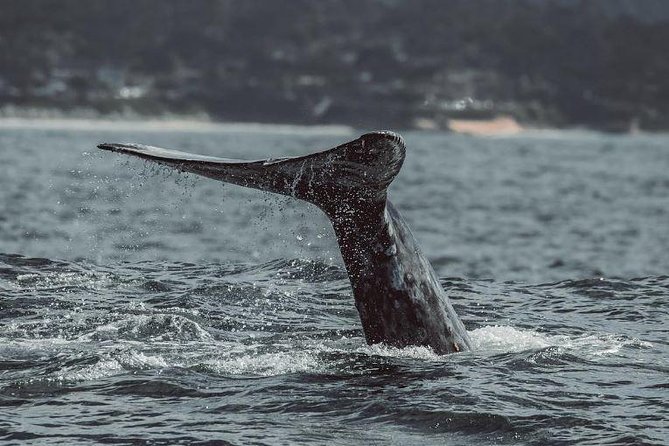
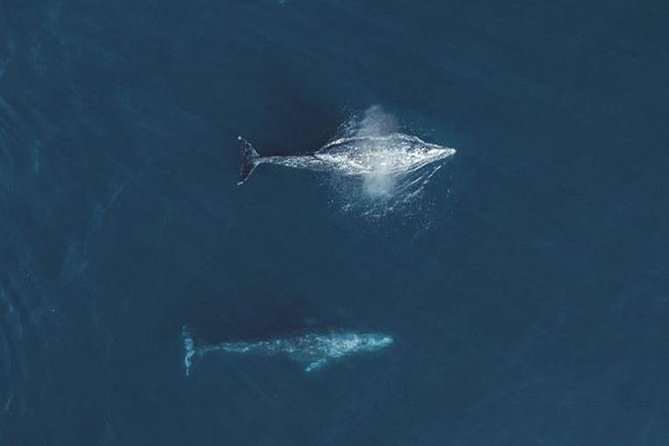
You’ll hear a lot about whales as they migrate through California waters, with gray whales typically the most common sighting. You can also look for humpback and blue whales, plus dolphins and sea lions. And because the crew is collecting sighting data while they’re out there, the whole trip has a “we’re paying attention” feel, not just a generic sightseeing script.
From reviews, certain guide names show up repeatedly—Isaiah and Cory come up for friendly, clear guidance, and others like JJ are noted for observing feeding areas from a distance. You shouldn’t expect the exact lineup every day, but it’s a good sign that the operation consistently staffs people who can explain what you’re seeing in a way that makes the hunt feel organized.
What you’re most likely to see (and why you might see something different)
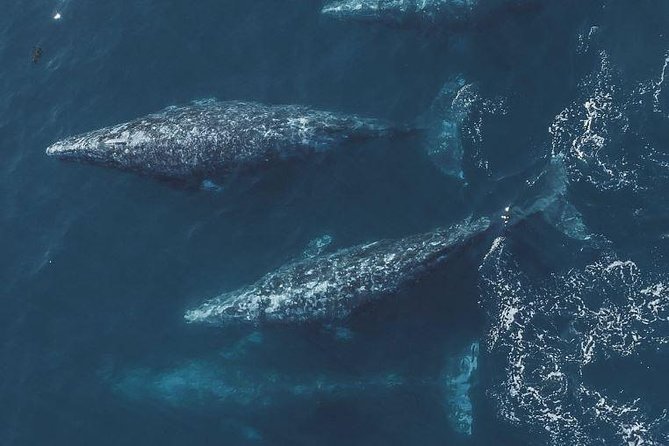
This cruise is designed around whale spotting, but the ocean rarely gives the exact same show twice. Gray whales are the usual star, but you may also spot humpbacks, and in some trips blue whales have been reported. Reviews also mention orcas and Baird’s beaked whales—great outcomes, but not guarantees.
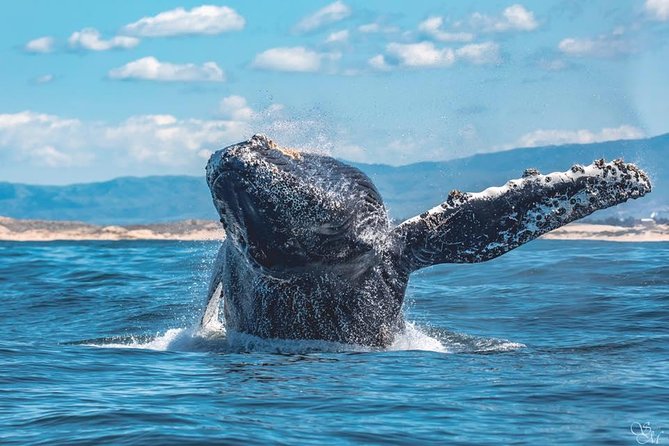
Even when whales are farther out, you can still have an excellent trip. One reviewer mentioned seeing humpback whales feeding for a long stretch, and that type of behavior is often more important than distance if you want to understand what’s happening. Another key point: the crew will reposition and stop as sightings develop, with advice on what to watch for—like surfacing patterns, movement direction, and where dolphins tend to show up.
And yes, you should also expect other wildlife to share the stage:
- dolphins can appear while you’re searching for whales
- sea lions are commonly seen around Monterey’s waters
- birds often ride the coastlines and feeding activity
If your only goal is a close-up whale photo, plan to feel flexible. One review notes that a sighting can be from farther out than some people expect. That’s not a failure; it’s part of staying safe while keeping respectful distance from wildlife.
The photo game: how to actually get usable shots from a moving boat
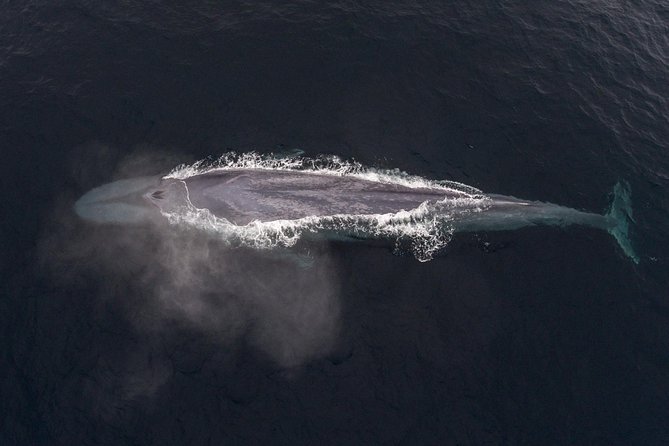
A lot of whale watches promise great views, but the real quality is whether you come away with photos you like. This one tries to solve that with tips for photo ops from the crew while you’re on the water.
You’ll get guidance on filming and photographing whales and dolphins, plus when to act quickly as animals surface. Since you’re on a boat, your best friend is preparation: a camera/phone setup that’s easy to aim fast, and a plan for hand stability.
Here’s what I take from the best feedback: some people specifically recommend using a phone stabilizer to reduce shake and get clearer video. Others mention the sound system not always being loud enough to hear every word, which means you shouldn’t rely on audio alone—watch your guide, then focus on spotting and recording when you see the action.
Where you stand matters too. Several reviews highlight that seasickness can be worse in the forward area, and they advise avoiding the front if you’re prone to motion sickness. In practice, that means think comfort first, then optimize your view from the section where you can actually enjoy the spotting.
What happens during the cruise: the rhythm of whale hunting
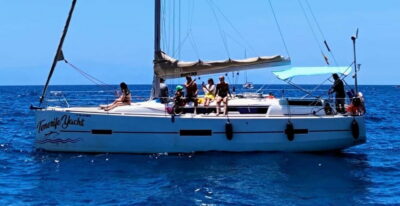
The total time on the water is about 3 hours 30 minutes, with return between 12:30pm and 1pm. You’ll start from Fisherman’s Wharf at 9am, and then you’ll work outward to hunt for whales as they’re migrating.
Here’s the rhythm you can expect:
- you head out and begin scanning the water as the crew points out where to look
- when whales are spotted, the crew manages timing and positioning for best viewing
- you may get repeated sightings, not just one quick pass
- the guides keep talking while you search, so you’re learning even between surface events
In reviews, the best departures include long viewing windows—one person described about 1.5 hours watching humpbacks feeding, and another described whales playing around the boat for an extended period. That doesn’t mean it’ll happen for everyone, but it does show what’s possible when conditions line up.
Also, the crew doesn’t just hunt—they interpret. You’re told how to spot whales and dolphins, and you get context about why certain areas may hold wildlife. That turns the trip from a checklist into something more like a field lesson with a moving classroom.
Coffee, calm waters, and what to wear so you don’t get miserable
Coffee and/or tea are included, which is a nice touch on a morning outing when you may still be half in travel mode. Food is not included, and alcoholic drinks aren’t part of the base price (they’re available to purchase).
What you wear can make or break your comfort, because Monterey water can feel colder once you’re out in the open. Warm layers are recommended, along with sun protection and bringing water, snacks, and ideally camera gear and binoculars.
Here’s a practical way to think about it:
- Dress for a chill and wind, not for the bright start on land
- Plan for a warm-up later if you get wet spray or you’re dressed too lightly
- If you’re prone to motion sickness, take precautions before you reach the dock
The reviews are very consistent on this. Even people who took Dramamine still reported seasickness on choppier days, and others warned that sea conditions can be rough in October and as winter sets in. That doesn’t mean the tour is poorly run; it means the ocean is doing ocean things. Bring the remedy that works for you and keep it handy.
Price and value: what $85 buys you in real time
At $85 per person for about 3.5 hours, the cost can look steep until you compare it to the experience you’re buying: access to prime viewing waters, a live marine biology narration, and a crew that actively searches and adjusts for sightings.
This isn’t just a scenic boat ride. You’re paying for:
- dedicated whale-spotting time in a known hot spot
- trained narration, plus conservation and research context
- crew help with spotting and photo/video technique
- a group capped around 30 travelers
That last point matters. Smaller groups typically mean less chaos when a whale surfaces and everyone suddenly needs to look, film, or move. If you hate the stress of packed tours, this setup should feel more manageable than larger boats.
If you’re on a budget, the main thing to understand is that whale watching is never fully predictable. You might see tons of whales, or you might see fewer on a given day. However, the strong ratings and the repeated reports of long whale sightings suggest that the crew is effective at finding wildlife when it’s out there.
Comfort and safety considerations to take seriously
Most feedback is positive about the professionalism and how the staff looks out for people on board. Still, there are a few caution notes you should keep in mind based on what’s been mentioned.
One review raised concerns about the boat being small and seat capacity, including an incident with very young children and how quickly that can escalate if someone falls. Another review mentioned speakers being hard to hear. Those aren’t reasons to avoid the tour outright, but they are good reminders to:
- keep an eye on kids closely if you bring children
- plan where you’ll sit so you can see well without compromising your balance
- accept that audio may not be perfect, so watch and listen with your eyes
Also remember: the experience requires good weather. If conditions aren’t right, you’ll be offered another date or a full refund, which is fair for an activity tied to sea conditions.
Who should book this whale watch from Monterey Bay
This tour is a great match if you:
- want a nature-first morning with a marine biologist on board
- like learning while you watch wildlife, not just checking boxes
- value practical tips for photos instead of vague commentary
- are visiting Monterey and want an experience centered on the water
It’s especially appealing for couples and families who want a short, focused outing. Reviews include lots of “morning trip” happiness, including first-time Monterey visitors and birthday trips, which makes sense: it’s a single, easy plan with a clear start and finish.
If you’re extremely sensitive to motion sickness, you can still go—just plan carefully. Choose comfort over maximizing every angle. And if you can, avoid the areas people recommend less for choppy days (many mention the forward portion as the toughest for nausea).
Should you book Discovery Whale Watch from Monterey?
If you want a well-run whale-watching outing with marine biologist storytelling and real help for spotting and photos, I think this is an easy yes. The price feels reasonable for the time on the water and the guided format, especially with the small group size.
Book it when you can’t do a full day on the coast but still want a genuine wildlife experience. Just be honest with yourself about two things: the ocean can get choppy, and whale sightings aren’t the same every trip. If you show up prepared for cold wind and motion, you’ll give yourself the best odds of coming home thrilled by humpbacks, dolphins, sea lions, and whatever else the bay decides to share.
FAQ
What time does the whale watching tour leave?
It starts at 9:00am. Time listed is when the boat leaves, so you should check in 30–45 minutes early.
Where is the meeting point?
You’ll meet at 66 Fisherman’s Wharf, Monterey, CA 93940, USA. The tour ends back at the meeting point.
How long is the tour?
The duration is about 3 hours 30 minutes, with a return between 12:30pm and 1pm.
What’s included in the ticket price?
Marine biologist/naturalist and a deckhand are included, plus coffee and/or tea.
What should I bring for the trip?
Warm layers are recommended, and you’ll be happier if you bring sun protection, a camera, binoculars, water, and snacks. Motion sickness precautions are also recommended if you’re prone.
Is food or alcohol included?
Food and drinks are not included. Alcoholic drinks are available to purchase, but they’re not part of the included items.
Does the tour have a language option?
The tour is offered in English.
What if the weather is bad?
The experience requires good weather. If it’s canceled due to poor weather, you’ll be offered a different date or a full refund.
What is the cancellation window for a full refund?
You can cancel up to 24 hours in advance for a full refund. If you cancel less than 24 hours before the start time, the amount you paid won’t be refunded.