REVIEW · CHRISTCHURCH
Kaikoura Whale Watch Tour from Christchurch – Small Group
Book on Viator →Operated by Cheeky Kea Tours · Bookable on Viator
Whales and WiFi on the road sound good. This small-group day tour pairs a coastal drive from Christchurch with a 4-hour whale-boat search in the nutrient-rich waters of Kaikōura Canyon, using hydrophone tracking to find animals faster. You also get a capped group size (16 max), which makes it easier to ask questions and stay on top of what’s happening out there.
The best part is how the day is handled when conditions change. Even when weather gets wild, the guide team works hard to keep wildlife and local stops on the menu, with highlights like fur seals on the rocks and great wine tastings when time allows. One thing to consider: this experience depends on good conditions, and the whale watch can be cancelled if seas are too rough.
In This Review
- Key things I’d plan around
- A Christchurch-to-Kaikōura day built around Kaikōura Canyon
- Getting there in a small Mercedes Sprinter with WiFi
- Cheviot and Hundalee Hills: fur seals and quick legs
- Kaikōura town stop: where the coastline does the talking
- Whale Watch Kaikōura: 4 hours on the water with naturalist guidance
- What you’re hoping to see
- A note on wind, rain, and rough seas
- Species sightings that really matter (and what to do with your time)
- Waipara wine tastings when timing permits
- Lunch and the real value of a $235.82 day
- What guides make or break your experience
- Who this tour fits best
- Should you book this Kaikōura whale watch from Christchurch?
- FAQ
- What time does pickup start in Christchurch?
- How long is the tour from Christchurch to Kaikōura?
- How big is the group?
- What wildlife are you looking for during the whale watch?
- How do they locate whales during the tour?
- Is lunch included?
- Is there a place to stop for seals on land?
- Is there a wine stop?
- What happens if the whale watch is cancelled due to weather?
- Do you accommodate dietary needs?
Key things I’d plan around
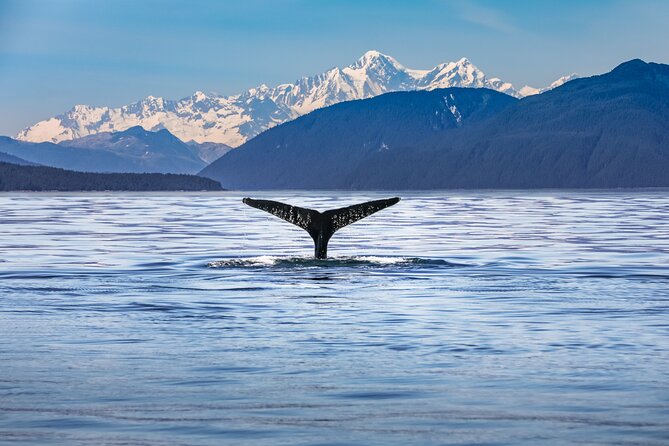
- Kaikōura Canyon + hydrophones: a trench 1km offshore that attracts marine life, tracked with sound tech
- Small group (16 max): you’ll get a more personal feel on both the bus and the boat
- A full wildlife day: sperm whales, humpbacks, dolphins, plus seabirds and fur seals
- Time-flexible add-on: Waipara Hills wine tastings only when the schedule and conditions fit
- Guide-driven rescue plans: if the whale boat can’t run, the day is still designed to land on wildlife
A Christchurch-to-Kaikōura day built around Kaikōura Canyon
This is a proper long day—about 8 to 10 hours total—focused on one goal: giving you a strong chance at whale and dolphin sightings in one of New Zealand’s best marine areas. The drive north sets the stage, but the real draw is what’s happening offshore from Kaikōura.
Kaikōura Canyon is a deep underwater trench roughly 1km offshore. The shape of the seafloor brings nutrients up into the water, and that matters because it concentrates the food chain. That’s why your boat search isn’t just random scanning. It’s built around where the action should be, then helped along by the hydrophone system that listens for whale activity.
You’ll still want to have realistic expectations. The sea is the boss. But the setup here is designed to maximize sightings chances, not just take you to a generic “we might see something” ride.
You can also read our reviews of more tours and experiences in Christchurch.

Getting there in a small Mercedes Sprinter with WiFi
I like the way this day starts: pickup from a central Christchurch spot (Bus Interchange on Lichfield St) at 7:30am, then you roll north in a Mercedes Sprinter with WiFi and USB charging. It’s a practical touch on a day that includes a long whale-boat session later, when you’ll want your phone/tablet ready for photos and maps.
The group size is capped at 16 travelers, so it doesn’t feel like cattle logistics. You’ll also get guided commentary while you travel along State Highway 1, one of the most scenic coastal drives in New Zealand. Your Kiwi guide shares the Canterbury story—history, geology, and agricultural life—while you’re moving through it, not stuck in a lecture.
One underrated value: carbon-neutral travel. You’re doing a far enough trip that the transport choice matters, and this is positioned as a lower-impact way to get to the whales.
Cheviot and Hundalee Hills: fur seals and quick legs
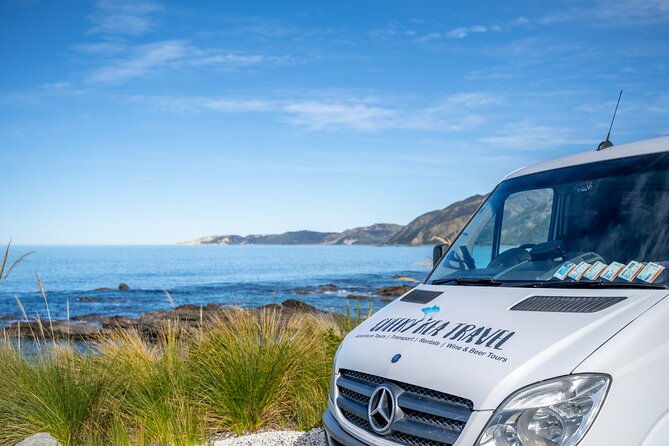
You break the journey with a first stop in Cheviot. It’s short—about 15 minutes—but it’s timed well. This is where you can stretch your legs, use the facilities if needed, and reset before the longer push into Kaikōura.
Then you head through the Hundalee Hills area, which is specifically part of the experience for a reason: fur seals bask on the rocks. You’re not going to spend hours watching them, but it’s a smart opener because it gives you wildlife early, without waiting for the sea to cooperate. It also makes the day feel fuller. Instead of driving all morning and hoping the boat delivers, you start stacking moments right away.
Kaikōura town stop: where the coastline does the talking

Once you arrive, you get a town stop of about 30 minutes. This is one of those times where you can do something simple and still feel like you’ve arrived: walk a bit, grab a coffee if you want, and orient yourself with the coastline.
Kaikōura sits between the snowcapped Kaikōura Ranges and the Pacific Ocean. That geography shows up fast when you’re there. Even if you don’t buy anything, a short town break helps you go into the whale watch feeling less rushed and more present.
Also, the town is known for eating crayfish—its name comes from that idea. You don’t need to make the crayfish your mission for the day, because lunch is handled later, but it’s a fun context for why the food scene here is what it is.
Whale Watch Kaikōura: 4 hours on the water with naturalist guidance
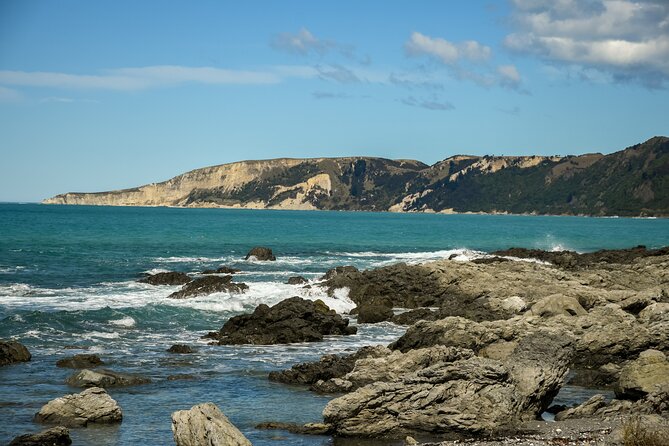
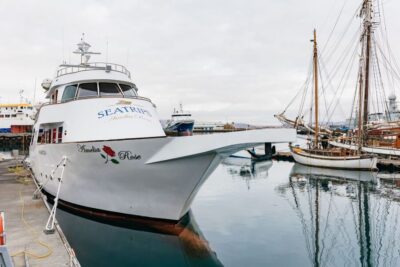
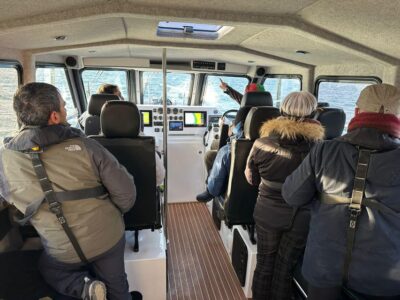
Now for the heart of it: the whale watching portion runs about 4 hours, aboard a purpose-built vessel with naturalist guides. This is where Kaikōura’s marine ecosystem becomes the focus, and you’ll hear explanations that connect the animals to the underwater setting (not just a random species checklist).
What you’re hoping to see
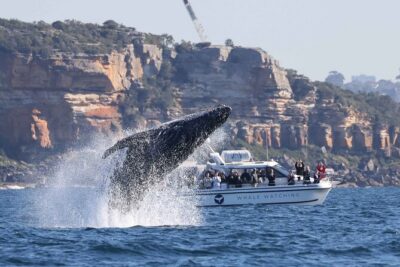
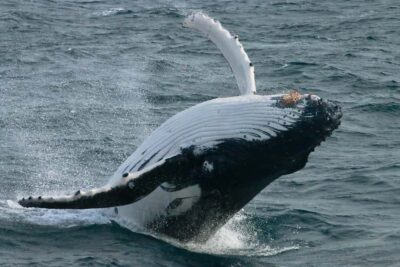
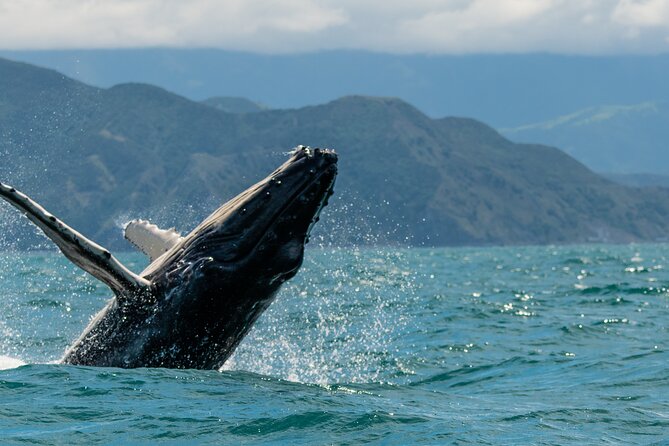
Your hunt targets giant sperm whales, humpbacks, and also dolphins and seabirds. Orcas can be on the radar too, depending on what the waters are doing that day. In real terms, you’re paying for a chance at multiple species, not only one.
Hydrophone tracking is the key difference maker. Instead of the boat just waiting and looking, the guides use sound detection to locate where whales are likely to be. That usually translates into more time watching and less time staring into distance.
A note on wind, rain, and rough seas
Weather can make or break the plan. The tour runs because conditions often work out, but it’s not a promise. If seas are too rough, the whale watch can be cancelled. When that happens, the guide team does what they can to keep the day from turning into dead time.
I’d build your attitude around flexibility. If you go in thinking calm-water perfection is guaranteed, you’ll be frustrated. If you go in ready for an adapted day, you’re more likely to still end up happy.
One small detail that I think matters for your comfort: you’ll often be out for hours, so dress for wind and spray even if it starts sunny. It’s the coastline—things can change fast.
Species sightings that really matter (and what to do with your time)
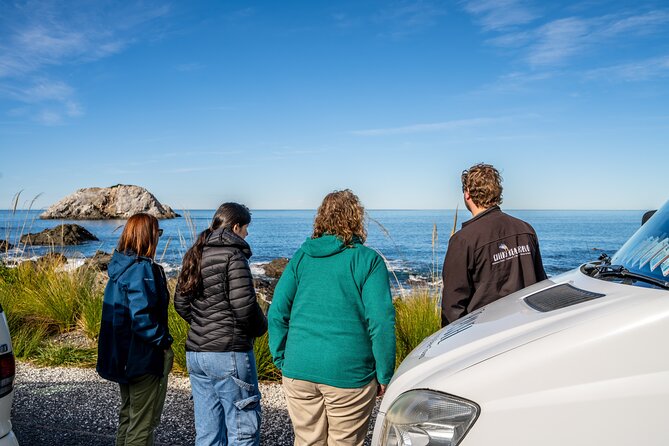
If you’re trying to spot whales, the best strategy is to treat the process like a guided search rather than a do-it-yourself game. Listen when your naturalist guides point out what they’re detecting. When hydrophone tracking is working, the clues you hear are part of the experience.
In the field, you may see more than just whales. Fur seals are a constant theme around Kaikōura, and it’s possible to add seabirds like albatross to the mix too. One guide-led highlight that can happen here is a sperm whale sighting with the name Holey Moley. Even when specific individuals aren’t the point, it’s a sign that the area is watched and recognized.
If the day does go as planned, you’ll likely come away with a stronger understanding of how whales use this area, and why the canyon matters. If it doesn’t, the best guiding teams still aim you at other wildlife moments so the day stays meaningful.
Waipara wine tastings when timing permits
A nice bonus is the chance to stop in the Waipara Hills wine region, usually about 30 minutes, but only when timing permits. If it fits your schedule, you’ll taste a selection of wines from a family-owned vineyard.
Two practical notes:
- Alcohol is only served to people 18 years and older.
- This stop is conditional. If conditions run behind on the road or the sea, you may lose it.
Still, I like this pairing for a day tour. It gives you a change of pace between wildlife time on the water and the drive home. Even if you’re not a wine person, the setting is a pleasant break from ocean wind.
Lunch and the real value of a $235.82 day
This tour includes lunch, and the Kaikōura lunch is fish and chips. It’s simple, local, and timed well so you can refuel after the whale-boat session. You’re not left hunting for food while everyone else is still on the water, and that matters on a day like this.
Now, about the price. At $235.82 per person, you’re paying for more than transportation. You’re paying for:
- a small group cap (16 max),
- a full-day itinerary with multiple wildlife-linked stops,
- a long, guided whale-boat session with naturalist interpretation,
- and hydrophone-assisted searching.
For many people, that’s the difference between a tourist outing and an experience that feels built for wildlife watching. If you’re mainly looking for scenery from a bus window, there are cheaper options. If you want a real shot at whales and dolphins, this cost is in line with that goal.
What guides make or break your experience
One thing that’s clearly important here is the human side. The guide team can turn a windy or disrupted day into something you still feel proud of.
I’ve seen examples of guides like Clive leaning into the day even when conditions are challenging, keeping the boat effort going when it’s possible. Others, like Diane, focused on explaining New Zealand life and what you’re actually seeing, so sightings feel grounded rather than random. When whale watching gets cancelled, Jess has helped fill the day with other wildlife options, including seal pups.
That’s the lesson for you: pick a tour where the guide is part of the value, not just a seat-filler. The small group format helps, but the guide is what turns logistics into an experience.
Who this tour fits best
This is best for you if you:
- want a structured day with multiple wildlife chances, not just one gamble at sea,
- prefer a smaller group (16 max) so it feels conversational,
- like guided interpretation with naturalist help rather than only spotting from a distance,
- and don’t mind a long day where weather can affect timing.
It can also work well for families who are comfortable with a day out on the water, though the weather factor is real.
If you’re the type who hates waiting around due to fog, rain, or rough seas, you might want to schedule this as flexible as possible so you can roll with changes.
Should you book this Kaikōura whale watch from Christchurch?
I’d book it if your top priority is Kaikōura wildlife with a whale-focused plan: hydrophones, naturalist guidance, and a long boat session supported by smart land stops. The small-group size and included lunch fish and chips add real comfort value for the day.
I would hesitate only if you’re booking with a strict schedule where weather-related cancellation would ruin the trip. Since the experience requires good weather and the whale watch can be cancelled for rough conditions, build in some flexibility.
If you can handle that one “sea-dependent” truth, this is a strong way to spend your day—and it’s one of the more wildlife-committed options out of Christchurch.
FAQ
What time does pickup start in Christchurch?
Pickup starts at 7:30am from the Christchurch Bus Interchange on Lichfield St.
How long is the tour from Christchurch to Kaikōura?
The total duration is approximately 8 to 10 hours, including travel time.
How big is the group?
The group is limited to a maximum of 16 travelers.
What wildlife are you looking for during the whale watch?
The whale watching focuses on giant sperm whales and humpbacks, and you may also see dolphins and seabirds. Orcas can also be searched for.
How do they locate whales during the tour?
The boat uses hydrophone tracking technology to help track whale activity.
Is lunch included?
Yes. Lunch is included, and it’s fish and chips in Kaikōura.
Is there a place to stop for seals on land?
Yes. The itinerary includes stops around Cheviot and the Hundalee Hills area where fur seals bask on rocks.
Is there a wine stop?
When timing permits, the tour includes a stop at Waipara Hills for wine tastings.
What happens if the whale watch is cancelled due to weather?
The experience requires good weather. If it’s cancelled due to poor weather, you’ll be offered a different date or a full refund.
Do you accommodate dietary needs?
Yes. Dietary requirements such as vegetarian, vegan, and gluten-free can be accommodated if you indicate them at the time of booking.