REVIEW · AUGUSTA AUSTRALIA
Augusta: Whale Watching Tour
Book on GetYourGuide →Operated by Naturaliste Charters · Bookable on GetYourGuide
In This Review
- A first look from the dock
- Key things to know before you go
- Flinders Bay whale time: why sightings often feel effortless
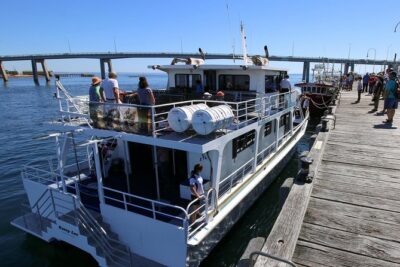
- The Alison Maree and VIP feel: comfort that actually helps you watch
- The Marine Biologist on board: what you learn beyond surface spotting
- What you’ll see on the 2-hour cruise in Flinders Bay
- Likely sightings and what they mean
- The tour can run longer when whales keep showing up
- Harbour to water: the flow that sets you up for good viewing
- Weather, comfort, and what to bring so you’re not miserable
- Price and value at $74: why this feels fair (especially with the guarantee)
- Who should book this tour, and who might want to plan differently
- Should you book the Augusta whale watching tour?
- FAQ
- How long is the whale watching cruise?
- What’s included in the ticket price?
- What are the chances of seeing whales?
- What wildlife might I see during the cruise?
- Where is the meeting point, and when do tours depart?
- Is the tour wheelchair accessible?
- What language is the onboard tour guide?
A first look from the dock
Whales show up fast in Augusta. This 2-hour whale watching cruise in Flinders Bay pairs real migration action with on-board teaching from a Marine Biologist, so you’re not just staring at water. You’ll head out from Augusta and cruise in sheltered bay waters where sightings are the whole point.
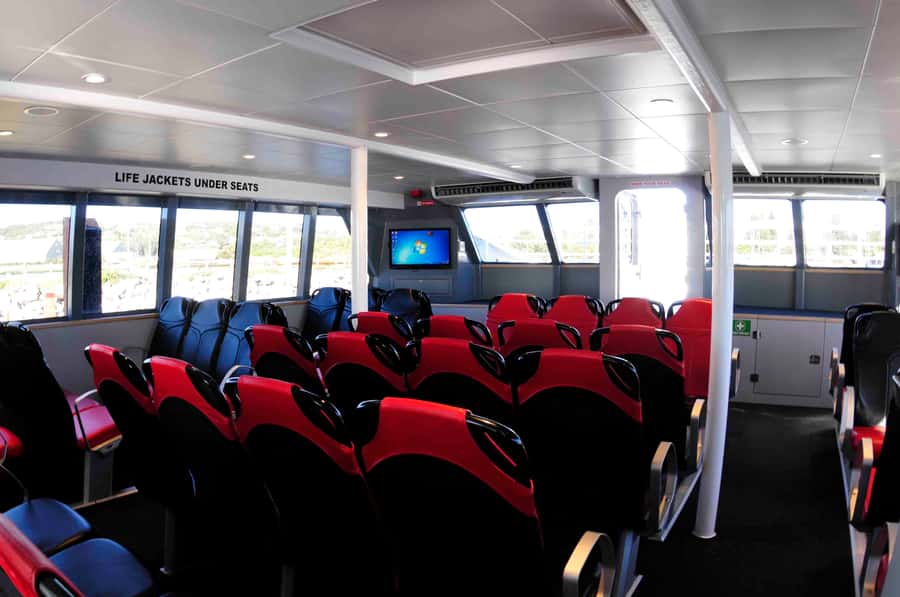
I especially like the ship-and-service setup: you’re on the luxury Alison Maree, and everyone gets treated as a VIP, including access to the Skippers lounge if you want a quieter place to take it in. Add in complimentary morning or afternoon tea plus biscuits, and it’s an easy outing without turning into a long, uncomfortable slog.
One heads-up: when the boat is full, it can feel a bit crowded for moving around to catch the best angles, and the commentary can be harder to hear depending on where you’re standing or sitting—so plan your spot early.
Key things to know before you go
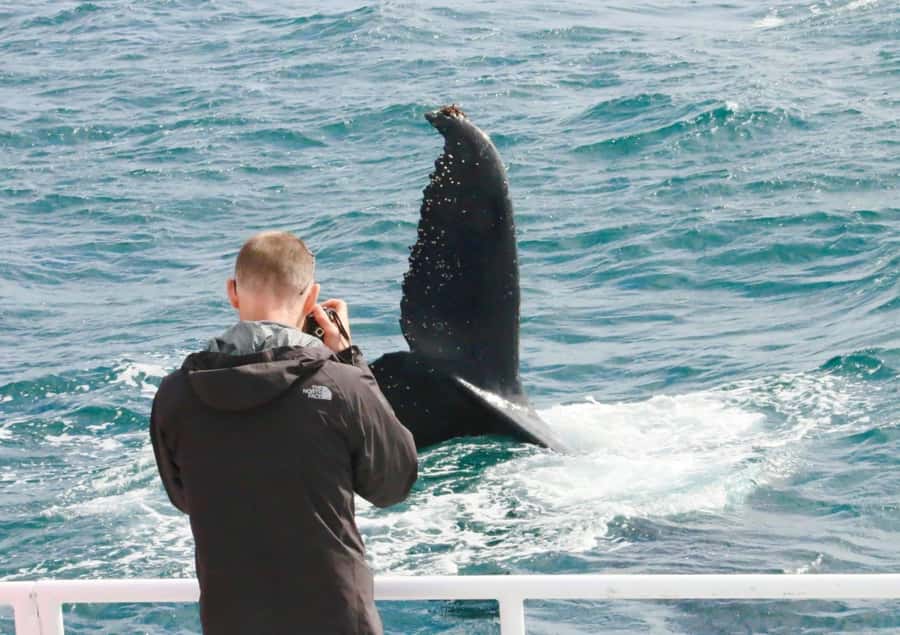
- A 99% sighting success setup plus a free re-join guarantee if whales don’t show
- Purpose-built whale vessel: the Alison Maree is described as a $2.5 million charter craft
- On-board Marine Biologist commentary with plenty of chances to ask questions
- Flinders Bay viewing is easy since binoculars aren’t required and whales are often close
- Family-friendly 2-hour cruise with tea, water, and biscuits included
- Crew actively positions the boat when whales are surfacing and feeding
Flinders Bay whale time: why sightings often feel effortless
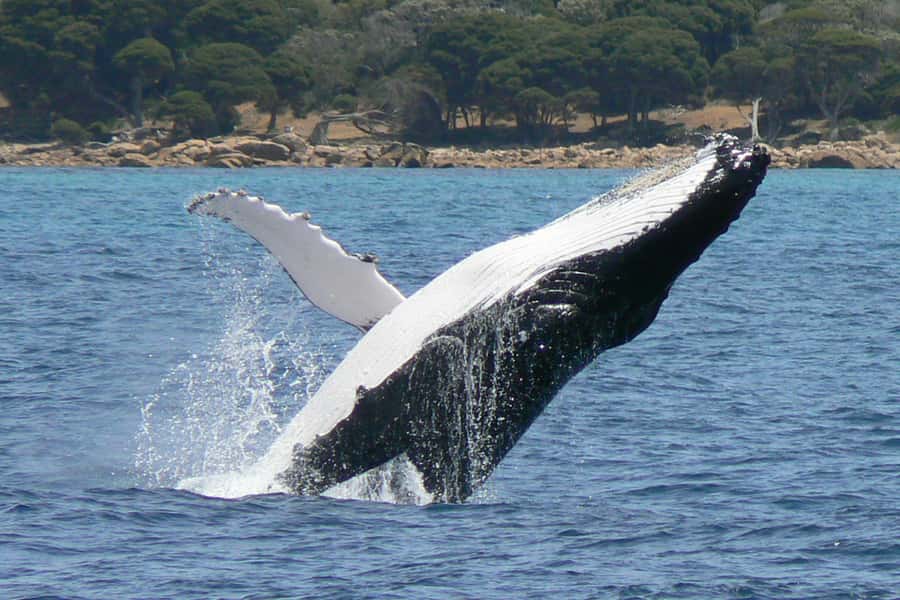
Augusta’s whale watching isn’t based on luck and a distant horizon. You’re cruising in Flinders Bay, a sheltered area where migrating whales rest while moving north. The water can feel calmer than you’d expect for a whale trip, which matters because it helps you focus on spotting behavior—tail slaps, surface breathing, and that slow, deliberate movement that looks effortless until you realize it’s a serious journey.
This bay is known for serious numbers. The whale season here includes huge humpback migrations—over 35,000 are mentioned—so sightings aren’t usually a rare event. If you’re picturing a tour where you squint for hours, adjust that idea. Here, you’re cruising where there’s plenty to see without needing binoculars.
There’s also a neat natural detail: the cruise runs in an area where two oceans meet. That kind of mixing can help concentrate marine life, and the tour experience benefits from it because the boat is designed for wildlife viewing right in that zone.
The Alison Maree and VIP feel: comfort that actually helps you watch
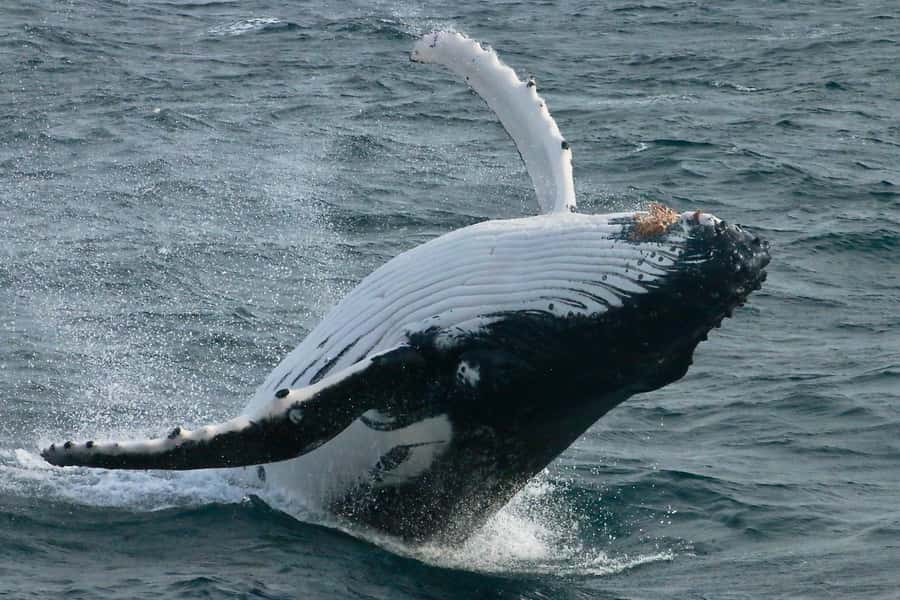
I like the practical side of the Alison Maree setup. It’s described as a sturdiest charter vessel, purpose built for whale watching, and that translates into a more stable, confident feeling on the water. Stability might not sound glamorous, but it’s one of the reasons whale spotting works here—you can keep your eyes up instead of bracing every time the swell changes.
The tour also leans into comfort. You’re encouraged to use the onboard Skippers lounge, and there’s an overall VIP vibe where you’re not herded like luggage. When you’re trying to follow what the Marine Biologist is pointing out, having people spread into a couple of different viewing/comfort zones helps.
If you’re sensitive to crowding, be aware that one past guest said there were a lot of people on board, making it harder to move side to side to get the best viewing angles. That’s not a reason to skip the tour—it’s just a reason to make a quick decision on where you’ll stand or sit as soon as you’re underway. If your priority is seeing whales from multiple angles, plan to choose a spot that doesn’t require constant switching.
The Marine Biologist on board: what you learn beyond surface spotting
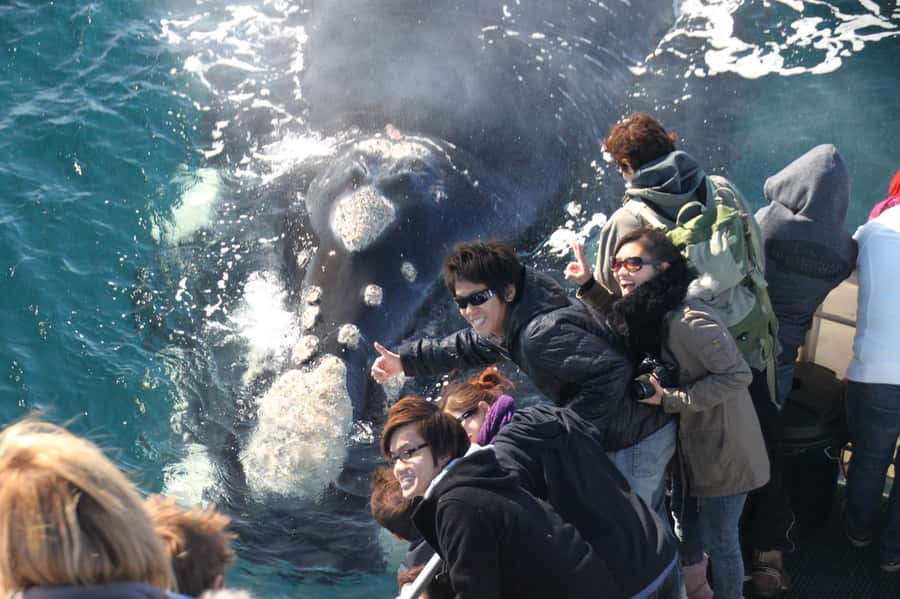
The most satisfying whale tours teach you how to read what you’re seeing. This one does that. You’ll get expert commentary from an on-board Marine Biologist, and you can ask questions as you go. That matters because whales aren’t all doing the same thing at the same time. Without a guide, you might only catch a brief surface moment and not understand what it was.
Here’s the type of context the tour is designed around:
- You’ll learn the history of whales and why we’re seeing these populations recover.
- You’ll hear migration and resting patterns tied to where the boat cruises.
- You’ll learn why different species can show up differently during the season.
One of the most interesting points explained for guests is how different whales recovered in different ways. Southern right whales were once nearly wiped out by whaling. Their populations haven’t bounced back as quickly, and the tour notes that their gestation period plays a role in how populations recover. Humpbacks, by contrast, are presented as part of the massive migration numbers in this area.
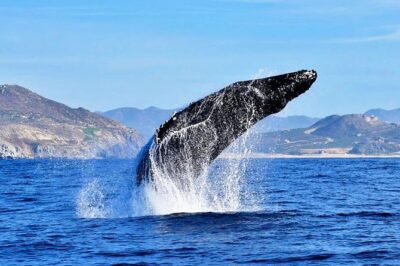
You’re also told that humpbacks can be spotted in big numbers, and that sightings often start not long after leaving Augusta Harbour. The tour style here feels like: you spot, you learn what that behavior means, and you spot again with better eyes the second time.
What you’ll see on the 2-hour cruise in Flinders Bay
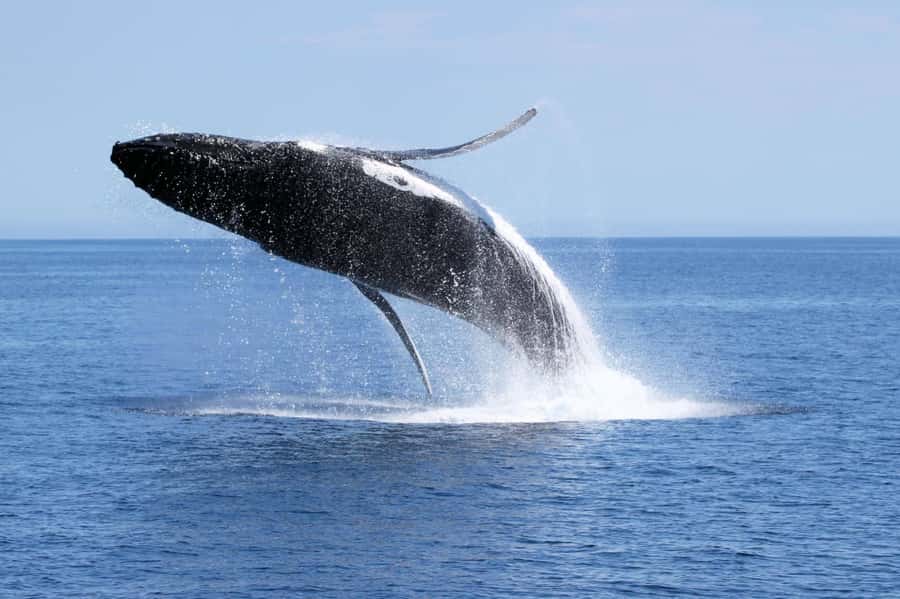
The heart of the experience is the time on the water—about two hours—cruising Flinders Bay where whales rest during their northbound movement. The ride is timed so you’re not out there forever, but you’re also not racing for the sake of a schedule.
After departing Augusta Harbour, the tour typically doesn’t take long to get into whale territory. The goal is frequent sightings, and the tour is designed around that rhythm: pull in, watch for surface activity, move when whales are active, and let the Marine Biologist narrate what’s happening.
Likely sightings and what they mean
This experience is set up for humpbacks, southern right whales, and dolphins, with blue whales also included in the broader expectation of migrating whale species. In plain terms:
- Humpback whales are a core target here, tied to the high migration numbers mentioned.
- Southern right whales are highlighted as often amazing because they were nearly extinct after whaling.
- Dolphins are commonly part of the mix, and they often make the early stages more fun while you’re waiting for the bigger whales to surface.
- Blue whales may be encountered as part of what the Marine Biologist and crew look for, but like all wildlife, sightings depend on where the animals are that day.
The tour can run longer when whales keep showing up
Even though the cruise is advertised at around two hours, some past guests noted that the boat stayed out longer—around an extra 50 minutes—when whales didn’t stop engaging. You should be okay with that possibility because it signals the tour’s actual purpose is wildlife viewing, not strict clock-watching.
Harbour to water: the flow that sets you up for good viewing
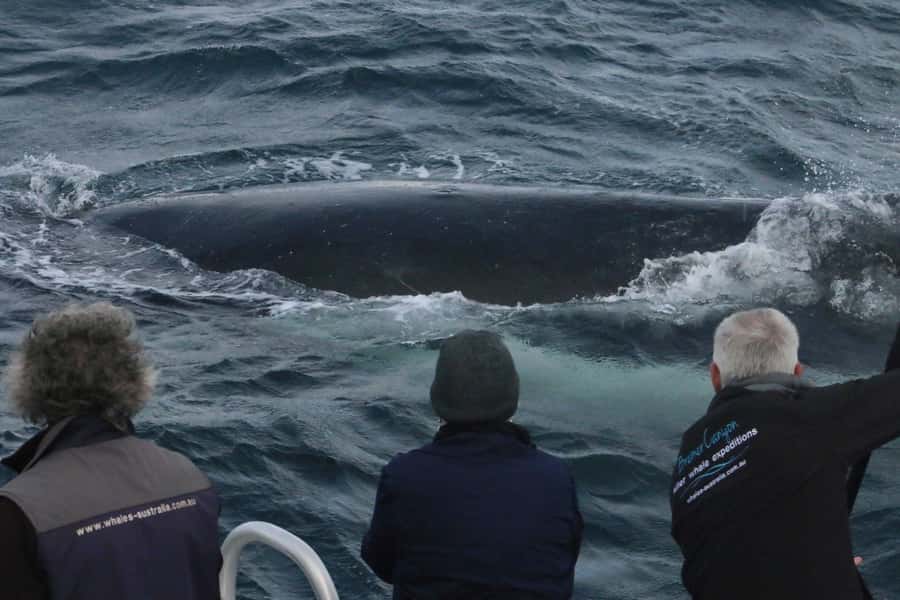
Your day starts at Augusta Boat Harbour with a meet-up at the supplier’s desk under the undercover area. Expect a safety briefing before you head out. That sounds basic, but it sets the tone: you’re reminded where to go, how to move safely on a vessel, and how to handle the water environment.
Then it’s out to the bay. Tours depart twice daily, so you can choose a morning or afternoon option that fits the rest of your Augusta plan. If you’re building a day around other activities in town, this flexibility is a real advantage.
One practical tip: the tour runs on eye-work. If you want the best chance of spotting quickly, be ready to look right as you leave harbour and stay attentive during the early part of the cruise. The tour describes whale sightings starting fairly soon after departure, so treating the first stretch like a warm-up can pay off.
Weather, comfort, and what to bring so you’re not miserable
This isn’t a long hike, but it is time on open-ish water with sun and wind changing over a couple of hours. The tour recommends bringing warm clothing, comfortable shoes, and a reusable water bottle. I agree with that advice because even when the sea feels calm, wind chill can sneak up on you—especially if you’re standing to watch.
They provide morning or afternoon tea with hot drinks or water plus biscuits, which helps you stay comfortable without spending extra money. Still, I’d treat the included drinks as a bonus, not a replacement for dressing for conditions.
If you’re prone to motion sickness, the tour notes that sea sickness preventatives might be required for some people. You’ll get the best experience if you can focus, not if you’re battling nausea while trying to spot whales.
Price and value at $74: why this feels fair (especially with the guarantee)
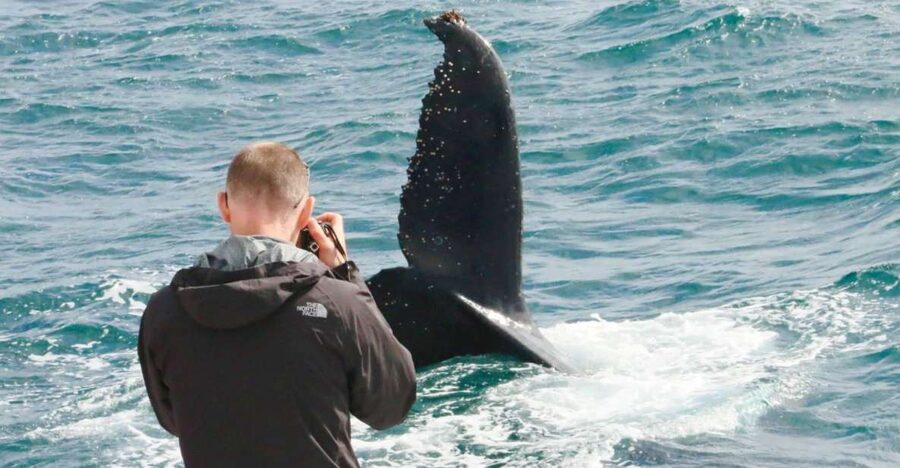
At $74 per person for about two hours, this sits in a category that’s not cheap, but it’s also not priced like a once-in-a-lifetime private charter. What makes it feel more like value than cost is how the experience is structured around whale sightings and education.
Here’s what you’re buying for the money:
- A guided cruise with expert commentary from an on-board Marine Biologist
- Time on a purpose-built whale vessel (described as a $2.5 million craft)
- Complimentary tea and biscuits
- A guarantee tied to actual sightings: a 99% success rating, and if you don’t see whales you can join a tour again for free
- A 10% meal discount at local restaurants on the day of your tour
That guarantee is the big deal. Whale watching can be variable worldwide. Here, the pricing makes more sense because you’re not gambling blindly. When tours are built around an extremely high sighting success rate and include a free re-join if sightings don’t happen, the cost starts to feel more like a fair entry fee than a risk.
Also, since the tour runs for about two hours and is family friendly, it works for visitors who want a nature win without committing a whole day to transport and long excursions.
Who should book this tour, and who might want to plan differently
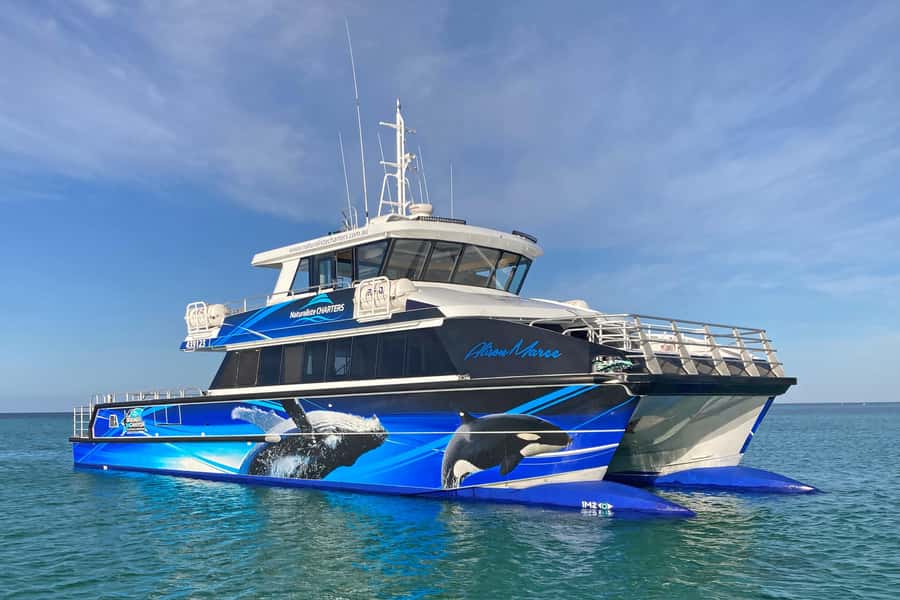
You’ll probably love this if:
- You want whale watching that feels straightforward and not overly complicated.
- You enjoy learning while you watch animals, not just taking photos.
- You’re traveling with kids or mixed-age family groups. The tour is described as family friendly and suitable for all ages.
- You want a cruise that’s designed for viewing in sheltered conditions.
You might want to plan with extra care if:
- You’re particular about quiet and space. One past guest noted the boat can feel crowded and that moving to different viewing angles can be tougher when there are many people.
- You have trouble hearing onboard commentary. Another guest said a central PA system would be useful because commentary was hard to hear from some areas of the vessel. If you know you’re sensitive to sound, pick a spot where you can face toward crew/call points.
Good news: there’s wheelchair access, so the tour is set up to welcome a wider range of visitors.
Should you book the Augusta whale watching tour?
If your goal is to see real whale behavior in a place designed for it, I think it’s an easy yes. The combination of Flinders Bay conditions, a very high sighting success rate, and on-board Marine Biologist storytelling makes this more than a sightseeing boat ride. At $74, the price is hard to argue with when you factor in tea, expert guidance, the viewing-focused vessel design, and especially the see whales or join again for free guarantee.
Book it when you’re in Augusta with a morning or afternoon window and you’d rather spend that time on the water than chasing distant viewpoints. If you’re worried about crowds or hearing, choose your spot early and stay flexible. The tour is set up to chase active wildlife, and that’s exactly the vibe you want when whales are on their schedule.
FAQ
How long is the whale watching cruise?
The cruise runs for about 2 hours in Flinders Bay.
What’s included in the ticket price?
You get a guided whale watching cruise with expert commentary, morning or afternoon tea, and the whale viewing guarantee. There’s also a 10% meal discount at local restaurants on the day of your tour.
What are the chances of seeing whales?
The tour describes a 99% success sighting rating, and if you don’t see whales you can join a tour again for free.
What wildlife might I see during the cruise?
You’re set up to see migrating humpback whales, southern right whales, and dolphins in natural habitat. Blue whales are also mentioned as part of the migrating whales the tour looks to witness.
Where is the meeting point, and when do tours depart?
Meet at the supplier’s desk at the undercover area at Augusta Boat Harbour on Leeuwin Rd. Tours depart twice daily.
Is the tour wheelchair accessible?
Yes, the tour is wheelchair accessible.
What language is the onboard tour guide?
The live tour guide provides commentary in English.