REVIEW · GENOA
Genoa: Pelagos Sanctuary Whale Watching Cruise
Book on GetYourGuide →Operated by Golfo Paradiso srl · Bookable on GetYourGuide
The open sea in front of Genoa can feel like a wild-card movie. This 4-hour cruise heads into the Pelagos Sanctuary and pairs you with a biologist-style research hunt, so you’re not just drifting for sightings. You’re scanning, learning, and waiting for cetaceans to surface on their own time.
I love the way the crew works like a team, with spotters and a research focus instead of random cruising. I also love the odds: you reach deep water quickly, around 1000–1500 meters, where the chance of seeing whales and dolphins tends to improve.
My only real caution is simple: sightings depend on sea conditions and luck. If it’s windy or rough, you may get fewer surfaces to watch, and you might spend more time waiting than spotting.
In This Review
- Key Things to Know Before You Go
- Genoa’s Whale Cruise: Why Pelagos Feels Different
- How the 13:00 Departure Really Shapes Your Day
- The Pelagos Research Pattern: 1000–1500m and Patient Scanning
- What You’ll See: Sperm Whales, Dolphins, and Other Ocean Life
- The Biologist Guide Experience: Learning Without Making It Boring
- Seasons, Weather, and the Real Odds
- Group Size, Boat Feel, and Comfort on a 4-Hour Cruise
- Value for Money: What $51 Buys You (and What It Doesn’t)
- Best Fit: Who This Cruise Is For
- Should You Book This Genoa Whale Watching Cruise?
- FAQ
- FAQ
- How long is the Genoa Pelagos Sanctuary whale watching cruise?
- Where do you meet for the cruise?
- What time does the cruise depart?
- What animals are you hoping to spot?
- Do the cruises run year-round?
- When do departures happen during the season?
- What weather conditions give the best chance to see animals?
- What if you don’t see any whales or dolphins?
- What languages are available on board?
- Is the cruise suitable for people with mobility impairments?
Key Things to Know Before You Go
- Biologist guide on board: you get real explanations of cetacean habits and answers for your questions
- Deep-water search at 1000–1500m after about 30 minutes on open water
- Wild-animal timing: there are no fixed viewing points or guarantees
- Best conditions are calm seas and low wind, which make surface breathing easier to see
- Free second cruise option if you have no sightings of any kind within a year
- Not for mobility impairments, since the activity isn’t described as accessible
Genoa’s Whale Cruise: Why Pelagos Feels Different
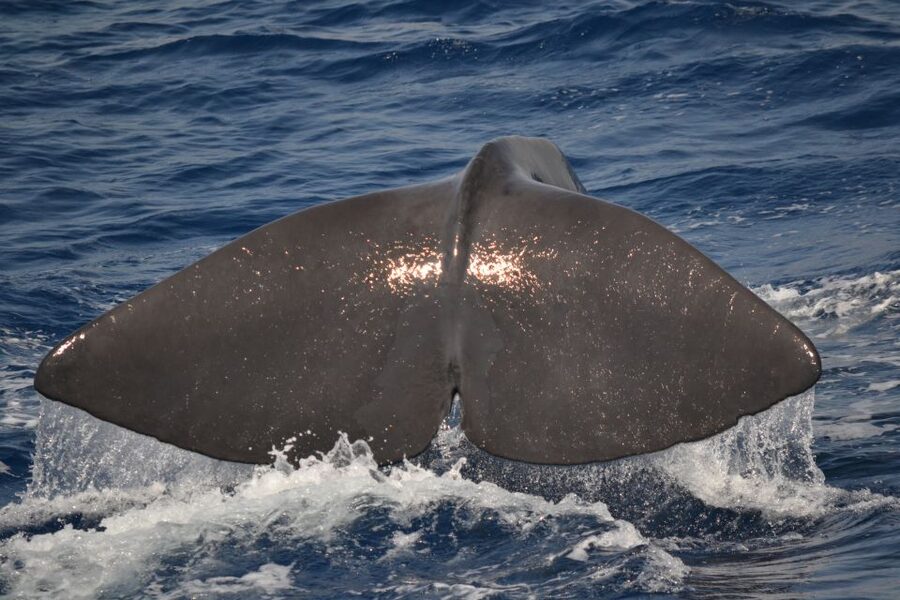
Genoa is all stone, harbor bustle, and coffee. Then you get on the boat, and that noise drops fast. Out at sea in the Pelagos Sanctuary, you’re in a different kind of travel zone—less sightseeing, more patient observation.
The most valuable part here is the research approach. You’re not hunting animals with a schedule; you’re monitoring the surface, using careful scanning, and letting wildlife decide when it shows up. That mindset changes what the trip feels like. Instead of hoping, you’re paying attention—like you’re part of the day’s work.
And with species like sperm whales and multiple dolphin types on the table, it’s not a one-track experience. Even if the day’s highlight is a whale, you can still end the trip with dolphin pods and other ocean life.
You can also read our reviews of more tours and experiences in Genoa.
How the 13:00 Departure Really Shapes Your Day
The cruise leaves Genoa Porto Antico at 13:00, from Calata Mandraccio, near the Bigo and close to the Genoa Coast Guard patrol boats. That matters because you’ll have daylight for spotting, and you won’t need to wake up at the crack of dawn to chase whales.
About the first segment: plan for roughly 30 minutes of navigation before you reach the open sea search area. That initial run can be a quiet stretch—often calm, but still on the water. If you’re sensitive to motion, this is where you decide how serious to be about seasickness prevention.
Once you’re out there, the cruise shifts into the main rhythm: watch, scan, and report. There’s no rush to “see something by hour one.” Sometimes that happens quickly; sometimes it takes longer. The best takeaway is psychological: don’t treat it like a theme-park timetable. Treat it like wildlife watching.
The Pelagos Research Pattern: 1000–1500m and Patient Scanning
Here’s what makes the search strategy practical: after reaching the deeper zone (around 1000–1500m), the real activity starts. From there, the crew and biologist guide coordinate observation of the water surface.
Wild animals don’t follow your itinerary. So instead of a rigid route to a viewing hotspot, you’ll spend time where sightings are most plausible based on current conditions and ongoing scanning. The waiting is part of the deal.
You’ll also learn while you wait. The biologist guide helps connect what you’re seeing—spray, surfacing, movement patterns—to what these animals need to do to survive. That’s why the “research work” framing is valuable: it turns waiting into understanding, and it helps you notice details you’d otherwise miss.
What You’ll See: Sperm Whales, Dolphins, and Other Ocean Life
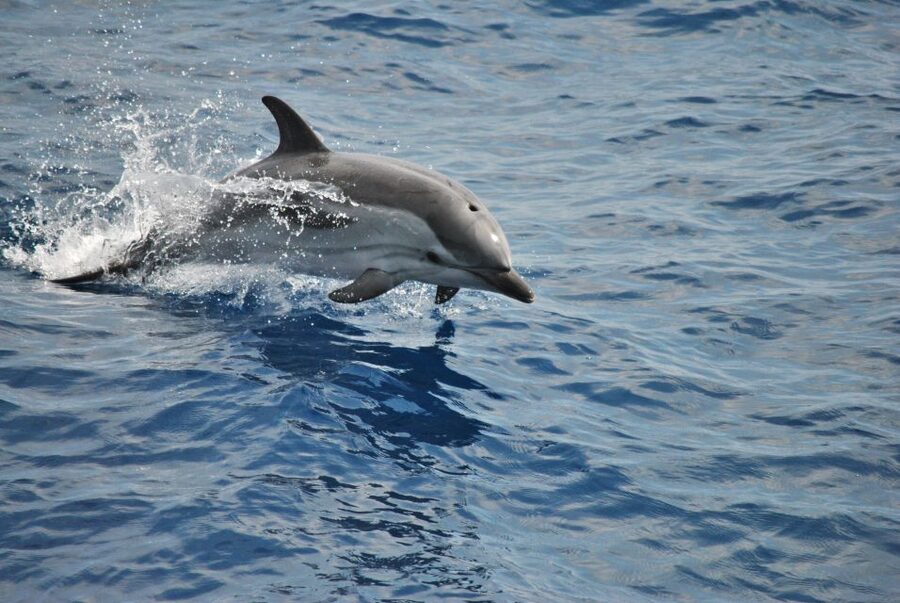
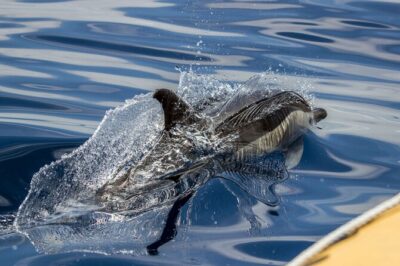
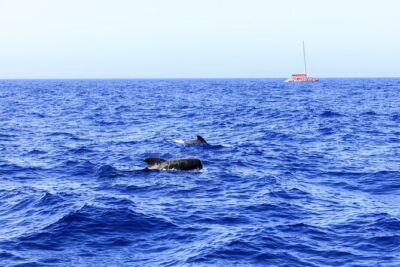
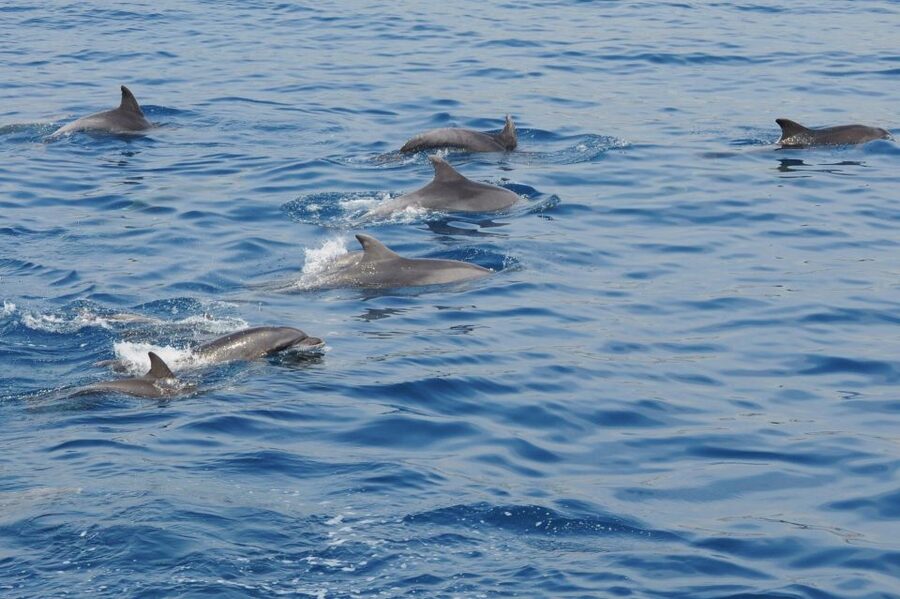
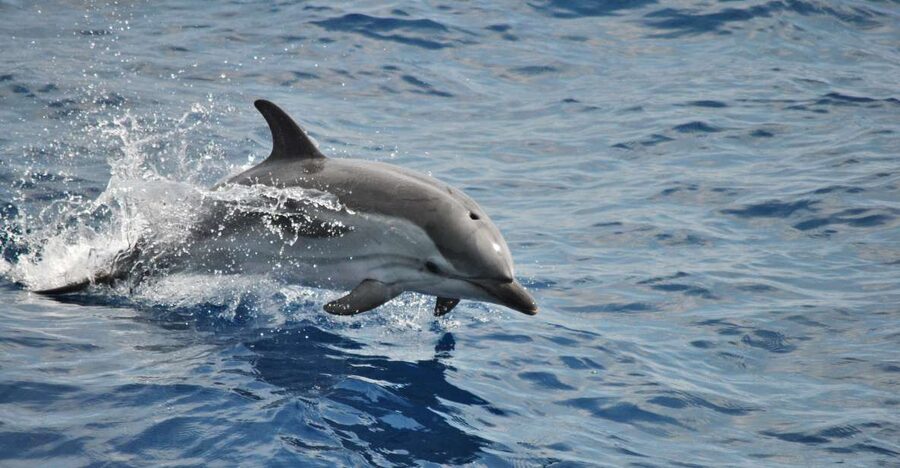
This cruise is built around cetaceans—dolphins and whales—inside the Pelagos Sanctuary. The specific species you might encounter depends on the day, but the trip’s highlight set includes sperm whales, striped dolphins, and pilot dolphins.
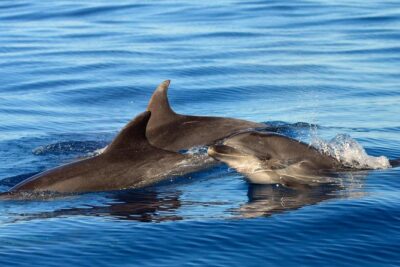
In the real-world sightings, you may also spot other marine life tied to the same ecosystems. People have reported sightings including Cuvier’s beaked whales and striped dolphin pods, plus sea turtles. On some days, you may even see groups described as mothers with calves, which is a reminder that wildlife watching isn’t only about “big moments.” It’s about family life happening right in front of you.
A quick reality check that actually helps: whales and dolphins surface briefly, then disappear. With species like Cuvier’s beaked whales, the timing can be especially tricky. When whales don’t come up often, your job is to stay alert—not to get frustrated.
The Biologist Guide Experience: Learning Without Making It Boring
If you want a cruise where you just stare, you can do that anywhere. This one adds a guide who explains what’s happening and why. The biologist leads each excursion, and there’s the possibility of a German/English-speaking guide depending on needs.
What makes this useful isn’t a lecture. It’s how the guide connects your observations to behavior. You’ll hear about habitat and habits, and you’ll be able to ask questions—especially if you’re the type who always wants the why behind the wow.
One detail I’d underline for your own expectations: watching cetaceans often means you’ll rely on scanning tools and shared spotting. The crew may accelerate toward sightings once they’re confirmed. That’s exciting, but it’s also part of the science—minimize wasted time and maximize the chance to see a surface event.
Seasons, Weather, and the Real Odds
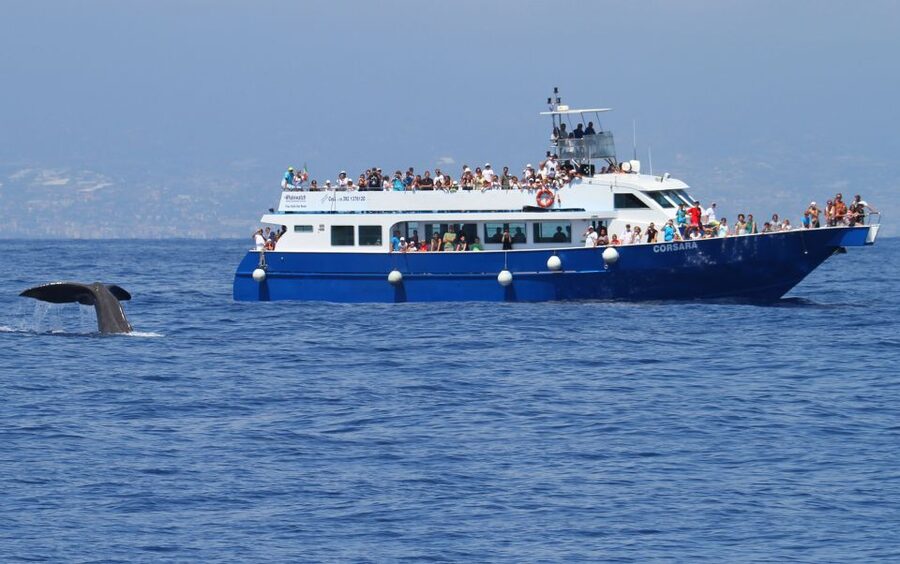
The activity says the chance of sightings is the same throughout the year, but the cruise runs April to October because the weather is better. That’s a solid trade: you get calmer conditions for open-sea viewing, plus a smoother ride.
The months leading up to high season can be especially promising thanks to lower shipping traffic. That can mean less disruption and a more natural observational environment.
Timing in the calendar also matters:
- In April, May, and October, departures happen on Sundays.
- From June to September, departures happen on Wednesdays, Fridays, and Sundays.
And the universal truth: calm seas and little wind make the biggest difference. When the water is smooth, you see the “breathing moment” more clearly. When the boat’s rocking, the surfaces can be harder to spot, and spray can look like nothing in particular.
Group Size, Boat Feel, and Comfort on a 4-Hour Cruise
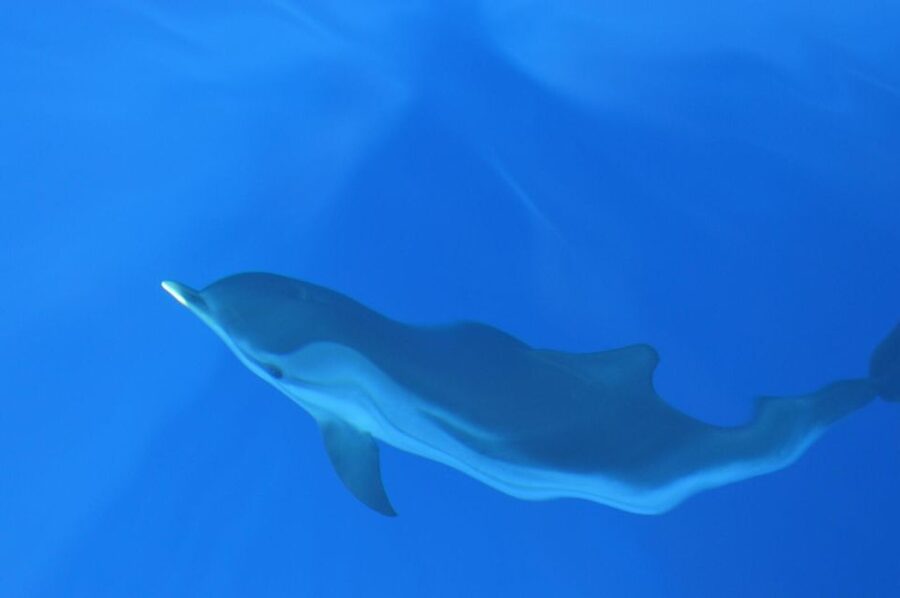
The excursion runs also with a minimum number of passengers, which is a nice benefit if you dislike shoulder-to-shoulder travel. Still, because conditions and demand vary, you may find yourself on a boat that feels crowded on busier days. Bring your “wildlife first” mindset and you’ll be happier.
The trip itself is about 4 hours long. That includes the navigation out to open water, the scanning and research portion, and the return. Four hours sounds short until you’re waiting for a whale to surface. Expect stretches of focus and then bursts of excitement.
For comfort, pack for wind. Even in sunny weather, the sea air can cool you down. Also consider seasickness support if you’re even mildly sensitive—one participant reported feeling unwell late in the trip. You don’t want your day to become a stomach-management project.
Onboard amenities may include basics like toilets, and there’s mention of drinks available for purchase. Don’t plan a picnic, but it helps to know you won’t be completely stuck.
Value for Money: What $51 Buys You (and What It Doesn’t)
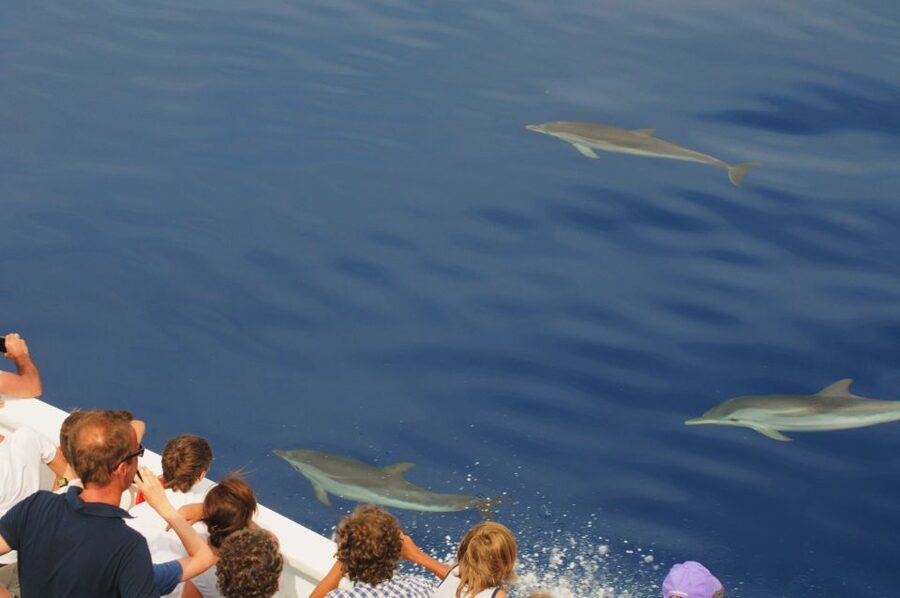
At around $51 per person for a 4-hour cruise, this is priced to feel accessible compared with many whale-watching experiences. The value isn’t only the price tag—it’s what you’re getting for that money.
You get:
- A guide leading the hunt with a biologist focus
- A structured deep-water approach (the cruise reaches 1000–1500m)
- A repeat option if you truly get no sightings at all
That last point can matter more than you think. If you’re traveling with limited flexibility, the fear of wasting time on a “no whale day” is real. Here, the trip offers a second excursion for free within 1 year if there were no sightings of any kind. You still need to book, but the promise reduces the sting.
What the price does not buy you is certainty. This is wildlife watching, not a guaranteed show. If calm seas are bad and animals choose to stay down, you’re still paying for the attempt—and sometimes the attempt is mostly dolphins, turtles, and sea life rather than a whale surface moment.
Best Fit: Who This Cruise Is For
This cruise fits best if you:
- Like learning while you watch, not just taking photos
- Don’t mind waiting for the right moment
- Want the Pelagos Sanctuary experience from Genoa without a full day tour
It’s also a good choice if you’re traveling as a couple or small group and want a shared, calm activity. Many sightings come as pods—so the trip can feel like a moving classroom in the open sea.
Who should skip it? The activity is not suitable for people with mobility impairments, so if accessibility is a priority, look for an alternative experience.
Should You Book This Genoa Whale Watching Cruise?
I’d book it if you want a real ocean encounter in a short window and you’re okay with wildlife timing. The combination of a deep-water search, a biologist-led approach, and the possibility of a free second try makes it feel like a fair bet—especially for first-time whale watchers.
I’d think twice if:
- You know you get severely seasick and you haven’t handled it successfully before
- You need guaranteed whale sightings to feel the trip was worth it
- You require accessibility accommodations that this activity doesn’t support
If you’re in the middle—curious, flexible, and ready to watch carefully—this is the kind of experience that can turn your whole Genoa trip into a memory you’ll keep talking about long after you’ve left the harbor.
FAQ
FAQ
How long is the Genoa Pelagos Sanctuary whale watching cruise?
The cruise lasts about 4 hours.
Where do you meet for the cruise?
You board at Porto Antico in Genoa, specifically at Calata Mandraccio near the Bigo and close to Genoa Coast Guard patrol boats.
What time does the cruise depart?
The departure time from Genoa Porto Antico is 13:00.
What animals are you hoping to spot?
The highlight list includes dolphins, Mediterranean whales (as described in the highlights), sperm whales, striped dolphins, and pilot dolphins. Sightings reported also include beaked whales and sea turtles.
Do the cruises run year-round?
The chance of sightings is described as the same throughout the year, but excursions are scheduled from April to October for better weather.
When do departures happen during the season?
In April, May, and October, departures are on Sundays. From June to September, departures are on Wednesdays, Fridays, and Sundays.
What weather conditions give the best chance to see animals?
Calm seas with little or no wind are best, because it’s easier to spot animals when they surface to breathe.
What if you don’t see any whales or dolphins?
If there are no sightings of any kind, you can return for a second excursion for free within 1 year. You need to contact the activity provider for an additional booking.
What languages are available on board?
Languages include English and Italian. There may also be a German/English-speaking guide available if required.
Is the cruise suitable for people with mobility impairments?
No. The activity is listed as not suitable for people with mobility impairments.