REVIEW · AUCKLAND
Auckland: Whale and Dolphin Watching Half-Day Eco Cruise
Book on GetYourGuide →Operated by Auckland Whale & Dolphin Safari · Bookable on GetYourGuide
Auckland’s dolphins come with real science. On a 65-foot catamaran, you leave the city behind fast, scan the water, and get expert context for Hauraki Gulf Marine Park while you’re still in easy range of Auckland’s best views.
I also love the way the crew makes this feel like a working marine setup, not just a sightseeing lap. When skippers and marine biologists like Toni, John, Emily, and Sanaa are on the microphone, you actually understand what you’re seeing and why it matters.
The one drawback to plan around is the wildlife element. You can’t book certainty, and weather can mean rougher ride time or even cancellation, though you do get a second cruise if marine mammals don’t show.
In This Review
- Key highlights I’d prioritize
- Meeting at Eastern Viaduct Marina: the part you should not rush
- The Dolphin Explorer: viewing comfort and why the boat matters
- Leaving Auckland behind: North Head, Devonport, and Rangitoto Island
- Hauraki Gulf Marine Park: the ecological reason this cruise isn’t just a show
- Spotting orcas, bottlenose dolphins, and whales: managing your expectations
- On-board experts: how the commentary turns sightings into understanding
- What you might see besides whales and dolphins
- Food, drinks, and keeping comfortable for 4.5 hours
- Price and value: is $130 fair for an eco-cruise with a second try?
- Who this cruise suits (and who should skip it)
- Should you book the Auckland whale and dolphin eco-cruise?
- FAQ
- How long is the Auckland whale and dolphin eco-cruise?
- Where do I meet for the cruise?
- What if I don’t see whales or dolphins?
- What should I bring for the trip?
- Is food and drink included in the ticket price?
- Is the boat wheelchair accessible, and is it suitable for everyone?
Key highlights I’d prioritize
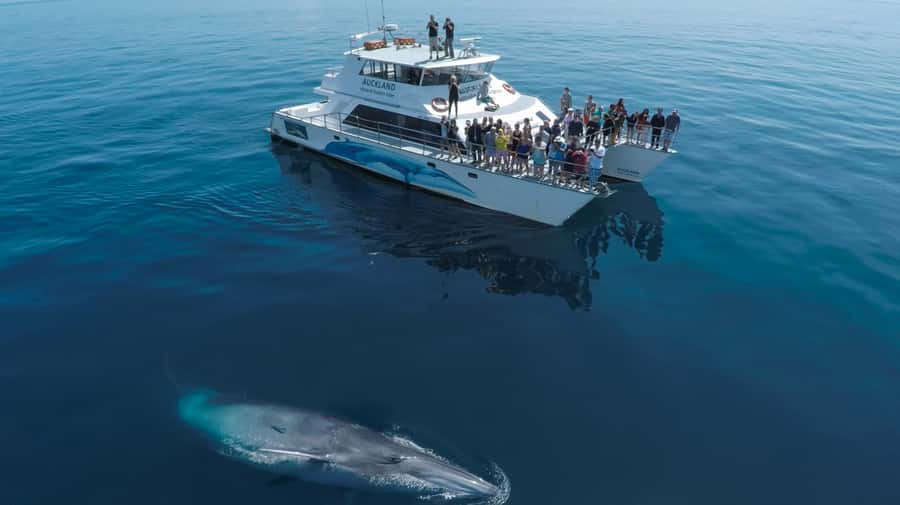
- Dolphin Explorer catamaran: a luxury 65-foot boat designed for spotting and comfortable viewing
- Close-up dolphin viewing potential: the boat can get much closer than many whale-watch operations
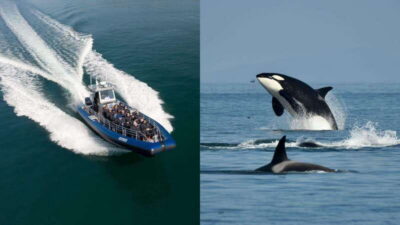
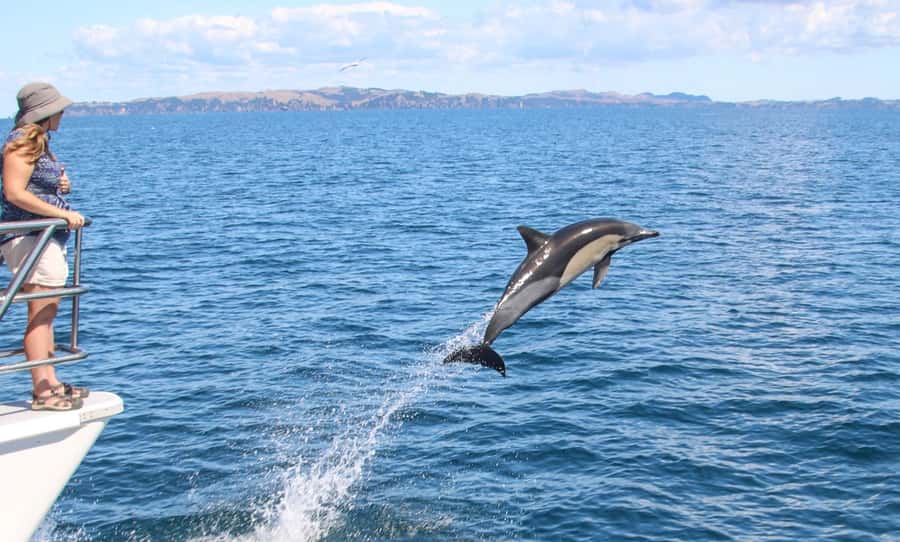
- Orca and bottlenose dolphin focus: these are known visitors in the waters near Auckland
- Science-led onboard team: marine commentary and interaction with research scientists during the trip
- Extra chance included: if you don’t see marine mammals, you can take the cruise again
Meeting at Eastern Viaduct Marina: the part you should not rush
This tour starts at Berth 9, Eastern Viaduct Marina, right in the center of Auckland. If you’re coming from Quay Street, head west to the end, and you’ll find the dock area opposite the Maritime Museum. Plan to check in early and keep moving—check-in closes 15 minutes before departure, so you don’t want a slow start to eat into your time on the water.
Once you’re on board, you’ll feel the difference between a big, cattle-car boat and a purpose-built catamaran. That matters on a wildlife cruise: you want time looking out, not time squeezed in.
Two quick practical notes:
- The vessel is not wheelchair accessible because of stairs and narrow doorways.
- You’ll be happier if you treat this as an outdoor outing. Warm layers, a hat, and a waterproof jacket pay off quickly.
The Dolphin Explorer: viewing comfort and why the boat matters
The Dolphin Explorer is a luxury catamaran, described as 65 feet long, and that size hits a sweet spot. It’s large enough to feel stable and comfortable, but not so huge that you lose sight lines. In multiple firsthand accounts, people mention plenty of places to sit and good viewpoints to see over the edge—exactly what you want when dolphins pop up fast.
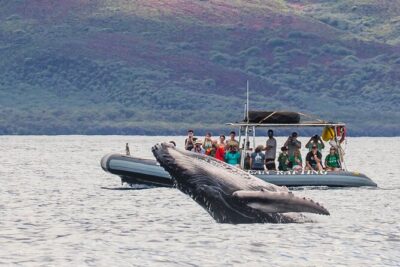
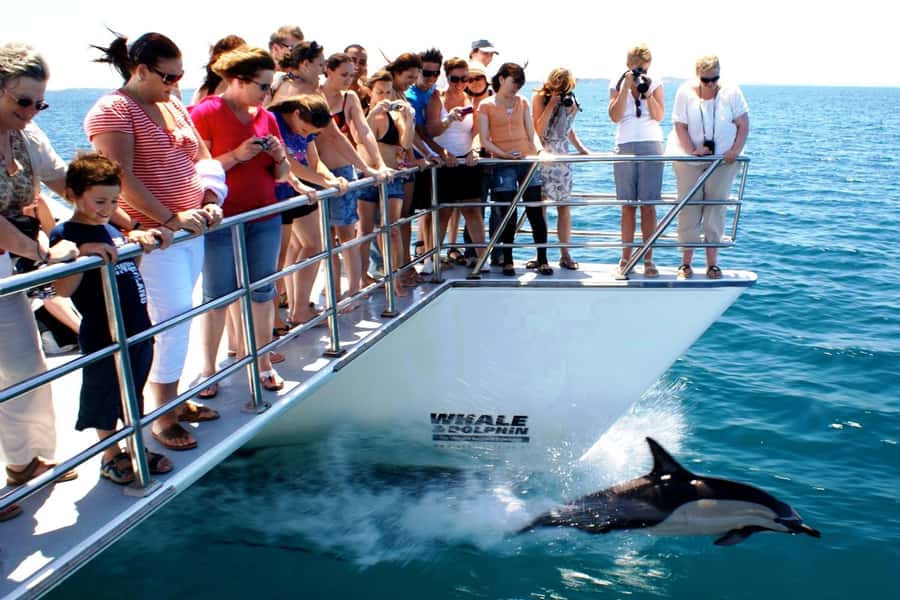
The big selling point is how close the boat can get. The operation says this vessel can reach closer for viewing than many other whale-watching operations. For you, that translates to better chances of real behavior—dolphins swimming alongside, breaching-like moments, and longer observation windows when conditions are right.
One caution: the same features that help with viewing also mean you’ll be spending real time on the open deck. If the sea is choppy, you’ll want your sea-sickness plan ready before you board. The tour recommends bringing sea-sickness medication and taking it prior to the trip.
Leaving Auckland behind: North Head, Devonport, and Rangitoto Island
This cruise doesn’t start with the wildlife chase—it starts with a water-level orientation to Auckland.
Right after departure, you pass major landmarks such as North Head/Devonport and Rangitoto Island. From the water, Rangitoto’s volcanic shape and Auckland’s coastline feel closer and more three-dimensional than they do from shore. Even if animals are quiet at first, the early sightseeing gives your eyes something to do besides waiting.
Think of this as your warm-up: you get oriented to the gulf, you learn how the crew scans the water, and you start understanding what triggers them to slow down or change course.
Hauraki Gulf Marine Park: the ecological reason this cruise isn’t just a show
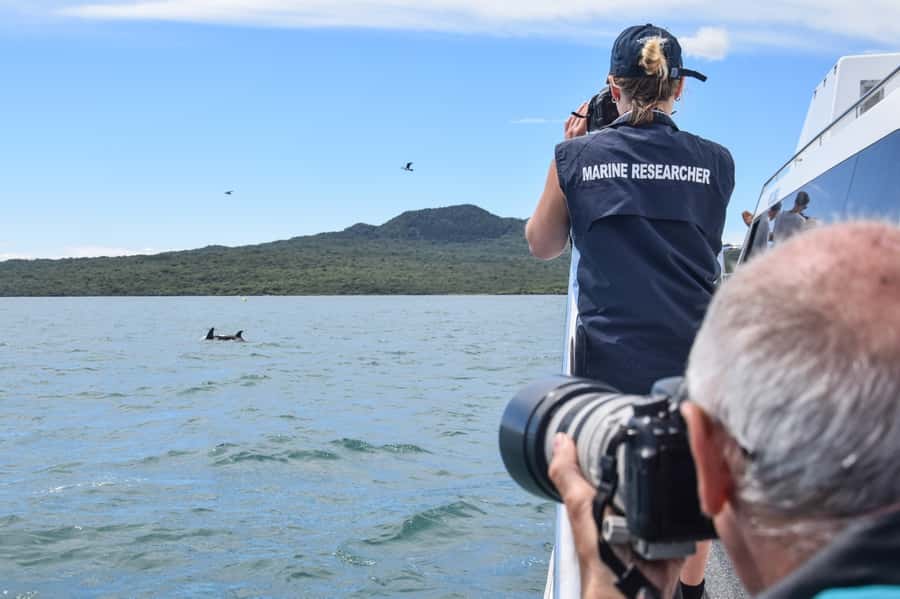
The Hauraki Gulf Marine Park is the heart of this trip, and the operation frames your ride as an eco-safari with conservation outcomes. A dollar from every ticket goes to the Hauraki Gulf Guardians fund, which is a concrete way to link your ticket to marine protection and regeneration.
The part I value most here is the tone. The crew doesn’t treat wildlife as a product. They talk about habitats, behavior, and the balance needed for long-term protection. That makes the cruise feel more grounded, especially when you realize this is designed to be educational and research-supportive.
You’ll also get a sense that the gulf is active, busy, and layered with life. People come expecting whales and dolphins. They often end up watching birds, smaller marine life moments, and the big-picture connections between species.
Spotting orcas, bottlenose dolphins, and whales: managing your expectations
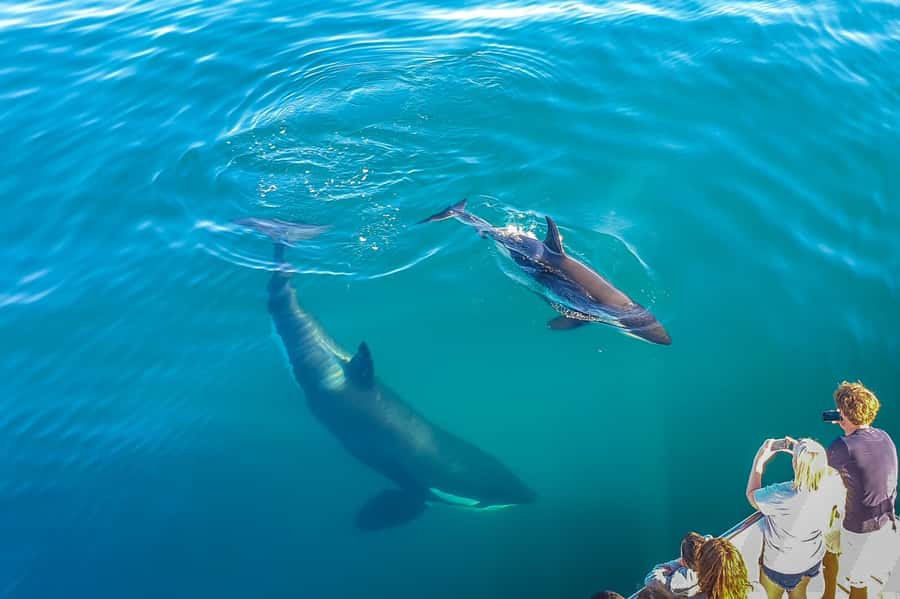
Let’s be honest: whale and dolphin watching is not a vending machine. The waters near Auckland can be great for sightings—especially for orcas and bottlenose dolphins—but nature sets the schedule.
Here’s what you can plan around based on how the trip is set up:
- The cruise is designed specifically to look for marine mammals, so your time on the water is not random sightseeing.
- The boat can get closer for dolphin viewing, which is where you often see longer, more satisfying behavior.
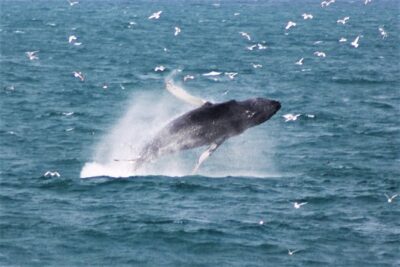
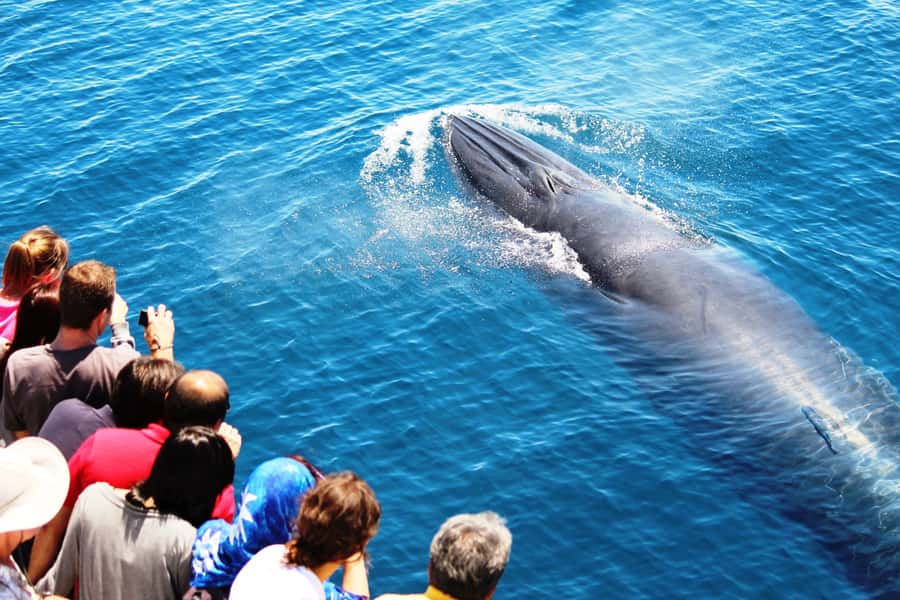
- Whales can appear, including species that people have reported seeing at different times (for example, Bryde’s whales), but distance and timing can vary.
If marine mammals don’t show during your sailing, you’re not stuck with a single-and-done outcome. The cruise includes a second cruise if you don’t see marine mammals. That reduces the anxiety factor a lot, because you’re buying a day on the water plus an extra attempt when conditions or animals aren’t cooperative.
Weather is the other variable. The provider reserves the right to cancel due to wind, weather, or sea conditions. If you want to minimize stress, bring realistic expectations, wear layers, and keep your plan flexible.
On-board experts: how the commentary turns sightings into understanding
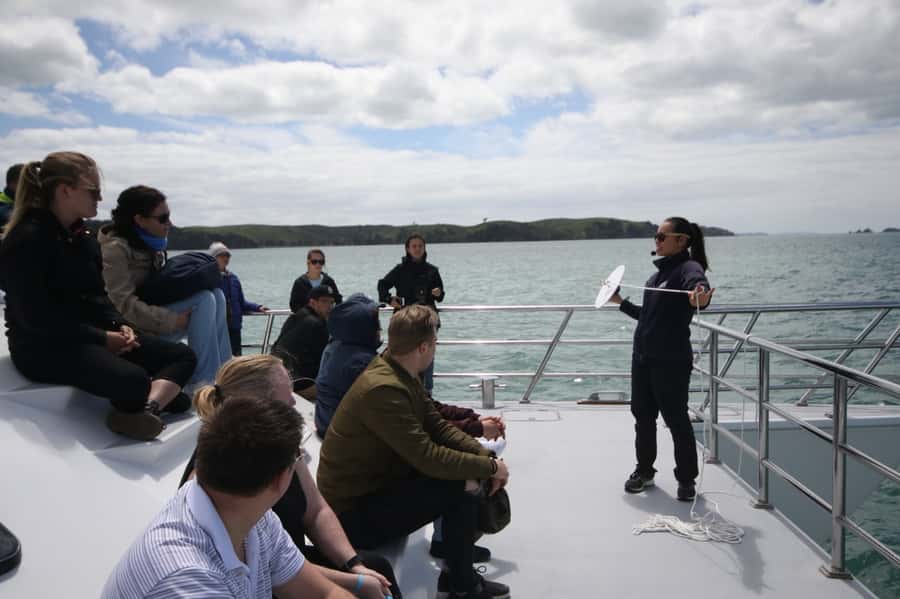
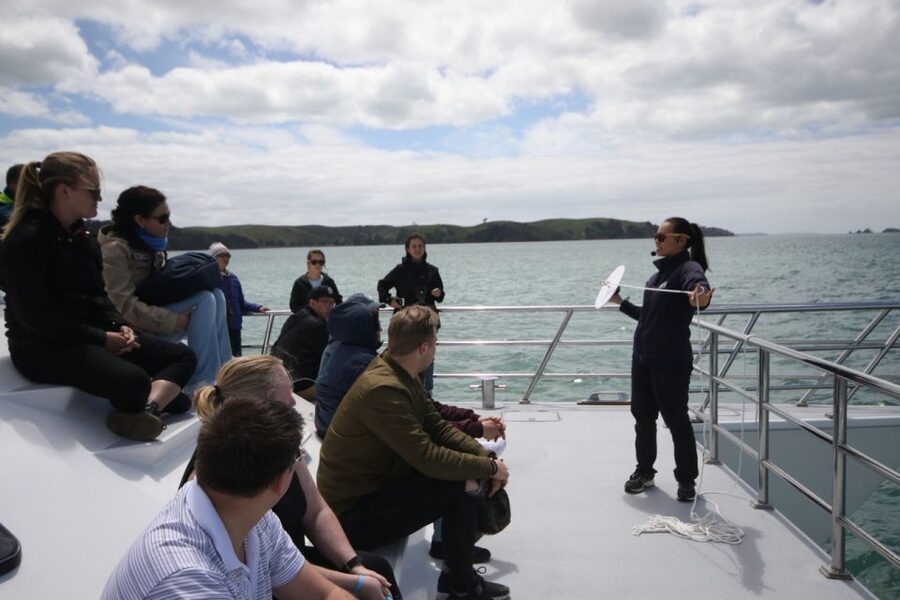
This is one of the strongest reasons to choose this particular cruise. The tour includes expert commentary and interaction with marine research scientists, so you’re not just watching—you’re learning how to read the ocean.
What I love about this style is that it makes the spotting process feel teachable. You start to notice patterns: where birds gather, how the water changes when something is working below the surface, and how the crew’s knowledge guides the search.
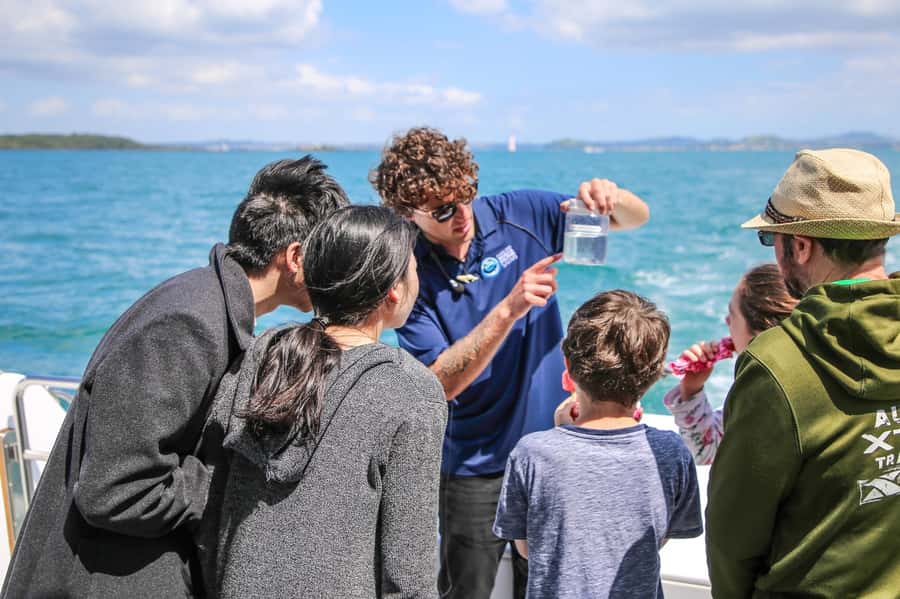
In practice, you’ll hear explanations tied to the local marine environment and often to research methods. Some accounts mention science moments like plankton and sampling activities during the day, plus short presentations during the return toward port. Even if you come for animals first, the science angle can be the surprise highlight.
There’s also a vibe shift when the crew genuinely cares. People describe marine-focused enthusiasm, friendly communication, and good pacing—time to look, time to ask, and safety-first decisions when the sea gets rough.
What you might see besides whales and dolphins
This cruise is marketed around orcas and dolphins, and those are the main targets near Auckland. But the gulf is full of other life, and the boat’s search pattern tends to surface plenty of it.
From accounts shared by past riders, you might also spot:
- seabirds such as gannets (including dramatic plunging for fish)
- blue penguins
- shearwaters
- sharks, including sightings described as hammer head shark at least on one sailing
I like knowing this upfront because it changes how you judge the trip. Even on a day when whales are absent, a strong run of dolphins plus birds can still feel like a full “wildlife story,” not a consolation prize.
Food, drinks, and keeping comfortable for 4.5 hours
The tour runs about 270 minutes (4.5 hours). That’s long enough that comfort matters, but not so long you’ll feel trapped.
Food and drinks are not included. You can purchase snacks, hot food, and drinks onboard, including beer and wine. If you’re budgeting, treat this as an optional add-on, not part of the ticket value.
What you should bring is the stuff that improves your chances of enjoying the full trip:
- warm clothes and a showerproof jacket
- sun hat and sunscreen (yes, even on water days)
- camera and binoculars if you have them
- any personal medication you need
- sea-sickness medication taken before departure, since recommendations are to do it proactively
If you hate being cold, prioritize warm layers over a single thick jacket. On the water, wind steals heat fast.
Price and value: is $130 fair for an eco-cruise with a second try?
At $130 per person, this isn’t the cheapest thing you can do in Auckland. But the value case is solid if you care about three things: time, experience quality, and risk reduction.
Here’s why:
- You’re paying for a dedicated, marine-focused search from Auckland’s center, not a long transfer to a remote region.
- The viewing setup and close-in approach potential (especially for dolphins) increase your odds of memorable behavior.
- The included second cruise if marine mammals don’t show meaningfully lowers the risk that you’ll pay for a quiet day.
You’re also contributing to conservation through the Hauraki Gulf Guardians fund. That doesn’t replace the need for good spotting luck—but it does make the day feel more purposeful.
If you’re only willing to do one activity in Auckland and you’re very price-sensitive, you may think twice. If you’ve got a realistic view of wildlife cruising and you want a science-led outing close to the harbor, this price can feel fair.
Who this cruise suits (and who should skip it)
This trip fits best when you can handle time on the water and you’re comfortable with cold-and-wet possibilities.
It may be a good match for:
- couples and solo travelers who want a half-day of real wildlife viewing
- families with older kids (children under 5 are allowed only if closely supervised by a parent or guardian)
- people who like science, research, and explanation—not just animal spotting
It’s not a match if:
- you’re considering it for unaccompanied minors (unaccompanied minors aren’t allowed)
- you’re heavily pregnant, since the activity is not suitable for heavily pregnant women
- you need wheelchair access, since the vessel isn’t wheelchair accessible
Should you book the Auckland whale and dolphin eco-cruise?
I’d book it if you want a half-day that blends wildlife chances with real marine context—and you’re staying flexible enough for weather. The second cruise option is a big deal. So is the close viewing potential and the fact the onboard team shares research-style knowledge instead of generic facts.
Skip it if you’re searching for certainty. This is still the ocean. Animals move. Weather changes. But if you can accept that trade-off, you’ll likely walk away with a story you’ll replay later—especially if you’re lucky enough to catch dolphin pods and seabirds in active feeding mode.
In my view, the strongest reasons to choose this specific operator are the science-led onboard experience, the close approach possibility, and the added attempt if marine mammals don’t show.
FAQ
How long is the Auckland whale and dolphin eco-cruise?
It lasts about 270 minutes, which is 4.5 hours.
Where do I meet for the cruise?
You board at Berth 9, Eastern Viaduct Marina, accessed from the end of Quay Street heading west. It’s opposite the Maritime Museum. Check in is required 30 minutes before departure, and check-in closes 15 minutes before the trip time.
What if I don’t see whales or dolphins?
If you don’t see marine mammals, you can take a second cruise free.
What should I bring for the trip?
Wear warm clothes and bring a showerproof jacket. Bring a sun hat and sunscreen, plus your camera and binoculars if you have them. The tour also recommends bringing sea-sickness medication (taken prior to the trip) and your personal medication if needed.
Is food and drink included in the ticket price?
No. Food and drinks aren’t included, but you can purchase snacks, hot food, and drinks on board, including beer and wine.
Is the boat wheelchair accessible, and is it suitable for everyone?
No—the vessel isn’t wheelchair accessible due to stairs and narrow doorways. It’s also not suitable for heavily pregnant women, and unaccompanied minors aren’t allowed.