REVIEW · LA PAZ MEXICO
Whale Watching in La Paz – Gray Whale Encounter
Book on GetYourGuide →Operated by La Paz City Map · Bookable on GetYourGuide
A morning boat ride with whales so close.
This gray whale encounter in Puerto Chale is built around real migration behavior: you’re not just cruising for a distant sighting, you’re watching mothers and calves surface in the bay. I love the small-group feel plus the practical add-ons—like an air-conditioned van and two included meals that actually keep you going. One thing to consider: it’s a long day with lots of road time, and it’s not ideal if you have mobility or back issues.
If you go in January through March, you’ll be in the heart of the season. Expect a pickup in La Paz, a scenic ride toward the bay region, and then a boat trip timed for whale activity—often just meters from the hull. In one verified booking, the communication was smooth and the driver, Andres, plus the local captain made the whole thing run like clockwork; in another case, a traveler reported a no-show. That’s unusual, but it’s a good reason to confirm details the day before.
In This Review
- Key Highlights You’ll Care About
- Gray Whales in Puerto Chale: What Makes This Encounter Work
- Getting From La Paz to the Bay: Early Start, Real Travel Time
- The Breakfast Box and Lunch That Actually Make a Difference
- Speedboat Time and the Close-Up Gray Whale Moments
- What you should expect on the water
- Magdalena Bay Break Time: The Rest Stop You’ll Thank Yourself For
- Price and Value at $169: What You’re Really Buying
- Who This Gray Whale Tour Fits Best (And Who Should Skip It)
- Practical Packing Checklist for a Smooth Day on the Water
- Day-Of Comfort: Tips to Help Things Go Right
- Should You Book This Gray Whale Watching Trip?
- FAQ
- Where is the meeting point for this tour?
- How long is the tour?
- What season is best for gray whale sightings?
- What’s included in the price?
- Is alcohol included?
- What languages will the guide speak?
- How many people are in the group?
- What should I bring?
- Is the tour refundable if my plans change?
Key Highlights You’ll Care About
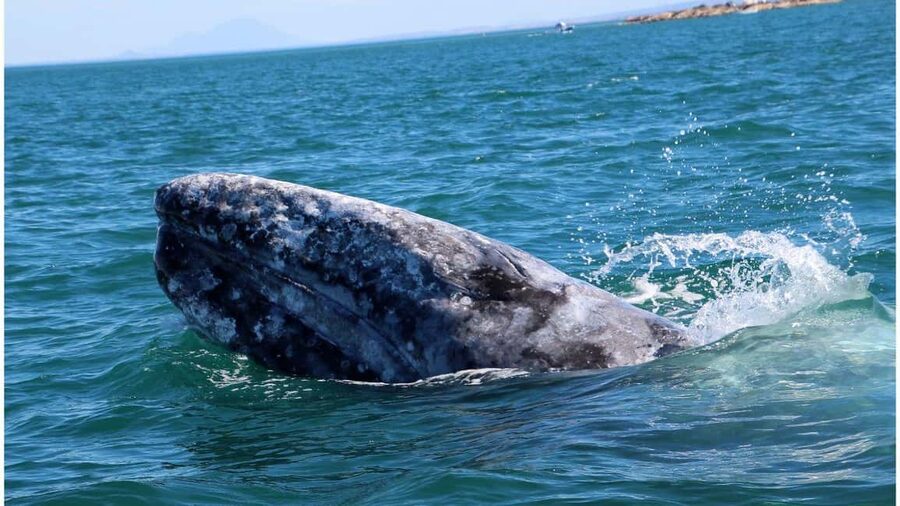
- Mother-calf sightings in the gray whale migration season (Jan–Mar), often very close to the boat
- Small groups (limited to 15; also listed as max 10 in the activity details), so the experience stays more personal
- Two included meals: a breakfast box with burritos, tamales, fruit, and local coffee, plus a regional lunch with a drink
- Air-conditioned transport from La Paz to the Puerto Chale bay area, with a life jacket provided
- Local captain + local route that focuses on the bay conditions, not just the ride
Gray Whales in Puerto Chale: What Makes This Encounter Work
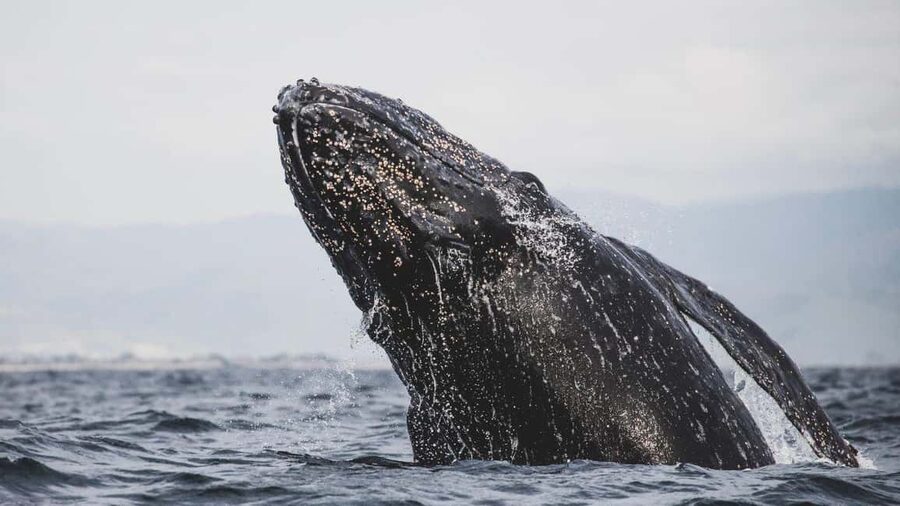
La Paz gets all the attention, but the whale action is out in the bay around Puerto Chale and Magdalena Bay. This trip centers on gray whales moving along their migration route—and the part I find most meaningful is that you’re watching the animals that are actively traveling with calves.
When whales are this close, you stop thinking of it as a “tour” and start thinking of it as wildlife viewing with a time limit. You’ll likely spend most of the boat time scanning for surface blows and then waiting for the next moment. And because you’re not dealing with a long bus-and-park cycle, the day stays focused on the ocean.
A small but important detail: this is scheduled for January to March. That matters because it’s the season window when you’re more likely to see the migration activity and the mother-calf pairs you came for. If you go outside that season, you might still catch something, but your odds change.
Also, the experience is designed for the kind of day where weather and animal behavior are the real “schedule.” The boat portion is roughly two hours, and during that time you want your head on a swivel, camera ready, and sunscreen doing its job.
Getting From La Paz to the Bay: Early Start, Real Travel Time
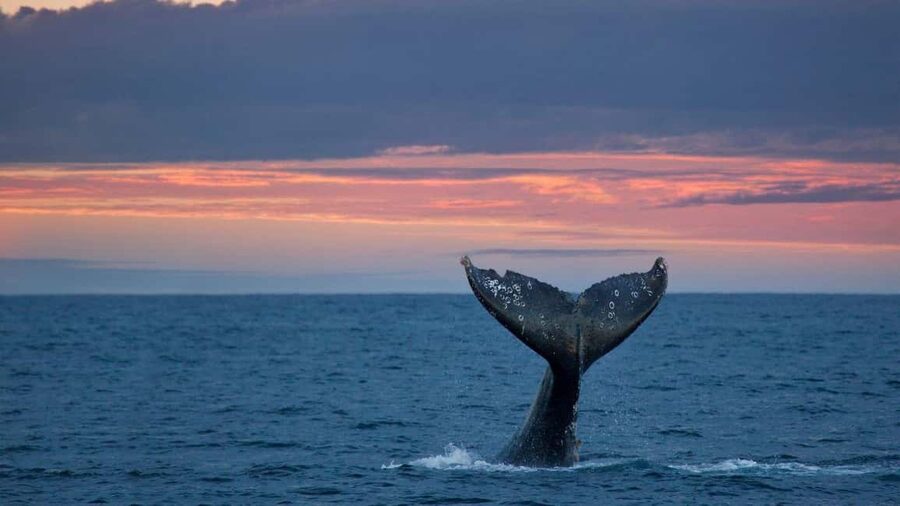
You start in La Paz with pickup, and the plan is built around getting you out to the whale area early. The morning begins from the listed starting point (Edificio Laura) and the activity notes show a typical day that runs about 7:00 AM–3:00 PM (with an advertised duration of 8 hours). In plain terms: it’s not a quick excursion. You’re committing to a full-day outing.
The logistics are straightforward:
- You ride an air-conditioned van (around two hours).
- Along the way, there’s a pass-by stop connected to the bay region (listed as Magdalena Bay, about 30 minutes).
- Then you switch to a speedboat for about two hours on the water.
- After the boat time and lunch/break, you return by van (about two more hours).
Why this matters: long road time means you’ll want comfortable clothes and a light layer. It also means the included breakfast box isn’t a “bonus.” It’s a real piece of your comfort plan, because you’ll be waiting for the next meal longer than you think.
One more thing I appreciate: the trip keeps the transport options simple—van and boat—so you’re not bouncing between too many steps. Just be prepared for the day to feel long, especially if you’re sensitive to travel.
The Breakfast Box and Lunch That Actually Make a Difference
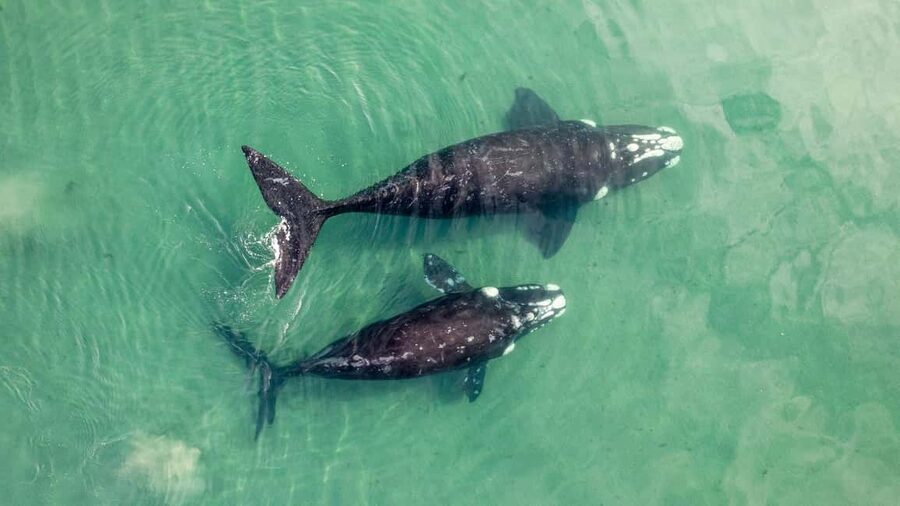
Food doesn’t sound like a highlight until you’re hungry on a boat with sun overhead. This one gets the basics right with a regional breakfast box lunch and a second meal after whale watching.
Your breakfast box includes:
- Burritos
- Tamales
- Fresh fruit
- Local coffee and homemade drinks
Then after the boat time, you get a regional lunch at a local restaurant, with a menu that includes a drink.
In one verified booking, both meals were described as good quality and included as promised. That lines up with what you’d hope for at this price point: you shouldn’t have to scramble for food or waste time hunting for a café mid-day.
What’s not included is alcoholic beverages. If you want beer, wine, or cocktails, budget for it separately.
Here’s my practical take: eat the breakfast box fully before the boat. Also, keep water handy if you’re the type who gets thirsty under sun. Your included drinks help, but you’ll be outside and moving your head constantly.
Speedboat Time and the Close-Up Gray Whale Moments
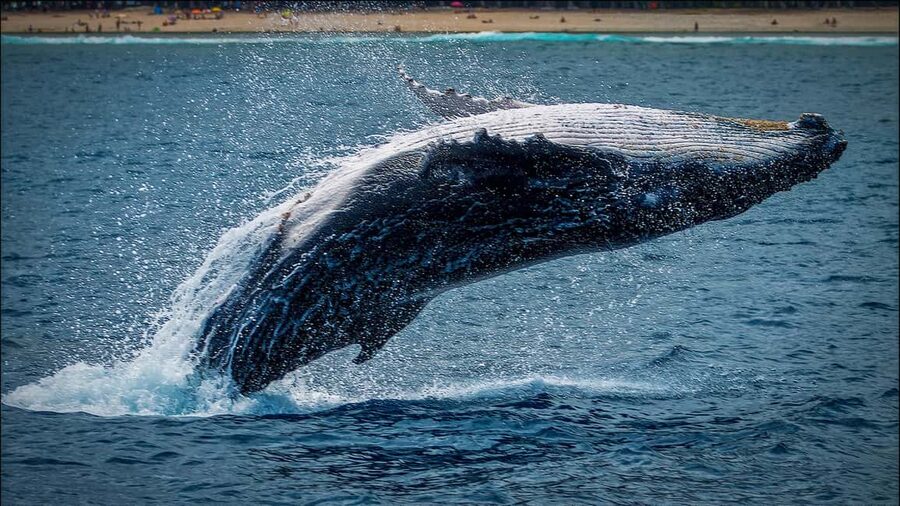
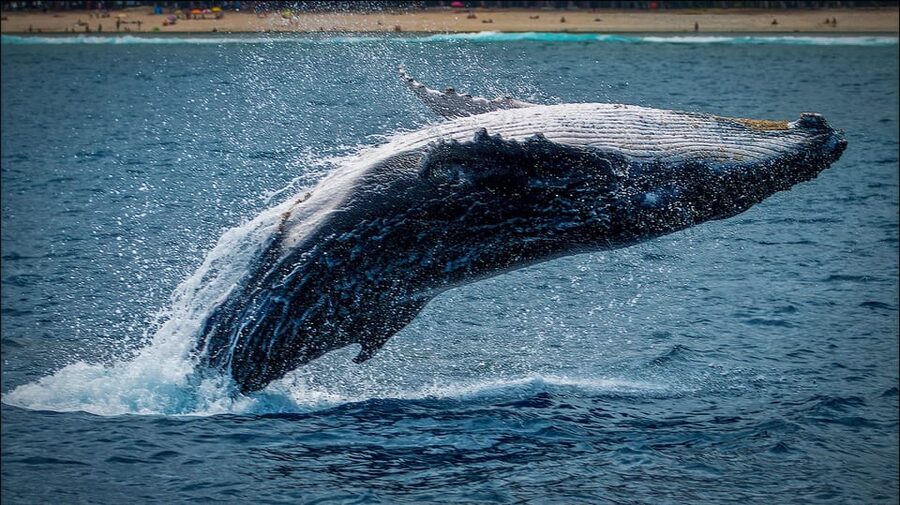
The heart of the tour is the boat ride, led by a local captain. You’ll be given a life jacket before you head out. In the best-case scenario, whales surface close enough that you can clearly track behavior—surface blow, pause, then movement down again—without needing binoculars the size of your future regrets.
How close can it get? The activity description says whale and calf sightings often occur just meters from the boat. In one verified booking, a traveler reported they even got to touch one. I can’t promise that level of closeness on every trip (and wildlife rules can vary by conditions), but I can tell you that the design of the experience is aimed at proximity, not just passing views.
Also, small-group sizing matters here. When the group is smaller, it’s easier for everyone to see, and the crew can focus on the bay conditions rather than managing crowds. The activity notes mention small-group limits (limited to 15, and elsewhere listed as max 10). Either way, it’s meant to be tighter than the big “herd” style excursions.
What you should expect on the water
- Mostly scanning and waiting between surface events
- Sun exposure (so hats and sunscreen are not optional)
- A steady two-hour window, paced around where the whales are active
Magdalena Bay Break Time: The Rest Stop You’ll Thank Yourself For
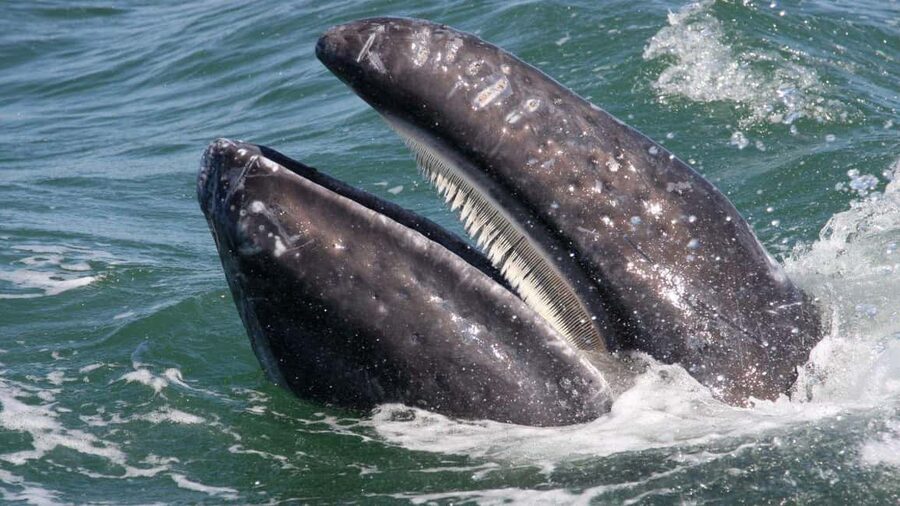
Between boat time and the return drive, you get a break period plus lunch. The schedule lists about one hour for this pause at Magdalena Bay, which is long enough to reset—use the restroom, cool down, and eat without rushing.
This part can make or break how you feel on the return. After the excitement of whale watching, it’s easy to feel fine for a while and then crash when the road hours start. That’s why I like that the plan includes both a meal and a true break, instead of making you snack only.
Practical advice: if you’re sensitive to motion, use the break time to steady your stomach. And if you’ve been filming or photographing with your arms up, stretch a bit before the drive back.
Price and Value at $169: What You’re Really Buying
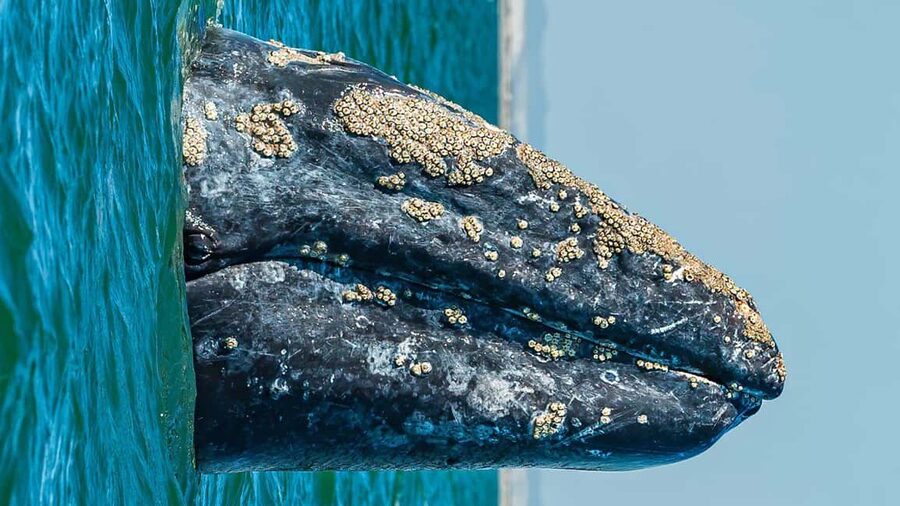
At $169 per person, you’re paying for more than a boat ride. You’re also paying for the parts that make whale watching workable in real life:
- Hotel pickup and drop-off in La Paz
- Air-conditioned transport in a van
- Boat ride with local captain plus life jacket
- Two meals (breakfast box + regional restaurant lunch)
- Travel insurance
Let’s compare this to the DIY approach. To do this on your own, you’d need transport planning, a boat provider, and a food plan, all timed to the migration window. Even if you find a good local option, the hassle factor is real—especially with a day that already includes long travel blocks.
What you should budget separately:
- Alcoholic beverages (not included)
- Snacks or drinks beyond what’s in the included meals (optional)
- Tips (not mentioned, but it’s common in the region to consider them)
So is it good value? For many people, yes—because the trip handles the logistics and keeps you fed. If you’re the type who hates organizing transport and meal stops, this price becomes easier to justify.
Who This Gray Whale Tour Fits Best (And Who Should Skip It)
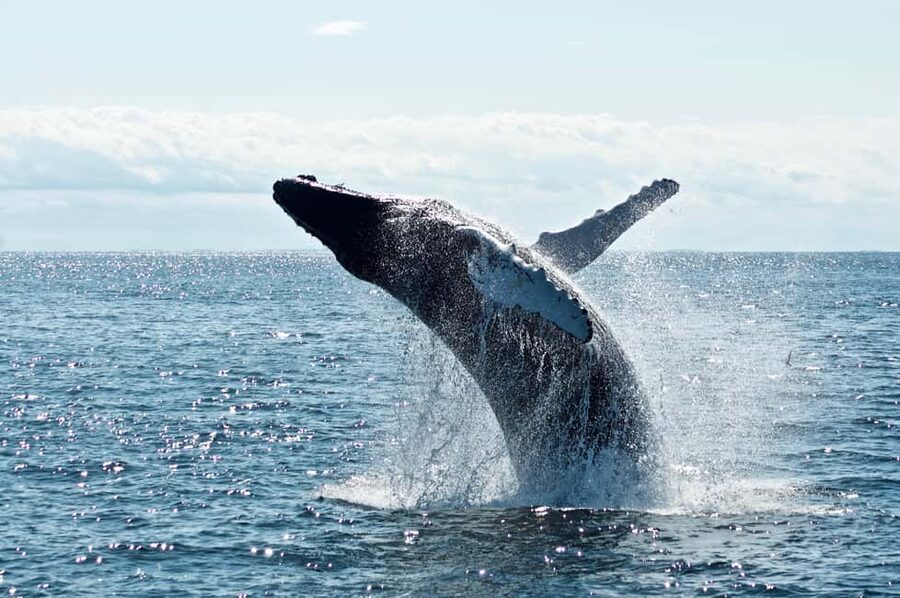
This trip is best for:
- People who want close-up wildlife rather than a casual sightseeing cruise
- Anyone traveling with a camera who’s comfortable spending time outside in sun
- Visitors who like small-group touring and don’t want a big, chaotic day
It’s not suitable for:
- Pregnant women
- People with back problems
- People with mobility impairments
- Wheelchair users
That last part matters. Even if the van is comfortable, the overall day includes transfers and time on boats. If mobility is a concern, I’d take that warning seriously rather than hoping it’ll be fine.
Also consider your tolerance for a long day. Even though it’s advertised as 8 hours, the described schedule runs close to about 7:00 AM–3:00 PM, and that length can feel more intense when you’re sun-exposed and focused on whale spotting.
Practical Packing Checklist for a Smooth Day on the Water
The tour’s “what to bring” list is solid, and I’d follow it closely:
- Sunglasses
- Sun hat
- Sunscreen
- Comfortable clothes
- Camera
And add one “smart extra” that fits the reality of the schedule: a light jacket or layer. The morning can feel cooler, and wind on the water can change how you feel.
One detail included in the additional information: use biodegradable sunscreen. If you already carry a reef-safe option, great. If not, consider bringing one from home so you’re not trying to find it last minute.
Day-Of Comfort: Tips to Help Things Go Right
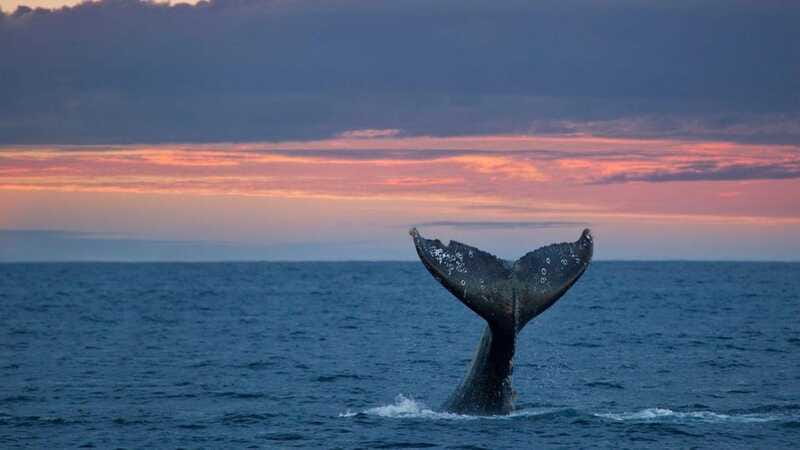
I’ll be straight with you: most days likely run smoothly, but one verified booking reported a no-show after waiting at the rendezvous point, with no warning of cancellation. That’s the kind of failure that you can’t plan away with optimism.
Here’s how you reduce risk without turning the whole trip into a stress project:
- Confirm pickup timing the day before, and keep the local operator contact info handy.
- Be at your pickup point early (don’t cut it close).
- Bring the basics listed above, so you’re not scrambling if the day runs a bit longer.
Also pay attention to expectations about transport. One verified booking described a vehicle-size mismatch versus what was described, and they also noted the breakfast box wasn’t provided. I can’t say that’s typical, but it does point to one thing: when you arrive, check that you’ve got your breakfast box and that the transfer matches your understanding of the day.
If everything is as described, you’ll likely enjoy a clean, air-conditioned van ride and a capable captain. In one verified booking, the driver was named Andres, and the overall communication was praised.
Should You Book This Gray Whale Watching Trip?
Book it if you want a day built around gray whales and mother-calf sightings, with the comfort pieces handled—transport, life jacket, and two meals. The season timing (January to March) is a big reason to consider it, and the small-group setup should help you actually enjoy the viewing time.
Skip it if:
- You’re dealing with mobility or back issues (this is explicitly listed as not suitable)
- You can’t handle a long travel day with early start and sun exposure
- You need a low-hassle experience and aren’t comfortable with the chance of operational hiccups in remote-area tours
My bottom line: if you’re flexible and you’re going during the prime season, this is the kind of outing that turns wildlife into a real memory, not just a line on your itinerary.
FAQ
Where is the meeting point for this tour?
The meeting point is listed as Pita’s Tours Office.
How long is the tour?
The duration is listed as 8 hours, and the schedule notes about 7:00 AM–3:00 PM (approximately 10 hours).
What season is best for gray whale sightings?
The season listed is January to March.
What’s included in the price?
Hotel pickup and drop-off in La Paz, a regional breakfast box lunch, air-conditioned van transportation, a boat ride with a local captain, life jacket, regional lunch at a local restaurant, and travel insurance.
Is alcohol included?
No, alcoholic beverages are not included.
What languages will the guide speak?
The tour guide is listed as speaking Spanish and English.
How many people are in the group?
It’s listed as limited to 15 participants, and it’s also listed as a minimum of 4 people and a maximum of 10 people.
What should I bring?
Bring sunglasses, sun hat, sunscreen, comfortable clothes, and a camera. The notes also recommend a jacket and biodegradable sunscreen.
Is the tour refundable if my plans change?
Free cancellation is offered up to 24 hours in advance for a full refund.