REVIEW · NOOSA AND SUNSHINE COAST
AAA NOOSA Whale watching experience in Noosa Whalesongsnoosa
Book on Viator →Operated by Whalesongs Noosa · Bookable on Viator
Whale songs come through a live underwater mic. What makes WhaleSongs Noosa a step above basic whale spotting is the hydrophone work: you’re not just hunting for whales and dolphins, you’re listening while you watch the action unfold.
I also like the small group feel, with a researcher onboard and Captain Albie plus first mate Peppie guiding what you’re seeing as you scan the water. One consideration: the start point can be a little confusing to find if your confirmation details point you to a different company name, so give yourself extra time at The Big Pelican.
In This Review
- Key things to know before you go
- WhaleSongs Noosa is different: you hear whales, not just spot them
- Price and value: what $82.48 buys you in real life
- Finding the meeting spot near The Big Pelican: don’t wing it
- The onboard setup: sheltered deck, room to move, and small-group comfort
- The 2-hour flow: Noosa Heads first, then Sunshine Beach
- What the researcher and crew teach you while you scan the water
- Comfort and practical reality: weather, sea conditions, and expectations
- Who should book this Noosa whale watching tour
- The best part: making whale watching feel personal
- Should you book WhaleSongs Noosa?
- FAQ
- How long is the WhaleSongs Noosa whale watching experience?
- Where does the tour start and end?
- Do I get a mobile ticket?
- Can you hear whales and dolphins on board?
- How big is the group?
- Is there shelter from the sun while onboard?
- What happens if the weather is poor?
- Are service animals allowed?
- How does cancellation work?
Key things to know before you go
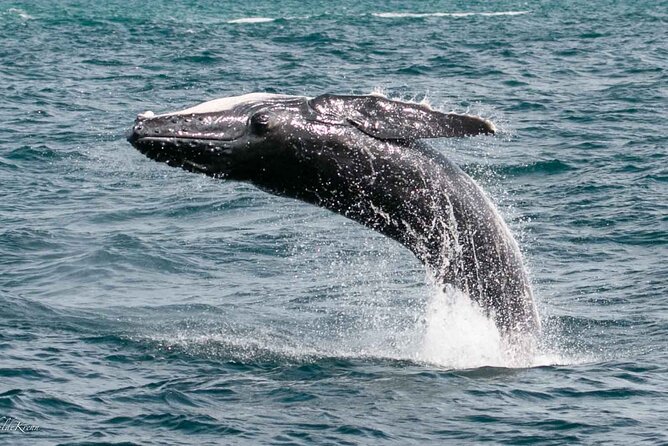
- Hydrophone in real time for hearing dolphin chatter and whale communication as it happens
- Up to 10 people keeps it personal and calmer for spotting
- Sheltered deck with a roof so sun and glare are less of a battle
- Noosa Heads to Sunshine Beach route with multiple chances to find wildlife
- Research-led onboard commentary from a whale and dolphin expert during the cruise
WhaleSongs Noosa is different: you hear whales, not just spot them
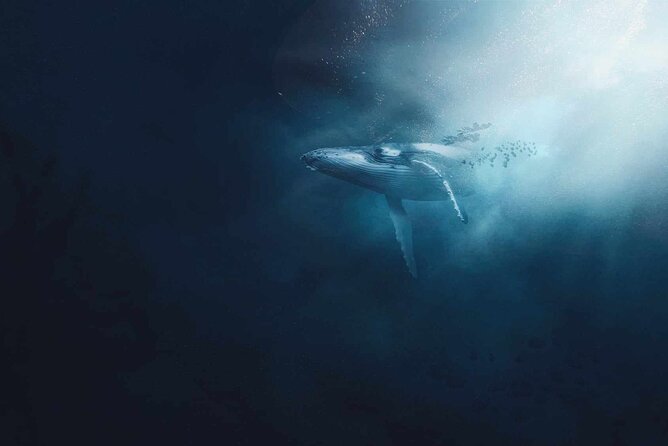
Noosa is famous for close-to-shore whale watching on Queensland’s coast, but it can feel random if you’re only looking with your eyes. WhaleSongs Noosa tackles that problem in a smart way: you spend time on the water learning what you’re looking at, and then you get to hear it too.
The heart of the experience is the onboard hydrophone. Instead of relying on guesswork, you’re listening to underwater sound as whales and dolphins communicate. That changes the whole mood. Even when sightings are slow, you still have something happening—sound cues and the guide’s explanation give you a reason to stay focused.
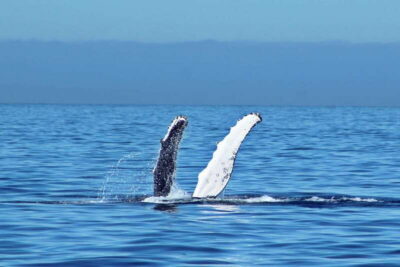
And when the whales do show up near the boat, it gets extra meaningful because you’re connecting the behavior you see with the sounds you’re hearing. It’s also a nice way to keep kids interested and adults engaged without turning it into a frantic game of who spots first.
You can also read our reviews of more tours and experiences in Noosa and Sunshine Coast.
Price and value: what $82.48 buys you in real life
At $82.48 per person for about two hours, this isn’t the cheapest option on the Noosa strip. But it does offer a few value drivers that matter once you’re out there: a small maximum group of 10, a researcher onboard, and the hydrophone experience.
For me, the value comes down to two things you can’t fake:
- The sound element (hearing whale and dolphin communication live)
- The guided interpretation from the onboard researcher and crew, so your “good luck” sightings turn into real understanding
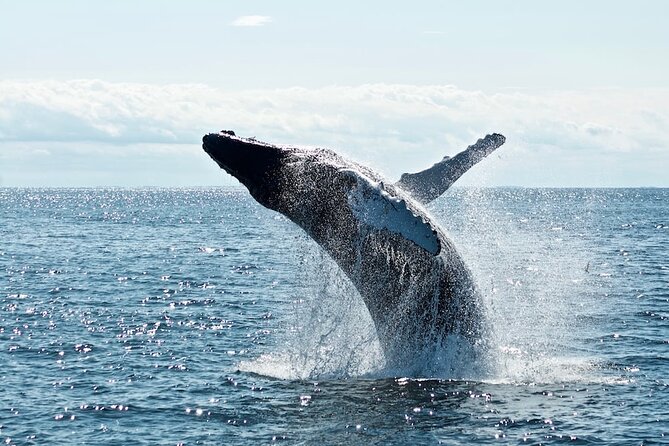
If you’re the type who wants more than photos—if you want to know what the whales are doing and why—this price starts to make sense. If you’re only chasing the biggest breaching spectacle and you’re happy with a standard sightseeing cruise, you might feel like you’re paying extra for what wildlife decides to do that day. Still, the hydrophone makes the experience compelling even when the whales are more modest in their performance.
Finding the meeting spot near The Big Pelican: don’t wing it
The tour starts at The Big Pelican, 180 Gympie Terrace, Noosaville (QLD 4565). The good news is that it’s near public transportation. The practical trick is that one past booking issue has shown up in feedback: the meeting premises can be easy to miss if the operator name or street details don’t match what you expected.
So here’s what I’d do if you want zero stress:
- Arrive early and confirm the exact check-in wording you received when you booked
- Use the address on your confirmation first, not memory
- Give yourself a little extra time to get your bearings at the building area around The Big Pelican
That small step can save you from a tense start—and you’ll be relaxed when it’s time to check in and board.
The onboard setup: sheltered deck, room to move, and small-group comfort
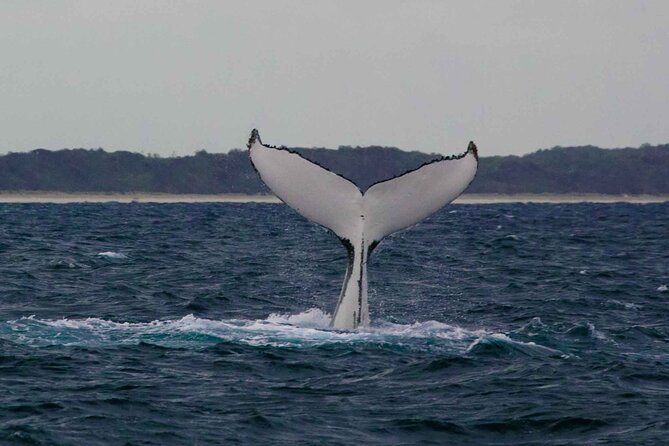
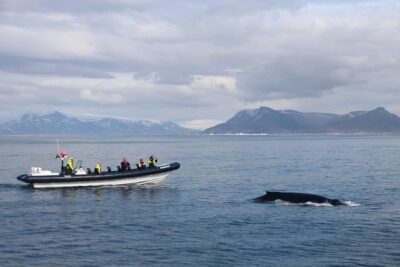
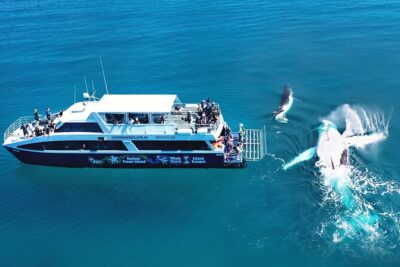
This is a boat experience built for comfort while you wait for whales and dolphins. You’ll be under a roof for shelter, which helps with sun, glare, and that shifting Queensland light. It also makes the experience feel less like you’re constantly “bracing” for weather.
Another underrated feature is that you have freedom to walk and move around the boat. That matters because spotting is visual work. Being able to reposition helps you track fins, tails, and surfacing patterns without feeling stuck in one spot.
Finally, the cap on group size is a big deal. With a maximum of 10 travelers, you’re less likely to feel squeezed, and the crew can pay closer attention to what you’re seeing. One of the consistent themes in feedback is how personal the whole trip feels, especially compared with larger operations.
The 2-hour flow: Noosa Heads first, then Sunshine Beach
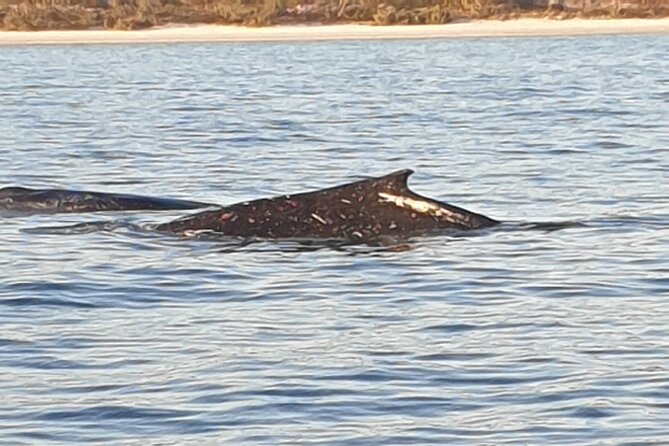
The itinerary is built around two practical coastal zones: Noosa Heads and Sunshine Beach, with the cruise time spent searching for whales and dolphins along the way.
Here’s why that structure helps you as a visitor:
- Whales and dolphins don’t stick to one predictable lane, especially around feeding and traveling behavior
- Splitting effort across two nearby areas increases your odds of finding active wildlife within the tour window
- You’re not stuck with a single-location watch-and-hope plan
What makes the pacing feel better than you might expect is the way the waiting is part of the show. The crew isn’t just killing time until sightings happen. You’re on a research charter, so you get education while scanning, and the hydrophone gives you sound cues that keep your attention locked in.
What the researcher and crew teach you while you scan the water
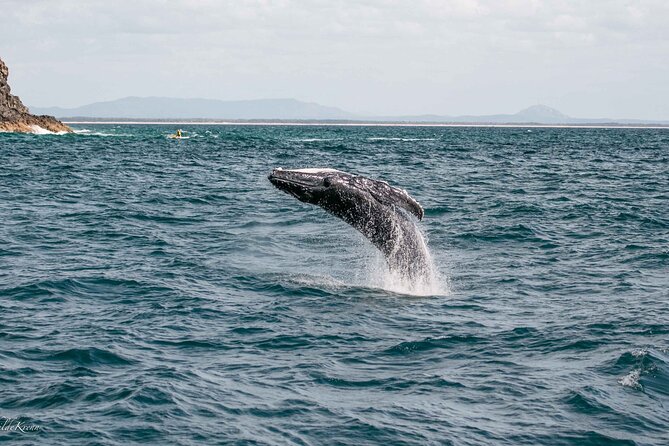
This isn’t a lecture-only outing. The onboard researcher and crew share information while you’re out there—so the learning is tied to what you can see right then.
You can expect themes like:
- How to interpret whale and dolphin behavior as it plays out
- What whale and dolphin communication can sound like through the hydrophone
- Why “nearby” sightings matter in Noosa, since whales are known for coming fairly close to shore in the region
Captain Albie and first mate Peppie are repeatedly mentioned for enthusiastic guidance, and that enthusiasm matters. When the crew is engaged, you stay engaged. And when you’re hearing whale songs through the underwater mic while the animals are nearby, it turns the trip into more than just a sighting—it becomes an actual encounter.
There’s also a small-but-important benefit of going with a research-focused team: you’re more likely to come away with a clearer mental map of what you saw. That makes your next look at the coast feel smarter, not just busier.
Comfort and practical reality: weather, sea conditions, and expectations
This tour requires good weather. That’s not just fine print—it’s the reality of operating safely and keeping the experience enjoyable. If conditions are poor, you’ll be offered a different date or a full refund. That policy is a relief because whale watching is weather-sensitive by nature.
One more practical point: this is a smaller boat charter. Small boats can be a joy for spotting because you’re close and not battling crowding. But motion can still happen. If you’re prone to seasickness, bring what you need and take it seriously. Also pack layers, because coastal wind can change your comfort fast even on a good day.
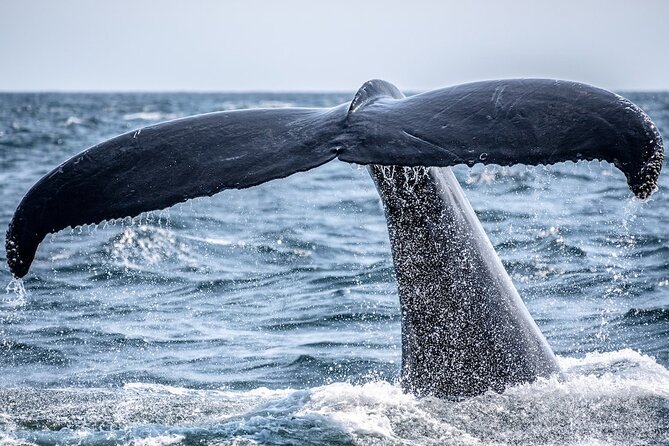
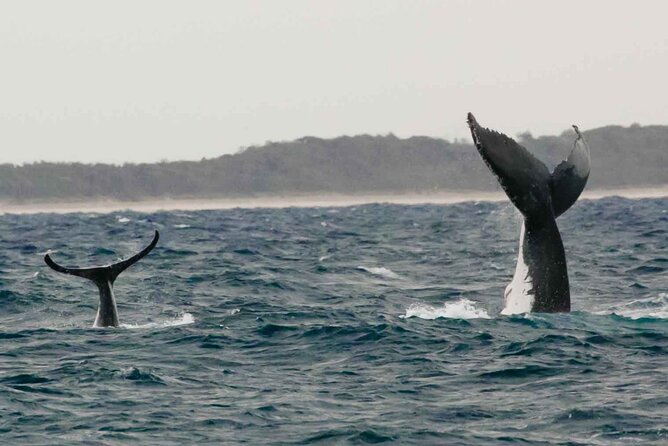
Finally, keep your expectations flexible. Wildlife is wildlife. Some days whales put on a big show, and other days they’re quieter. Either way, the hydrophone gives you a strong chance of still getting an experience that feels active, not wasted.
Who should book this Noosa whale watching tour
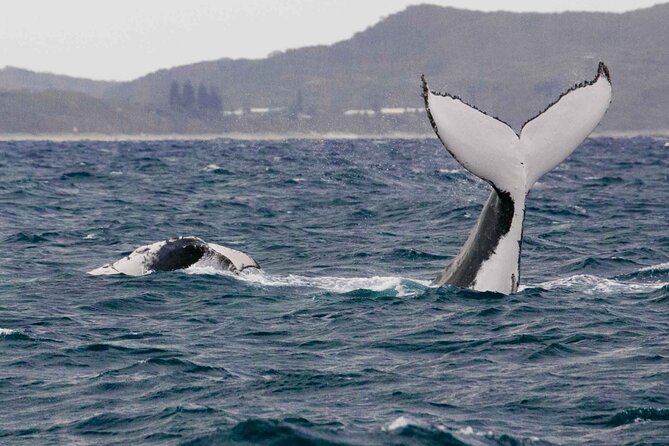
This one fits best if you match one of these descriptions:
- You want more than visuals and would enjoy hearing whale and dolphin communication live
- You like small-group tours where your attention isn’t split across a crowd
- You’re visiting Noosa and want a meaningful “research charter” experience tied to the local marine area
- You’re traveling with kids or anyone who benefits from a guided explanation rather than a guessing game
It may not be the best match if:
- You only care about large-scale breaching and don’t want to pay for the sound-and-learning component
- You dislike waiting and scanning, even with hydrophone sound cues and expert explanations
- You have trouble with any kind of boat motion and can’t manage it
The best part: making whale watching feel personal
The highest praise isn’t just about seeing whales. It’s about how the trip feels while you’re out there: the guided atmosphere, the small group size, and the sense that you’re learning in real time.
If you’ve done whale watching before as a passenger with no context, you know the frustration: you see a splash, snap a photo, then wonder what you just witnessed. WhaleSongs Noosa tries to solve that by giving you sound through the hydrophone and framing your sightings with ongoing commentary.
And when the whales are active nearby, hearing that communication while they surface can turn an ordinary morning into something you’ll remember long after you’re back on shore.
Should you book WhaleSongs Noosa?
If your goal is a guided, research-led whale watching experience where you can hear whale songs and dolphin communication live, I think it’s an easy yes. The price isn’t low, but the combination of hydrophone listening, sheltered comfort, and a small-group format makes it feel fair.
Book this when you want connection, not just a checklist. With good weather and a bit of wildlife luck, you’ll leave Noosa feeling like you actually understood what you saw.
FAQ
How long is the WhaleSongs Noosa whale watching experience?
The tour lasts about 2 hours.
Where does the tour start and end?
It starts at The Big Pelican, 180 Gympie Terrace, Noosaville QLD 4565, and it ends back at the same meeting point.
Do I get a mobile ticket?
Yes, you’ll receive a mobile ticket.
Can you hear whales and dolphins on board?
Yes. The boat has an onboard hydrophone that lets you hear whale and dolphin communication live.
How big is the group?
The tour has a maximum of 10 travelers.
Is there shelter from the sun while onboard?
Yes. The boat has a sheltered deck and a roof for shelter.
What happens if the weather is poor?
The experience requires good weather. If it’s canceled due to poor weather, you’ll be offered a different date or a full refund.
Are service animals allowed?
Yes, service animals are allowed.
How does cancellation work?
You can cancel for free up to 24 hours in advance for a full refund. If you cancel less than 24 hours before the start time, the amount paid is not refunded.