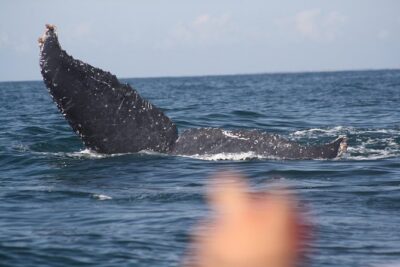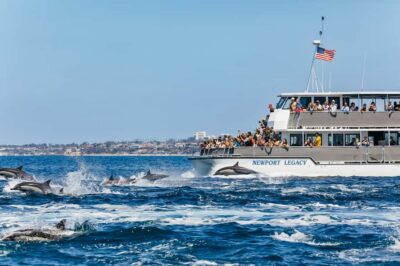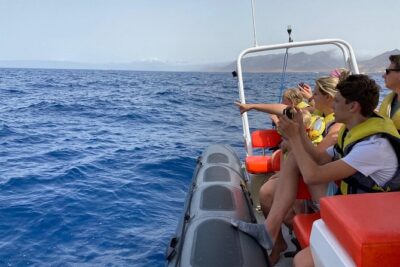
Whales show up fast in Tarifa. This Strait of Gibraltar sailing has a high chance of real encounters, and I love that you get help from the crew to see whales and dolphins from different angles. I also like the strict behavior rules (no feeding, no throwing things overboard, no disturbing the animals), which keeps the experience respectful and calmer on the boat. The only drawback to plan for is motion on the water, since some people can feel seasick.
This tour runs about 2 hours 30 minutes and stays focused: you meet at Calle Alcalde Juan Núñez, head out into these UNESCO-protected waters, then return to the same spot. It’s offered in English, you get a mobile ticket, and the group size caps at 50, so the vibe stays practical instead of chaotic.
Bring layers and sun protection. You’ll be asked to follow Spanish-legal and ACCOBAMS-style distances and approach rules, so it helps to wear comfortable shoes and a light coat if the breeze flips on.
In This Review
- Key things to know before you go
- Sailing the Strait of Gibraltar: the setting that makes this work
- Meeting point to boat time: what your morning (or afternoon) looks like
- On board rules that protect the whales (and make your views better)
- Your time on the water: how the 2.5 hours usually feel
- What you might see: pilot whales, sperm whales, and more
- Comfort on a windy sea: what to bring and what helps
- Value and price: is $69.77 a fair deal?
- Who should book this whale watching tour
- Should you book whale watching in Tarifa?
- FAQ
- Where is the meeting point for whale watching in Tarifa?
- How long is the whale watching tour?
- What is the price per person?
- Is the tour offered in English?
- Do I need a printed ticket?
- How many people are in the group?
- Do they guarantee seeing whales and dolphins?
- What should I bring?
- Are there rules about interacting with wildlife?
- What happens if the weather is bad?
Key things to know before you go
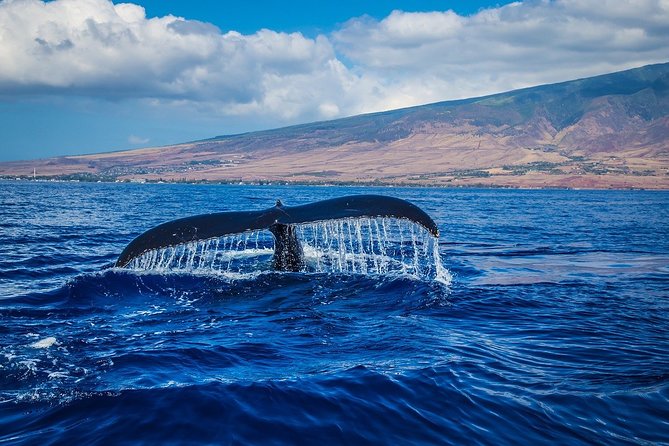
- Near-guaranteed sightings: the tour is designed so you’re likely to see whales/dolphins on every exit, with a second chance if the first attempt doesn’t work
- Small-group feel: up to 50 people, which makes it easier to move for views
- Respect-first wildlife rules: no feeding, no throwing anything into the sea, and no behavior that disturbs animals
- Captain + guide focus: you should expect spotting skills and clear English explanations while you’re on the water
- Bring anti-seasickness backup: the crew can help if folks get queasy, but prevention is easier than recovery
- Keep water bottles secure: a simple habit reduces mess and plastic risk if bottles slip from bags
Sailing the Strait of Gibraltar: the setting that makes this work
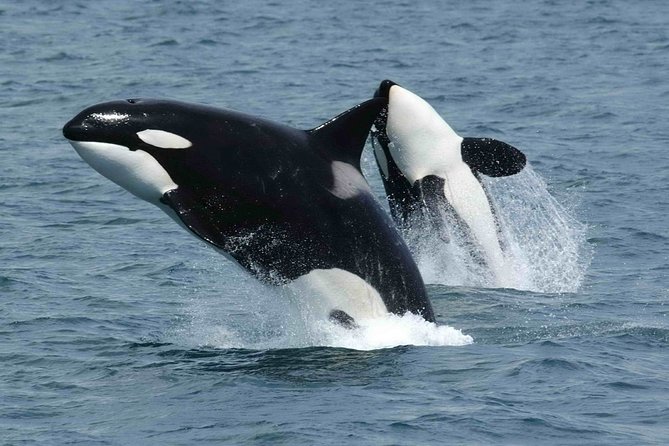
Tarifa is famous for its location, but this trip turns geography into something you can feel. You sail where the Mediterranean meets the Atlantic, right in a marine area recognized as an International Biosphere Reserve by UNESCO in 2006. That mix of currents and food sources is a big reason multiple cetacean species can be present around the same waters.
The other key point: this is not a long, open-ended cruise. The operation is built around finding animals on each outing, with a second chance if the first attempt doesn’t land the sighting. That design matters because whale watching is weather-and-migration dependent, and “trying twice” improves your odds without turning your day into a gamble.
Meeting point to boat time: what your morning (or afternoon) looks like
You start at Calle Alcalde Juan Núñez (11380 Tarifa, Cádiz, Spain) and the trip ends back at the same meeting point. Tours run daily during the listed seasons, typically between 9:00 AM and 3:00 PM. That timing is useful because you can pair it with other Tarifa plans without losing the whole day.
You’ll need your mobile ticket, and you’ll get confirmation at booking. Service animals are allowed, and most people can participate, so it’s not an overly technical outing. Still, this is on open water, so if you’re sensitive to motion, plan like you would for any small-boat sea trip.
On board rules that protect the whales (and make your views better)
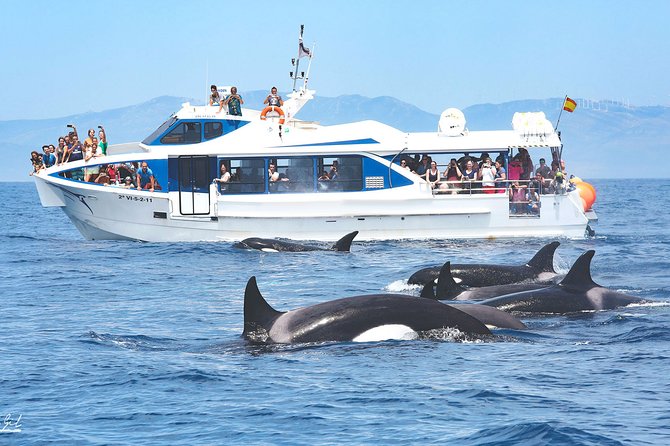
This trip is very clear about behavior. Feeding animals, throwing anything into the sea, and screaming or running on the ship are prohibited. That’s not just about rules on paper—those actions can stress wildlife and also make it harder for the captain and crew to keep safe, slow, controlled movements.
You’ll approach animals with caution, using distances, direction, and speed recommended by Spanish legislation and ACCOBAMS regulations. Translation: the boat doesn’t treat wildlife like a drive-by photo stop. When the captain keeps proper spacing, animals stay in a natural pattern, which means you’re more likely to actually watch real behavior rather than a hurried departure.
One smart thing to do before you go: bring a small trash plan for yourself. There’s an environmental emphasis, and I’d also follow a simple habit that came up in feedback—keep water bottles secured in your bag so they don’t end up tipping into the sea. It’s a tiny action, but it prevents litter from turning into a bigger problem.
Your time on the water: how the 2.5 hours usually feel
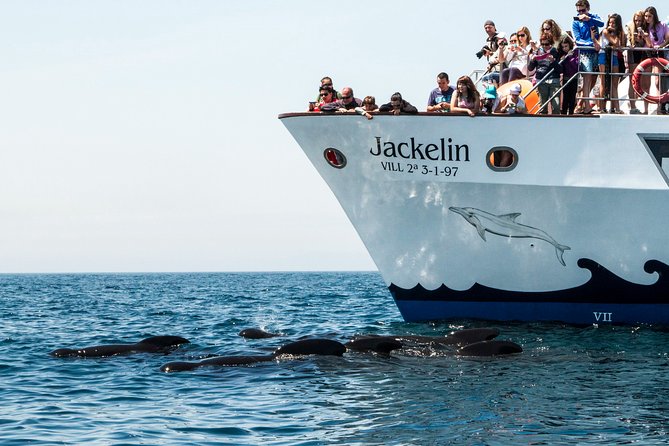
There’s no “stop list” in the way you might see on a city tour. The activity is built around sailing time and animal-search time. In practice, your 2 hours 30 minutes usually means: board and get oriented, head out through the Strait, scan and adjust your position carefully, then return.
If you don’t catch the objective on the first attempt, the tour is designed to give you another try. That matters because whale watching often depends on timing: animals can surface, move on, then vanish for a while. Having a second attempt can turn a frustrating first pass into a memorable finish.
While you’re out there, expect the captain to do the spotting work and the guide to share what you’re seeing in English. On good days, people are able to reposition around the boat to catch views from different angles—handy when pods move and the best viewing direction changes fast.
What you might see: pilot whales, sperm whales, and more
The species mix in this part of the Strait is part of the thrill. Depending on migration routes and feeding cycles, seven different cetacean species can appear. You don’t get a guaranteed species list, but you do get a high likelihood of a sighting, and the variety is a big part of why Tarifa works.
In past experiences on this route, people have reported:
- Pilot whales (including younger whales) staying close enough for clear observation
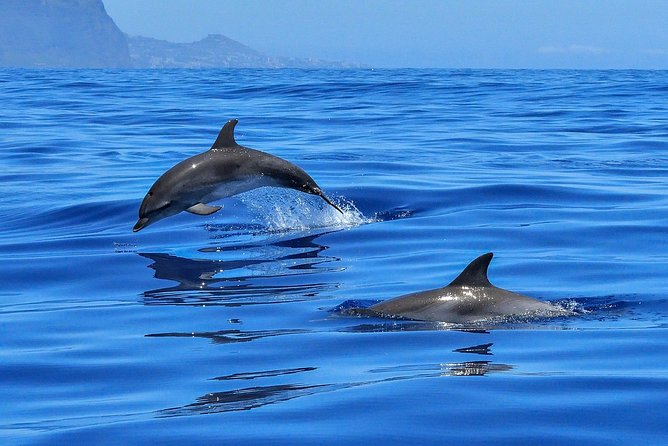
- Bottlenose dolphins and other dolphin sightings, often more mobile and curious around the boat
- Sperm whales, including visible spouting and the classic tail motion before they go under
A helpful mindset: treat closeness as a bonus, not a demand. When the crew maintains the recommended approach distance, you may see behavior like surface breathing and coordinated pod movement without the animals feeling crowded. On days when whales come closer, it can be surprisingly intimate—yet it still feels respectful, not intrusive.
Comfort on a windy sea: what to bring and what helps
Weather matters here. This experience requires good weather, and if conditions are poor, you’ll be offered a different date or a full refund. Even on decent days, the Strait can be breezy, so you want to dress for wind and spray.
The practical packing list is straightforward:
- Sunscreen and a cap
- A coat (wind can cut through)
- Comfortable shoes
- Any sea sickness remedy you prefer
One tip worth taking seriously: if you’re prone to motion sickness, take medication before you feel awful. In feedback, crew support on the return helped people who got seasick, but prevention is the easier win. Bring what works for you, and consider skipping heavy meals right before boarding.
Value and price: is $69.77 a fair deal?
At $69.77 per person, you’re paying for two things: access to the right waters and an operation tuned for animal spotting. Whale watching in a place like Tarifa isn’t cheap because it’s not just a casual boat ride; it involves searching, patience, and safe handling around wildlife.
What improves the value here is the structure:
- Most outings aim for success, with a second chance if the first attempt misses
- The group size is capped at 50, so you’re not fighting elbow space
- You get English interpretation and active crew handling to help you get usable views
Also, this is a 2.5-hour block, so you’re not spending half a day on transport. You can often fit it into a normal travel itinerary without turning it into your sole plan for the day.
Where it can feel less fair: if you’re expecting total control over the exact species. Nature sets the agenda. Still, the design—especially the second attempt—reduces the chances of leaving empty-handed.
Who should book this whale watching tour
I’d put this tour at the top of the list if:
- You want serious whale-and-dolphin time rather than a generic sightseeing cruise
- You prefer a small group and a guide who explains what you’re seeing
- You’re okay following animal-friendly rules and staying calm on board
It’s also a good fit if you’re traveling with kids, as long as everyone can handle the water conditions. The crew support tends to help if someone gets queasy, and the boat layout allows people to move for different angles.
One caution: if you’re extremely sensitive to motion or you hate cold wind, you’ll need to plan harder with layers and medication. Also, it’s not a “run around and socialize” kind of outing—your best experience comes from quiet attention and patience.
Should you book whale watching in Tarifa?
Yes—if you’re in Tarifa with a workable weather window and you can handle a bit of sea motion. The combination of UNESCO-protected waters, strong wildlife-approach rules, English guidance, and the built-in second chance makes this a smart bet for your time.
Book it if you want the real Strait of Gibraltar experience: scanning for pilot whales, hoping for sperm whales, and watching dolphins interact naturally around the boat. Hold off (or plan extra for comfort) if you know you’ll struggle with choppy water or cold wind.
If you go, show up with sunscreen, secure your belongings (especially bottles), wear comfy shoes, and take sea sickness prevention seriously. That’s how you get to focus on the moment whales and dolphins decide to share their space with you.
FAQ
Where is the meeting point for whale watching in Tarifa?
You meet at Calle Alcalde Juan Núñez, 11380 Tarifa, Cádiz, Spain. The tour ends back at the same meeting point.
How long is the whale watching tour?
The duration is approximately 2 hours 30 minutes.
What is the price per person?
The price is $69.77 per person.
Is the tour offered in English?
Yes. The experience is offered in English.
Do I need a printed ticket?
No. You’ll use a mobile ticket.
How many people are in the group?
The tour has a maximum of 50 travelers.
Do they guarantee seeing whales and dolphins?
The experience is described as having practically 100% probability of a sighting on each exit, with a second chance if the first attempt doesn’t succeed.
What should I bring?
It’s recommended to bring sunscreen, a cap, a coat, and comfortable shoes.
Are there rules about interacting with wildlife?
Yes. Feeding animals, throwing anything into the sea, and screaming or running on the ship are prohibited. The boat approaches cautiously and follows distance and speed recommendations.
What happens if the weather is bad?
The experience requires good weather. If it’s canceled due to poor weather, you’ll be offered a different date or a full refund.