REVIEW · PICO
Whale and dolphin watching in Pico Island
Book on Viator →Operated by Futurismo Azores Adventures · Bookable on Viator
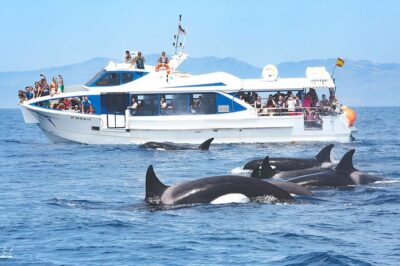
Whales overhead in the Azores feel unreal. This 3-hour Pico boat tour pairs wildlife watching with real marine know-how, and it runs on a 98% cetacean sighting success rate.
I especially like the way the trip is built around a clear pre-tour briefing and a marine biologist or nature guide aboard. Another thing I really appreciate is how the crew keeps things calm and well-managed on the water, with safety-focused guidance and respectful viewing practices in the area where animals live.
One thing to consider: this experience is weather-dependent, and there’s no pickup/drop-off, so you’ll need to plan your own way to the meeting point in Lajes do Pico.
In This Review
- Key highlights to know before you go
- Why Pico is a whale-and-dolphin magnet
- What you get right away: briefing, gear, and the guide-led approach
- The 3 hours on the water: how spotting typically unfolds
- 28 possible cetacean species: what that means for your chances
- The boat, the crew, and the safety-first feel
- Meeting in Lajes do Pico: getting there and planning your day
- Price and value: what $69.39 buys on Pico
- Who should book (and who might rethink it)
- Should you book Futurismo Azores Adventures in Pico?
- FAQ
- Is whale and dolphin watching in Pico available all year?
- How long is the tour?
- What does the price include?
- Is pickup and drop-off included?
- Where is the meeting point?
- How many people are on the boat?
- What are my chances of seeing cetaceans?
- Do I need good weather for this to run?
- What is the cancellation window?
Key highlights to know before you go
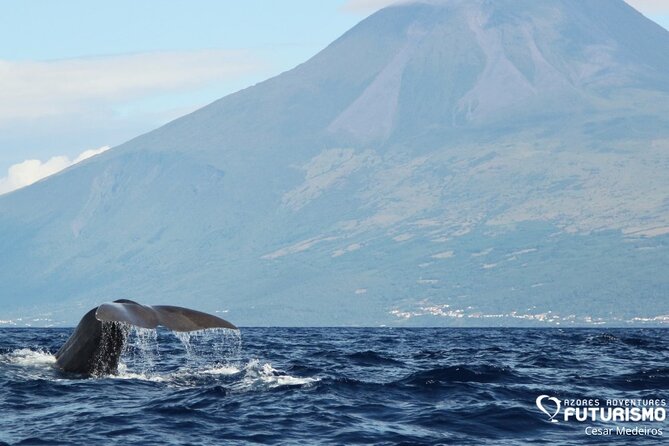
- 98% sighting success for cetaceans in the Pico-area waters
- Marine biologist or nature guide aboard, plus a pre-tour briefing
- Up to 28 cetacean species identified in the Azores region
- Max group size of 24, keeping the experience from feeling overcrowded
- Life jacket included, so you’re not scrambling to find basic safety gear
- Runs April to October on Pico Island (best if you’re visiting during peak season)
Why Pico is a whale-and-dolphin magnet
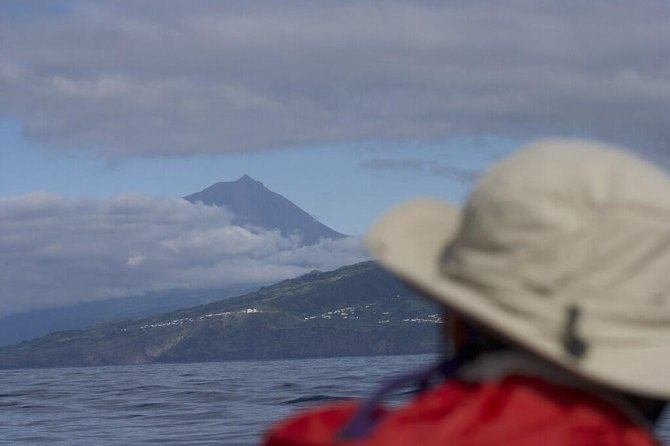
Pico sits in the middle of a rich ocean crossroads, and that matters for what you can see. The waters around the Azores are known for consistent marine life, not just the occasional lucky sighting. In this tour format, the goal is simple: get you out there with the right people and the right operating approach so your odds stay high.
That 98% success rate is the biggest practical clue. It tells me this isn’t a fly-by-the-seat-of-your-pants excursion. It’s designed to work. You’re also targeting cetaceans already identified in the Azores, and the tour is explicitly aimed at whale-and-dolphin spotting rather than a general sightseeing cruise.
From a value standpoint, that matters more than it might sound. Whale watching can be a coin flip. Here, the math is tilted toward results, and that makes the price easier to justify—especially if you have only one day on Pico and don’t want to gamble.
You can also read our reviews of more tours and experiences in Pico.
What you get right away: briefing, gear, and the guide-led approach
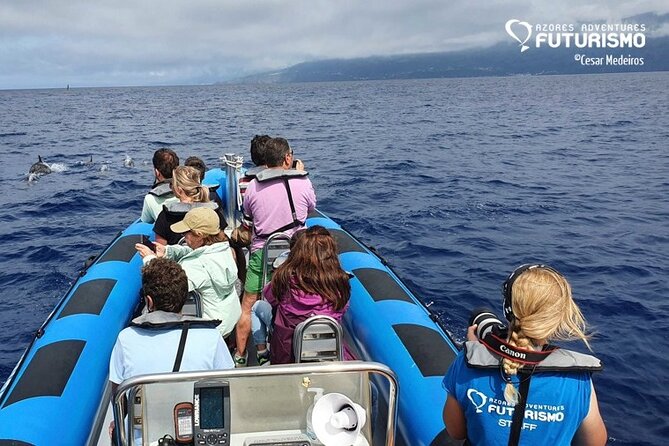
Before you head out, you get a pre-tour briefing. This is one of those details that can make or break the whole experience. When people understand what they’re looking for—basic behavior, how whales and dolphins move, and what “safe distance” looks like on the water—the sightings feel bigger and more meaningful.
It’s also where the guide sets expectations. The tour includes a marine biologist or nature guide aboard, so you’re not stuck listening to random commentary. You’re getting context from someone trained in the natural history side of the job. I like this because it turns the boat ride into a learning session without making it feel like a classroom.
And then there’s the basics that keep things comfortable. A life jacket is included, so you don’t have to rent or hunt for one. That’s not flashy, but it’s real comfort—especially if you’re not used to small boats or open-water rides.
Finally, confirmation happens at booking time, which helps you plan your day on Pico with less uncertainty.
The 3 hours on the water: how spotting typically unfolds
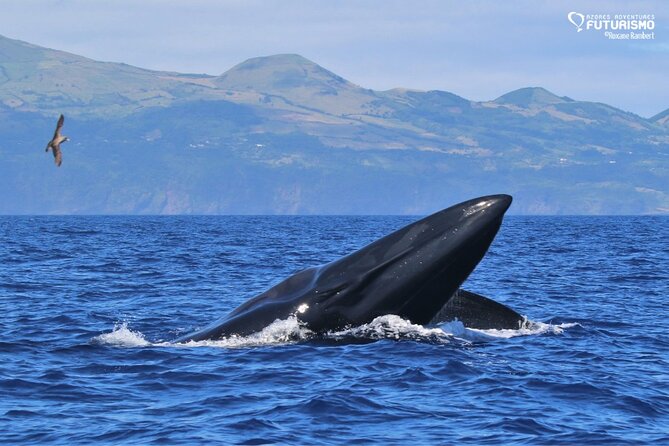
The tour runs for about 3 hours, and that time window is long enough to matter. Whale and dolphin watching isn’t just about being on the water—it’s about giving the team room to adjust when sightings appear, and to keep searching when they don’t right away.
In the experience descriptions and feedback, a key theme is how transparent the crew is when the first spot check doesn’t produce a clear sighting. That honesty matters. If you arrive hoping for instant miracles, you’ll feel better knowing you’re not being sold on a guarantee. Instead, the crew adjusts, searches, and communicates.
You should expect to spend much of the outing scanning the horizon and listening to the guide. When an encounter happens, the briefing you got earlier helps you interpret what you’re seeing—whether it’s a quick surfacing, a pod movement, or a more active interaction near the boat.
Also, the group size is capped at 24 people, which helps. On a crowded boat, people block each other’s view and sound gets chaotic. Here, the numbers are kept tight enough that you can actually see and hear what the guide is pointing out.
The practical takeaway: plan to arrive a bit early, take your spot, and be ready for lots of lookout time. Then, when the ocean turns cooperative, you’ll be prepared for it instead of hunting for your bearings.
28 possible cetacean species: what that means for your chances
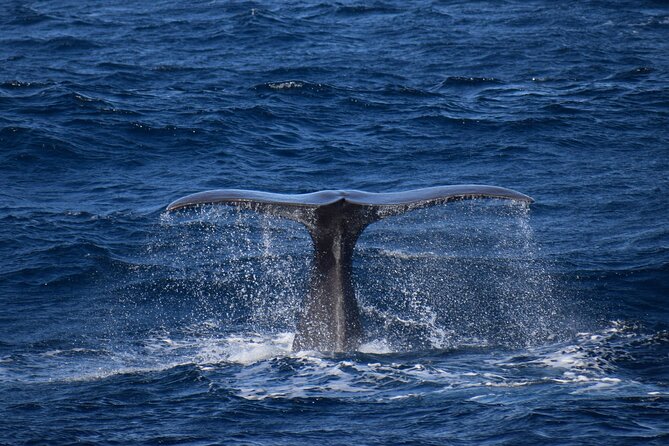
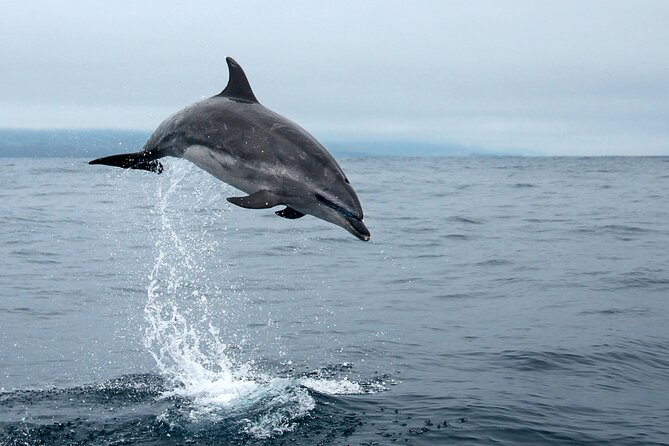
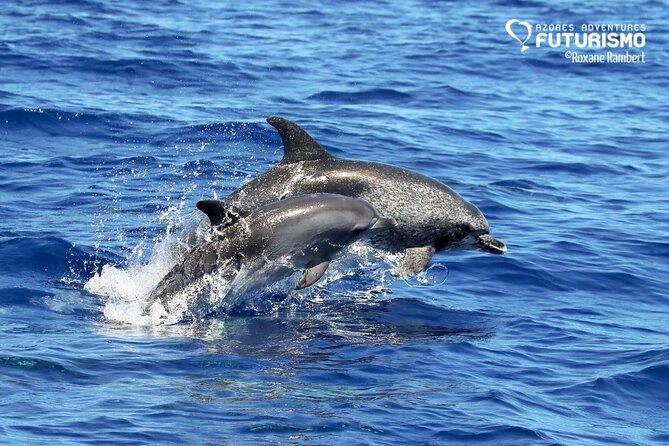
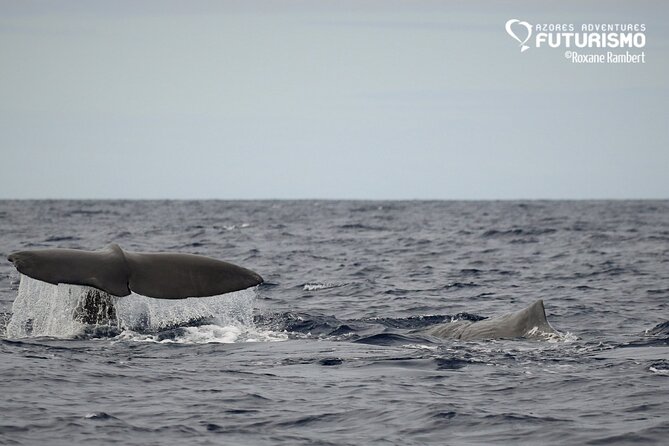
The tour states you may have the opportunity to see some of 28 cetacean species identified in the Azores. That’s a big range, and it helps explain why the guide matters so much. You’re not just hunting the word whale or dolphin—you’re watching for different species with different behaviors.
In real terms, this usually means two things:
1) you could see a mix of whales and dolphins depending on what’s in the area that day
2) even if the exact species changes, you’ll still recognize the “shape” of the encounter because the guide helps you interpret the behavior
The highest-rated experiences emphasize not just the number of sightings, but also how respectfully the animals are handled. That’s important because it affects your comfort as a viewer and your overall feeling of ethics. You want the focus to be on observation, not disturbance.
If you’re hoping for variety—different types of cetaceans rather than one single encounter—this tour’s species context is a good sign. If you’re only interested in a very specific animal, you’ll still want to keep expectations flexible. But with a 98% sighting rate, you’re far less likely to leave empty-handed.
The boat, the crew, and the safety-first feel
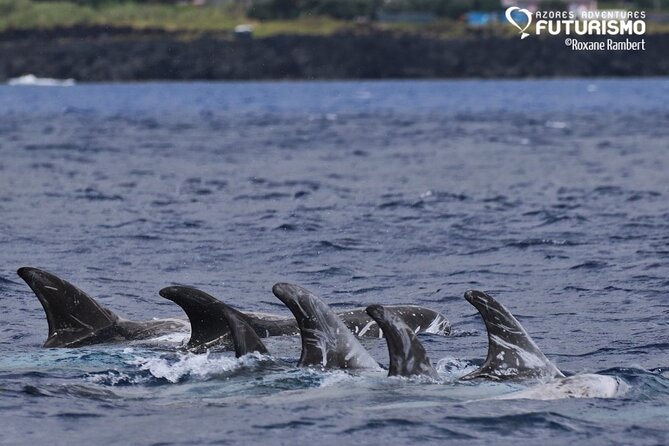
A whale tour can be either smooth and confidence-building or stressful. The best feedback points to the latter being avoided. The guidance onboard helps people feel safe and secure, and that’s not a small thing. When you’re calm, you watch better. When you watch better, you notice more.
Life jacket inclusion helps, but so does how the crew runs the trip. One of the most praised aspects is how the guides and crew made people feel comfortable during the outing. You also get strong signals that the team pays attention to how the boat interacts with the animals—keeping the experience respectful.
There’s also a comfort factor. The feedback highlights a convenient, comfortable boat setup. That matters over a 3-hour ride, especially if the water has any chop. When the boat feels manageable and the crew explains what’s happening, the entire outing feels less like a gamble and more like a planned wildlife mission.
One more point: the tour uses spotter-style searching behavior, and the crew appears willing to communicate honestly if sightings aren’t immediately visible. That’s the kind of professionalism you want when you’re out at sea. You’re not left guessing; you’re guided.
Meeting in Lajes do Pico: getting there and planning your day
The tour’s meeting point is:
Futurismo Azores Adventures, Rua dos Baleeiros nº 5, 9930-143 Lajes do Pico, Portugal
The big practical detail is simple: there’s no pickup and drop-off. So you’ll need to build your schedule around that address. The good news is that it’s listed as near public transportation, which helps if you’re staying without a car.
Since the duration is around 3 hours, plan your day so you’re not rushing. Get there early enough to check in, settle, and follow any pre-boarding instructions during the briefing setup.
If you’re building an itinerary for Pico, I suggest pairing this tour with a flexible day. Whale watching can be the star event, but it’s also weather-driven, so you want buffer time for a potential schedule shift.
Price and value: what $69.39 buys on Pico
At $69.39 per person for about 3 hours, this isn’t a bargain price, but it also doesn’t look like a premium-only experiment. The value comes from the combination: a marine guide aboard, a briefing, included life jackets, and a high sighting success rate.
Here’s how I’d think about value on a whale-and-dolphin tour:
- If the odds are low, you pay for disappointment.
- If the odds are high, you pay for an experience that actually happens.
That 98% success rate shifts this from “hopeful activity” to “reasonably reliable outing.” Add in the 4.9 rating and 97% recommendation record, and the price starts to make sense as a properly run operation rather than a random cruise.
Also, booking timing matters. This tour is typically booked about 24 days in advance, which suggests popular dates fill up. If you’re traveling in peak season (and the tour runs April to October), I’d treat that as a planning signal, not a trivia fact.
For most people, this is a one-and-done kind of excursion. You want it to feel organized, safe, and educational. The inclusions point in that direction.
Who should book (and who might rethink it)
This tour fits best if you:
- want guided whale and dolphin watching with education from a marine biologist or nature guide
- appreciate structured safety and clear communication onboard
- are traveling during April to October and can match the schedule to weather
- like small-to-medium group dynamics (max 24)
It might not be ideal if:
- you strongly depend on pickup/drop-off convenience and don’t want to get yourself to Lajes do Pico
- you can’t adjust plans if weather requires a change (the experience requires good weather)
If you’re the type of person who wants to understand what you’re seeing—why a dolphin might surface in a certain way, or what different cetaceans do—you’ll likely enjoy this more than a generic cruise. The briefing and onboard expert help you turn sightings into real moments.
Should you book Futurismo Azores Adventures in Pico?
If I were choosing based only on practicality, I’d book when:
- you want a high chance of actual sightings (that 98% figure is compelling)
- you prefer learning plus watching, not just motion and silence
- you value safety and respectful viewing as much as the animal count
I’d hesitate if your schedule is ultra tight and you can’t handle weather-related changes, since the tour requires good conditions. But if you can plan with a bit of flexibility, this is the kind of outing that tends to deliver both on results and on how it feels while you’re out there—calm, informed, and focused on the animals.
FAQ
Is whale and dolphin watching in Pico available all year?
The tour operates on Pico Island from April to October.
How long is the tour?
The experience lasts about 3 hours.
What does the price include?
It includes a life jacket, a marine biologist or nature guide aboard, and a pre-tour briefing.
Is pickup and drop-off included?
No. Pickup and drop-off are not included, so you’ll need to get yourself to the meeting point.
Where is the meeting point?
Futurismo Azores Adventures, Rua dos Baleeiros nº 5, 9930-143 Lajes do Pico, Portugal. The activity ends back at the meeting point.
How many people are on the boat?
The tour has a maximum group size of 24 travelers.
What are my chances of seeing cetaceans?
The tour states a 98% success rate for cetacean sightings.
Do I need good weather for this to run?
Yes. The experience requires good weather. If it’s canceled due to poor weather, you’ll be offered a different date or a full refund.
What is the cancellation window?
You can cancel for a full refund up to 24 hours before the experience start time. Canceling less than 24 hours before start time is not refunded.