REVIEW · COWICHAN BAY
Vancouver Island: Cowichan Bay Sunset Whale Watching Tour
Book on GetYourGuide →Operated by Ocean Ecoventures · Bookable on GetYourGuide
Golden-hour whales sound like a dream. On this Cowichan Bay sunset cruise, I love two things right away: the chance to spot orcas and humpbacks, and the way the sky’s last light turns the Salish Sea into something you want to keep photographing. The one thing to keep in mind is that this is wildlife watching, not a guaranteed show, so if orcas are your only goal, you’ll want realistic expectations.
What makes it feel especially worth it is the overall setup. You cruise in small groups (up to 12 per boat), you get warm water-friendly gear, and you’re guided by staff who help you read the water and understand what the whales are doing at that moment. Still, the cold Pacific air can bite, so pack warm layers even if the day started mild.
In This Review
- Key takeaways before you go
- Cowichan Bay Sunset Cruises on the Salish Sea: What It Feels Like
- Meeting at 1721 Cowichan Bay Rd: Getting Off to a Good Start
- On the Water: What You’re Actually Looking For
- The 3.5- to 4-Hour Flow: What Happens During the Cruise
- Evening Light and Photo Timing: Why This Works for Cameras
- Warmth and Safety Gear: Floatation Suits, Gloves, Goggles, Toque
- What the Staff Add: More Than Spotting, Learning the Patterns
- Price and Value: Is $155 Worth It?
- Season, Suitability, and Who Should Book
- Should You Book This Cowichan Bay Sunset Whale Watching Tour?
- FAQ
- How long is the Cowichan Bay sunset whale watching tour?
- When does the tour operate?
- Where do I meet for the tour?
- What’s included in the price?
- What should I bring with me?
- Is food and drinks included?
- Are pets allowed?
- What animals are the tour targeting?
Key takeaways before you go
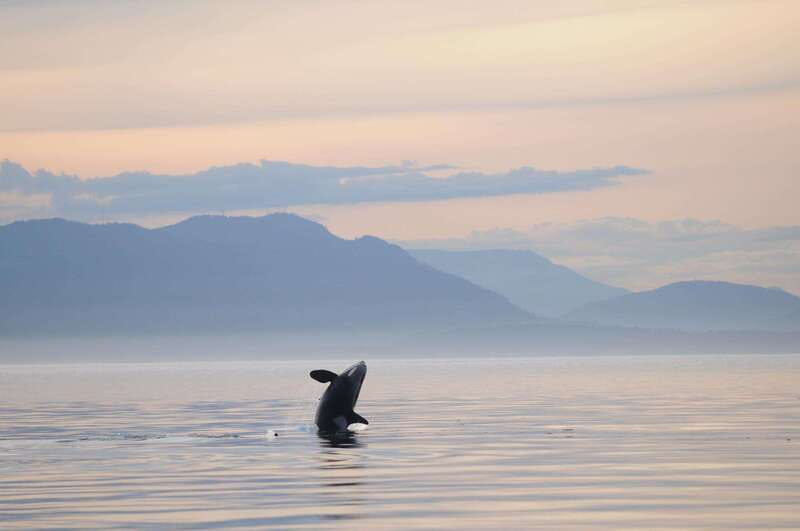
- Small boats, max 12 guests so you actually spend time scanning the water, not watching other people scan it
- Sunset timing gives you both better viewing odds and nicer photo light across the water
- Target species include orcas (including transient killer whales), humpback whales, grey whales, and minke whales
- You’ll also look for “bonus wildlife” like sea lions, bald eagles, harbour seals, and Dalls/harbour porpoise
- Cold-water gear is included: flotation suit, gloves, goggles, and toque
Cowichan Bay Sunset Cruises on the Salish Sea: What It Feels Like
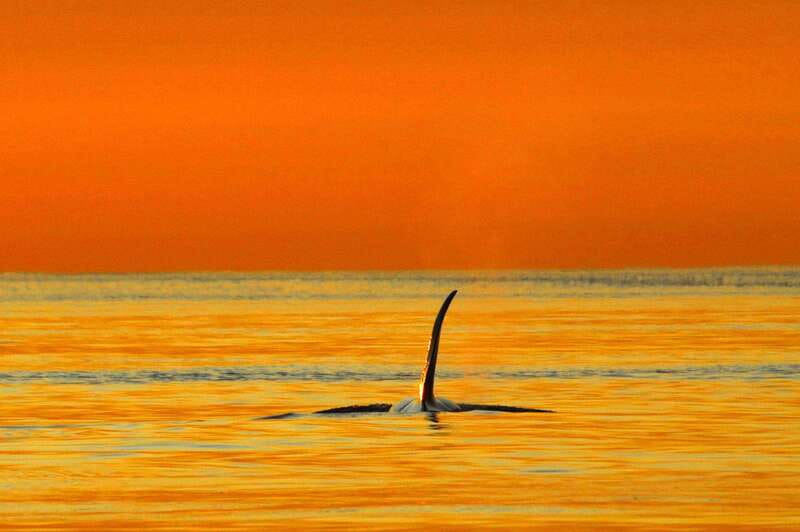
Cowichan Bay is the kind of place where the day slows down at water level. By the time you’re on the water, the light is softer and the motion of the sea usually feels calmer than mid-day. That matters because whale watching is half patience, half timing. When the sun is low, your eyes adjust better to movement on the surface, and whales tend to look more dramatic as they surface and disappear again.
The tour is designed specifically as an evening outing, not an “anytime” cruise. That means you’re out during the sweet spot when the water reflects the sky and your camera can catch richer colors without harsh glare. If you’re the person who takes photos but always finds the lighting flat on daytime boat trips, this is a big reason to consider it.
One more thing I like: you’re not just chasing one animal. The plan focuses on orcas and other whales, but it also builds in time to notice the rest of the marine scene. You may spot sea lions and birds and see the bay’s wildlife patterns change as the evening progresses.
Meeting at 1721 Cowichan Bay Rd: Getting Off to a Good Start
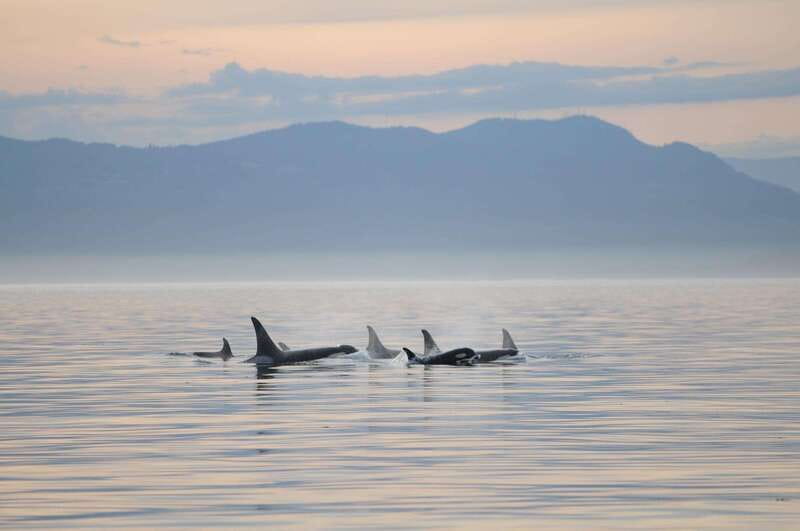
This tour starts at 1721 Cowichan Bay Rd, at the Burgundy Building. Look for the blue Whale Watching banner and a large orca mural. Arriving early helps more than you’d think. Check in is required no later than 30 minutes before departure, and in the real world that buffer helps you get kitted up and settled without rushing.
Group size is capped at 12 guests per boat. If your booking pushes beyond that number, they spread larger groups across two boats. For you, that usually means a less crowded viewing deck and more room to move when you need a different angle to spot something. It’s also a comfort factor in colder months because you can find your stance, get your gear on, and then just focus.
The staff run the experience in English and guide you while you’re out on the water. That matters because on whale cruises, the difference between spotting nothing and spotting a lot often comes down to what you’re taught to look for: surfacing patterns, movement direction, and where wildlife tends to travel during low light.
On the Water: What You’re Actually Looking For
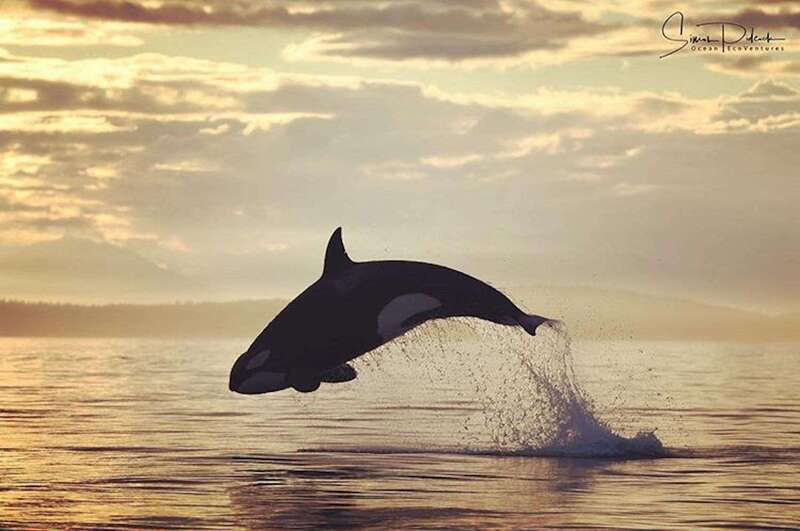
The core promise is a sunset whale and wildlife adventure in the Salish Sea. The spotlight is on:
- Orcas, including transient killer whales
- Humpback whales
- Grey whales
- Minke whales
In practical terms, that means the guide is actively scanning and repositioning within what’s feasible on the water. You’re not just sitting in one spot for hours hoping for magic. If conditions cooperate, you’ll get multiple chances at sightings rather than one long wait.
And then comes the good stuff that’s easy to overlook when you’re only thinking about whales. You may also see:
- Sea lions
- Bald eagles
- Harbour seals
- Dalls (the tour wording uses Dalls)
- Harbour porpoise
- Plus marine birds in the area
This variety is valuable for two reasons. First, wildlife watching isn’t guaranteed, so “bonus sightings” can keep the trip rewarding even if whales are scarce. Second, the more you see, the more the ecosystem starts to make sense. Birds, seals, and sea lions can all be clues about where prey is moving, which is part of the reason staff focus on marine behavior and not just checklists.
A balanced reality check: orcas are the headline for many people, and on a great outing the numbers can be impressive. I’ve seen notes about strong trips where multiple killer whale sightings add up across the cruise. At the same time, whales are wild and unpredictable. If you go in thinking you will 100% see orcas, you might feel disappointed. The better mindset is: expect the search, enjoy whatever shows up, and let the sunset do its job even if the main target takes time.
The 3.5- to 4-Hour Flow: What Happens During the Cruise
Your total time on the water is about 210 minutes (listed as 3.5 hours, with a 3.5–4 hour window). That’s enough time to feel like you did a real outing, not a quick hop.
Here’s how the rhythm usually plays for you:
You start at the dock in Cowichan Bay and head out into the Salish Sea. The first stretch is about getting oriented—learning what to look for and letting the guide work through the best areas for spotting marine life as evening settles in.
You spend the main portion cruising and scanning. This is where whale watching becomes less about staring and more about recognizing cues. Staff help you interpret what you’re seeing, and you keep adjusting your focus as surfaces appear and disappear.
As the light shifts, you return to the bay. The final stretch still matters. Evening is when surface movement can pop visually, and that’s also when photography gets easier because the sky reflection can make whales stand out against the water.
So even though there’s one main “stop” in the plan (the time on the Salish Sea), the point is that the time is distributed for actual searching and viewing, not just travel time to a distant spot. It’s a practical model for a sunset tour where conditions can change fast.
Evening Light and Photo Timing: Why This Works for Cameras
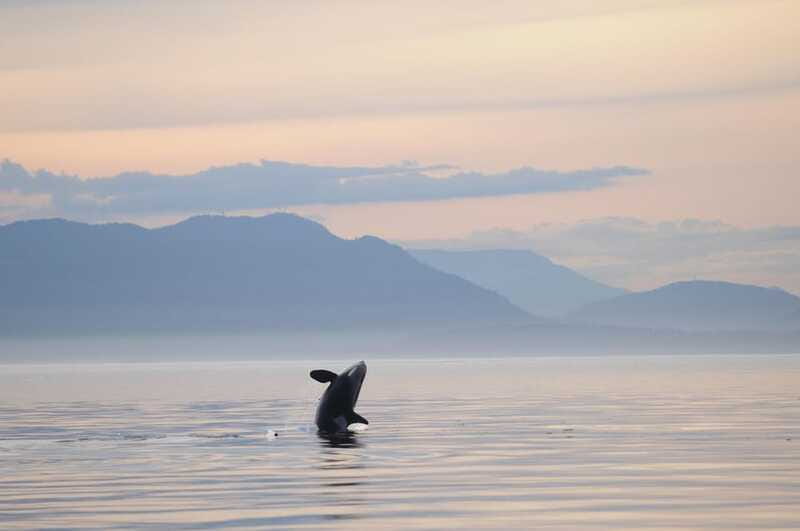
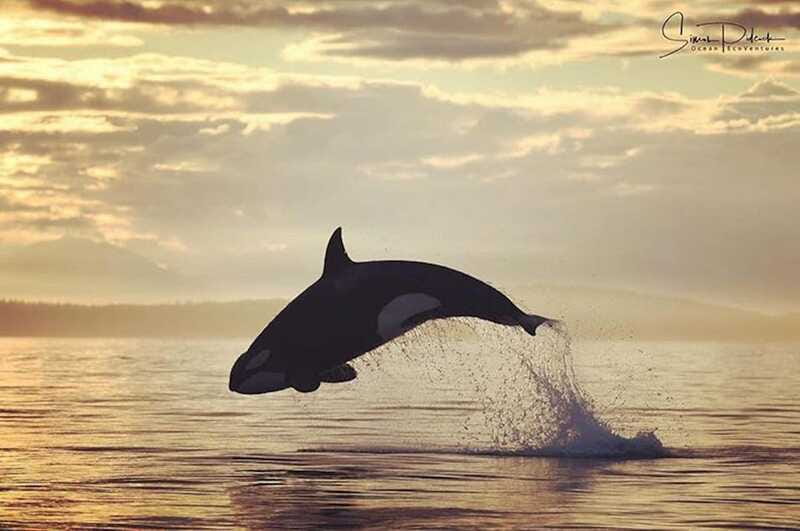
If you care about photos, this is one of the better types of whale watching tours to choose. The tour specifically leans on the idea that evening light is perfect for photography. That’s not just marketing fluff. Low sun tends to create longer, softer reflections on the water, which can make wildlife look more defined when they surface.
For you, the biggest win is that the sky and water are both part of the composition. A whale break in the surface doesn’t look like a random dot on a gray sea; it can look like a moment with context—sunline, ripples, and a gradient sky.
What to do to make your photos better:
- Bring your camera and plan to shoot during the start and mid-cruise, not only at the end
- Expect cooler conditions and bring layers so you don’t end up rushing shots while uncomfortable
- Use sunscreen, even in the evening. Sun can still catch you on the water
You’ll also want to keep your camera handy without blocking your view. The best photos often come after you spot the movement first, then lift the camera quickly when the whale surfaces.
Warmth and Safety Gear: Floatation Suits, Gloves, Goggles, Toque
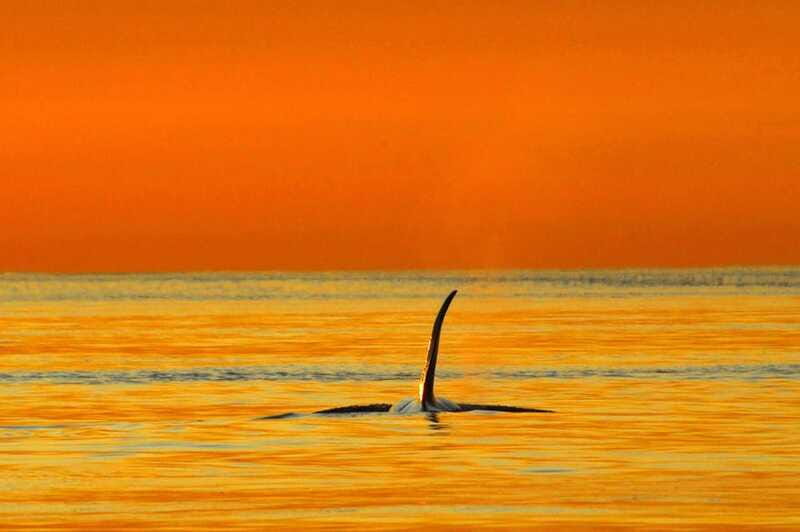
One of the nicest practical surprises is that you’re given the core cold-water protection: floatation suit, gloves, goggles, and toque. That’s a big value add because this is the kind of tour where being underdressed can ruin the experience. Even if you think you’re fine, wind on open water can change your comfort fast once you’re moving.
Still, you should bring what they ask for:
- Warm clothing
- Comfortable clothes
- Water
- Camera
- Sunscreen
Even with included gear, you’ll still appreciate layers around your neck, wrists, and torso. The gloves and suit help with the cold, but you’ll still feel temperature swings during a sunset cruise.
Also note what’s not allowed: drones are off-limits, and smoking and alcohol/drugs are not permitted. Pets are also not allowed. Those rules keep the experience safer and simpler for everyone on board, especially in tight spaces with shared gear and viewing positions.
What the Staff Add: More Than Spotting, Learning the Patterns
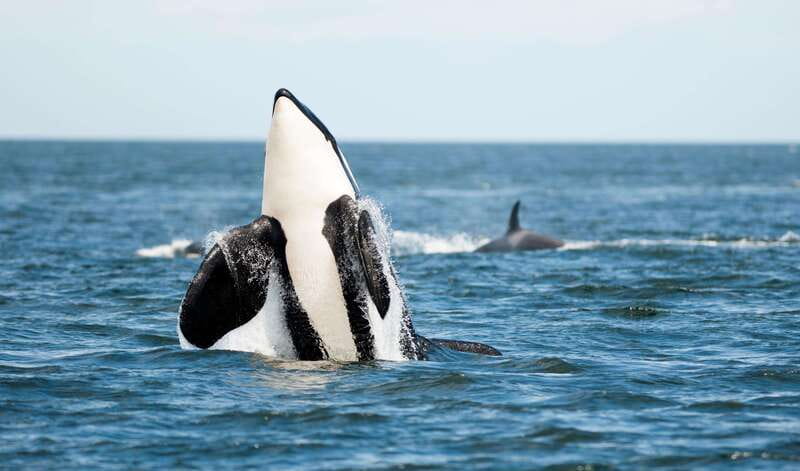
The tour is guided, and the staff focus on marine life behavior and what you’re seeing in real time. The value here is not just pointing out animals. It’s the way guides help you connect the sightings to how whales and predators move.
On a strong night, the guide’s search approach can matter a lot. One report highlighted how staff actively locate killer whales and explain how they think and act. That kind of explanation changes how you view what’s happening. Instead of only asking where the whale is, you start noticing how it moves, where it surfaces, and how other wildlife reacts in the area.
That learning layer is also part of why small-group tours tend to feel better. When you’re not squeezed shoulder-to-shoulder, it’s easier to hear directions, ask quick questions, and get your bearings again after a sighting.
If your goal is an educational wildlife experience, this tour fits. If your goal is only a guaranteed animal count, nothing in the ocean can promise that.
Price and Value: Is $155 Worth It?
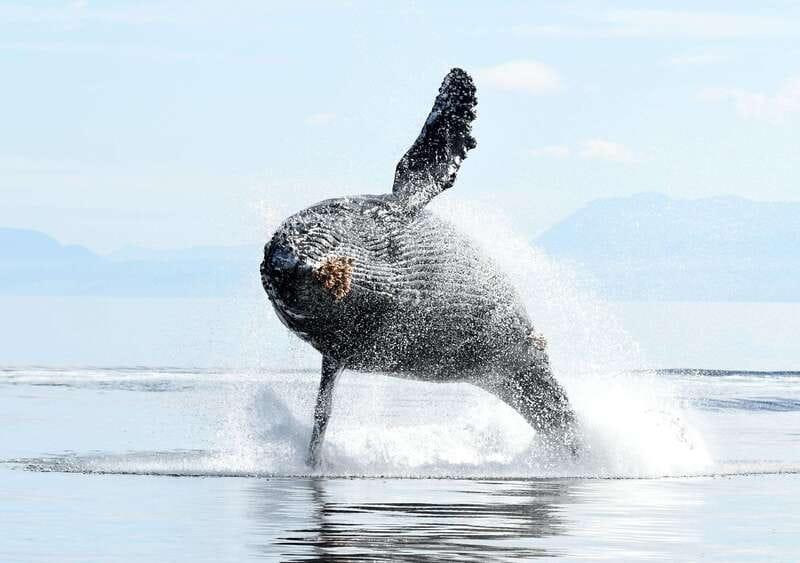
At $155 per person for about 210 minutes, this isn’t a budget activity. But value here comes from several things you get in the box:
- A true sunset timing slot (evening light and evening cruising)
- A guided eco tour that targets multiple whale species
- Small-group format (max 12 per boat)
- Included cold-water gear (floatation suit, gloves, goggles, toque)
You do pay for the staff effort. Whale watching works best when someone is scanning constantly and adjusting the plan as conditions shift. The included gear also reduces your prep costs and hassle.
Two practical costs you should plan for: food and drinks are not included, and transportation to the departure point isn’t included. So if you’re budgeting, add what you’ll eat beforehand and how you’ll get to 1721 Cowichan Bay Rd.
Is it worth it? If you want a guided, small-group sunset cruise with serious attention to whale and wildlife viewing, it’s a fair price. If you’re mainly chasing a single species and you’re the type who hates any uncertainty, you may want to reconsider how you’ll handle the chance of a slower wildlife night.
Season, Suitability, and Who Should Book
This tour runs daily from mid-June to mid-September. Evening boat trips are weather-dependent everywhere, but this seasonal window is when you’ll most likely catch the tour’s prime wildlife-focused schedule.
It’s also clearly shaped around comfort and safety:
- Not suitable for children under 4
- Not suitable for pregnant women
- Not suitable for people with back problems
If you’re traveling with kids who are old enough to handle gear and cold air, this can still work well because the outing isn’t just a long wait. You’re out for a few hours with multiple chances to see whales and other animals. But keep expectations realistic and plan for the cold.
Who this tour suits best:
- You want sunset photos on the water
- You care about whale behavior and wildlife patterns, not just a checklist
- You prefer smaller groups
- You’re comfortable dressing warmly and staying alert during wildlife scanning
Should You Book This Cowichan Bay Sunset Whale Watching Tour?
Book it if you want a well-paced Vancouver Island sunset experience with a real focus on marine life and a small-group feel. The included cold-water gear, the evening timing, and the variety of potential sightings make it a strong choice for most wildlife lovers.
Don’t book it if you need a guaranteed orca sighting. With wild animals, there’s always a chance the whales you want most take a different route. If you can enjoy the full wildlife scene—whales, seals, sea lions, birds, and that last-light glow on the water—you’ll likely have a great time.
FAQ
How long is the Cowichan Bay sunset whale watching tour?
It runs for about 210 minutes, which is roughly 3.5 hours, with listings that describe the adventure as 3.5–4 hours.
When does the tour operate?
It operates daily from mid-June to mid-September.
Where do I meet for the tour?
You meet at 1721 Cowichan Bay Rd, at the Burgundy Building with a blue Whale Watching banner and a large orca mural.
What’s included in the price?
The tour includes the guided sunset whale and wildlife adventure, the chance to see orcas and several other whale species, wildlife viewing opportunities, and cold-water gear: a floatation suit, gloves, goggles, and toque.
What should I bring with me?
Bring warm clothing, comfortable clothes, a camera, sunscreen, and water.
Is food and drinks included?
No. Food and drinks are not included.
Are pets allowed?
No, pets are not allowed.
What animals are the tour targeting?
The tour focuses on orcas (including transient killer whales), humpback whales, grey whales, and minke whales, with potential sightings of sea lions, bald eagles, harbour seals, Dalls, harbour porpoise, and marine birds.