REVIEW · MAZATLAN
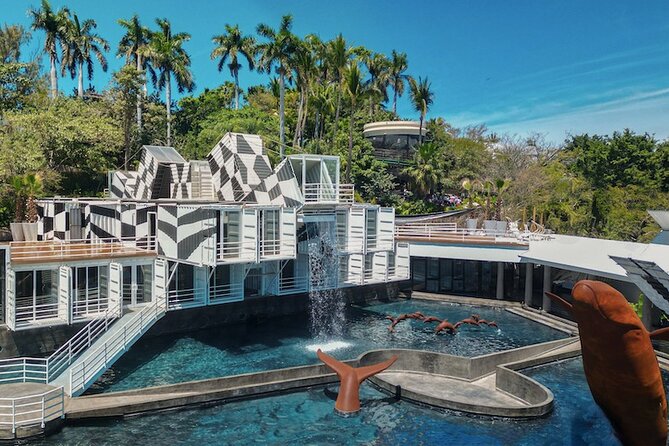
Munba National interactive Whale Museum
Book on Viator →Operated by Shekinah Beach Club · Bookable on Viator
A whale museum beats another beach day. At MUNBA, you get virtual reality plus whale audio and interactive exhibits built around ocean life, all in a visit you can actually finish in an easy afternoon.
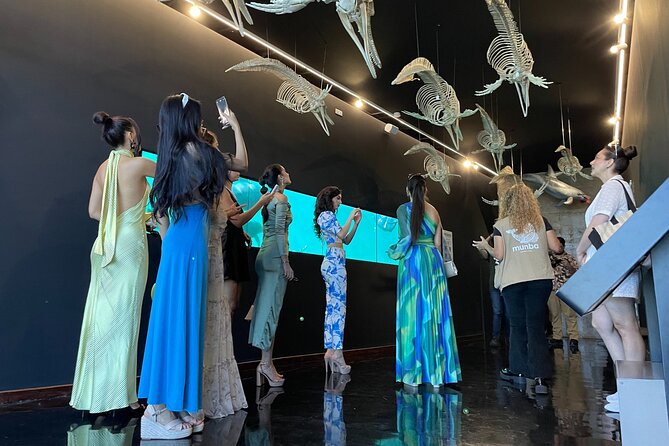
I also like the whale skeleton collection, including an especially rare sperm whale calf specimen, which turns science into something you can walk through at your own pace. One thing to plan for: this is not a giant, all-day museum, so if you want hours and hours of galleries, you may feel a bit done after a couple of hours.
MUNBA’s best moments come from hands-on learning and family-friendly spaces, so it’s a good fit if you like your museum time active. The main consideration is that the experience aims for a steady flow through exhibits rather than an endless maze—expect a moderate amount of things to see and plan your schedule accordingly.
In This Review
- Key Highlights Worth Your Time
- What You’ll Experience at MUNBA (And Why 2–3 Hours Works)
- VR Dolphin Anatomy and Whale Songs: The Museum’s Real Hook
- The Osteology Gallery: Skeletons That Make the Science Stick
- Interactive Exhibits and Conservation Messaging Without Being Too Heavy
- The Children’s Zone: A Family-Friendly Advantage
- Café Stop and How Your Ticket Fits Into Conservation
- Price, Timing, and Getting There in Mazatlán
- Who Should Book MUNBA (And Who Might Find It Too Short)
- Should You Book This Whale Museum Stop?
- FAQ
- How long is the Munba National interactive Whale Museum experience?
- Where is the Munba National interactive Whale Museum located?
- What is the price per person?
- Is the admission ticket included?
- What language is the experience offered in?
- Do I receive a mobile ticket?
- What are the opening hours?
- Is there free cancellation?
- Is there a children’s area?
Key Highlights Worth Your Time
- VR dolphin anatomy that helps you understand the body instead of just reading labels
- Whale songs and audio moments that make the animals feel real, not distant
- Osteology collection with whale, dolphin, and orca skeletons, plus a rare sperm whale calf skeleton
- Children’s Zone with supervised activities that keep kids learning without constant babysitting
- Interactive exhibits focused on how marine species face real challenges, not just facts
What You’ll Experience at MUNBA (And Why 2–3 Hours Works)
MUNBA, the Museo Nacional de la Ballena, is a science-meets-storytelling museum in Mazatlán. The timing is a major part of the value here: the visit is built for a 2 to 3 hour outing that won’t swallow your whole day.
In that window, you move through a mix of tech, audio, and physical displays. You’re not forced into a rigid script, and you can pause where things grab your attention. The layout also supports families well, because the museum has a dedicated kids area so parents can focus without losing the group dynamic.
If you’re short on time, the museum fits into a practical plan. If you have more time, it can still work—but you’ll want to pair it with something else in Mazatlán so the day feels rounded instead of rushed.
VR Dolphin Anatomy and Whale Songs: The Museum’s Real Hook
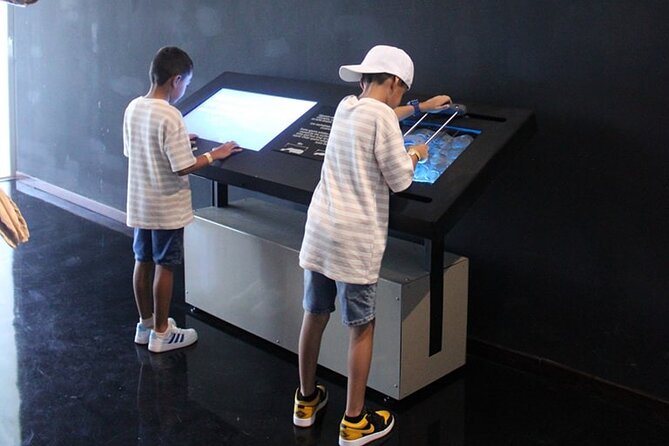
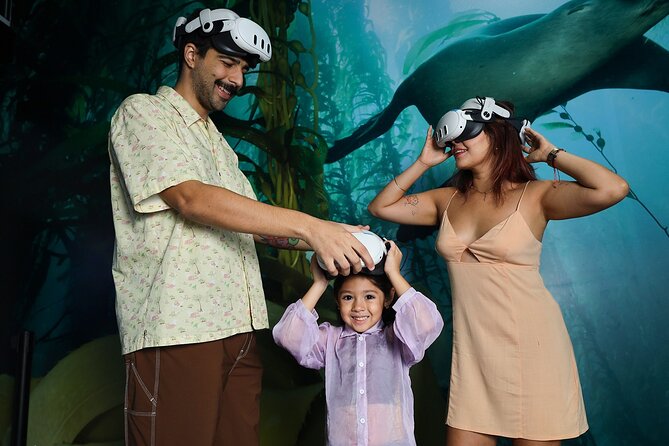
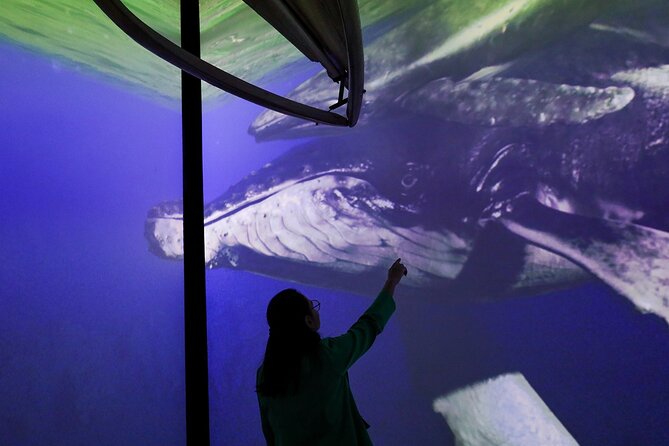
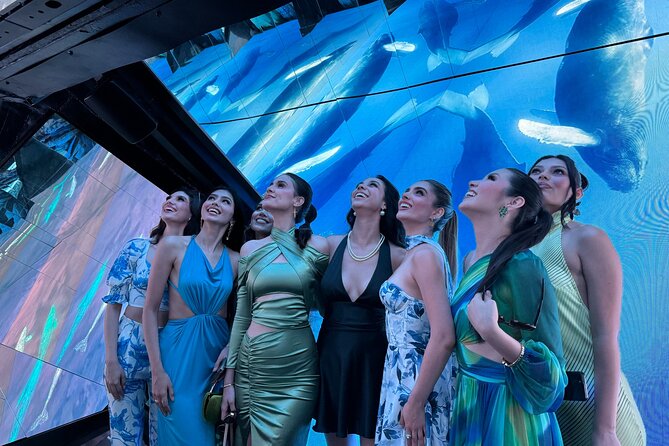
The museum’s most memorable “wow” is the virtual reality experience focused on dolphin anatomy. Instead of treating the dolphin as a distant animal behind glass, the VR component makes anatomy feel accessible. For many people, that’s the difference between a museum you remember as decoration and one you remember as understanding.
Alongside the VR, you’ll also hear whale songs. Audio like this does two useful things in a museum setting. First, it brings atmosphere to the exhibits, so learning feels like part of an environment. Second, it helps you connect the skeletons and science later, because you’re not seeing only the results—you’re experiencing what whales do in real life.
Practical tip: give the audio moments a little time. If you treat it like background noise, you’ll miss the effect. When you slow down for 30–60 seconds, the museum’s animal-focused storytelling lands better.
The Osteology Gallery: Skeletons That Make the Science Stick
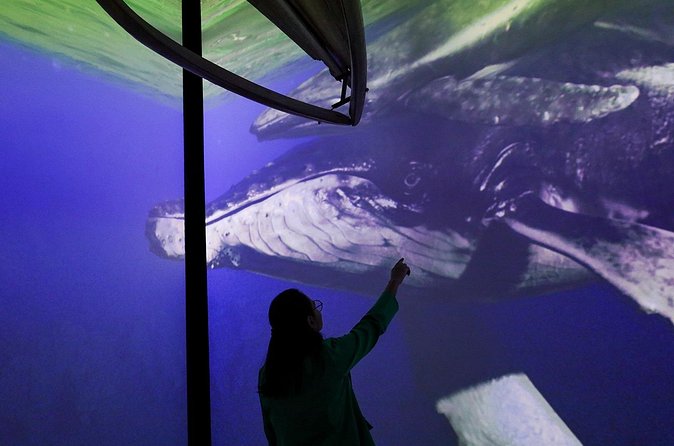
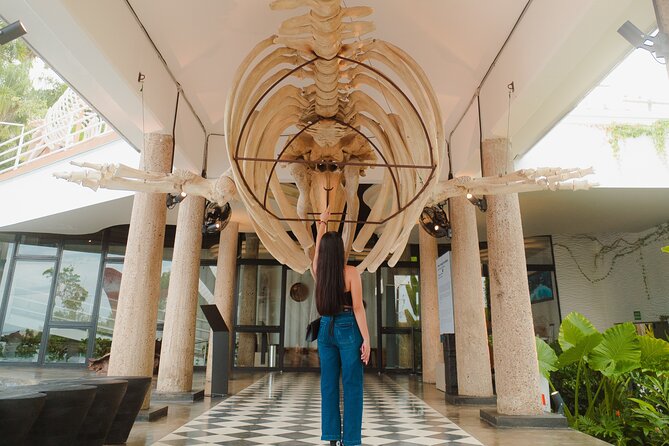
MUNBA is also known for its osteological collection, and this is where the museum goes from fun to credible. You’ll see whale, dolphin, and orca skeletons, which is a strong trio for a whale museum—varied enough to feel substantial, but focused enough to stay coherent.
The museum highlights that it has Latin America’s second-largest osteological collection. That’s the kind of fact that matters because it signals you’re not looking at a few props. You’re seeing a serious gathering of skeletal material, which helps you understand anatomy and evolution in a more tangible way.
One standout detail is the world’s only sperm whale calf skeleton. Even if you’re not a whale nerd, this kind of rarity changes how you experience the gallery. It’s not just another skeleton to pass by. It becomes a focal point that gives the rest of the collection context.
Practical tip: spend a little time comparing. Even when you’re not reading every label, you can still learn from shapes and proportions. If you notice how different species’ skulls and fins are built, the whole visit feels more connected.
Interactive Exhibits and Conservation Messaging Without Being Too Heavy
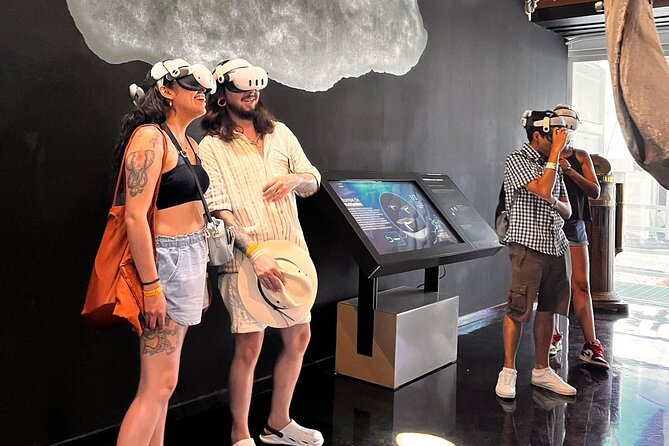
MUNBA uses interactive elements to explain the challenges marine species face. That matters because it keeps the museum from becoming only a collection of objects. You get a sense of the bigger picture—how animals live, what affects them, and why conservation work is relevant.
The museum also includes a storyline element centered on Talassa, the whale, described as an epic journey. You don’t need to be a kid to appreciate narrative guidance in a museum. Stories make it easier to remember what you saw. They also help you understand why the science is there in the first place.
This is a balanced approach: you’re learning, but it doesn’t feel like a lecture. The interactive style gives you small “entry points” into the message—VR for the body, audio for the presence, exhibits for the environment, and skeletons for the evidence.
The Children’s Zone: A Family-Friendly Advantage
If you’re traveling with kids, MUNBA’s Children’s Zone is one of the strongest reasons to go. It’s specifically set up for younger visitors, with creative and educational activities under expert supervision.
That detail is more than a nicety. In practice, it means you can give kids something that matches their attention span without constantly negotiating what happens next. Parents can move through the rest of the museum with less stress, since kids have a place designed for them.
If your child is curious about animals, the museum’s themes work well. VR, audio, and hands-on components all support learning through sensation, not just screens and captions. It’s also a good option if you want an educational stop that still feels fun.
Café Stop and How Your Ticket Fits Into Conservation
The museum experience ends at the museum café, which gives you a natural break point. Even if you’re not planning to linger, it’s helpful for regrouping—especially for families or if you want to talk about what you just learned.
Your admission also supports marine conservation, which gives the visit a clear purpose. Museums can sometimes feel like “viewing only.” Here, at least part of what you pay is tied to conservation outcomes, so the outing doesn’t feel purely recreational.
Practical tip: plan for snacks and water. A short museum plus a café stop often works better than trying to squeeze a full meal immediately after, especially in a warm coastal city.
Price, Timing, and Getting There in Mazatlán
At $17.30 per person, MUNBA sits in an accessible zone for a museum stop, especially because the admission ticket is included in the experience. For many people, that makes it easier to decide on the spot—no extra fee surprises once you arrive.
Duration is another value driver. A 2 to 3 hour visit is a realistic chunk of time. It’s long enough to feel like you did something meaningful, short enough to keep your day flexible.
The museum runs Tuesday through Sunday from 10:00 AM to 5:00 PM, with the listed hours applying from 01/20/2025 through 12/30/2026. If you’re arriving in Mazatlán and trying to fit in one indoor activity, this schedule is convenient because it covers most of the working and travel days people typically plan.
You’ll also find it near public transportation, which can matter if you’re trying to reduce driving or parking stress. The experience uses a mobile ticket, and confirmation is received at booking.
One more logistics note: this offering is in English. If you prefer guided explanations, the data here doesn’t describe a full guided format, so go in expecting to learn mainly through exhibits rather than a live tour talk.
Who Should Book MUNBA (And Who Might Find It Too Short)
MUNBA is a strong match if you:
- want a focused museum outing that fits into a half-day plan
- enjoy interactive learning (especially VR and audio)
- like animal anatomy and want a physical skeleton experience
- are traveling with kids and want a supervised children’s space
It may be less satisfying if you:
- need an all-day, very large museum campus
- want only galleries with minimal technology or audio
The “moderate amount of things to see” vibe makes the most sense when you treat it as one stop, not the center of your entire itinerary. In other words: think of it as a smart indoor anchor, not a marathon.
Also, the experience notes that most travelers can participate, and service animals are allowed. If you have concerns about your specific needs, you’ll want to confirm details before going since the data provided doesn’t list specific accommodations beyond that.
Should You Book This Whale Museum Stop?
I’d book MUNBA if you’re looking for a high-learning-value museum without the time trap. The VR dolphin anatomy, the whale songs, and the serious skeleton collection (including that rare sperm whale calf skeleton) combine into a visit that feels both hands-on and credible. At $17.30, it also feels easy to justify as a practical Mazatlán activity.
Skip it only if your travel style demands a huge museum experience, or if you don’t enjoy interactive components. In most cases, though, this is the kind of stop that makes sense on a schedule: you’ll learn something real, you’ll see something rare, and you’ll still have time left for the rest of your day.
FAQ
How long is the Munba National interactive Whale Museum experience?
The visit typically takes about 2 to 3 hours.
Where is the Munba National interactive Whale Museum located?
It’s in Mazatlán, Mexico.
What is the price per person?
The price is $17.30 per person.
Is the admission ticket included?
Yes, the admission ticket is included.
What language is the experience offered in?
The experience is offered in English.
Do I receive a mobile ticket?
Yes, you receive a mobile ticket.
What are the opening hours?
Tuesday to Sunday, 10:00 AM to 5:00 PM, with the listed hours applying from 01/20/2025 through 12/30/2026.
Is there free cancellation?
Yes. You can cancel for a full refund up to 24 hours in advance.
Is there a children’s area?
Yes. There is a dedicated Children’s Zone with creative and educational activities under expert supervision.