REVIEW · REYKJAVIK
Guided Whale Watching Experience from Reykjavik
Book on Viator →Operated by Reykjavik Sailors · Bookable on Viator
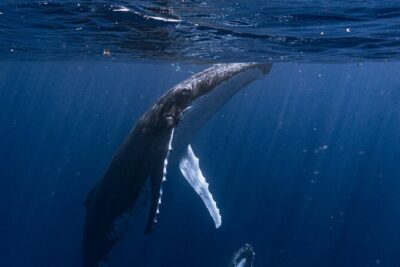
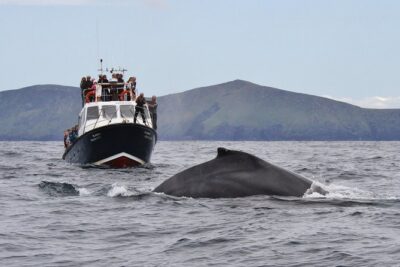
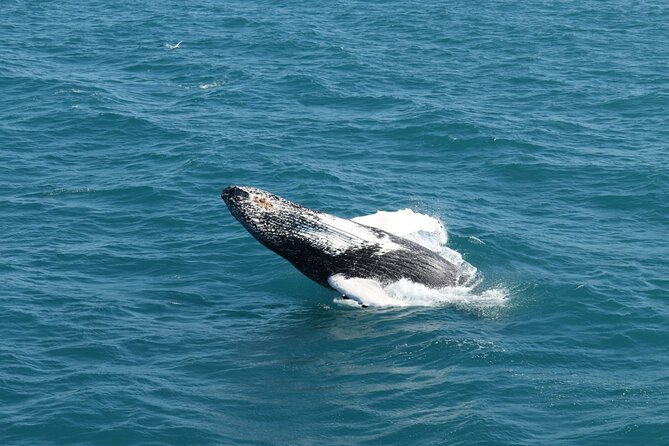
Reykjavik whale watching hits different on a gray-cold day. I like that this tour brings heated comfort right onto the water, and I also like the practical safety net of a free return trip if you don’t get the sightings you came for. You sail from Reykjavík’s Old Harbour into Faxafloi Bay with guides who hunt for whales and other marine mammals, while you warm up on board between photo sessions.
The main thing to keep in mind is simple: this is wildlife at sea, not an aquarium. If conditions are rough or animals stay farther out, you might come home with dolphins or smaller whales rather than dramatic surface action.
Still, for the time (about 3 to 3.5 hours) and the all-in comfort basics, it’s a solid way to experience Iceland’s North Atlantic firsthand from the city.
In This Review
- Key highlights you can bank on
- Reykjavik Whale Watching From Old Harbour: The Real Point of the Trip
- Price and what $97 buys you (plus the free return ticket)
- The boat experience: heated cabins, toilets, Wi‑Fi, and how to use them
- What happens in the 3.5 hours: a stop-by-stop sense of the ride
- 1) Old Harbour departure: city views with a wildlife lesson
- 2) Harpa views: the photo-friendly break during your route
- 3) Sea views that depend on the day: Mount Esja and Snæfellsnes
- 4) Warm up at the end: overalls and a hot drink on return
- Whale spotting realities: how this tour handles the unpredictability
- Cold-weather gear and seasickness: what to do before you even arrive
- How to get the most from the guides without losing your patience
- Group size and boat logistics: what the cap at 198 means for you
- Should you book this Reykjavik whale watching tour?
- FAQ
- How long is the whale watching tour from Reykjavik?
- What does the tour cost?
- Is the tour offered in English?
- What’s included to keep me comfortable on the boat?
- What if we don’t see whales the first time?
- Where do I meet the tour, and how early should I arrive?
Key highlights you can bank on
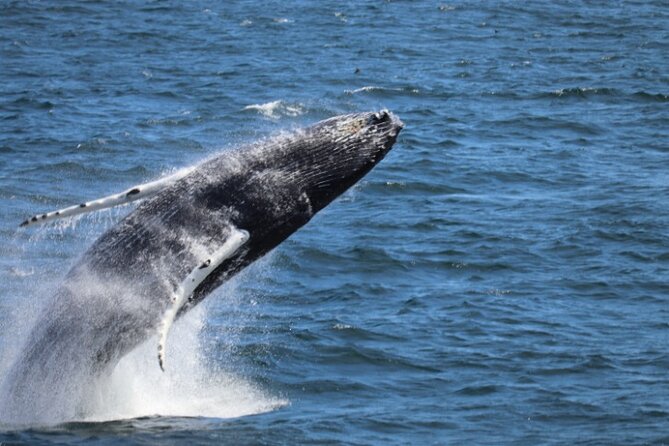
- Heated indoor cabins with toilets so you’re not stuck shivering on deck
- Warm flotation overalls plus a hot drink to keep your ride comfortable
- English-speaking guides who work the best local spots for whale watching
- Faxafloi Bay sailing from Old Harbour with classic Reykjavik views along the route
- Free second ticket if your first outing has no whale sightings
Reykjavik Whale Watching From Old Harbour: The Real Point of the Trip
This tour is built for one goal: seeing whales and other marine mammals from Reykjavik without making the whole day a logistics project.
You start right in Reykjavík’s Old Harbour, board a comfortable boat, and head into Faxafloi Bay. Along the way, the crew shares what to watch for in the ocean and the natural environment, which matters because whale watching is mostly about reading tiny clues. A good guide helps you notice the difference between random waves and something worth tracking.
The other big reason to consider this one is comfort. Cold wind and salt spray are part of the deal near the bay, but you’re given a warm layer for the deck and you have heated indoor space when you need it.
You can also read our reviews of more tours and experiences in Reykjavik.


Price and what $97 buys you (plus the free return ticket)
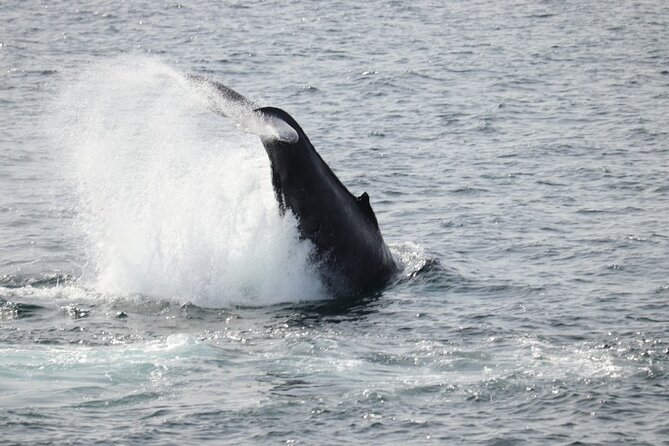
At $97 per person, you’re paying for a guided boat trip, not a guaranteed whale show. You still need decent weather, because this is a real ocean outing.
Here’s the value angle that makes a difference: if you don’t see whales during your first trip, you can join a second tour for free. That’s not a small perk. It turns “hope” into “you get another shot,” which is exactly what you want when you’re counting on wild animals you can’t control.
Add the included extras—overalls, a hot drink, and seasickness tablets—and the price feels more balanced. You’re also getting free Wi‑Fi on board, which is handy for messaging home when you’re off-grid in the bay.
The boat experience: heated cabins, toilets, Wi‑Fi, and how to use them
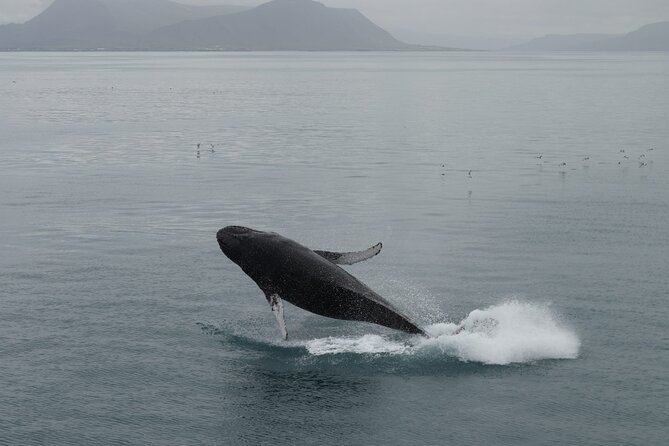
Cold is the enemy on whale watching boats. The good news is that this one is designed for the season you’ll likely be visiting.
You’ll have heated indoor cabins and access to toilets, so you can step inside when wind ramps up. I’d plan to move between deck and cabin rather than trying to tough it out the entire time. Even if you’re obsessed with spotting spouts, you’ll see more by staying comfortable long enough to stay focused.
Warm flotation overalls are included. That’s a big deal if you’re not used to Iceland’s cold and wet conditions. Overalls help keep you warm without having to layer in a complicated mess, and they’re meant for time on deck.
Also, you can use the boat’s free Wi‑Fi. It won’t replace the view, but it’s nice when you want to check directions after you land back in Reykjavík.
What happens in the 3.5 hours: a stop-by-stop sense of the ride
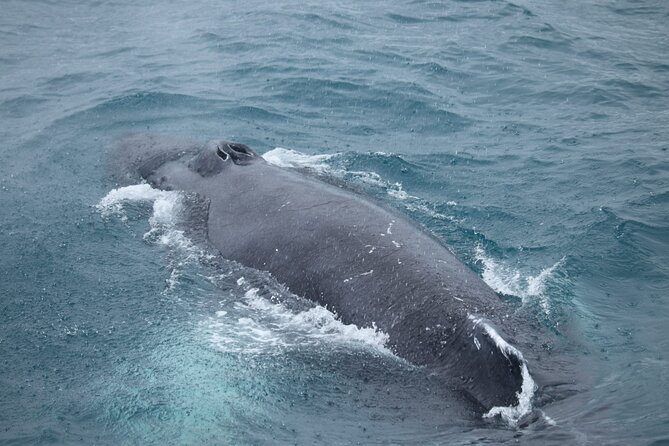
1) Old Harbour departure: city views with a wildlife lesson
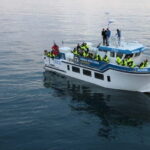
The tour begins at Geirsgata 11 in Reykjavík, right at the Old Harbour area. You board one of the comfortable whale watching boats and set sail into Faxafloi Bay.
This first stretch is where you get your bearings. You’ll see panoramic views of the Reykjavik skyline and the surrounding mountains while the crew talks about Iceland’s marine life and the natural environment. That early context is useful later, because the ocean will start to look like a lot of water unless you know what the guides are watching for.
Practical tip: arrive early. The guidance says to be at the departure point at least 30 minutes before sailing. That buffer helps you get seated, get your gear sorted, and not rush into cold air with gloves half on.



2) Harpa views: the photo-friendly break during your route
As you depart or return, you get views of Harpa, Reykjavík’s glass concert hall. It’s one of the city’s most photographed buildings, and from the water you get a different angle on the geometry and reflections.
This stop is less about wildlife and more about making the trip feel like more than just a boat ride. Even if whale sightings are slow, you’re still seeing a signature Reykjavik landmark from a perspective you can’t get on foot.
3) Sea views that depend on the day: Mount Esja and Snæfellsnes
On clear days, you’ll be able to admire Mount Esja rising behind Reykjavík. In the distance, you may also see the Snæfellsnes Peninsula, often nicknamed Iceland in Miniature because of its variety of terrain and volcanoes.
This is one of those “if the weather cooperates” moments. Clouds and wind can erase far-off views quickly, but when visibility is good, the scenery adds a satisfying sense of place to the whale watching.
4) Warm up at the end: overalls and a hot drink on return
After a few hours at sea, the tour ends back at Reykjavík’s Old Harbour. You’ll warm up with the included overalls and enjoy a hot drink while you decompress and talk through what you saw.
That ending matters because it turns the experience into something you actually want to do again. You don’t finish cold, tired, and irritated. You finish ready to re-enter the city.
Whale spotting realities: how this tour handles the unpredictability
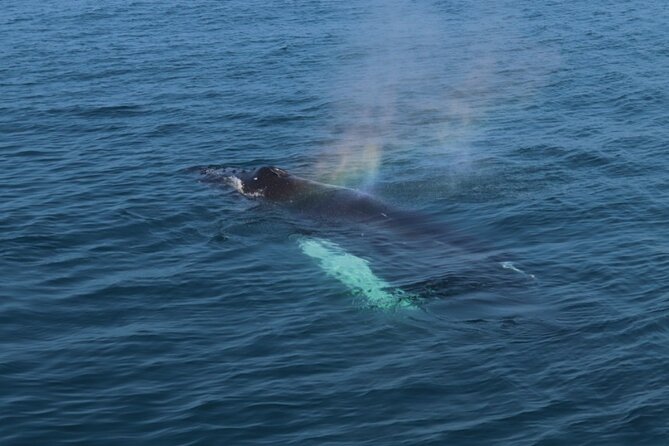
Iceland whale watching is exciting, but it’s also honest. The ocean isn’t a zoo. Animals decide when and where they show up, and the crew can only work with what the sea gives them.
This is where the free return ticket really helps your mindset. If the first outing has limited or no whale sightings, you have the option to try again. That shifts the experience from a gamble to a more forgiving plan.
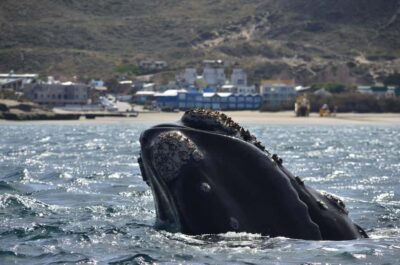
You should also set your expectations around “other marine mammals.” The tour is clearly designed for whales and other wildlife, so even if whales are quiet, you may still spot dolphins or smaller whales. The key is to stay flexible and listen to the crew’s guidance—often your best sightings happen when you’re paying attention to what’s happening beyond the obvious.
Cold-weather gear and seasickness: what to do before you even arrive
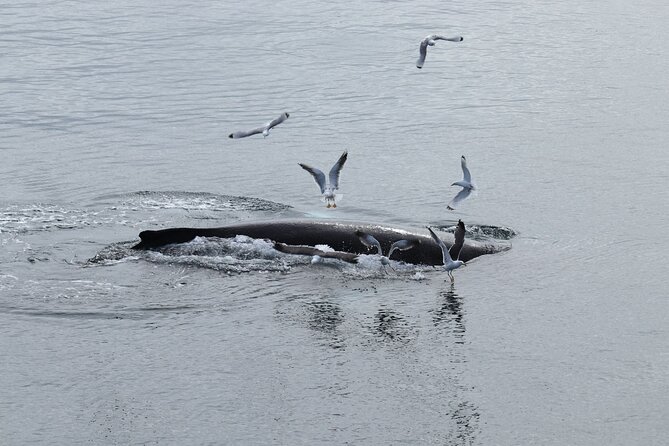
Reykjavik weather can flip from fine to sharp in minutes. Even with heated cabins and overalls, deck time can feel bitter.
Wear warm clothing and bring good footwear. The tour also recommends bringing your camera, because the boat-to-city sightlines can produce great shots, especially around landmarks like Harpa.
For motion sickness, complimentary seasickness tablets are available. I treat this as a “don’t wait until you feel bad” situation. If you’re prone to nausea on boats, grab the remedy before you head out and plan to use the indoor cabins when you need to.
One more small tactic: dress for temperature changes, not comfort for one single moment. You’ll likely alternate between wind on deck and warmth inside.
How to get the most from the guides without losing your patience
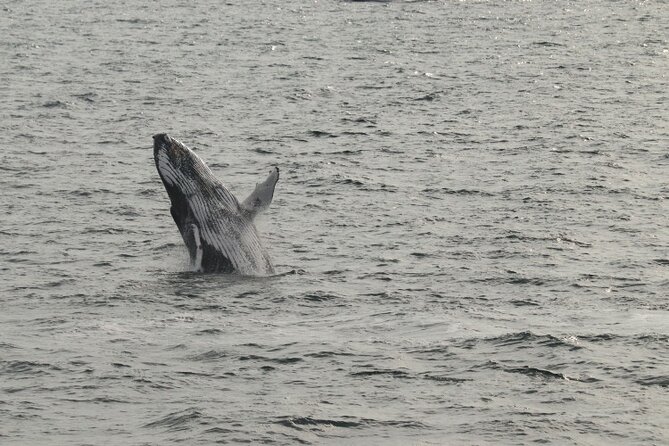
The guides’ job here is two-fold: find the best areas for whales and help you understand what you’re seeing. That second part is underrated. When you know what to look for—behavior, timing, and movement patterns—you stop just watching the horizon and start tracking possible activity.
The crew’s enthusiasm also matters because whale watching can feel slow when nothing is happening. If your guide keeps scanning and sharing information, your attention stays locked in. That’s how you maximize your chances even when sightings are not guaranteed.
Also, remember that navigation can be tough on the North Atlantic. If waves bump the boat around, keep using the cabin strategically. A steady head leads to better spotting.
Group size and boat logistics: what the cap at 198 means for you
The tour caps at a maximum of 198 travelers. That tells you the boat can be busy at peak times.
In practical terms, that means you’ll want to take advantage of indoor warmth when needed rather than waiting for the exact perfect deck moment. You’ll likely share viewing angles with other people holding cameras, so keep your plan simple: you rotate, you watch, you warm up, you repeat.
The upside of a larger-cap boat is that you’re in a well-established operation with trained staff and the kind of equipment that supports heated interiors and included gear.
Should you book this Reykjavik whale watching tour?
Book it if:
- You want a guided whale watching experience that’s built for real Iceland weather, with heated cabins and included warm overalls
- You care about comfort during a multi-hour sail, not just chasing one distant animal
- You like the idea of a free second attempt if whales don’t show up the first time
- You’re staying in or near central Reykjavik and want an Old Harbour start without extra travel complexity
Skip it (or at least rethink expectations) if:
- You need guaranteed whale sightings. Wildlife is unpredictable, and the best crews can’t control animal movement.
- You’re extremely sensitive to motion and don’t plan to use the provided seasickness tablets and cabin breaks.
If your goal is to see Iceland’s marine life from the water while keeping your comfort reasonable, this is one of the more practical options from Reykjavik.
FAQ
How long is the whale watching tour from Reykjavik?
The tour lasts about 3 to 3.5 hours.
What does the tour cost?
The price is $97.00 per person.
Is the tour offered in English?
Yes, the tour is offered in English.
What’s included to keep me comfortable on the boat?
You get warm flotation overalls, heated indoor cabins with toilets, a hot drink, complimentary seasickness tablets, and free Wi‑Fi on board.
What if we don’t see whales the first time?
If there are no sightings, you can join a second tour for free.
Where do I meet the tour, and how early should I arrive?
You meet at Geirsgata 11, 101 Reykjavík, Iceland. You should schedule to be at the departure point at least 30 minutes before the scheduled departure.