REVIEW · ZAMAMI SON
Great Whale Watching at Kerama Islands and Zamami Island
Book on Viator →Operated by KERAMA KAYAK CENTER · Bookable on Viator
Whales can pop up all around you. This Zamami Island whale-watching trip puts you on a comfortable boat and sends you straight to where staff have confirmed whales nearby.
What I like most is the close-up viewing feel, with whales showing surface behavior right near the ship, and the guiding that starts with a short whale ecology lecture so you’re not just staring blankly at a splash. It also helps that the boat has a toilet, which makes the ride feel less stressful if you’re out for a couple hours.
One thing to consider: it’s a weather-dependent experience, and there are strict participation rules for safety, so check those before you book.
In This Review
- Key Highlights You’ll Want to Know
- Zamami Whale Watching Feels Fast and Focused
- How the Timing Works: From Naha to Zamami Port
- Meeting Spot and What You’ll Do First
- On Board Comfort: Gear, Drinks, and a Relaxed Setup
- How Whales Get Found: Multi-Deck Searching and a Fast Run
- The Lecture That Makes Watching Easier
- At the Whale Spot: 360-Degree Watching Without Stress
- What You Might See: Mother, Calf, and Tail Moments
- Adding a Full Day on Zamami: Kayak or Snorkel Options
- Price and Value: What $86 Really Buys You
- Who Should Book, and Who Might Want to Skip
- Should You Book This Whale Watching on Zamami?
- FAQ
- When is the whale watching season in 2024?
- How long is the tour?
- Where do we meet for the experience?
- Is there pickup?
- Is there a toilet onboard?
- What’s included with the price?
- Is the ship fee to Zamami Port included?
- How do you find the whales?
- What are the minimum and maximum group sizes?
- What is the cancellation policy?
Key Highlights You’ll Want to Know
- Direct run to the whale spot after staff search from observation decks, so you spend more time watching than cruising.
- 360-degree-style searching from an open viewing setup, where whales can appear from any direction.
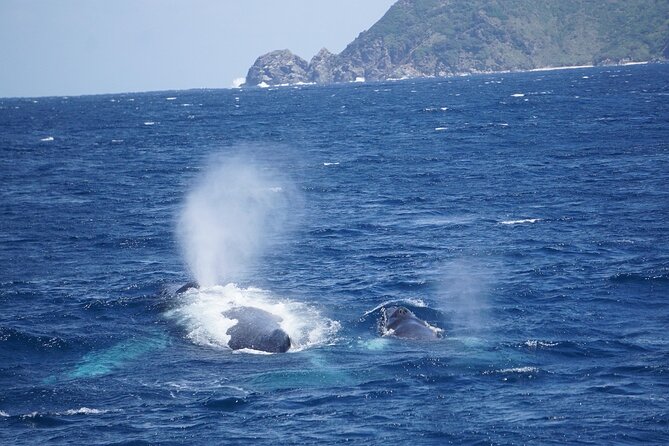
- Burou spotting (the water-vapor blow on the surface) helps you track whales faster once you know what to look for.
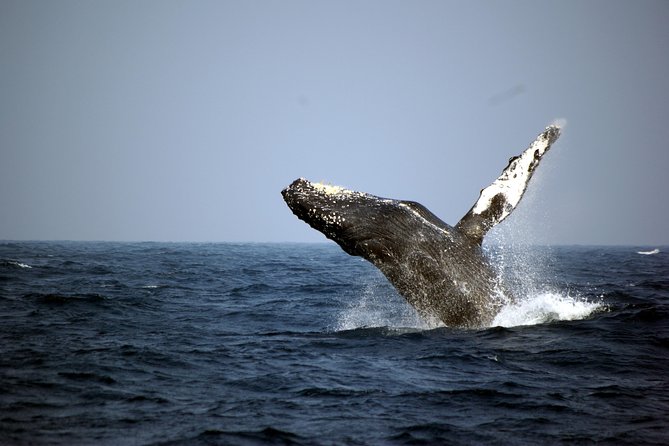
- Close encounters are the goal: you may pass near whales, sometimes with water spray from their movement.
- Comfort details matter: toilet onboard, binoculars and blankets provided, plus free drinks.
- Optional kayak or snorkel on Zamami can turn this into a full island day.
Zamami Whale Watching Feels Fast and Focused
This is the kind of whale watching that makes sense in practice. You’re not stuck doing a long, slow cruise while everyone hopes. Instead, the operation is built around finding whales first, then heading directly toward the action once staff confirm where they are.
That matters because you’re on the clock. The experience is about 2 hours 30 minutes, and the best part is the watching window once you reach the point. A shorter trip to the area means more time with your eyes trained on the water, and less time with everyone staring at horizon math.
I also like that the tour doesn’t treat spotting as magic. You get a quick orientation—especially around whale behavior cues—so you can follow what’s happening rather than just waiting for a spray.
How the Timing Works: From Naha to Zamami Port
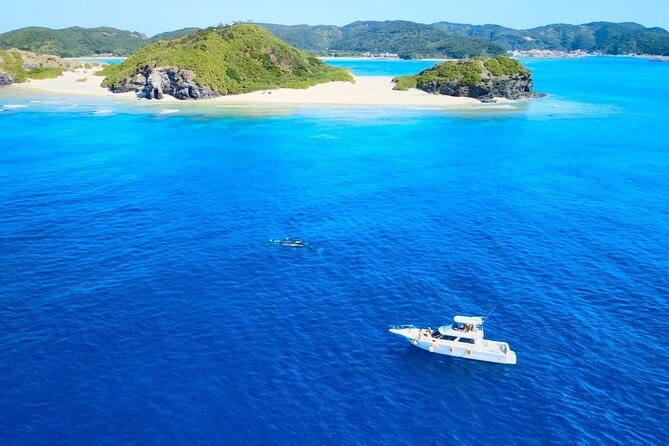
Most people start from Tomari Port in Naha, then take a high-speed boat about 50 minutes to reach Zamami. The whale watching itself begins from the Zamami Port area, and the activity ends back at the meeting point.
A small but important detail: the tour price covers the watching experience fee and the on-island boarding-type costs, but the ship usage fee to Zamami Port is not included. In plain terms, you should budget separately for your ride to the island.
If you’re visiting in the winter season, mark your calendar too. In 2024, whale watching is scheduled from January 5 to the end of March. If you’re traveling outside that window, you’ll want to confirm what runs when.
Meeting Spot and What You’ll Do First
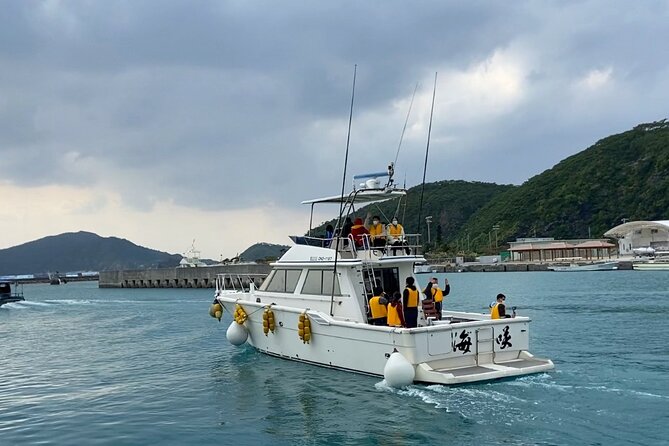
You meet at the Zamami Port Ferry Terminal, inside the Zamami Mun Market area (address listed as 1−1 ざまみむん市場 内, Zamami). From there, you board the operator’s own ship and get ready for the run.
You’ll also see a nice mix of practical comforts before the whales show up. The boat comes with a toilet, which sounds minor until you’re out on the water longer than you planned. You’ll also get free drinks plus a blanket and binoculars, which can be clutch on a cool winter morning or when the sea is breezy.
One other note: there’s pickup offered, which can make the day easier if your lodging makes walking to the terminal annoying. Still, the clear anchor point is the ferry terminal meeting location.
On Board Comfort: Gear, Drinks, and a Relaxed Setup
This tour does a smart thing: it gives you time to settle before chasing action. You’re guided onto the boat, then you cruise while the team prepares to reach the spotting area.
Your rental gear is simple and useful: you get a life jacket rental. You’re not handed a confusing bundle of equipment. You’re set up to watch safely and stay warm enough to enjoy the whole session.
I also appreciate that the viewing experience is designed for real tracking. You’re not meant to sit still in one spot for the entire time. Once you’re at the point, you move to an easy viewing position, and the pace of spotting ramps up as your eyes get used to scanning.
And yes, there’s support for your memory too. Photos during the tour are included, which is a small value add when you’re watching actively and not constantly trying to frame everything yourself.
How Whales Get Found: Multi-Deck Searching and a Fast Run
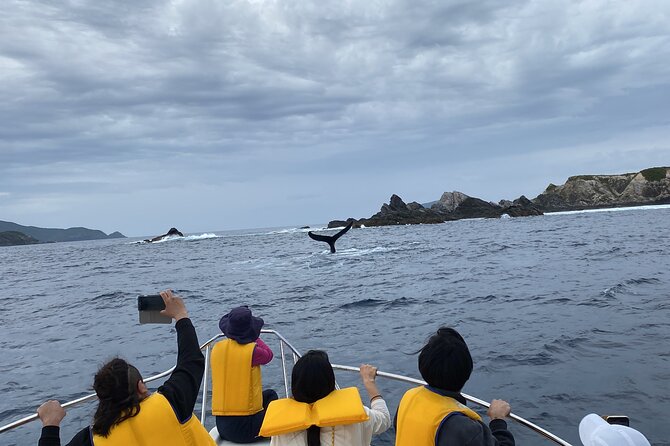
The key to why this tour feels efficient is how whales are located. Specialist staff search for whales from several observation decks overlooking the ocean area. Once they find them, they contact the ship and head out.
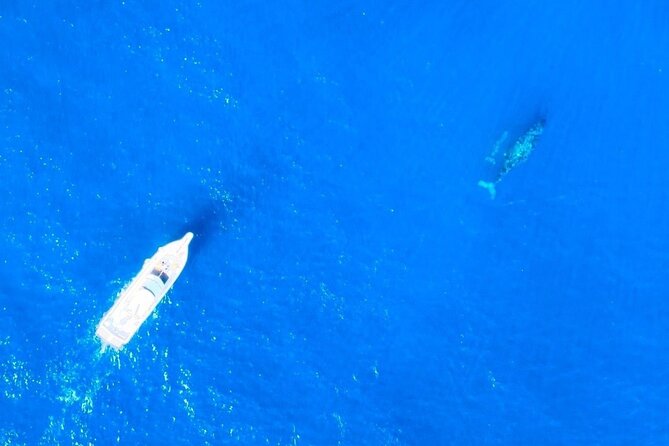
Then comes the part that improves your odds and your time: you sail directly to the point where whales are seen. The ride to the whale-watching area is about 30 minutes after a short lecture, so you’re not stuck waiting too long to start watching.
When staff are searching from decks, it’s not just about one pair of eyes. It means they can compare sightings and spot whale cues faster—like the timing of surface movement. It also means the captain and crew can adjust the route quickly once they have a solid indication.
The result is what the tour is aiming for: a high chance of seeing whales, plus more viewing minutes once you arrive.
The Lecture That Makes Watching Easier
Right before the main watching window, there’s a short lecture on whale ecology. The point isn’t to turn your day into a classroom. It’s to give you a framework for what you’re about to notice.
One detail you’ll hear is how to spot burou—the water-vapor blow that appears on the surface. That single cue changes your watching game. Instead of only seeing splashes after the fact, you start looking for the sign that the whale is coming up, then you track what happens next.
You also learn the rhythm: surface behavior, then movement, then how they might disappear and reappear. Once you understand that pattern, scanning gets faster and more satisfying.
At the Whale Spot: 360-Degree Watching Without Stress
Once you reach the whale area, you’re guided to a place where you can see the boat and scan the water easily. The experience is described as thrilling because you don’t know where whales will show up from—360 degrees around you is part of the concept.
As your eyes adjust, spotting becomes quicker. You’ll often notice that the hardest part is the first few minutes, when everything looks like water. After that, your brain starts separating meaningful cues from random ripples.
This tour also aims to keep encounters low-stress. You’re watching whales closely without causing stress, which is the right goal. You may see whales appear right next to the ship, and you might even get sprayed with water depending on how they move near the boat.
Even if you’re not a super experienced wildlife watcher, the setup helps you feel like the action is happening all around you, not off in the distance.
What You Might See: Mother, Calf, and Tail Moments
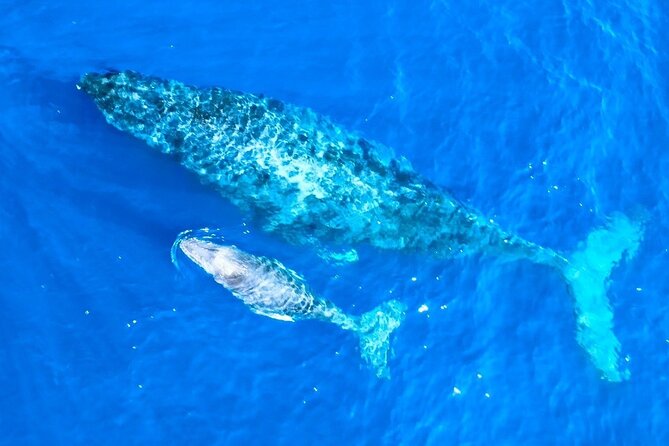
If you want the emotional highlight, it’s the kind of scene that’s hard to forget: mother-and-calf behavior. The reviews point to moments like a calf playing with its mother, then both surfacing together.
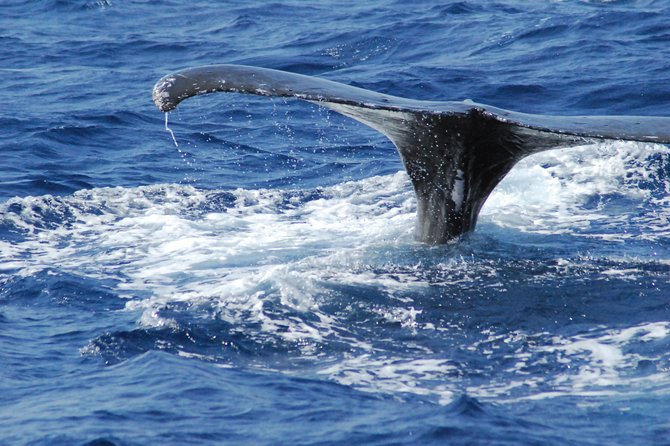
One of the most memorable patterns you might get is seeing them come up for air in tandem and then go back under the surface together. There’s also the chance of seeing distinct tail action as they move away, which makes it feel like you’re watching behavior, not just a random animal sighting.
These aren’t guaranteed, of course. The ocean does what it wants. But the way the tour is run—fast to the spot after staff confirmation—gives you the best shot at those high-impact scenes rather than settling for a distant pass.
You’ll also see whales show different actions once you’re at the point. The tour description specifically calls out the kind of variety you can look for: surface blows, movement around the ship, and close approaches.
Adding a Full Day on Zamami: Kayak or Snorkel Options
One of the best ways to get real value from this day is to stay on the island and build a longer plan. The tour can be paired with an optional kayak or snorkel tour, so you can spend more time enjoying Zamami instead of treating whale watching as a quick stop-and-go.
This matters because Zamami is often why people come in the first place. If you only schedule the boat ride and then rush back, you’re missing the slower island rhythm that makes the day feel like more than a ticket.
If you do add time on land or in the water afterward, you’ll also have less pressure. The whale watching is the main event; the rest is bonus time that doesn’t require the same perfect conditions.
Price and Value: What $86 Really Buys You
At $86, this isn’t the cheapest outing in Japan—but it also isn’t overpriced for what you’re getting. The big value drivers are practical:
- You get guided searching that targets sightings first, then directs the boat to the point.
- Watching gear is included: binoculars and a blanket.
- Comfort and extras are included: toilet onboard, free drinks, and photos during the tour.
- The boat ride is short enough that you stay engaged for the watching window.
The one cost you should double-check is the additional ship usage fee to Zamami Port, since that’s not included in the activity price. Once you factor in transportation to the island, the total day cost depends on how you’re getting from Naha and back.
Still, for many visitors, paying for a well-run whale operation with close viewing time is worth it. You’re not just buying a boat ride. You’re buying expertise, positioning, and time at the moment when whales are most likely to show their behavior.
Who Should Book, and Who Might Want to Skip
This tour is a strong match if you want a guided, high-effort whale search with close viewing. It also suits you if you like structured explanations and appreciate small comfort touches like blankets, drinks, and a toilet.
You may want to think twice if you fall into the tour’s restrictions. The operator notes limits including age requirements (not under 3 and not over 80), plus safety limits for people who can’t get on and off the boat on their own or move on a rocking ship. There are also clear exclusions for pregnancy and a range of medical situations.
In other words: if you’re healthy enough to board safely and handle time on open water, you’ll likely enjoy the intensity. If you’re unsure, it’s worth checking with the operator before you lock in plans.
Also consider group size. This experience has a maximum of 13 travelers and requires at least 3 participants. That usually helps keep things lively and manageable, but it also means departures can depend on meeting the minimum.
Should You Book This Whale Watching on Zamami?
Yes, if you’re traveling during the season window and you want the best odds of close viewing without long, slow searching. The combination of fast routing to the confirmed whale area, the burou-focused orientation, and the close-range viewing style is a winning mix.
I’d also book it if you like a day plan that’s easy to build on. You can pair it with kayaking or snorkeling and turn it into a full Zamami day instead of rushing through the island.
Skip it only if the safety restrictions affect you, or if winter weather would stress your plans too much. When conditions are poor, the experience can be canceled and you’ll need flexibility.
If you’re there in January to March and you want a whale moment that feels close and immediate, this is one of the cleaner bets on Kerama.
FAQ
When is the whale watching season in 2024?
In 2024, it runs from January 5 to the end of March.
How long is the tour?
The duration is about 2 hours 30 minutes (approx.).
Where do we meet for the experience?
Meet at the Zamami Port Ferry Terminal in the Zamami Mun Market area.
Is there pickup?
The tour notes that pickup is offered.
Is there a toilet onboard?
Yes. The boat is equipped with a toilet.
What’s included with the price?
Included are the watching experience fee, facility/boarding fees, life jacket rental, free drinks, binoculars and a blanket, and photos during the tour.
Is the ship fee to Zamami Port included?
No. The ship usage fee to Zamami Port is not included.
How do you find the whales?
Specialist staff search from several observation decks, then contact the ship and head directly to the point for more time watching.
What are the minimum and maximum group sizes?
There’s a minimum of 3 participants, and the activity has a maximum of 13 travelers.
What is the cancellation policy?
You can cancel for a full refund if you cancel up to 24 hours in advance. If you cancel less than 24 hours before the start time, the amount paid is not refunded. If it’s canceled due to poor weather, you’ll be offered a different date or a full refund.